Goght, Armenia
30 memories from Goght, Armenia
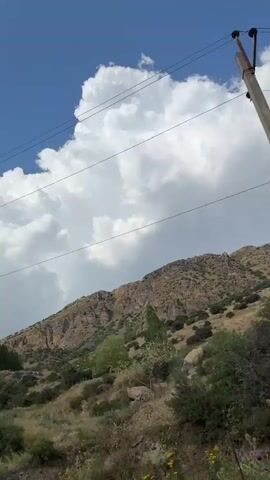
The video shows a landscape with a mountain range in the background under a blue sky with fluffy white clouds. There are power lines strung across the sky. The foreground is a rocky, dry hillside with sparse vegetation. There are no people or visible animals in the video. The camera appears to be moving, possibly from a vehicle, as the perspective shifts slightly throughout the short clip. The terrain suggests a rural or mountainous environment.
Goght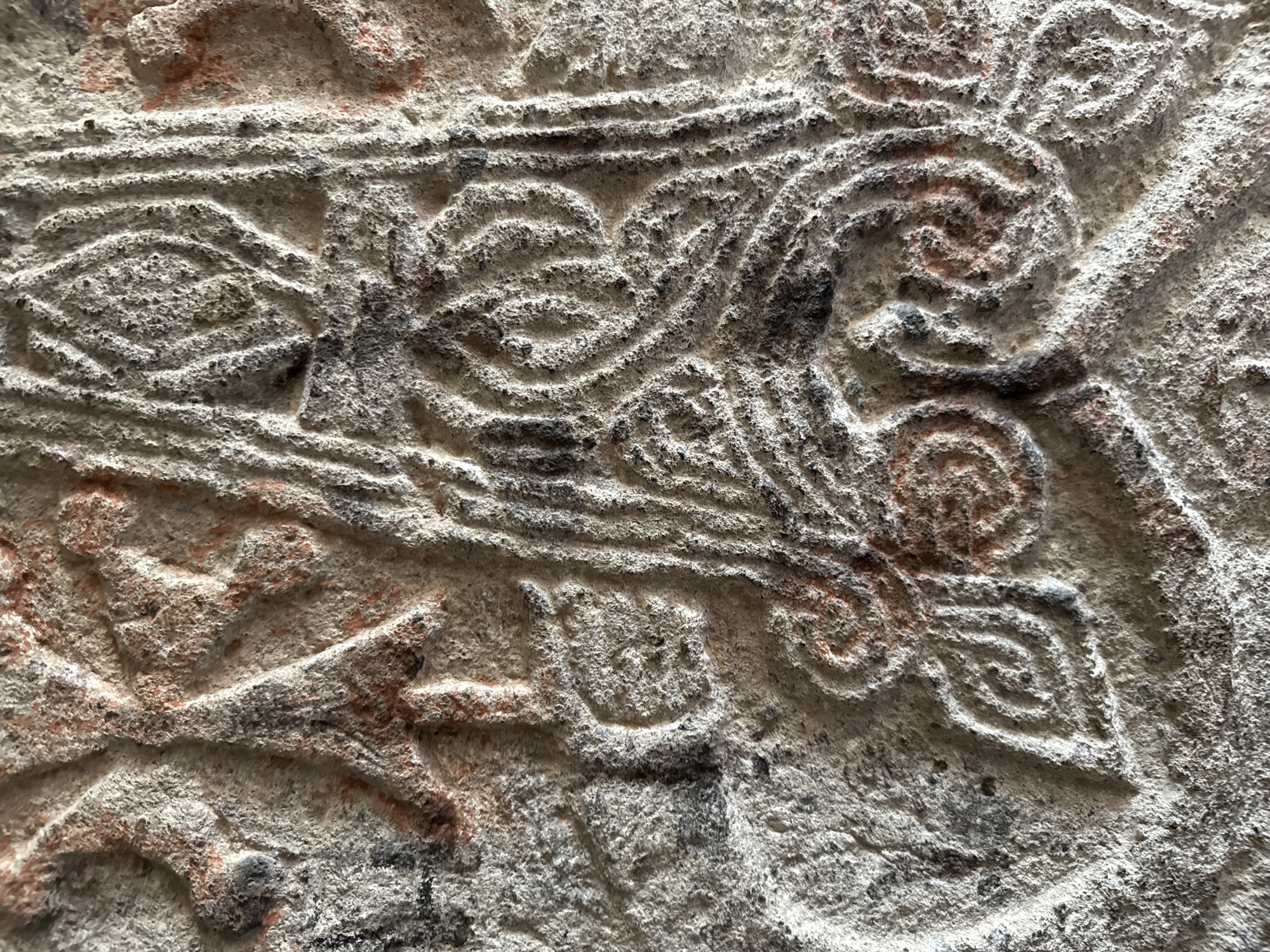
The image shows a close-up, textured view of ancient carvings on a stone surface, likely located in Goght, Armenia, known for its petroglyphs. The carvings are intricate, featuring curvilinear patterns and possibly stylized figures. Some areas show traces of reddish-brown and dark pigment within the carved lines, suggesting the original artwork may have been colored. The stone itself appears rough and weathered, with a granular texture. The lighting emphasizes the depth and relief of the carvings, creating shadows that highlight the eroded details.
Goght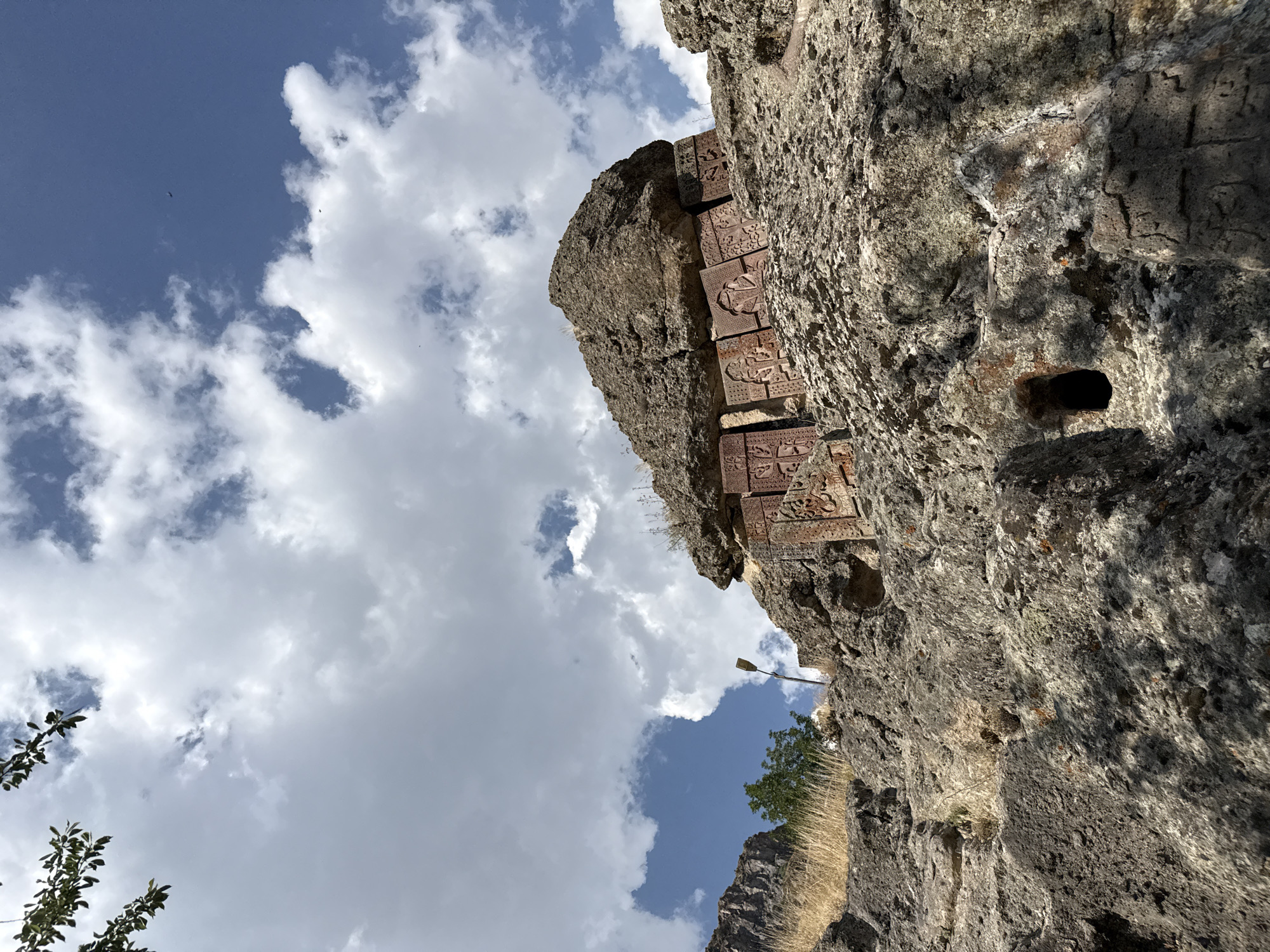
This is a low-angle, full shot of khachkars carved into the side of a rocky hill under a partly cloudy blue sky. The khachkars are made of reddish stone and are ornately carved with intricate patterns. They are lined up horizontally on a ledge near the top of the hill. The hill itself is rough and rocky, with dry grass growing in patches. In the distance, another rocky mountain can be seen. A single lamp post stands on the hill. The image was taken in the city of Goght, Armenia, which is famous for its khachkar traditions.
Goght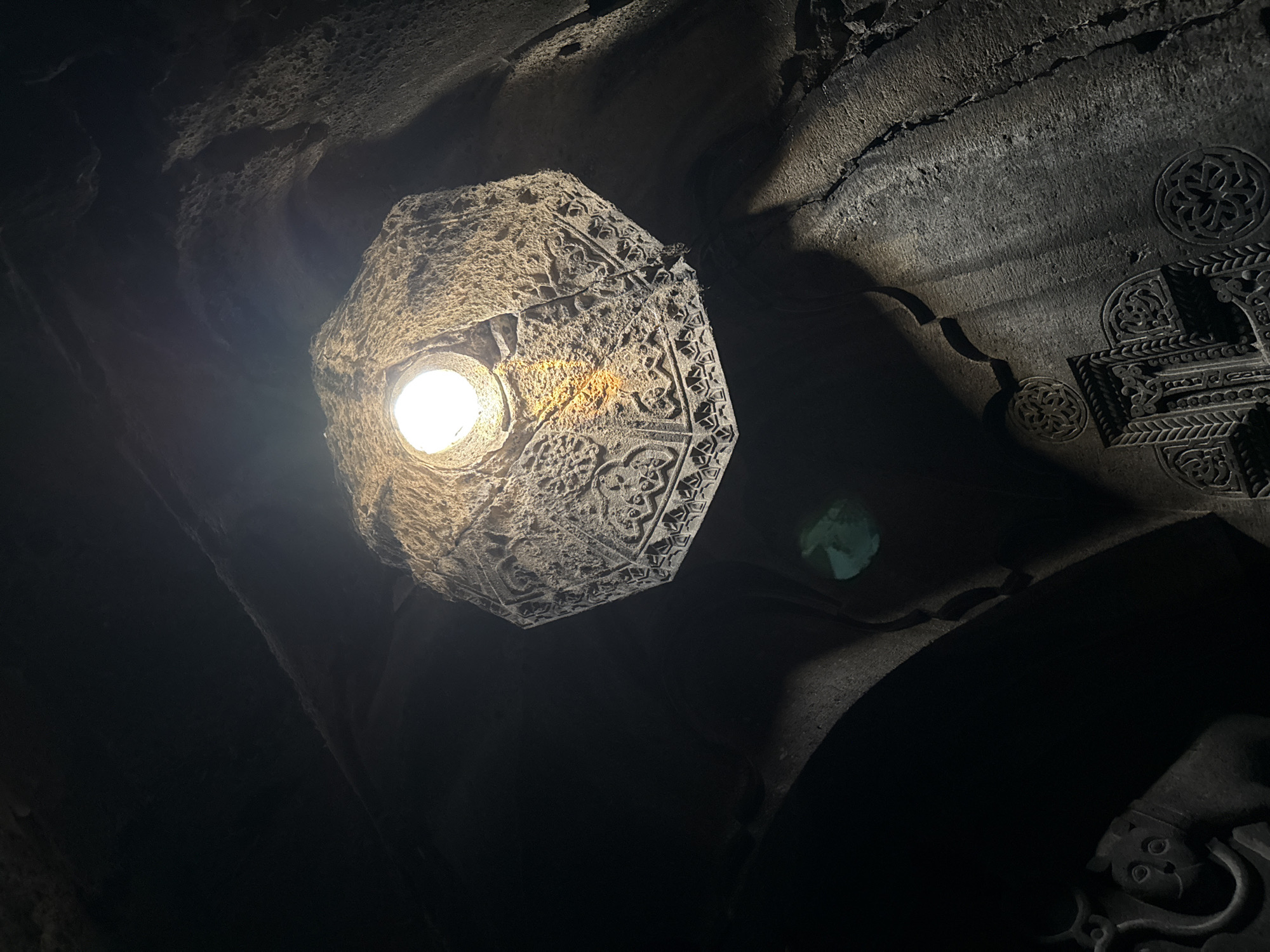
The image shows the interior of a cave or stone structure with a carved ceiling. A single light source illuminates the ornate carvings on the ceiling, which appear to be geometric patterns and possibly stylized figures. The walls are rough and uneven, suggesting a natural cave formation or ancient construction. In the lower left portion of the image, there is a carving of what appears to be a stylized cat or lion. Below that, on the right, are more intricate carvings that resemble crosses and floral designs. The overall impression is one of an ancient, possibly religious, site. This is an interior view of the Geghard Monastery in Goght, Armenia, a medieval monastery recognized by UNESCO.
Goght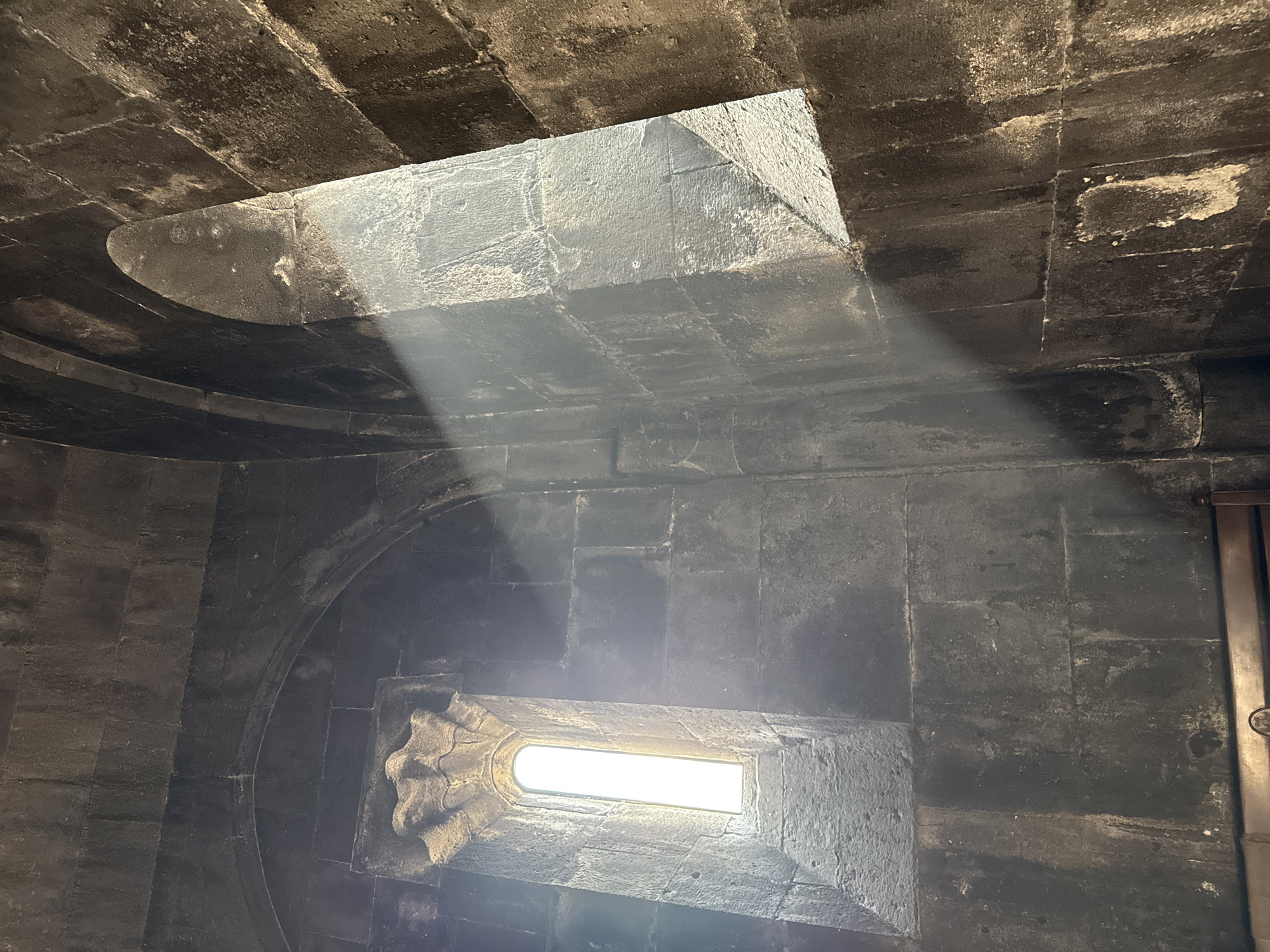
A sunbeam slices through the dusty interior of a stone building, illuminating the rough-hewn walls and a narrow, arched window. The light streams diagonally across the frame, creating a dramatic contrast between the brightly lit area and the shadowy corners. The stone blocks that make up the walls are large and irregular, showing signs of age and wear. The window, to the left, is tall and slender, with a decorative stone carving above it. The scene appears to be within the Geghard Monastery in Goght, Armenia, a UNESCO World Heritage site known for its rock-cut architecture.
Goght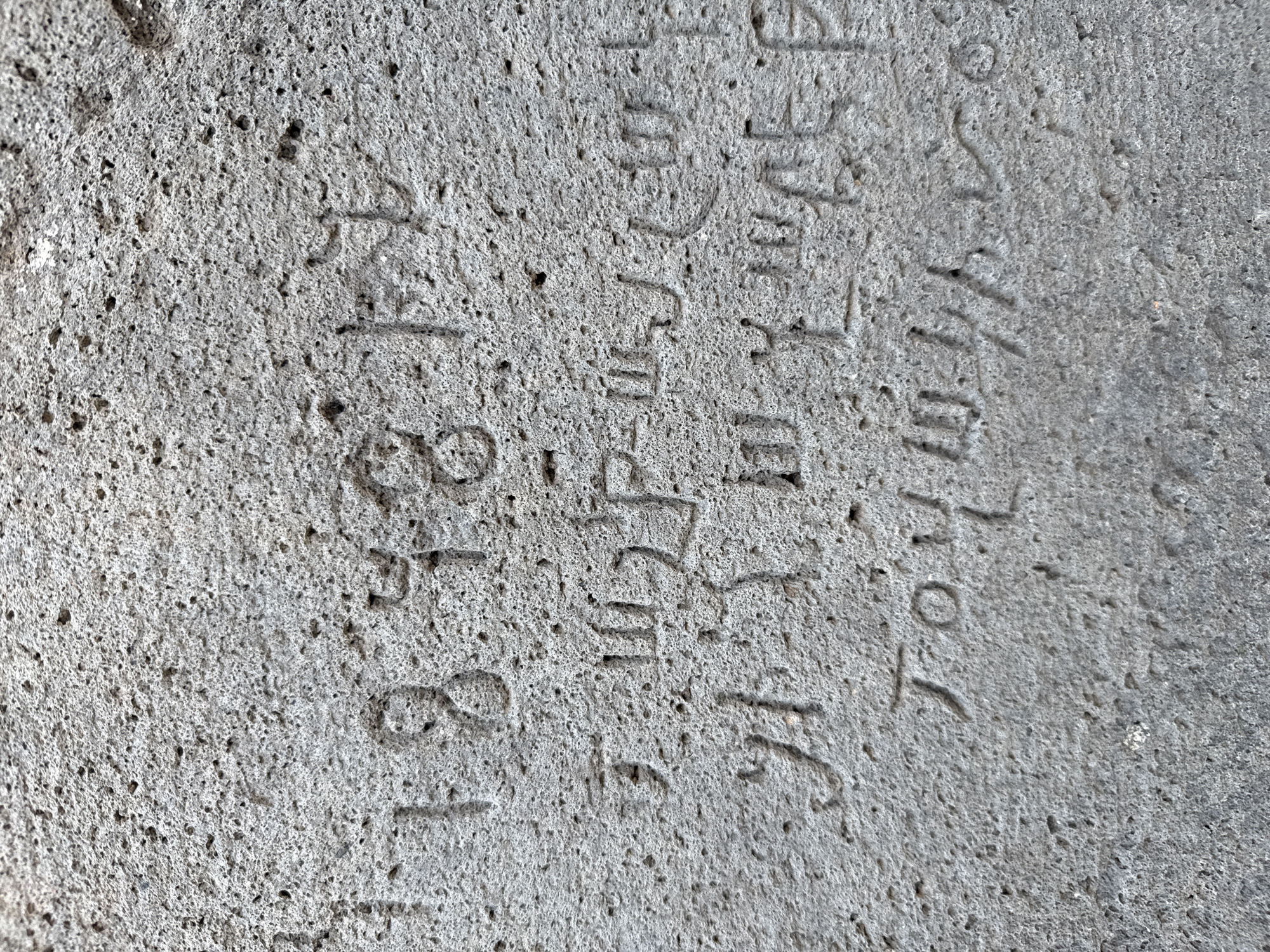
The image displays a close-up view of an inscription carved into a rough, porous, grey stone surface. The inscription appears to be in Armenian script, with some characters clearly visible and others partially obscured or worn. The first line of the inscription consists of numbers: "1848". Below this, there are two more lines of Armenian script, the first line containing characters that appear to read "ԱՂԱՆԴ", and the second line containing characters that appear to read "ՀԱՅԿԱԶՆ". The stone itself exhibits a granular texture with numerous small pits and imperfections, indicative of its weathered state. The lighting suggests the inscription is outdoors, with shadows cast by the carved characters. The specific location of this inscription is at the St. Bartholomew Monastery in the village of Goght, Armenia.
Goght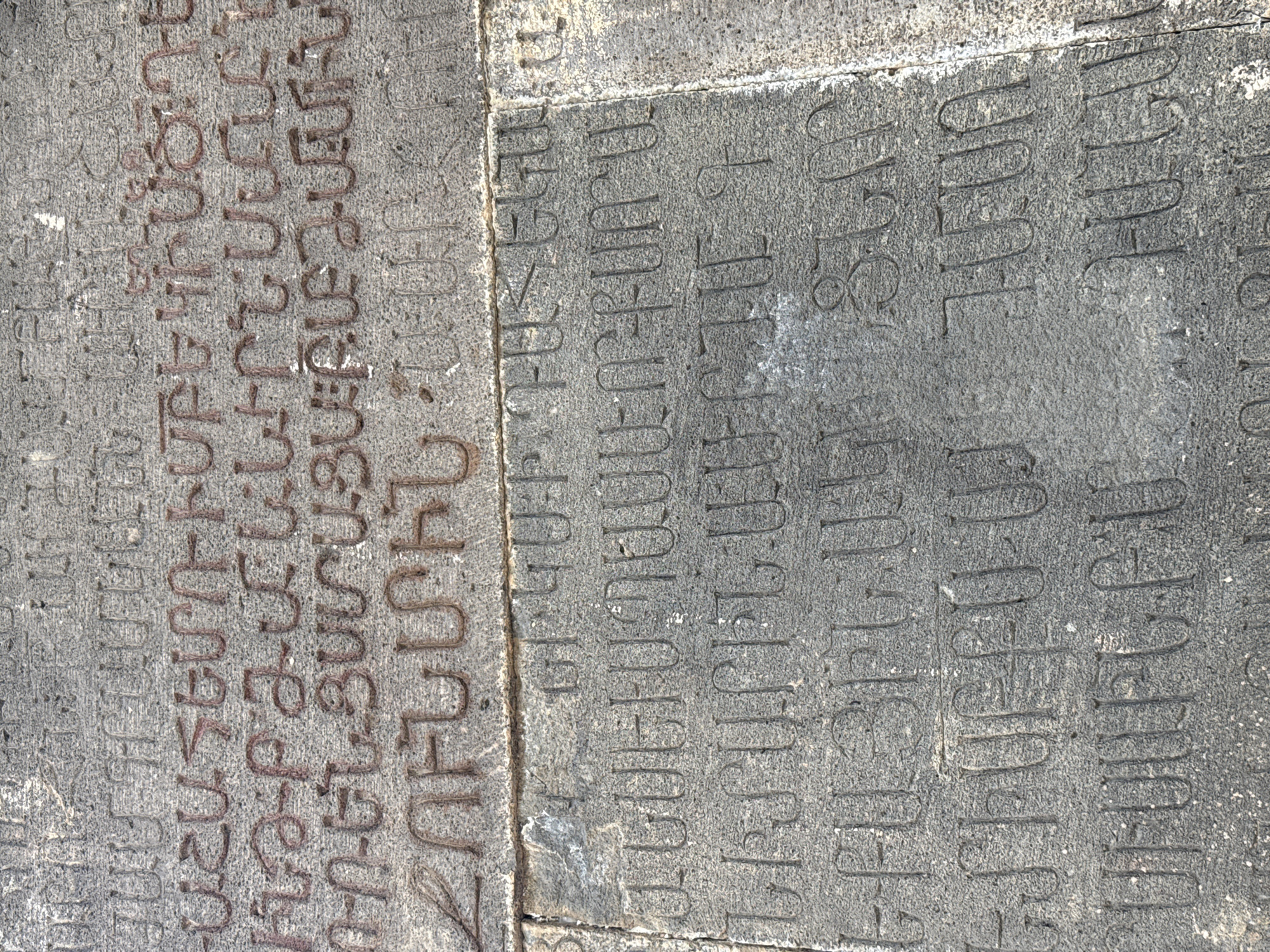
The image shows an inscription in Armenian script carved into a stone surface. The script consists of a series of vertical lines with rounded or angular elements attached, appearing as raised carvings. The stone is weathered and textured, with some discoloration, possibly due to age and exposure. The inscription is divided into several lines of text. This stone is located in the village of Goght, Armenia, and is likely a historical or religious monument.
Goght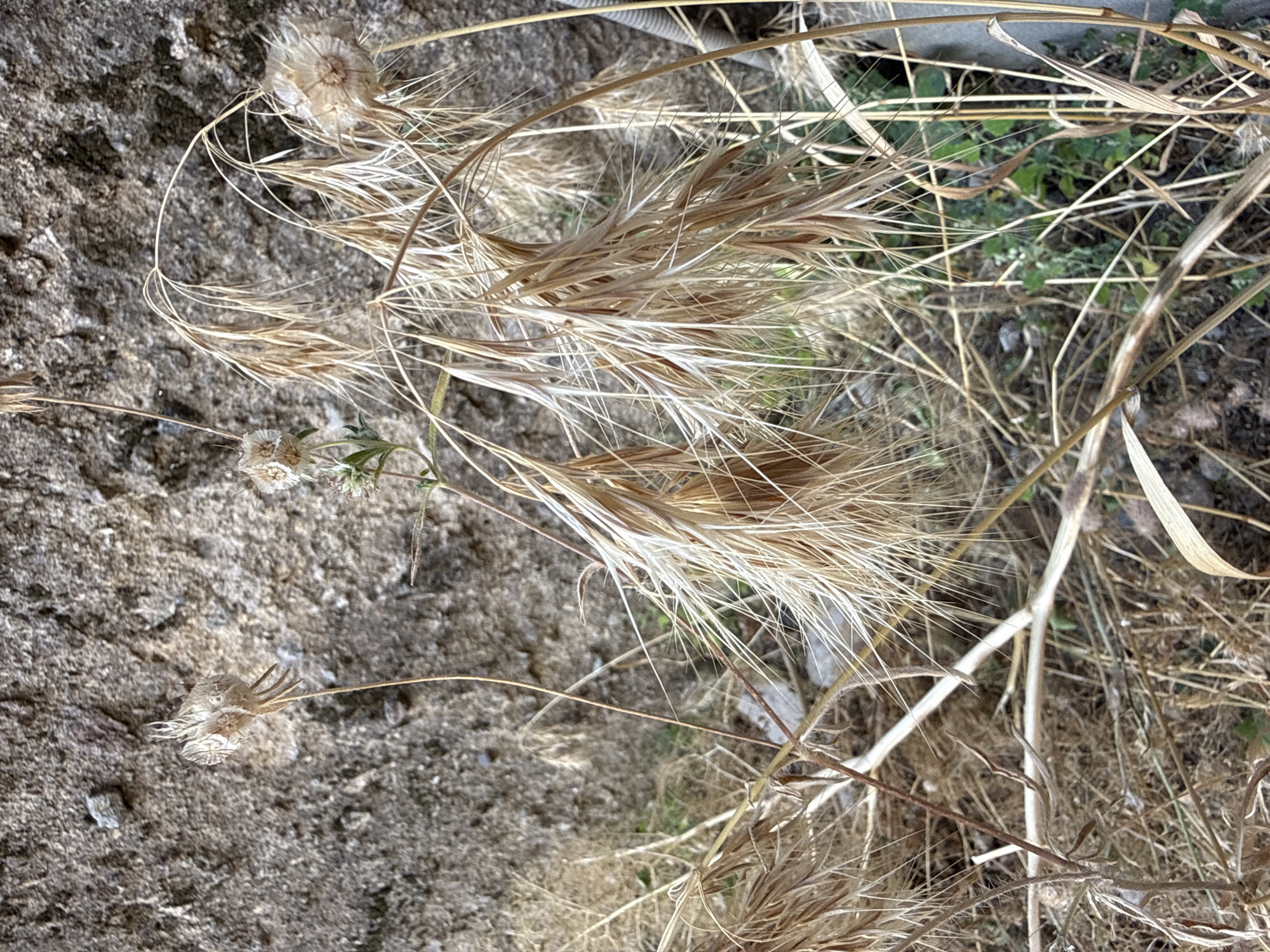
The image shows a close-up view of dried wild grasses with feathery seed heads, set against a rough, textured stone wall. The grasses are predominantly light brown and beige, with some stalks bending and arching, creating a sense of movement. A few smaller, lighter-colored seed heads are visible amongst the larger ones, and some greenery peeks through from behind the dry vegetation. The stone wall is a dull gray and appears weathered, with small pebbles and irregularities on its surface. The scene is dry and appears to be in an outdoor environment. The location is specified as Goght, Armenia. There are no people or animals visible in the image.
Goght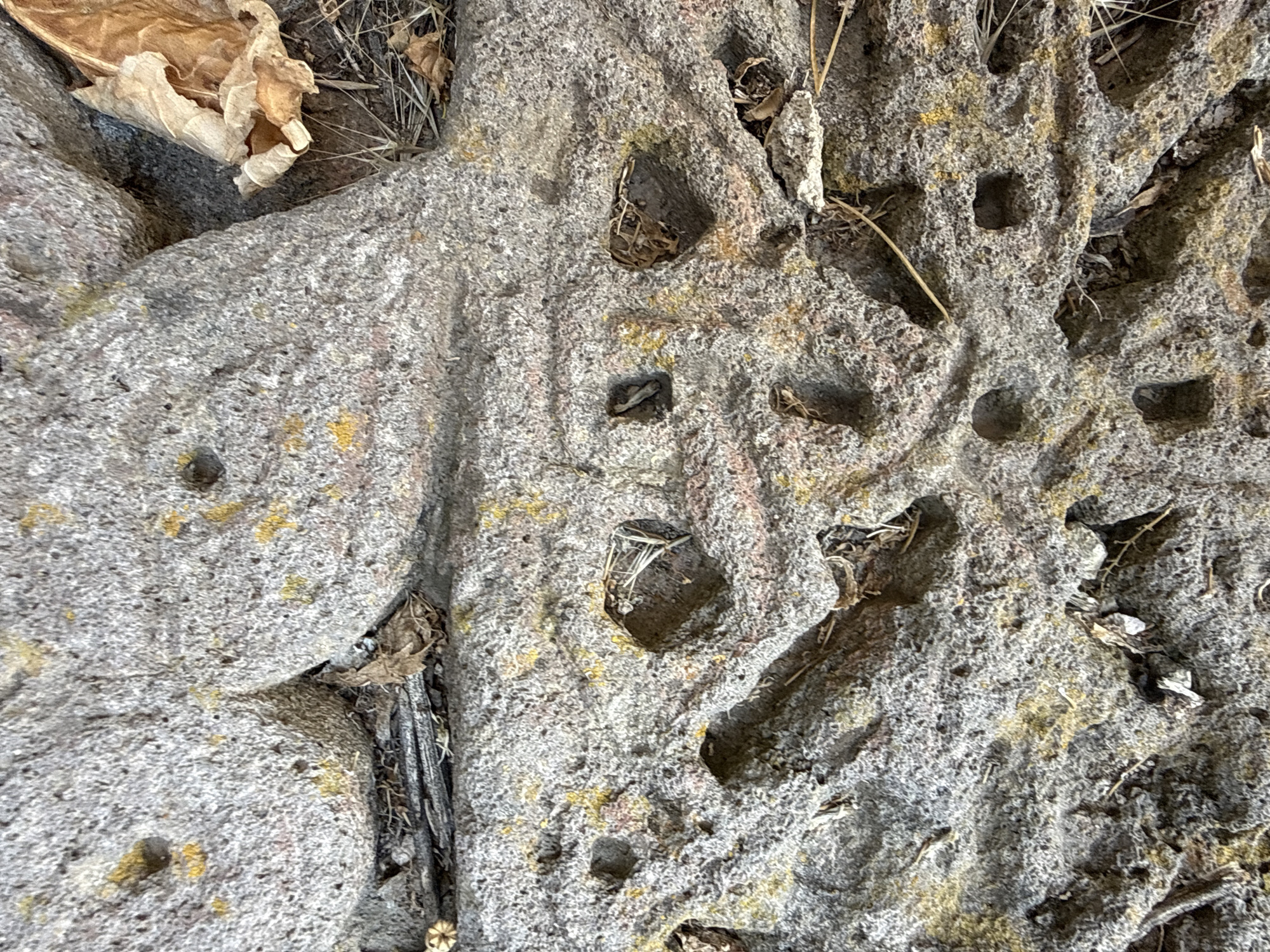
The image depicts a close-up view of weathered stone, likely part of an ancient structure or natural rock formation. The stone is rough and textured, with visible pores and imperfections. There are several indentations and holes scattered across the surface, some appearing natural while others may have been carved. Small pieces of dried leaves and twigs are lodged in some of the crevices. Patches of yellow and reddish-brown discoloration are present on the stone, possibly from lichen or mineral deposits. The lighting suggests an outdoor setting, casting shadows that highlight the unevenness of the surface. The image does not contain any people or discernible actions. The setting is described as the city of Goght, Armenia, implying this stone is located within that geographical area, potentially at a historical site or archaeological find.
Goght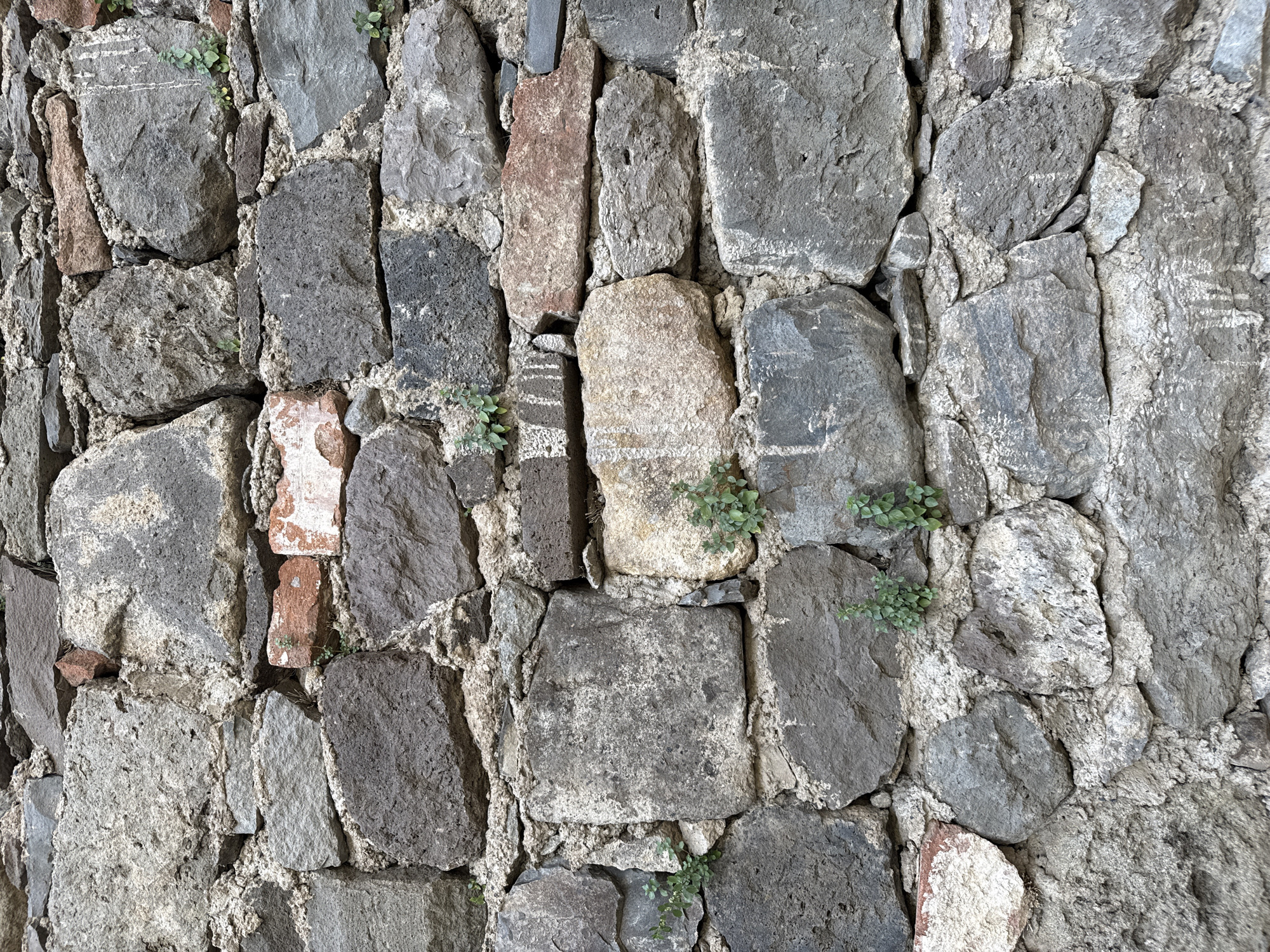
The image shows a close-up, eye-level, full-frame shot of a stone wall. The wall is constructed from irregularly shaped rocks of varying sizes and colors, primarily in shades of grey, brown, and some reddish-orange from embedded bricks. The stones are mortared together with a light-colored cement. Small green plants are growing in some of the crevices between the stones. The lighting is even, suggesting an overcast day or diffused sunlight. The overall texture is rough and weathered. This wall is located in the village of Goght, Armenia, near the Geghard Monastery.
Goght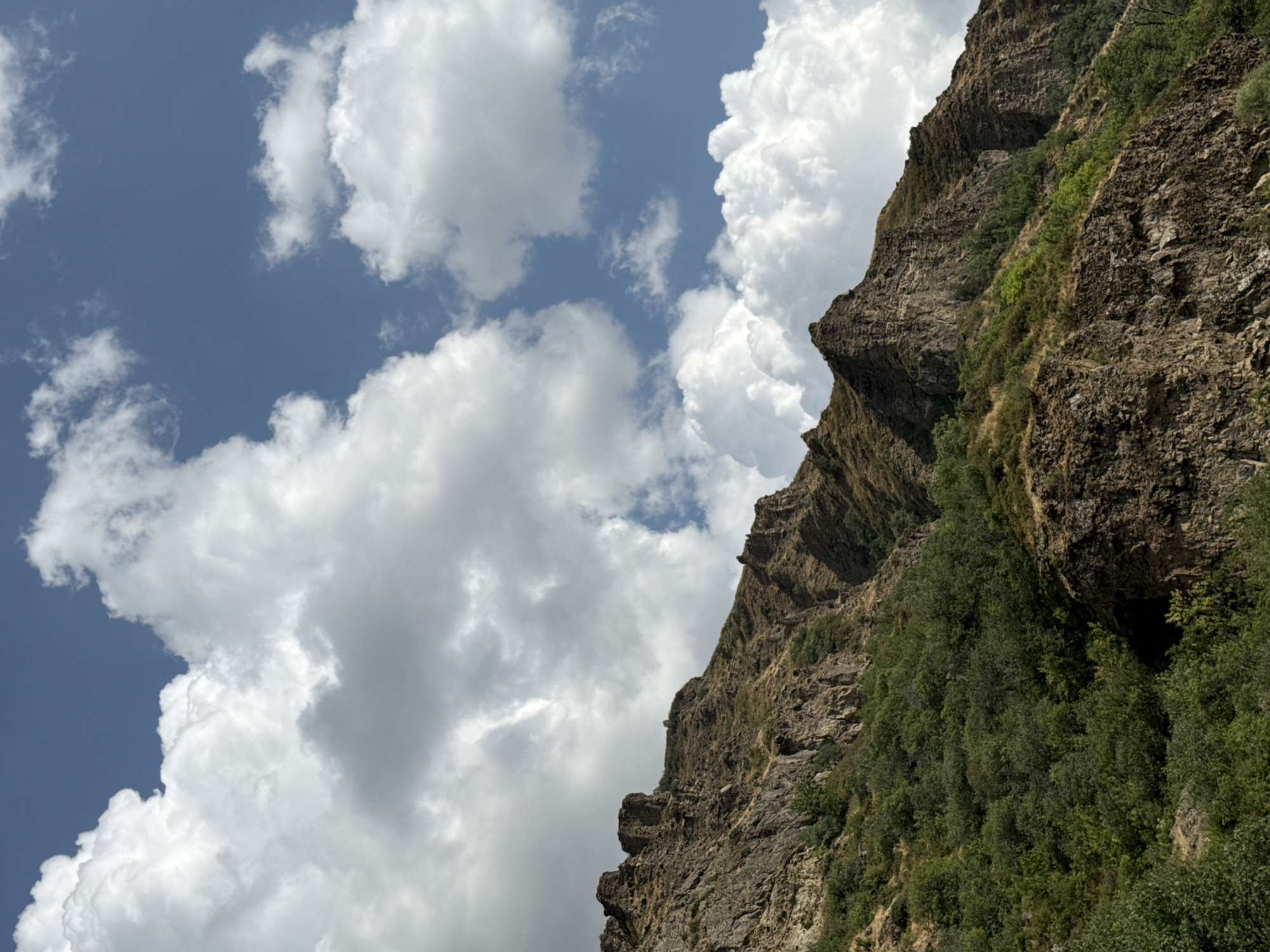
A low-angle, outdoor, natural light shot captures a steep, rocky mountainside in Goght, Armenia, under a bright blue sky dotted with fluffy white cumulus clouds. The mountain is covered in patches of green vegetation, primarily trees and shrubs, with areas of exposed brown rock and dry grass. The terrain appears rugged and uneven, with sharp peaks and dramatic inclines. The image composition focuses on the textures and colors of the natural landscape, emphasizing the interplay between rock, greenery, and the sky. No people or man-made objects are visible.
Goght
A person's left hand is pointing at a rock formation. The rock is large and rough, with cracks and patches of lichen. There is a carved rectangular indentation in the rock face. The person's arm is visible from the elbow down, wearing a gray shirt. The background is out of focus, but appears to be a building structure with scaffolding.
Goght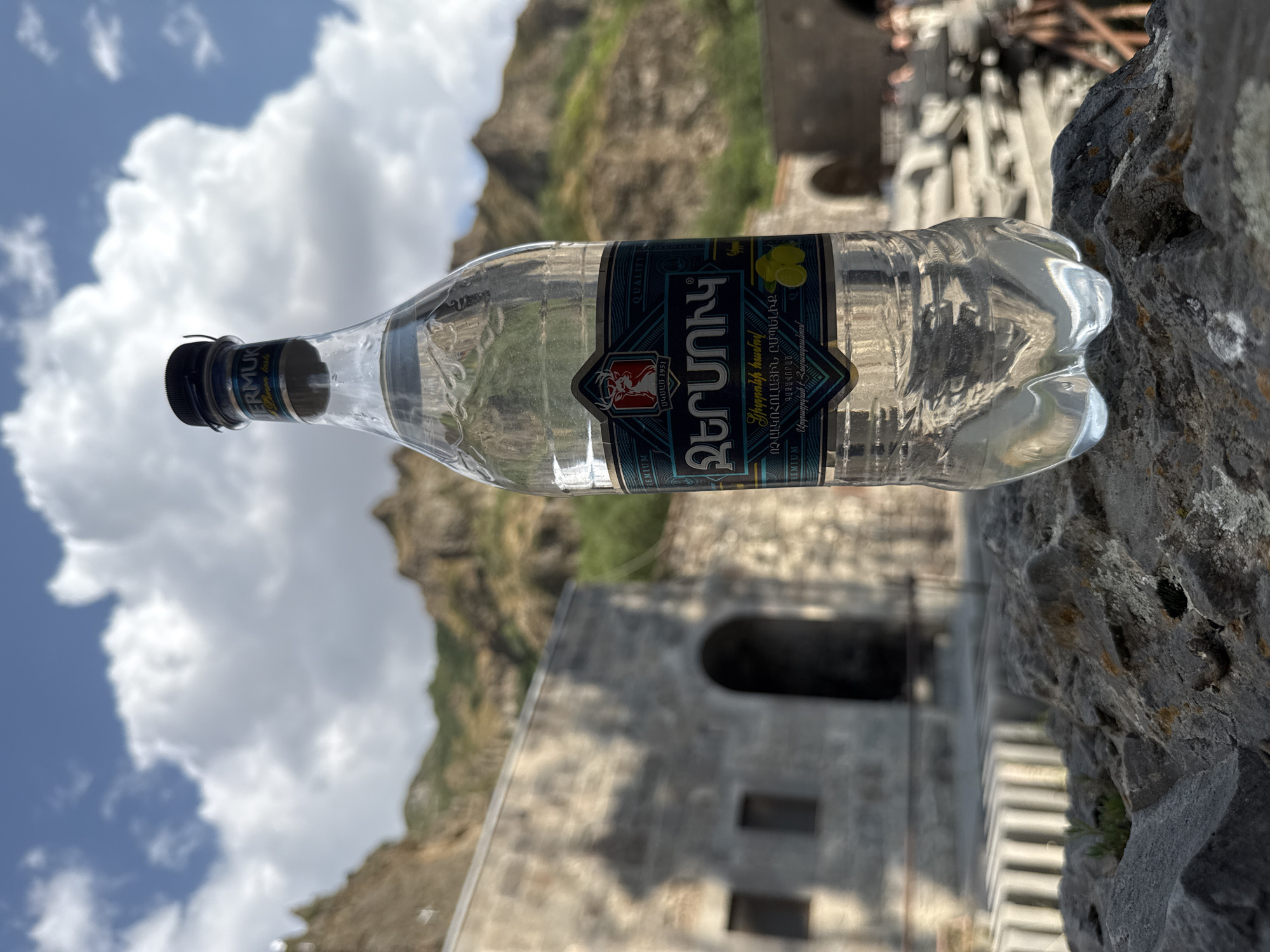
A clear plastic bottle of Jermuk brand mineral water stands on a rough, grey rock in the foreground. The bottle has a dark blue and teal label with Armenian script, a deer emblem, and an illustration of lemons. The background is out of focus and shows stone structures, hills, and a cloudy blue sky. The stone structures appear to be ancient or historical, possibly part of a monastery or ruin, and are situated in a mountainous landscape. The overall scene suggests an outdoor setting in a place with historical significance, possibly in Goght, Armenia, given the mention of Jermuk water, which is famously sourced from Jermuk city. There are no visible people in the immediate foreground, but blurry figures can be seen in the background.
Goght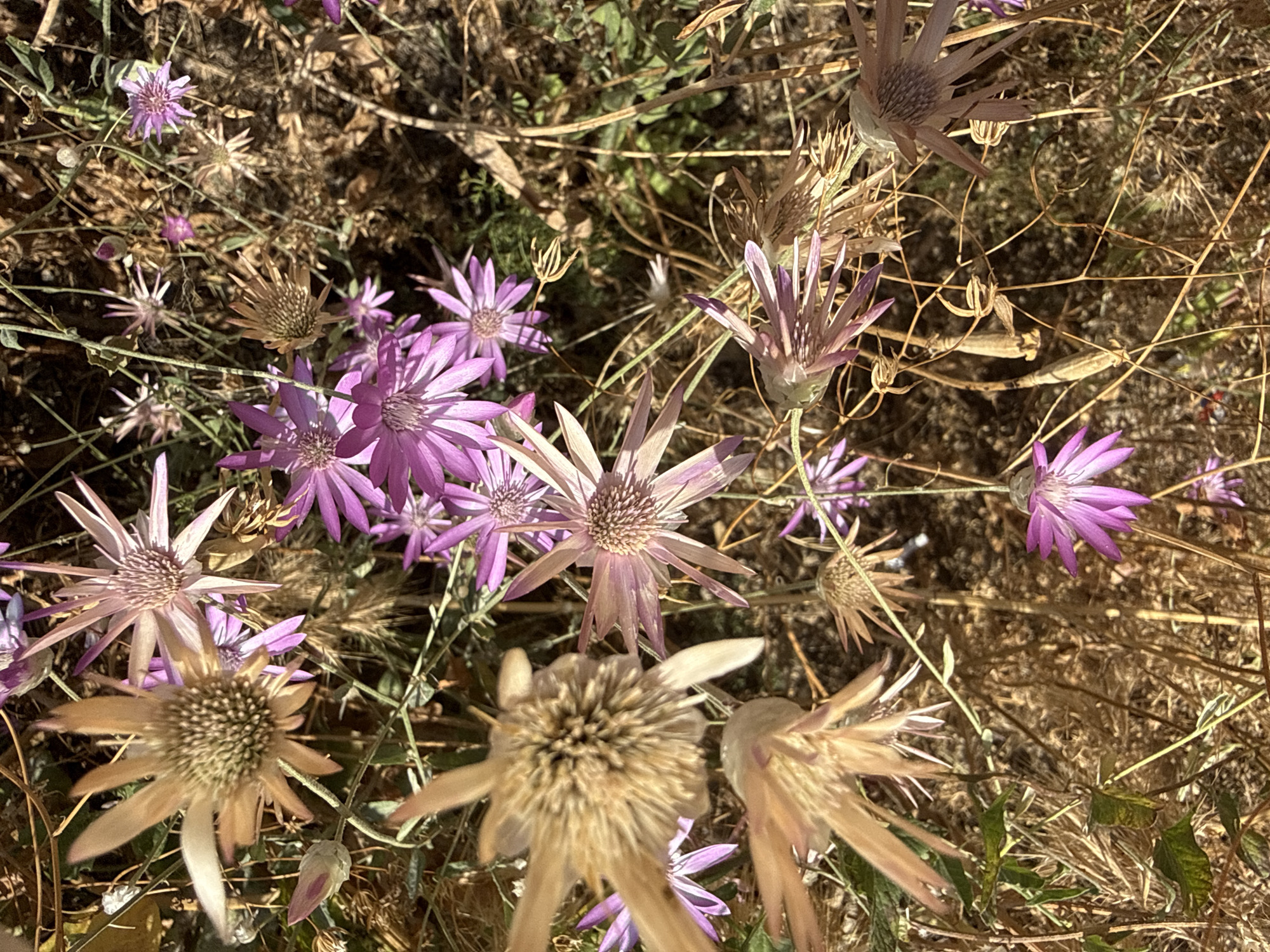
The image displays a close-up, overhead view of dried and fresh flowers, primarily in shades of purple and beige, interspersed with dry grass and green foliage. The flowers are star-shaped with delicate, pointed petals radiating from a central disc. Some flowers appear fully bloomed, while others are in various stages of drying or are seed heads. The background consists of dry earth, grass, and some blurred greenery, suggesting an outdoor, natural environment. The scene is lit by sunlight, casting shadows and highlighting the textures of the flowers and dried vegetation. There are no people visible in the image. The location is specified as the city of Goght, Armenia.
Goght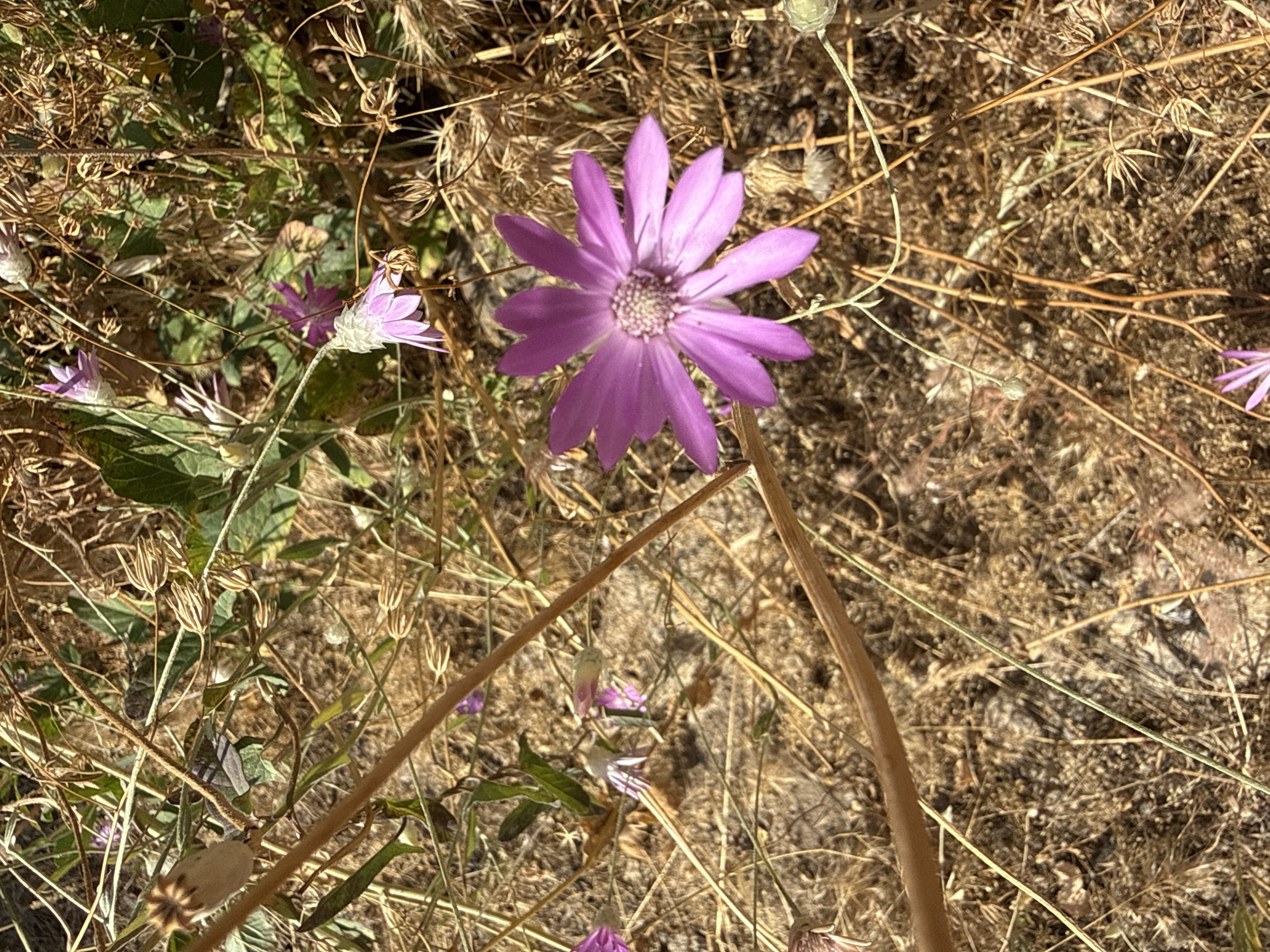
A close-up, high-angle shot captures a vibrant purple flower with star-shaped petals in the foreground. The flower is positioned slightly to the right of the frame's center, with its delicate petals unfurled. Surrounding the flower is a dry, earthy environment dominated by brown straw-like vegetation and thin, brown stems. Green leaves are visible interspersed within the dry foliage, adding touches of color to the otherwise muted background. The scene suggests a natural, outdoor setting, likely in a field or garden. The specific location is stated to be in the city of Garni, Armenia, which is known for its ancient temple and dramatic gorge.
Goght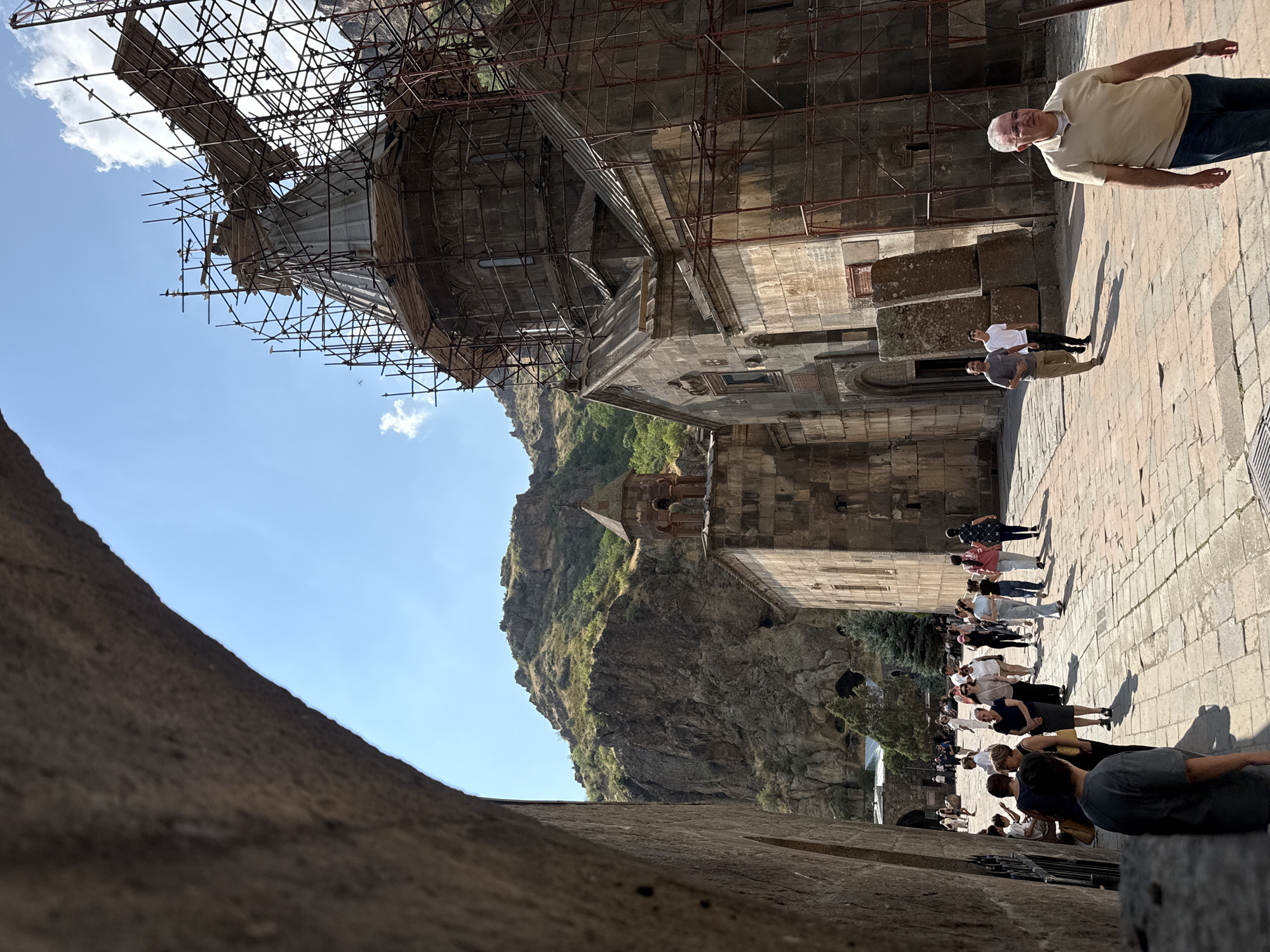
A group of tourists walk along a paved courtyard in front of ancient stone structures under a clear blue sky. In the foreground, a large arched stone structure frames the scene on the left, with the stone of its archway dominating the left side of the image. The courtyard is paved with rectangular stones. Dominating the right side of the image is a large, multi-story stone building, possibly a church, with a domed roof. Scaffolding surrounds a significant portion of this building, obscuring its details and indicating ongoing restoration or construction work. The building's facade is made of rough-hewn stones, and it features arched windows. A smaller, bell tower-like structure with a tiered roof stands to the left of the main building, also constructed of stone. In the background, a rugged, green mountain range rises steeply, with some trees and vegetation visible on its slopes. The mountains appear dry and rocky. Several people are visible in the courtyard, most of whom appear to be tourists. They are walking in various directions, some in groups, others individually. One man in the mid-ground on the right wears a tan polo shirt and blue jeans. A few people are seen walking towards the large building on the right, while others are moving towards the left of the frame. A man wearing a grey t-shirt is seen in the lower left foreground, partially obscured by shadow. The lighting suggests it is daytime, with strong sunlight casting shadows. The location is the Geghard Monastery in Goght, Armenia, a UNESCO World Heritage site known for its unique architecture carved into the mountainside.
Goght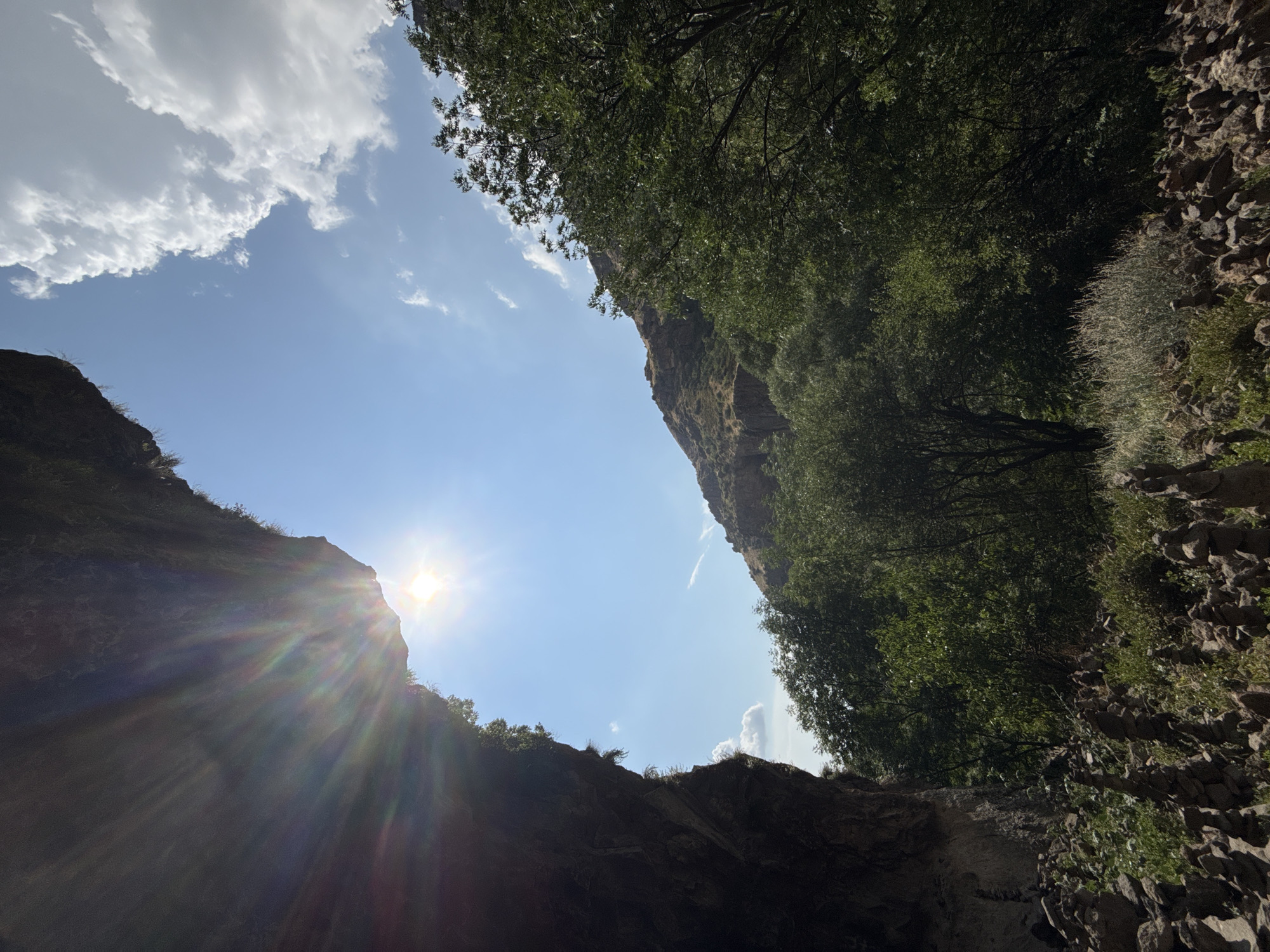
The image depicts a view from within a rock overhang or cave entrance, looking out towards a bright blue sky with scattered white clouds. The sun is prominently visible, creating a lens flare effect with visible light rays. On the left side of the frame, a dark, rocky overhang dominates the foreground, with some vegetation growing on its edge. Beyond the overhang, a steep, rocky hillside covered in sparse vegetation rises. The middle ground is filled with dense green trees, suggesting a forested area. In the lower foreground, directly beneath the overhang, there are numerous small cairns or stacks of stones. These are arranged in clusters and appear to be man-made. The scene is set in the natural environment of Goght, Armenia, specifically likely near the Geghard Monastery, which is known for its rock-cut architecture and the natural cave-like structures in the vicinity. The overall impression is one of a rugged, natural landscape bathed in sunlight. There are no people or animals visible in the image.
Goght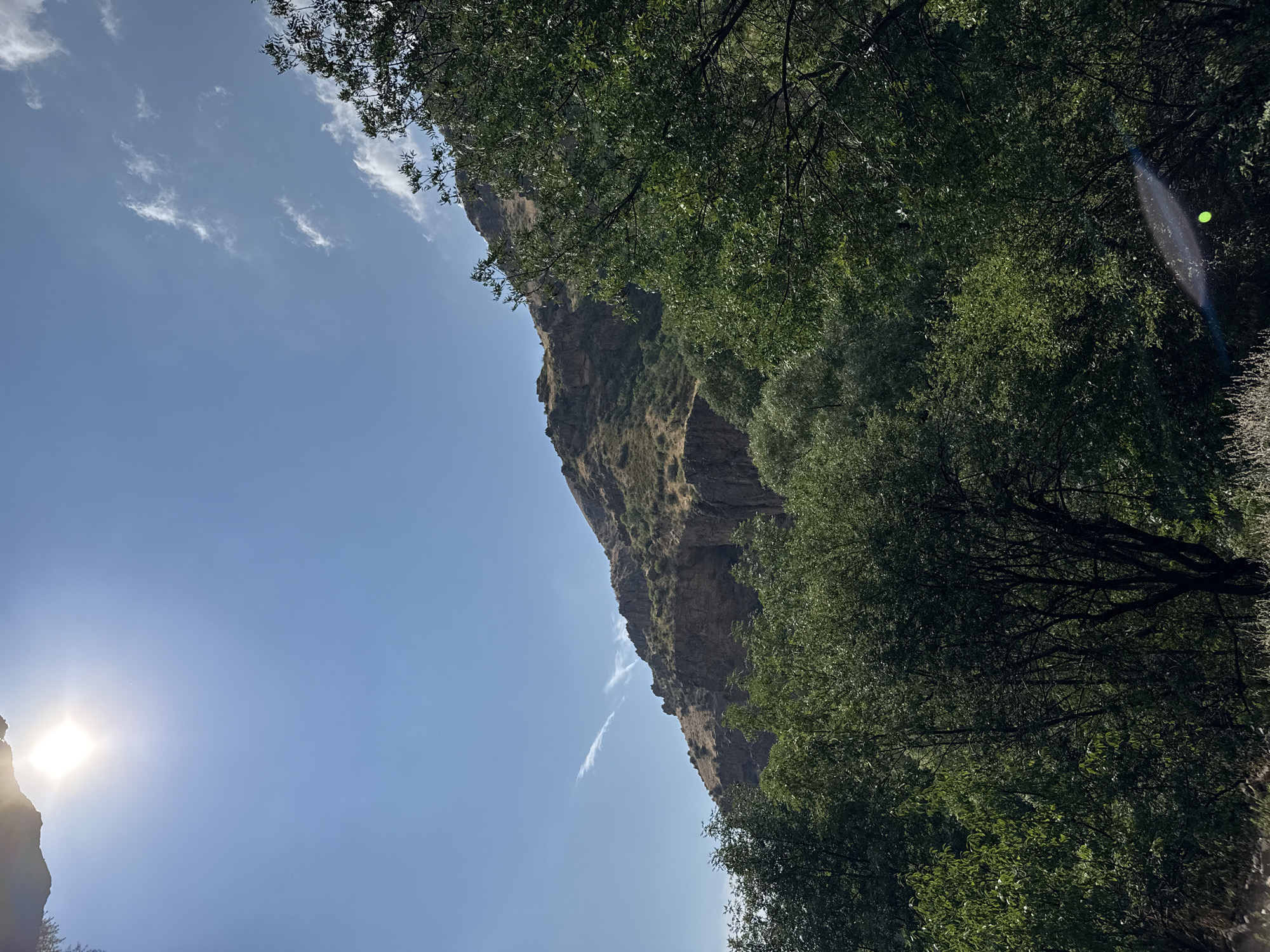
The image shows a scenic view of a mountainous area in Goght, Armenia. The foreground is dominated by lush green trees, with dense foliage. In the background, a rugged, rocky mountain slope rises against a clear blue sky. The sun is visible in the upper left corner, casting a bright glare. There are some scattered white clouds in the sky and a faint contrail. The overall impression is one of natural beauty and tranquility.
Goght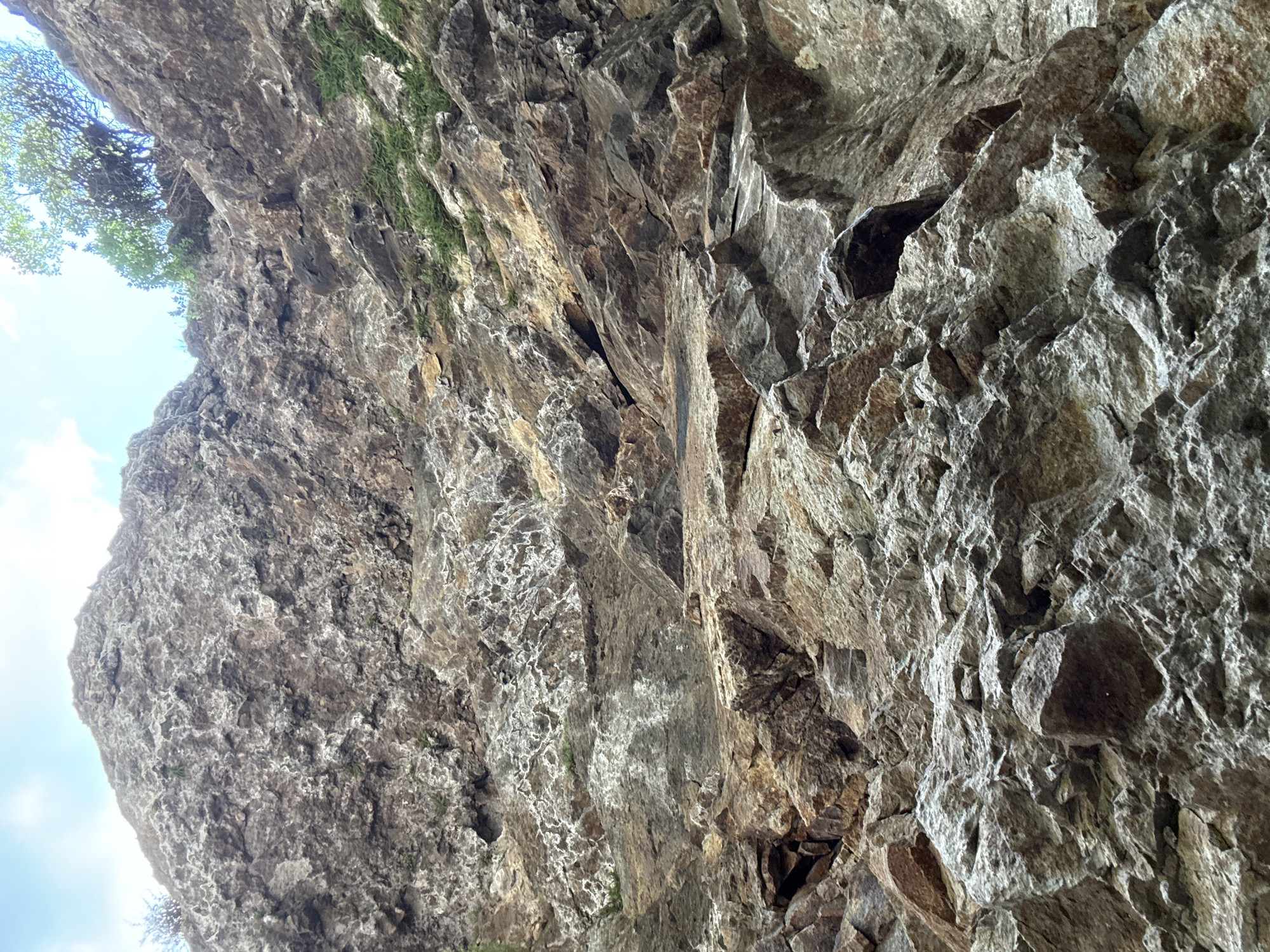
The image depicts a close-up, upward-looking view of a rough, textured rock face, likely a cliff or cave interior, in Goght, Armenia. The rock formations are varied in color, ranging from gray and brown to hints of reddish-brown, with some areas exhibiting white mineral deposits or lichen growth. Layers and fissures are clearly visible, indicating geological strata and erosion. Patches of green moss or small plants cling to some surfaces. At the bottom of the frame, a bright blue sky with scattered white clouds is visible, along with the branches and leaves of green trees, suggesting an outdoor environment. The perspective implies the viewer is positioned at the base of the rock formation, looking up. No people or specific structures are present.
Goght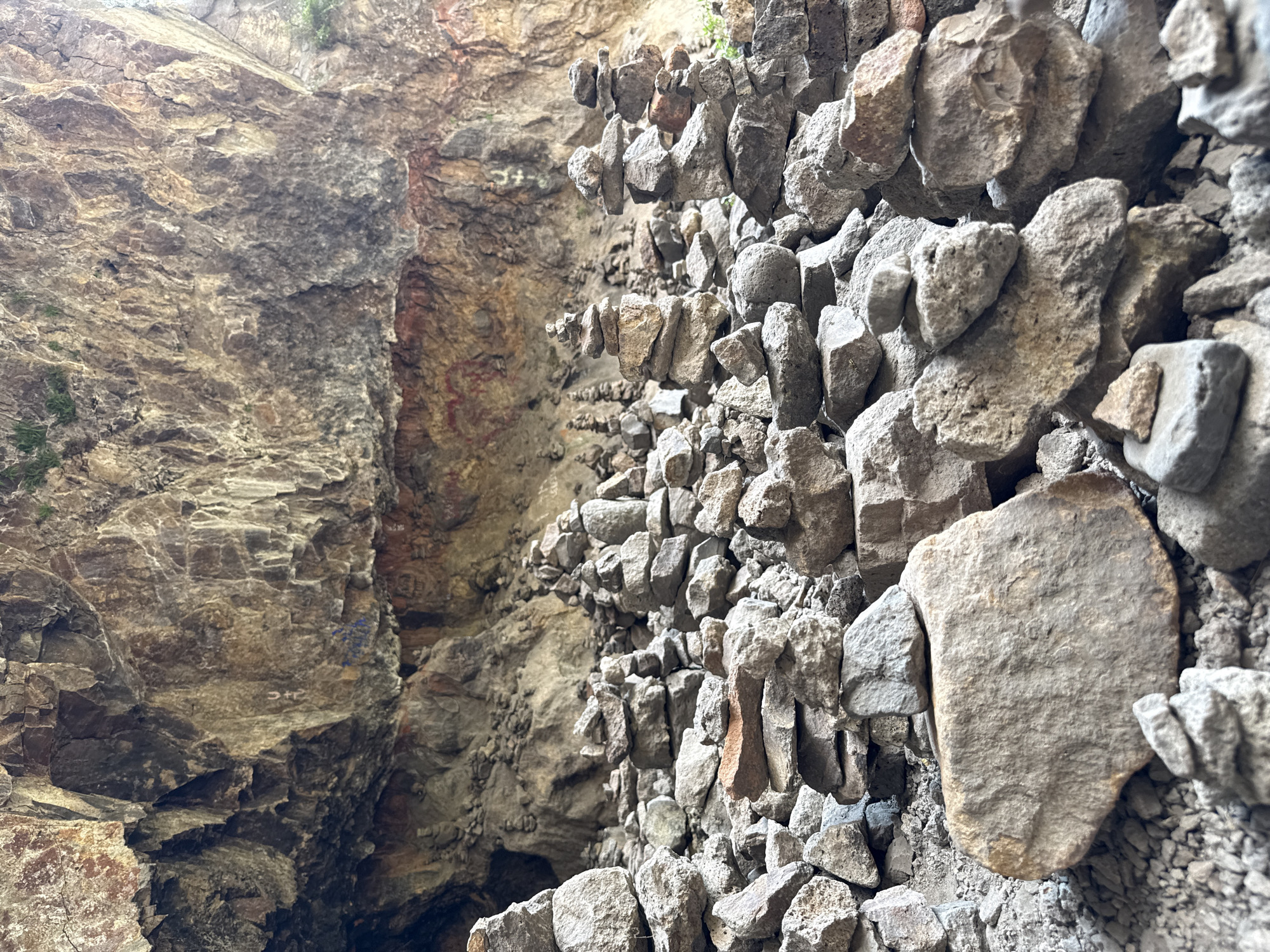
The image depicts a natural rock formation, likely a cave or overhang, in Goght, Armenia. The foreground is dominated by numerous stacked stones, forming cairns of varying heights and densities. These cairns are composed of rough, grey and brown stones of different sizes, with some larger, flatter stones forming bases. In the background, the rock face of the overhang displays a rough, textured surface with natural striations and coloration. Some faint markings, possibly graffiti, are visible on the rock face. The environment appears to be rocky and uneven, with smaller stones and gravel covering the ground. No people or animals are present in the scene.
Goght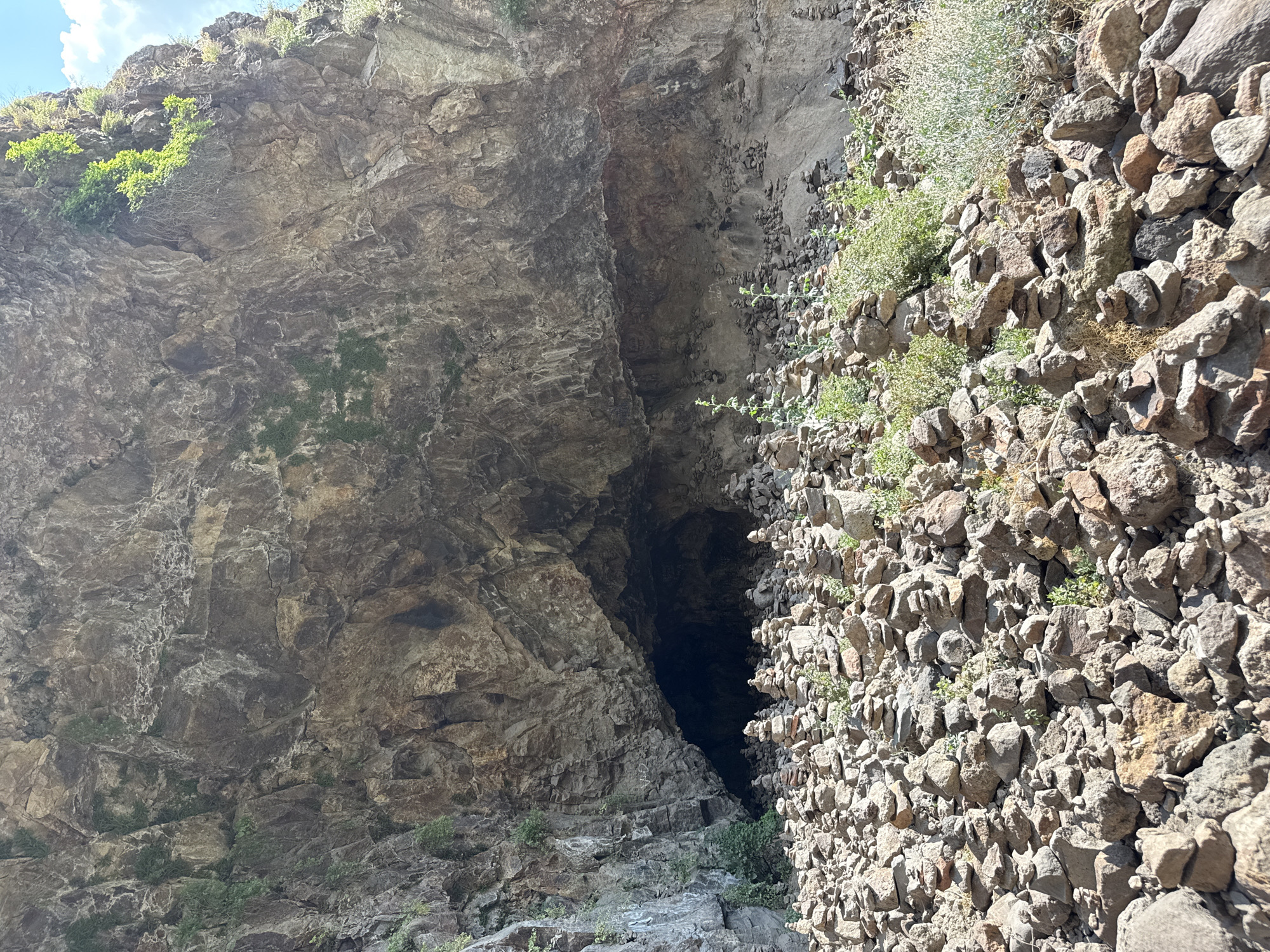
The image depicts a natural scene at the Devil's Bridge (Satan's Bridge) in Goght, Armenia, a geological formation characterized by a large cave-like overhang carved into a rocky cliff face. The foreground is densely populated with numerous stacked rock formations, known as cairns, varying in size and height, suggesting a place of human activity or tradition. Some of these cairns are quite tall, while others are smaller and more haphazardly arranged. Green vegetation, including grasses and bushes, grows sporadically amongst and behind the rock piles, indicating a natural, outdoor environment. The cliff face itself is rough and textured, with layers of rock and occasional patches of greenery clinging to its surface. The entrance to the cave is visible in the mid-ground, appearing dark and recessed into the cliff. The overall lighting suggests daylight, with shadows cast by the rocky overhang and the cairns. The sky is partially visible at the top right of the image, with scattered clouds. There are no people or animals directly visible in the scene.
Goght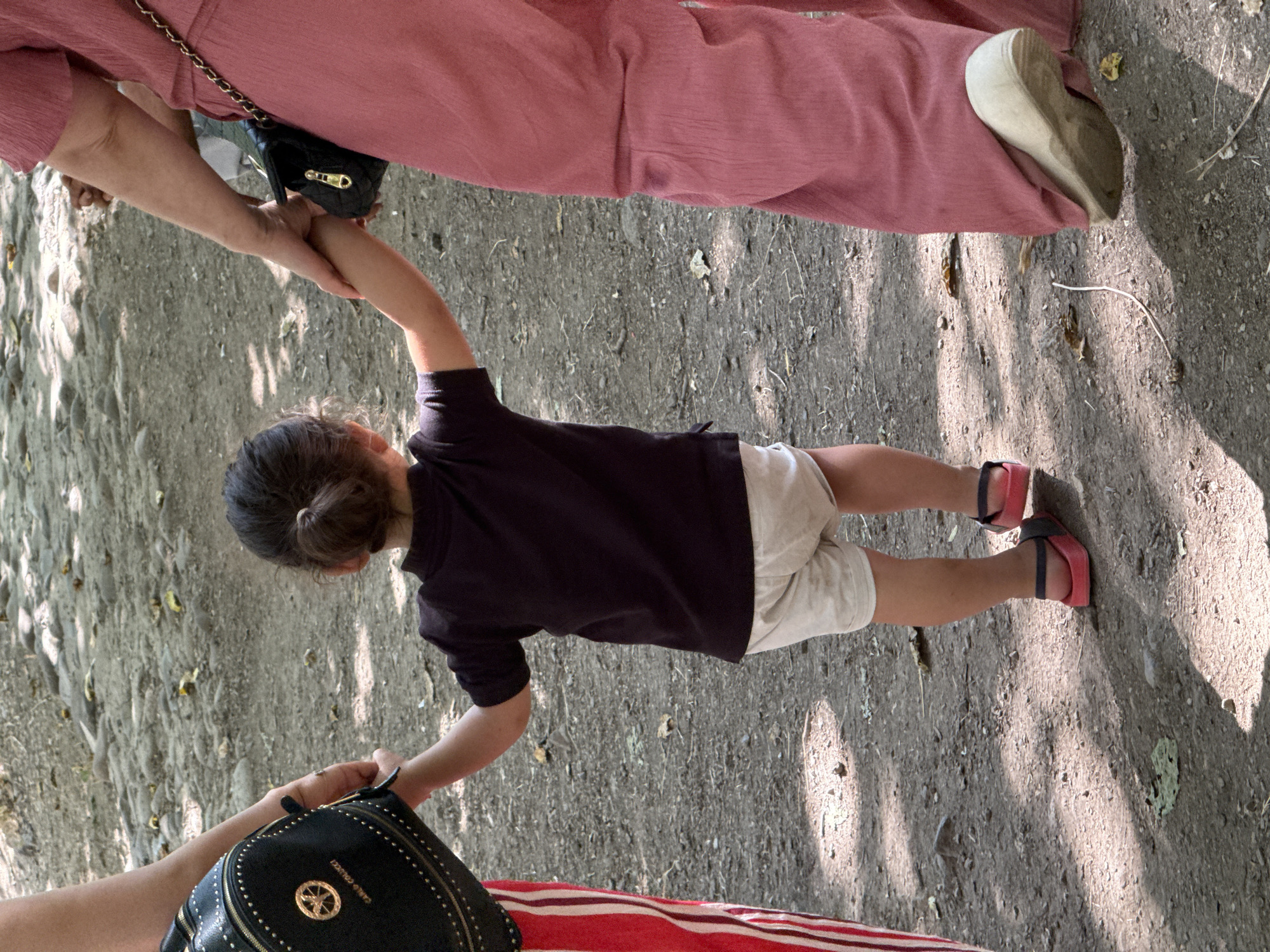
The image shows a rear view of a young child being led by two adults, one on each side, in an outdoor setting. The child, wearing a dark t-shirt and light-colored shorts, is holding hands with both adults. The adult on the left is wearing a black backpack with gold accents and red and white striped pants. The adult on the right is wearing a pink, flowing garment. The ground appears to be a dirt path with scattered leaves and stones, suggesting a natural or park-like environment. The lighting indicates a sunny day with dappled shadows. This scene could be taking place in a public park or walking trail.
Goght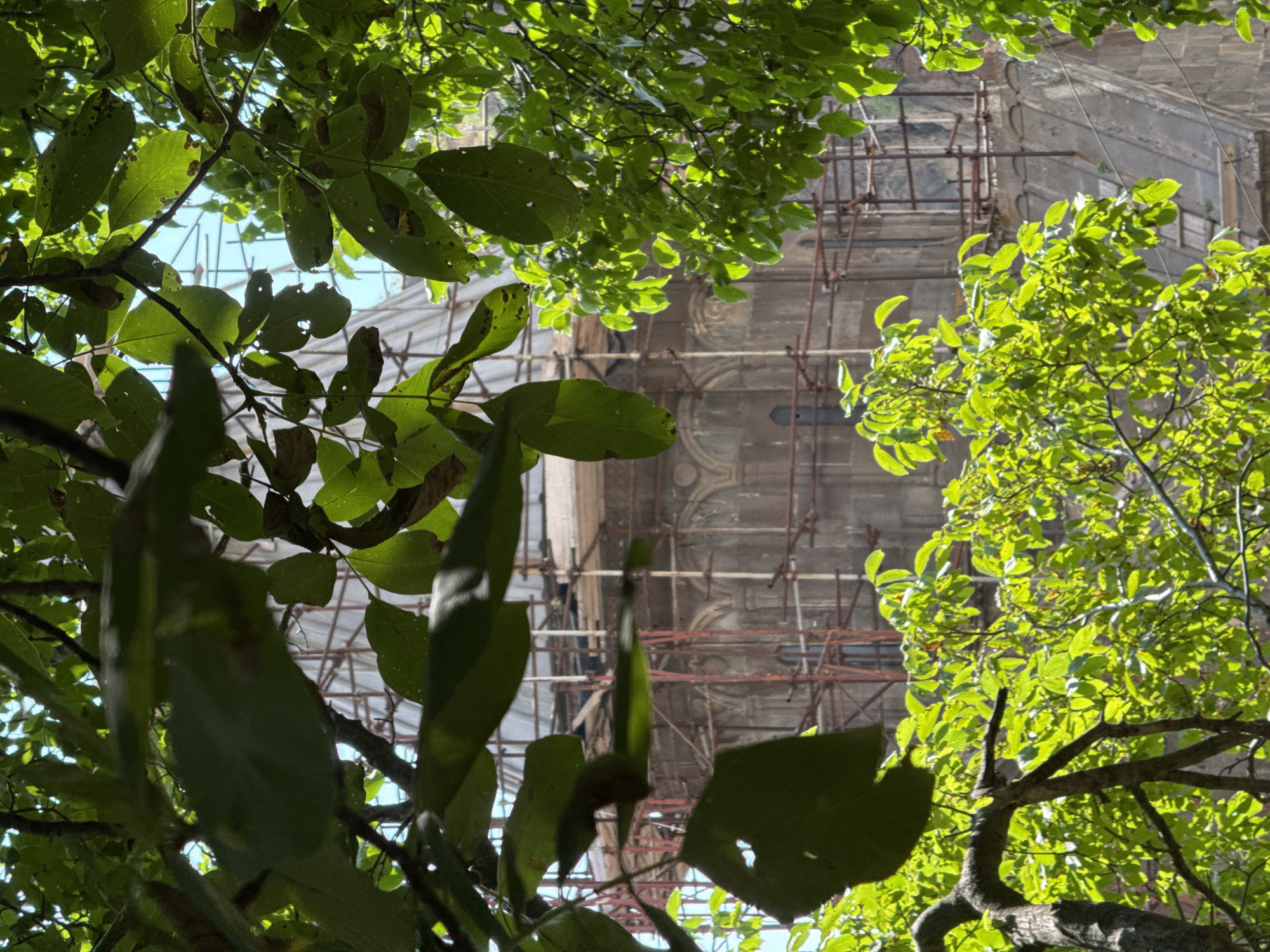
This photograph, taken in the city of Goght, Armenia, offers a view of a large, domed building undergoing construction or renovation. The building, which appears to be a church or religious structure, is partially obscured by the lush, green foliage of nearby trees. Scaffolding is erected around the structure, indicating ongoing work. The building itself is constructed of stone with arched windows and ornate architectural details. Sunlight filters through the leaves, creating dappled light and shadow across the scene. The sky is visible in the background, suggesting an outdoor setting. There are no people visible in the frame.
Goght
The image depicts a low-angle view looking up at a clear blue sky dotted with fluffy white clouds. Lush green trees frame the sky from the top left, bottom left, and bottom right corners. The foliage of the trees is dense and appears healthy, suggesting a natural or park-like setting. The light filtering through the leaves indicates it is daytime, likely a sunny afternoon. The overall impression is one of natural beauty and tranquility. Without further information or context, it is not possible to definitively determine the specific location within Goght, Armenia.
Goght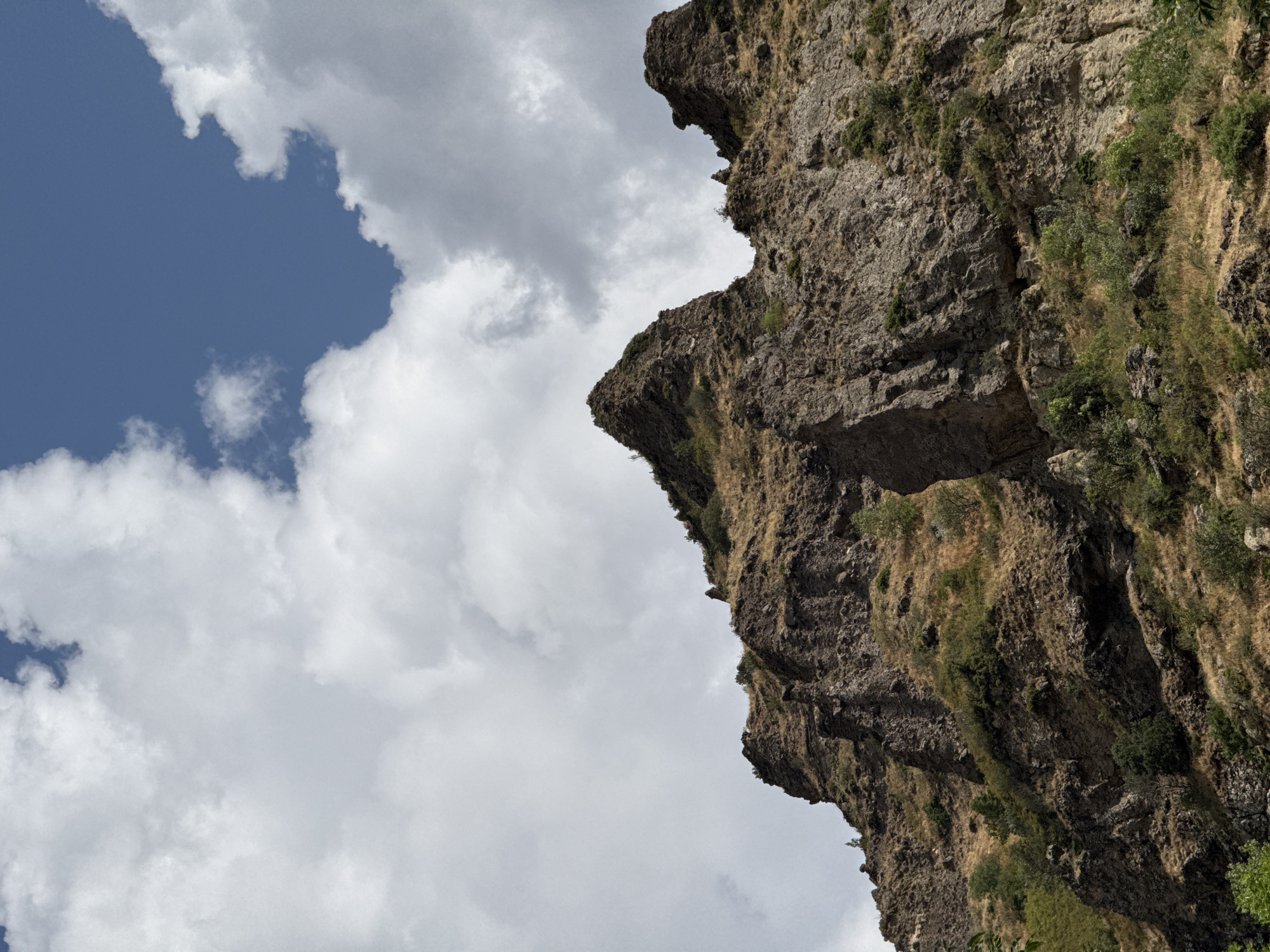
The image captures a dramatic view of rugged, rocky mountains under a sky filled with dramatic clouds. The mountains are steep and appear to be covered with dry vegetation, mostly grasses and some scattered bushes and trees, particularly in the lower portion of the frame. The rocks themselves are varied in color, ranging from dark browns and grays to lighter tan hues, and show signs of erosion and natural formation. The sky is a mix of bright blue patches peeking through large, fluffy white clouds, with some areas appearing overcast or shadowed. The perspective is looking upwards towards the peaks, emphasizing their imposing scale. The scene is set in the vicinity of the Geghard Monastery in Goght, Armenia, a location known for its stunning natural landscape carved by gorges and dramatic rock formations.
Goght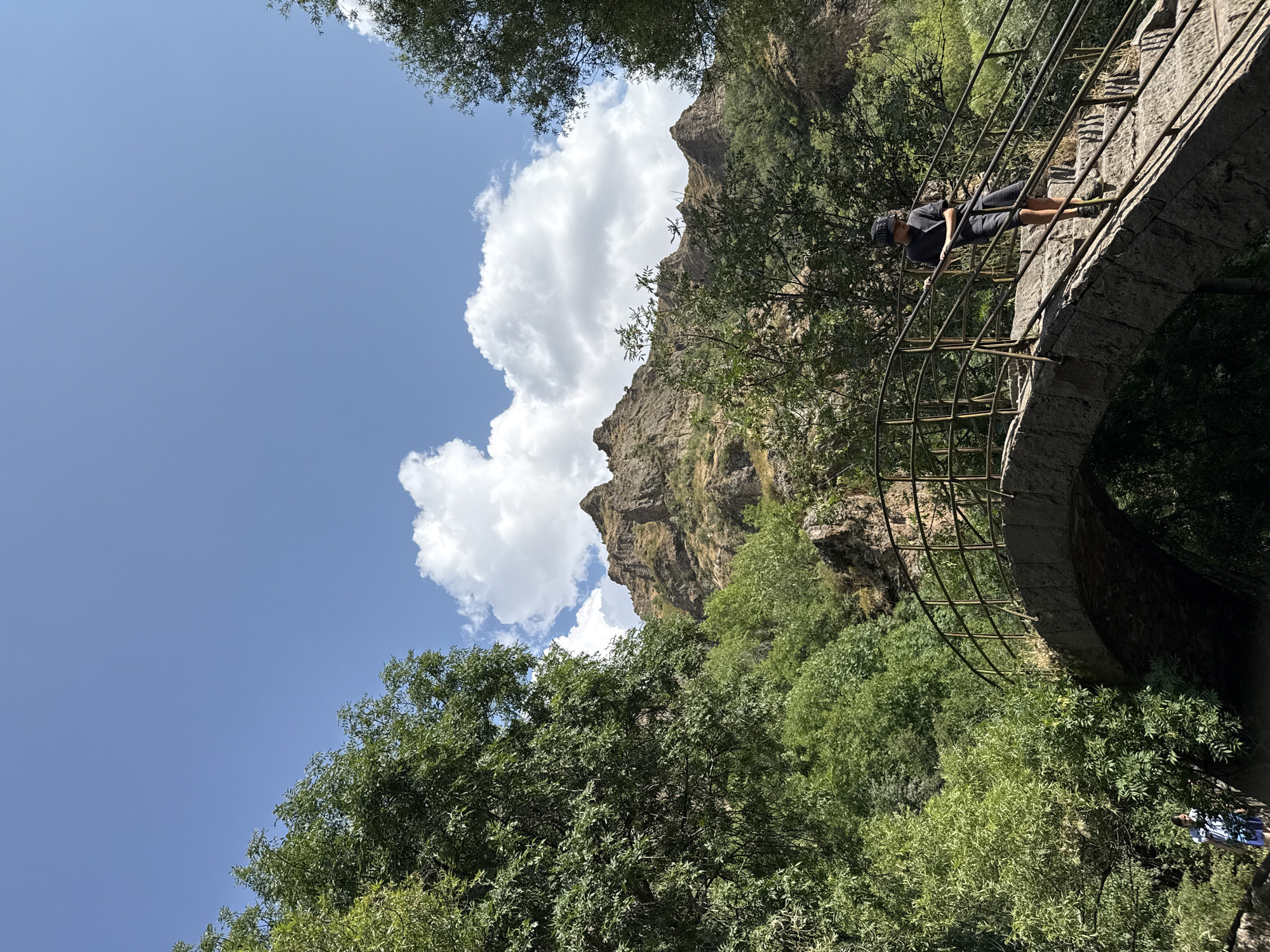
A person wearing a dark t-shirt and shorts, and a black baseball cap, walks down a stone bridge with metal railings in the city of Goght, Armenia. The bridge is arch-shaped and has weathered stone steps. Lush green trees surround the bridge, with a rocky, mountainous landscape visible in the background under a bright blue sky with fluffy white clouds. Another person in the distance, wearing a blue and white striped shirt and shorts, is partially visible near the base of the bridge.
Goght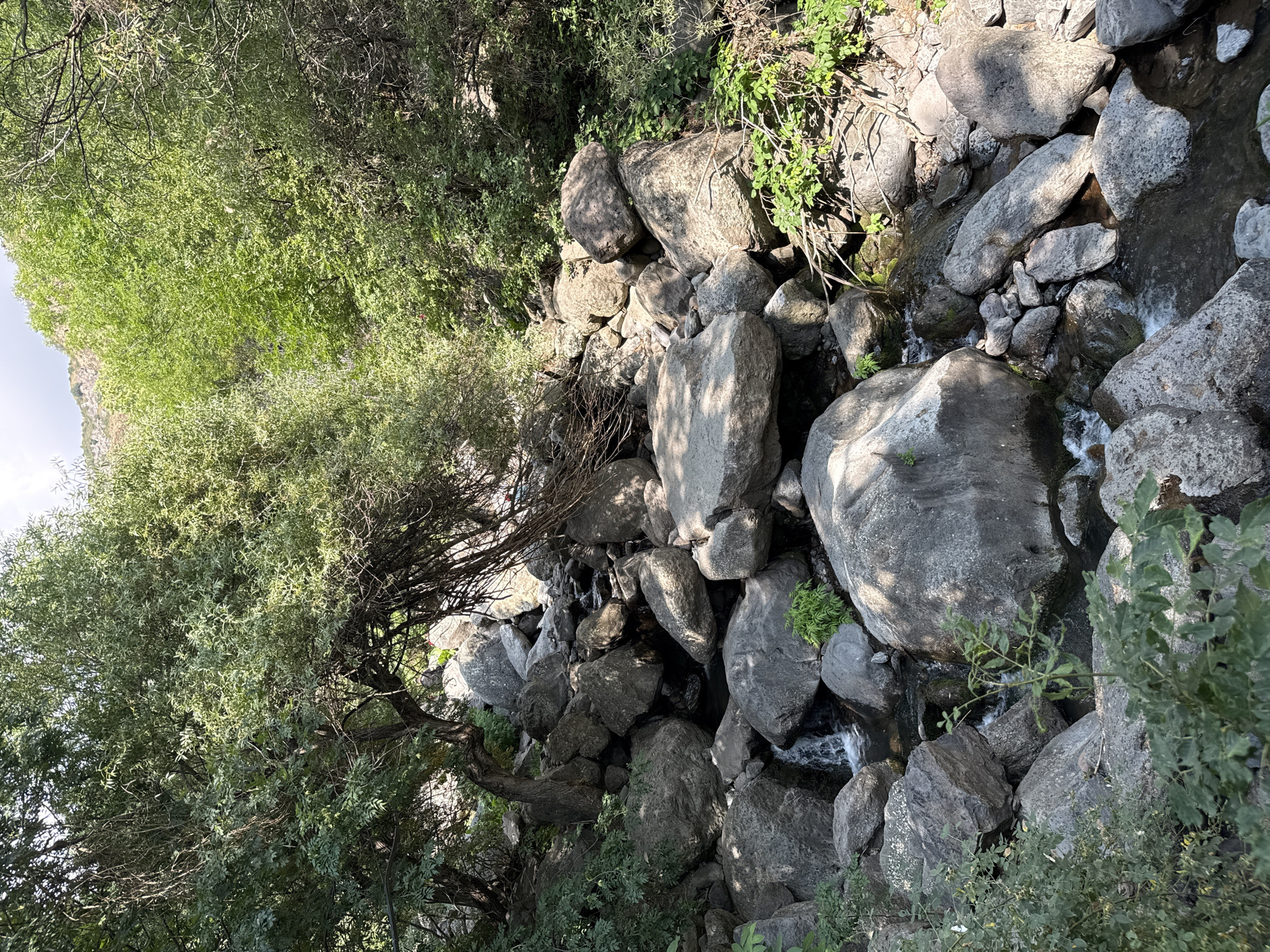
The image shows a natural, rocky stream flowing through a densely wooded area. Large, grey boulders of various sizes are scattered along the stream bed, with smaller rocks and pebbles filling the gaps. Water cascades over some of the rocks, creating small waterfalls and ripples. Lush green foliage, including trees and undergrowth, surrounds the stream and covers the surrounding slopes. The sunlight filters through the leaves, casting dappled shadows on the rocks and water. The scene appears to be a secluded, natural landscape, consistent with the descriptions of the gorge in Goght, Armenia, known for its natural beauty and rocky terrain. There are no people or man-made structures visible in the image.
Goght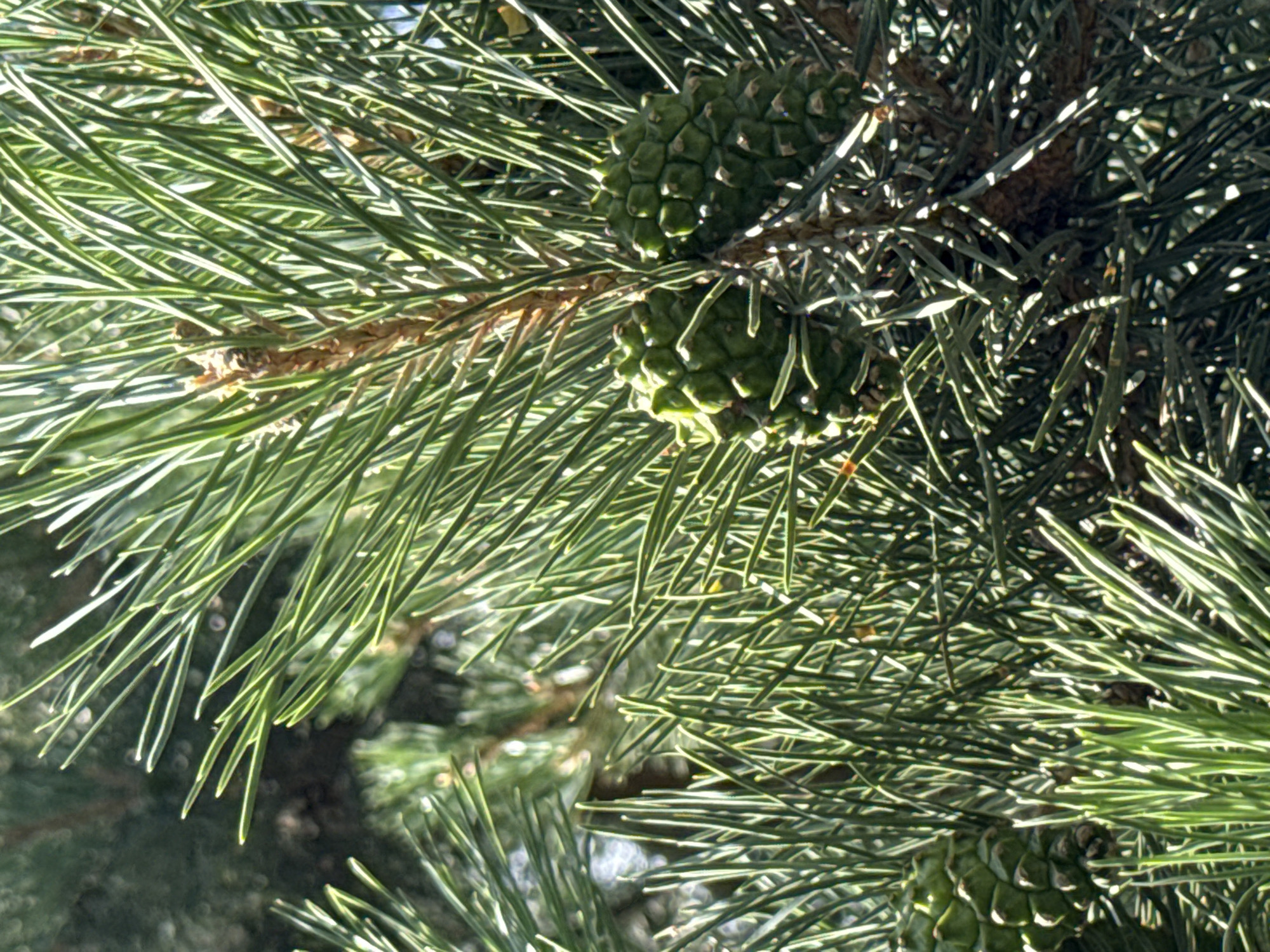
The image shows a close-up of a pine tree branch with several green pine cones. The needles are long and thin, and they are a vibrant green color. The pine cones are clustered together on the branch. The background is blurred, but it appears to be more of the pine tree, with some sunlight filtering through the needles. The image was taken in the city of Goght, Armenia.
Goght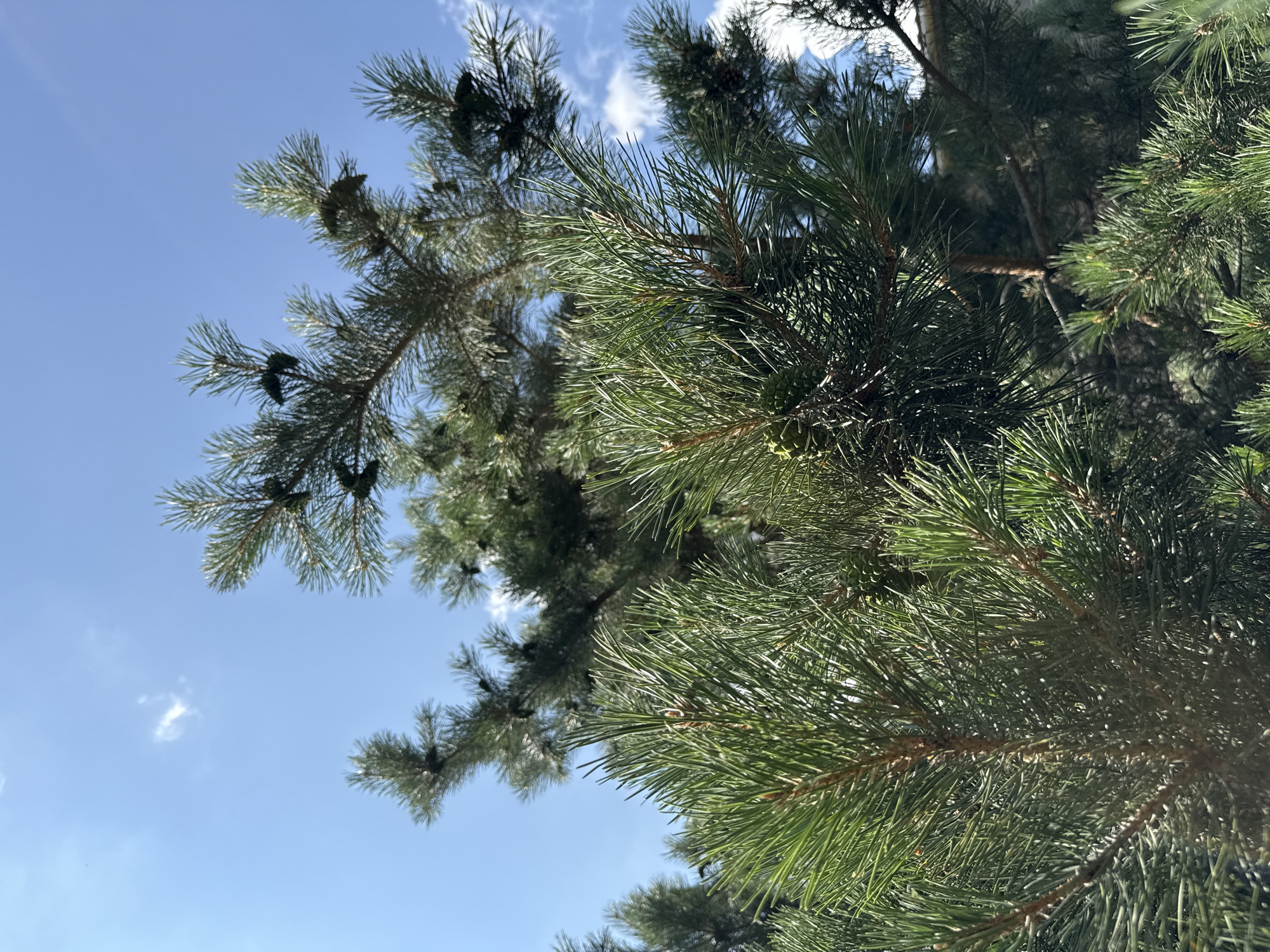
In Goght, Armenia, under a bright blue sky with scattered white clouds, the branches of a pine tree are visible. The pine needles are a vibrant green, and several small, dark green pine cones are scattered among the branches. The image is taken from a low angle, looking up at the tree against the sky. In the background, a blurred light-colored structure, likely a building, can be seen through the pine branches. The overall scene is one of nature within an urban or semi-urban setting.
Goght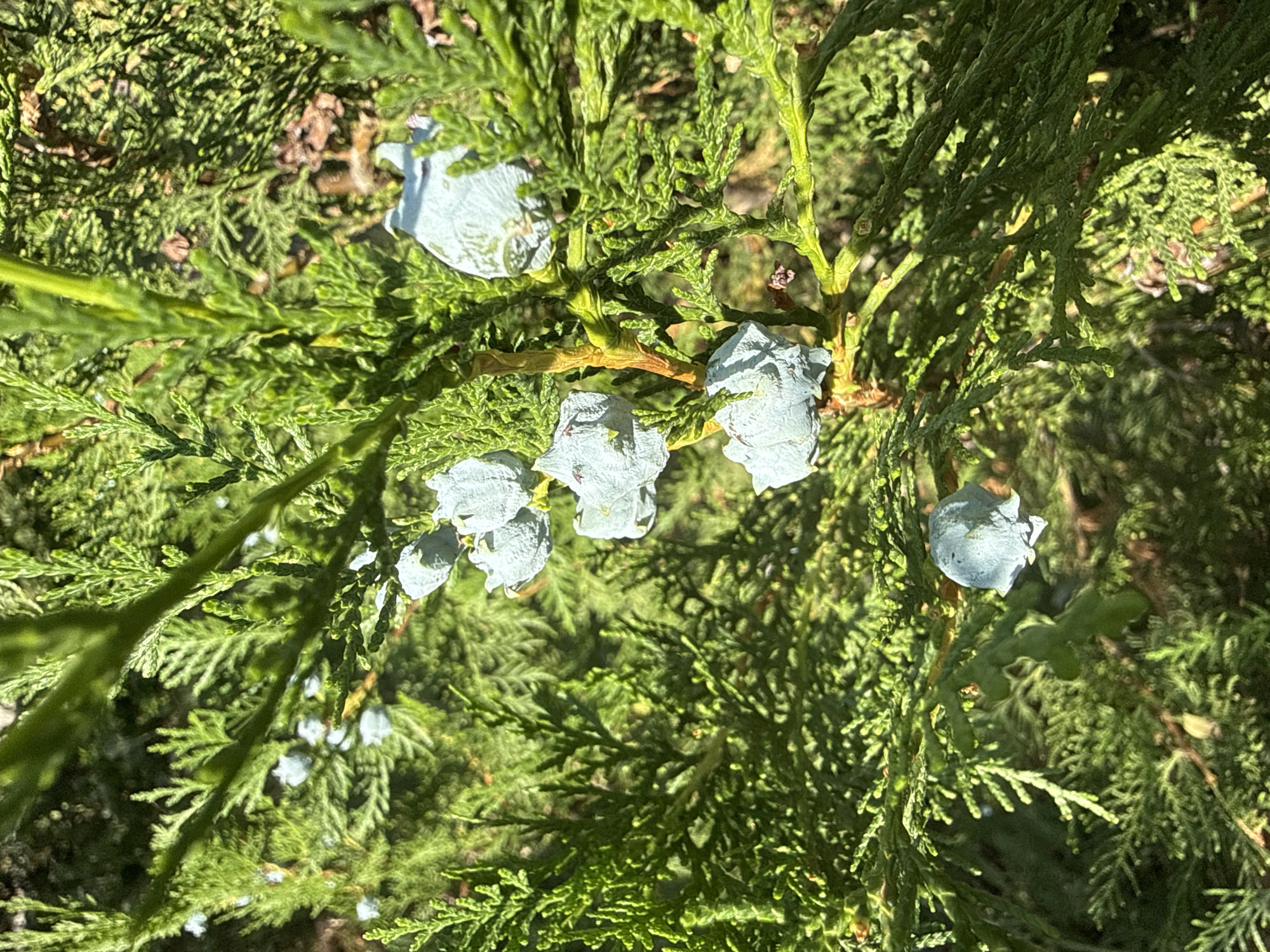
The image shows a close-up view of a coniferous evergreen shrub, likely a cypress or juniper, with its characteristic scale-like leaves and small, bluish-green cones. The shrub is densely branched, and the foliage is a vibrant green, dappled with sunlight, suggesting it is outdoors in a well-lit environment. Some of the cones appear to be mature and have a slightly woody texture. The background consists of more foliage from the same or similar plants, creating a layered effect. There are no people or animals visible in the image. The scene appears to be a natural or garden setting. The specific location in the city of Goth, Armenia, is not determinable from the visual information provided.
Goght