CM:

ATTN

Get the app

Hainburg an der Donau, Austria

30 memories from Hainburg an der Donau, Austria
The image is entirely black, containing no discernible visual information. There are no visible subjects, objects, or a clear scene or setting. Consequently, no activity or event can be identified. There are no notable details such as time of day, weather conditions, specific location cues, or emotions. No text is visible within the image.

The image is entirely black, containing no discernible visual information. There are no visible subjects, objects, or a clear scene or setting. Consequently, no activity or event can be identified. There are no notable details such as time of day, weather conditions, specific location cues, or emotions. No text is visible within the image.

Hainburg an der Donau
A close-up, eye-level portrait shows a young woman looking directly at the camera. Her head is tilted slightly to the right, and her dark hair is wrapped in a light brown, textured terrycloth towel, suggesting she may have just showered or is preparing for a skincare routine. She has fair skin, prominent dark eyebrows, and striking green or hazel eyes with visible eyelashes, possibly enhanced with mascara. Her lips are naturally pink and full. A delicate gold-colored chain necklace rests on her collarbone and shoulder.

The background, largely out of focus, reveals a tiled wall, likely in a bathroom. The tiles are light-colored, possibly white or light grey, with visible grout lines. On the upper left, a reflective metal bar or frame (possibly part of a shower enclosure) is visible. In the upper right corner, several blurred bottles or containers are visible on a shelf. The lighting is soft and even, illuminating her face clearly. The woman's expression is neutral and calm. There is no visible text in the image.

A close-up, eye-level portrait shows a young woman looking directly at the camera. Her head is tilted slightly to the right, and her dark hair is wrapped in a light brown, textured terrycloth towel, suggesting she may have just showered or is preparing for a skincare routine. She has fair skin, prominent dark eyebrows, and striking green or hazel eyes with visible eyelashes, possibly enhanced with mascara. Her lips are naturally pink and full. A delicate gold-colored chain necklace rests on her collarbone and shoulder. The background, largely out of focus, reveals a tiled wall, likely in a bathroom. The tiles are light-colored, possibly white or light grey, with visible grout lines. On the upper left, a reflective metal bar or frame (possibly part of a shower enclosure) is visible. In the upper right corner, several blurred bottles or containers are visible on a shelf. The lighting is soft and even, illuminating her face clearly. The woman's expression is neutral and calm. There is no visible text in the image.

Hainburg an der Donau
This upward-angled image captures a moment of a person enjoying a snack in an outdoor setting, under a clear blue sky. The photo is tilted, giving an unconventional perspective.

The primary subject is a piece of bright orange, glistening smoked salmon held by a wooden skewer or chopstick, positioned prominently in the foreground. Accompanying the salmon is a thin, translucent white ring, possibly an onion ring, which arcs near the person's face. A hand with neatly manicured nails, painted in a muted plum shade, holds the skewer. The person's face is partially visible behind the food, showing their chin, mouth, and one ear, framed by dark hair. They are wearing a brown or dark beige coat or jacket.

The background features a vast expanse of clear blue sky, indicating a bright and sunny daytime. Above and behind the individual, ornate and colorful architectural details are visible. These structures display intricate patterns in red, green, and golden hues, strongly reminiscent of traditional East Asian temple or palace architecture, such as decorative eaves and roof elements. Below these elaborate structures, glimpses of red and green striped elements suggest further decorative features or perhaps market stalls.

The activity taking place is the casual enjoyment of street food or a snack. The setting, located in Hainburg an der Donau, Austria, combines a natural outdoor environment with distinctive, culturally specific architecture. No text is visible in the image.

This upward-angled image captures a moment of a person enjoying a snack in an outdoor setting, under a clear blue sky. The photo is tilted, giving an unconventional perspective. The primary subject is a piece of bright orange, glistening smoked salmon held by a wooden skewer or chopstick, positioned prominently in the foreground. Accompanying the salmon is a thin, translucent white ring, possibly an onion ring, which arcs near the person's face. A hand with neatly manicured nails, painted in a muted plum shade, holds the skewer. The person's face is partially visible behind the food, showing their chin, mouth, and one ear, framed by dark hair. They are wearing a brown or dark beige coat or jacket. The background features a vast expanse of clear blue sky, indicating a bright and sunny daytime. Above and behind the individual, ornate and colorful architectural details are visible. These structures display intricate patterns in red, green, and golden hues, strongly reminiscent of traditional East Asian temple or palace architecture, such as decorative eaves and roof elements. Below these elaborate structures, glimpses of red and green striped elements suggest further decorative features or perhaps market stalls. The activity taking place is the casual enjoyment of street food or a snack. The setting, located in Hainburg an der Donau, Austria, combines a natural outdoor environment with distinctive, culturally specific architecture. No text is visible in the image.

Hainburg an der Donau
A young woman with dark hair pulled back is captured in a close-up, outdoors on a sunny day. She is wearing a brown trench coat over a white t-shirt and a delicate gold necklace. In her right hand, she holds a pair of wooden chopsticks, lifting a portion of green, leafy food (likely seaweed salad) towards her mouth.

The video shows her in two main actions: initially, she looks forward with the food poised, and then she tilts her head back to put the food into her mouth. Her expression is focused as she eats.

The background features a clear, bright blue sky. Behind her, parts of an ornate structure with a green tiered roof and red decorative elements, resembling a pagoda or temple-like building, are visible. This architectural style suggests an East Asian-themed setting. The bright sunlight indicates it is daytime, likely mid-day, with no clouds in sight. The overall impression is one of enjoying a meal outdoors in a pleasant, culturally inspired environment, possibly in Hainburg an der Donau, Austria, as per the provided location context.

A young woman with dark hair pulled back is captured in a close-up, outdoors on a sunny day. She is wearing a brown trench coat over a white t-shirt and a delicate gold necklace. In her right hand, she holds a pair of wooden chopsticks, lifting a portion of green, leafy food (likely seaweed salad) towards her mouth. The video shows her in two main actions: initially, she looks forward with the food poised, and then she tilts her head back to put the food into her mouth. Her expression is focused as she eats. The background features a clear, bright blue sky. Behind her, parts of an ornate structure with a green tiered roof and red decorative elements, resembling a pagoda or temple-like building, are visible. This architectural style suggests an East Asian-themed setting. The bright sunlight indicates it is daytime, likely mid-day, with no clouds in sight. The overall impression is one of enjoying a meal outdoors in a pleasant, culturally inspired environment, possibly in Hainburg an der Donau, Austria, as per the provided location context.

Hainburg an der Donau
Here is a description of the video.

The video shows a person using chopsticks to pick up a piece of sushi from a black platter. The platter contains various types of sushi, including maki rolls, nigiri with salmon and white fish, California rolls with avocado and salmon, wasabi, and shredded radish. In the background, there is a plate of seaweed salad and an ashtray on a table. The person appears to be outdoors, as the background shows a patio setting.

Here is a description of the video. The video shows a person using chopsticks to pick up a piece of sushi from a black platter. The platter contains various types of sushi, including maki rolls, nigiri with salmon and white fish, California rolls with avocado and salmon, wasabi, and shredded radish. In the background, there is a plate of seaweed salad and an ashtray on a table. The person appears to be outdoors, as the background shows a patio setting.

Hainburg an der Donau
A visually appealing platter of assorted sushi and sashimi is the central focus of this image, presented on a large, round, black serving tray with a distinctive red rim. The tray rests on a dark, possibly wooden, table adorned with intricate, carved or embossed geometric patterns that suggest an Asian-inspired design.

The platter showcases a variety of Japanese delicacies. There are numerous pieces of nigiri, including vibrant orange salmon, deep red tuna, and pale white fish, each served on a bed of rice. Several types of maki rolls are present: smaller rolls containing salmon and cucumber, and larger inside-out rolls (uramaki) filled with avocado and crab stick, some featuring a topping of salmon. Many of these larger rolls are cut in half, revealing their fresh ingredients.

Traditional Japanese condiments are also included: a mound of pink pickled ginger (gari) is placed on the top left of the tray, and a dollop of green wasabi paste sits at the bottom right. A decorative element features thinly sliced salmon sashimi artfully arranged into a rose shape, presented on a bed of shredded white cabbage and a green lettuce leaf.

Beyond the platter, the top left corner of the image shows a black object, possibly a glasses case, with a discernible "Ray-Ban" logo. In the bottom right, a clear glass partially filled with a golden, foamy liquid (likely beer) is visible, next to a red bottle cap with faint, unreadable text. The scene is brightly illuminated by natural light, indicating a daytime setting. This meal is likely being enjoyed in a restaurant or home in Hainburg an der Donau, Austria.

A visually appealing platter of assorted sushi and sashimi is the central focus of this image, presented on a large, round, black serving tray with a distinctive red rim. The tray rests on a dark, possibly wooden, table adorned with intricate, carved or embossed geometric patterns that suggest an Asian-inspired design. The platter showcases a variety of Japanese delicacies. There are numerous pieces of nigiri, including vibrant orange salmon, deep red tuna, and pale white fish, each served on a bed of rice. Several types of maki rolls are present: smaller rolls containing salmon and cucumber, and larger inside-out rolls (uramaki) filled with avocado and crab stick, some featuring a topping of salmon. Many of these larger rolls are cut in half, revealing their fresh ingredients. Traditional Japanese condiments are also included: a mound of pink pickled ginger (gari) is placed on the top left of the tray, and a dollop of green wasabi paste sits at the bottom right. A decorative element features thinly sliced salmon sashimi artfully arranged into a rose shape, presented on a bed of shredded white cabbage and a green lettuce leaf. Beyond the platter, the top left corner of the image shows a black object, possibly a glasses case, with a discernible "Ray-Ban" logo. In the bottom right, a clear glass partially filled with a golden, foamy liquid (likely beer) is visible, next to a red bottle cap with faint, unreadable text. The scene is brightly illuminated by natural light, indicating a daytime setting. This meal is likely being enjoyed in a restaurant or home in Hainburg an der Donau, Austria.

Hainburg an der Donau
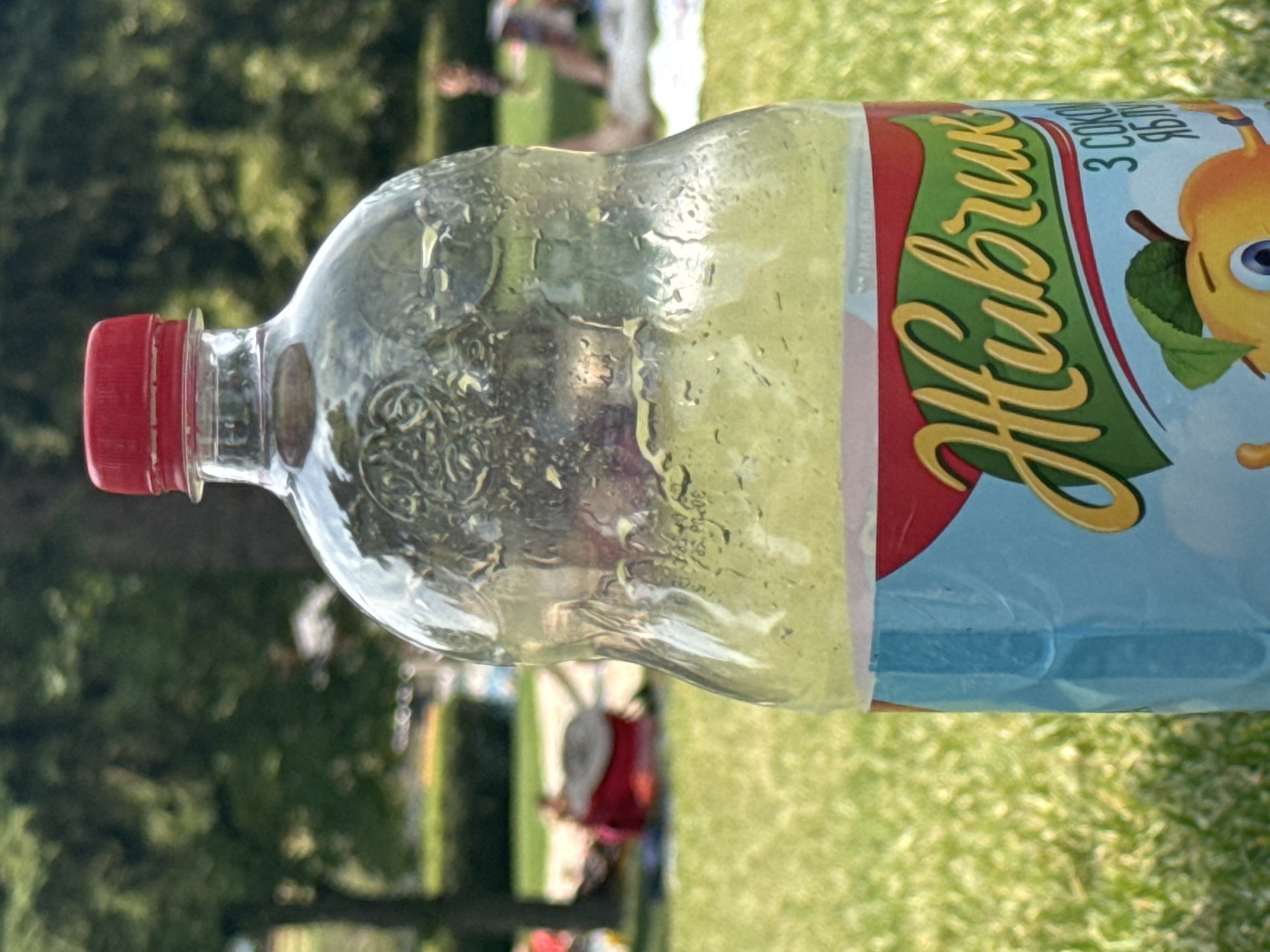
A close-up, eye-level shot captures a dining scene featuring a variety of sushi rolls on a dark, rectangular platter. The image is taken in what appears to be a restaurant or cafe in Hainburg an der Donau, Austria.

In the foreground, a person's hand, partially visible and wearing a light-colored denim jacket, holds a pair of wooden chopsticks. The chopsticks are poised over a small dollop of green wasabi, indicating the person is about to add it to their meal. Adjacent to the wasabi is a vibrant pile of pink pickled ginger (gari) and a white ceramic chopstick rest.

The sushi rolls are neatly arranged in a long line, showcasing different types, including maki rolls topped with fresh salmon, tuna, shrimp, and avocado, as well as rolls containing crab stick and sprinkled with sesame seeds. The dark platter has an embossed geometric pattern, possibly a Greek key design, running along its edge.

In the blurred background, a tall glass filled with a golden liquid, likely beer, is visible. To the left of the sushi plate, a light blue-grey plate holds a small portion of green salad and a fork. A red can with indistinct white text (possibly "Amstel" or a similar brand, though not clearly legible) and a dark menu or booklet are also present on the table. The overall impression is a casual yet appealing meal.

A close-up, eye-level shot captures a dining scene featuring a variety of sushi rolls on a dark, rectangular platter. The image is taken in what appears to be a restaurant or cafe in Hainburg an der Donau, Austria. In the foreground, a person's hand, partially visible and wearing a light-colored denim jacket, holds a pair of wooden chopsticks. The chopsticks are poised over a small dollop of green wasabi, indicating the person is about to add it to their meal. Adjacent to the wasabi is a vibrant pile of pink pickled ginger (gari) and a white ceramic chopstick rest. The sushi rolls are neatly arranged in a long line, showcasing different types, including maki rolls topped with fresh salmon, tuna, shrimp, and avocado, as well as rolls containing crab stick and sprinkled with sesame seeds. The dark platter has an embossed geometric pattern, possibly a Greek key design, running along its edge. In the blurred background, a tall glass filled with a golden liquid, likely beer, is visible. To the left of the sushi plate, a light blue-grey plate holds a small portion of green salad and a fork. A red can with indistinct white text (possibly "Amstel" or a similar brand, though not clearly legible) and a dark menu or booklet are also present on the table. The overall impression is a casual yet appealing meal.

Hainburg an der Donau
A person is captured in a low-angle selfie, with part of her face, brown hair, and shoulder visible on the left and lower right of the frame. She has fair skin, wears a small ear piercing, and is dressed in a light brown or taupe jacket over a white top. The image is taken outdoors on a bright, sunny day, indicated by the clear blue sky and strong daylight.

In the background, dominating the upper and right portions of the frame, is a vibrant building with distinct East Asian architectural features. The structure showcases a multi-tiered roof adorned with red and green tiles or decorative elements, intricate wooden beams, and latticework. A slender finial or spire rises from the top of the roof against the sky.

The scene suggests a moment of leisure, possibly a tourist or visitor taking a picture with the decorative architecture. Given the provided location context of Hainburg an der Donau, Austria, this building is likely an East Asian-style temple or pagoda situated within that area, such as the Hainburg Pagoda or Buddhist Center. No visible text is present in the image.

A person is captured in a low-angle selfie, with part of her face, brown hair, and shoulder visible on the left and lower right of the frame. She has fair skin, wears a small ear piercing, and is dressed in a light brown or taupe jacket over a white top. The image is taken outdoors on a bright, sunny day, indicated by the clear blue sky and strong daylight. In the background, dominating the upper and right portions of the frame, is a vibrant building with distinct East Asian architectural features. The structure showcases a multi-tiered roof adorned with red and green tiles or decorative elements, intricate wooden beams, and latticework. A slender finial or spire rises from the top of the roof against the sky. The scene suggests a moment of leisure, possibly a tourist or visitor taking a picture with the decorative architecture. Given the provided location context of Hainburg an der Donau, Austria, this building is likely an East Asian-style temple or pagoda situated within that area, such as the Hainburg Pagoda or Buddhist Center. No visible text is present in the image.

Hainburg an der Donau
This upward-angled photograph captures a large, ornate Chinese-style gate (Paifang) against a bright blue sky. The gate features traditional architecture with prominent red pillars, intricate green and red tiled roof structures, and decorative elements. Numerous red lanterns with delicate patterns hang from the gate's beams.

The sun is visible in the upper left corner, casting a strong flare and radiating beams of light across the clear sky, indicating bright daylight, likely midday or early afternoon. Tiny dust particles are illuminated by the strong sunlight in the sky.

Through the intricate lattice work and gaps in the gate's structure, parts of a light-colored, multi-story European-style building are visible in the background, featuring arched windows and decorative facades.

Visible text on a red plaque on the gate includes two Chinese characters, which appear to be "廣榮" (Guǎng Róng), often meaning "extensive glory" or similar auspicious connotations.

The scene depicts a unique cultural landmark under a clear, sunny sky, creating a contrast between the ornate Chinese gate and the underlying European urban architecture. Given the location hint, this image is from Hainburg an der Donau, Austria.

This upward-angled photograph captures a large, ornate Chinese-style gate (Paifang) against a bright blue sky. The gate features traditional architecture with prominent red pillars, intricate green and red tiled roof structures, and decorative elements. Numerous red lanterns with delicate patterns hang from the gate's beams. The sun is visible in the upper left corner, casting a strong flare and radiating beams of light across the clear sky, indicating bright daylight, likely midday or early afternoon. Tiny dust particles are illuminated by the strong sunlight in the sky. Through the intricate lattice work and gaps in the gate's structure, parts of a light-colored, multi-story European-style building are visible in the background, featuring arched windows and decorative facades. Visible text on a red plaque on the gate includes two Chinese characters, which appear to be "廣榮" (Guǎng Róng), often meaning "extensive glory" or similar auspicious connotations. The scene depicts a unique cultural landmark under a clear, sunny sky, creating a contrast between the ornate Chinese gate and the underlying European urban architecture. Given the location hint, this image is from Hainburg an der Donau, Austria.

Hainburg an der Donau
A close-up selfie captures a person in the foreground against the backdrop of a vibrant, traditional East Asian-style pagoda or pavilion. The person, a female, is visible on the upper right and top of the frame, showing her forehead, right eye, ear, nose, mouth, and chin. She has light skin, dark hair, and her right ear features an earring with a small blue stud and a longer, rectangular, possibly jeweled piece. She is wearing a dark, collared shirt.

The architectural structure dominates the lower and left-center of the image. It showcases a multi-tiered roof with distinctive red and green tiles, complemented by ornate red pillars. Golden panels adorned with intricate patterns and script-like characters are visible on the building's facade. Inside, a red lantern hangs amidst the detailed latticework. Decorative elements in shades of blue/purple and green add to the building's colorful aesthetic. The structure's spired top, featuring spherical ornaments, is visible against a clear blue sky. A tall, white pole or antenna extends into the sky on the upper left.

The scene is set outdoors under bright daylight, indicated by the clear blue sky and strong illumination. The overall impression is that of a travel photo or a visit to a culturally significant site. Given the context of Hainburg an der Donau, Austria, this building likely represents a specific landmark, such as a pagoda, situated within that European location.

A close-up selfie captures a person in the foreground against the backdrop of a vibrant, traditional East Asian-style pagoda or pavilion. The person, a female, is visible on the upper right and top of the frame, showing her forehead, right eye, ear, nose, mouth, and chin. She has light skin, dark hair, and her right ear features an earring with a small blue stud and a longer, rectangular, possibly jeweled piece. She is wearing a dark, collared shirt. The architectural structure dominates the lower and left-center of the image. It showcases a multi-tiered roof with distinctive red and green tiles, complemented by ornate red pillars. Golden panels adorned with intricate patterns and script-like characters are visible on the building's facade. Inside, a red lantern hangs amidst the detailed latticework. Decorative elements in shades of blue/purple and green add to the building's colorful aesthetic. The structure's spired top, featuring spherical ornaments, is visible against a clear blue sky. A tall, white pole or antenna extends into the sky on the upper left. The scene is set outdoors under bright daylight, indicated by the clear blue sky and strong illumination. The overall impression is that of a travel photo or a visit to a culturally significant site. Given the context of Hainburg an der Donau, Austria, this building likely represents a specific landmark, such as a pagoda, situated within that European location.

Hainburg an der Donau
The image shows a plate of seaweed salad with a fork on a dark table. A bottle of beer and an ashtray are next to the plate. The location is Hainburg an der Donau, Austria.

The image shows a plate of seaweed salad with a fork on a dark table. A bottle of beer and an ashtray are next to the plate. The location is Hainburg an der Donau, Austria.

Hainburg an der Donau
A man in a denim jacket with a sherpa collar is captured in a side profile, leaning over a dark table to eat soup from a white bowl. He uses a white spoon and has sunglasses pushed up onto his dark hair. The soup appears to be a dark, savory broth with various ingredients like mushrooms visible.

Behind him, on a light-colored wall, are two decorative semicircular panels, suggesting an Asian-themed eatery. The upper panel displays a vibrant, stylized illustration of a figure, likely a performer in traditional Chinese opera attire, adorned with an elaborate headdress and holding a fan. The artwork features a rich palette of red, orange, blue, pink, green, and yellow.

The lower panel, in a deep reddish-brown hue, includes Chinese characters and an illustration of a red chili pepper. The prominent characters read "吃喝" (chīhē), meaning "eat and drink," and "香辣" (xiānglà), meaning "fragrant and spicy." Below these, smaller text states "麻辣鲜香 美味诱惑" (málà xiānxiāng měiwèi yòuhuò), translating to "numbingly spicy, fresh and fragrant, delicious temptation." A decorative black light fixture with an amber-colored tassel hangs between the two wall art pieces.

The scene is brightly lit, indicating daytime. The man is engrossed in his meal, and the distinct decor points to a Chinese restaurant setting, located in Hainburg an der Donau, Austria.

A man in a denim jacket with a sherpa collar is captured in a side profile, leaning over a dark table to eat soup from a white bowl. He uses a white spoon and has sunglasses pushed up onto his dark hair. The soup appears to be a dark, savory broth with various ingredients like mushrooms visible. Behind him, on a light-colored wall, are two decorative semicircular panels, suggesting an Asian-themed eatery. The upper panel displays a vibrant, stylized illustration of a figure, likely a performer in traditional Chinese opera attire, adorned with an elaborate headdress and holding a fan. The artwork features a rich palette of red, orange, blue, pink, green, and yellow. The lower panel, in a deep reddish-brown hue, includes Chinese characters and an illustration of a red chili pepper. The prominent characters read "吃喝" (chīhē), meaning "eat and drink," and "香辣" (xiānglà), meaning "fragrant and spicy." Below these, smaller text states "麻辣鲜香 美味诱惑" (málà xiānxiāng měiwèi yòuhuò), translating to "numbingly spicy, fresh and fragrant, delicious temptation." A decorative black light fixture with an amber-colored tassel hangs between the two wall art pieces. The scene is brightly lit, indicating daytime. The man is engrossed in his meal, and the distinct decor points to a Chinese restaurant setting, located in Hainburg an der Donau, Austria.

Hainburg an der Donau
A close-up, high-angle shot captures a steaming bowl of soup, likely hot and sour soup, served on a dark, textured table surface. The soup, a rich amber-brown, fills a white ceramic bowl and is generously garnished with finely chopped green chives or scallions scattered across its surface.

Within the hearty broth, numerous ingredients are visible, including irregular pieces of shredded yellow egg, rectangular slices of light-colored bamboo shoots, and small cubes that appear to be tofu. Slender, bright red strips, possibly bell pepper or chili, add a touch of color to the mixture.

The white bowl rests on a slightly larger white plate or saucer, which casts a prominent, dark shadow across the table surface due to strong, direct lighting. A white ceramic spoon handle is partially visible at the top left, resting in the bowl. The table or placemat beneath is dark grey or black with a distinctive, slightly pebbled texture, and features a subtle raised pattern along its visible edges. In the upper left corner, a portion of a glass containing a golden-brown liquid, possibly beer or tea, is partially visible.

The scene is brightly lit by what appears to be direct sunlight, casting sharp, defined shadows and highlighting the texture of the table surface, suggesting a daytime setting, possibly outdoors or near a window in Hainburg an der Donau, Austria. No people or visible text are present in the image.

A close-up, high-angle shot captures a steaming bowl of soup, likely hot and sour soup, served on a dark, textured table surface. The soup, a rich amber-brown, fills a white ceramic bowl and is generously garnished with finely chopped green chives or scallions scattered across its surface. Within the hearty broth, numerous ingredients are visible, including irregular pieces of shredded yellow egg, rectangular slices of light-colored bamboo shoots, and small cubes that appear to be tofu. Slender, bright red strips, possibly bell pepper or chili, add a touch of color to the mixture. The white bowl rests on a slightly larger white plate or saucer, which casts a prominent, dark shadow across the table surface due to strong, direct lighting. A white ceramic spoon handle is partially visible at the top left, resting in the bowl. The table or placemat beneath is dark grey or black with a distinctive, slightly pebbled texture, and features a subtle raised pattern along its visible edges. In the upper left corner, a portion of a glass containing a golden-brown liquid, possibly beer or tea, is partially visible. The scene is brightly lit by what appears to be direct sunlight, casting sharp, defined shadows and highlighting the texture of the table surface, suggesting a daytime setting, possibly outdoors or near a window in Hainburg an der Donau, Austria. No people or visible text are present in the image.

Hainburg an der Donau
The image presents an overhead view of an outdoor dining setting featuring a glass of beer and a bowl of soup on a dark, patterned table. Bright sunlight casts strong shadows and reflections, indicating a clear and sunny day, likely mid-day or afternoon.

A tall, clear glass of light-colored beer, possibly a lager, occupies the left side of the frame. It has a generous head of white foam clinging to the sides of the glass. The brand name "Gösser" is prominently displayed in white lettering on the glass, along with the word "Brauerei" (Brewery) and the volume marking "0,5 l" (0.5 liters). The sun shining through the beer creates interesting light patterns on the table surface.

To the right, a white ceramic bowl with a handle holds a serving of hot soup. The soup is a rich, reddish-brown color, suggesting an Asian-style soup like hot and sour. It is garnished with finely chopped green herbs, likely chives or scallions, and visible ingredients within the broth include mushrooms and other darker pieces, possibly tofu or meat. The bowl rests on a simple white ceramic saucer.

The table beneath the items is dark, possibly made of metal, and features an intricate embossed geometric pattern that resembles a stylized Greek key or meander design. This pattern adds a decorative element to the surface. Partial views of another table or chair are visible in the blurred background on the left.

Considering the "Gösser" brand beer, which is Austrian, and the provided context, the scene is set in Hainburg an der Donau, Austria. The overall impression is of a casual and enjoyable outdoor meal on a pleasant, sunny day.

The image presents an overhead view of an outdoor dining setting featuring a glass of beer and a bowl of soup on a dark, patterned table. Bright sunlight casts strong shadows and reflections, indicating a clear and sunny day, likely mid-day or afternoon. A tall, clear glass of light-colored beer, possibly a lager, occupies the left side of the frame. It has a generous head of white foam clinging to the sides of the glass. The brand name "Gösser" is prominently displayed in white lettering on the glass, along with the word "Brauerei" (Brewery) and the volume marking "0,5 l" (0.5 liters). The sun shining through the beer creates interesting light patterns on the table surface. To the right, a white ceramic bowl with a handle holds a serving of hot soup. The soup is a rich, reddish-brown color, suggesting an Asian-style soup like hot and sour. It is garnished with finely chopped green herbs, likely chives or scallions, and visible ingredients within the broth include mushrooms and other darker pieces, possibly tofu or meat. The bowl rests on a simple white ceramic saucer. The table beneath the items is dark, possibly made of metal, and features an intricate embossed geometric pattern that resembles a stylized Greek key or meander design. This pattern adds a decorative element to the surface. Partial views of another table or chair are visible in the blurred background on the left. Considering the "Gösser" brand beer, which is Austrian, and the provided context, the scene is set in Hainburg an der Donau, Austria. The overall impression is of a casual and enjoyable outdoor meal on a pleasant, sunny day.

Hainburg an der Donau
An outdoor, eye-level shot captures a vibrant, traditional East Asian-style pavilion, likely located at the Hainburg an der Donau location provided. The structure features a distinctive curved, multi-tiered roof adorned with red and green/blue tiles, topped with an ornate finial. Below the roof, rich red pillars stand prominently, embellished with intricate golden Chinese characters. Intricate wooden lattice work adds detail to the structure.

The pavilion overlooks a body of water, possibly a pond or canal, which appears green. A white balustrade with ornate spindles separates the pavilion's edge from the water. Potted plants are visible along the balustrade. The background reveals white walls adorned with circular decorative elements featuring traditional Chinese art motifs, such as figures in traditional dress and landscapes. The sky is clear blue, suggesting a sunny day. No people are visible, indicating a serene and tranquil setting.

Visible text on the pillars and a stone plaque includes:
*   "怡心亭" (Yí Xīn Tíng), which translates to "Joyful Heart Pavilion."
*   "荷香醉客新色迷人," a poetic phrase meaning "Lotus fragrance intoxicates guests, new colors are charming."
*   "香" (Xiāng), meaning "Fragrance" or "Incense."
*   "吃喝" (Chī Hē), meaning "Eat and Drink."
*   "公元2002年9月8日" (September 8, 2002), indicating the date.

An outdoor, eye-level shot captures a vibrant, traditional East Asian-style pavilion, likely located at the Hainburg an der Donau location provided. The structure features a distinctive curved, multi-tiered roof adorned with red and green/blue tiles, topped with an ornate finial. Below the roof, rich red pillars stand prominently, embellished with intricate golden Chinese characters. Intricate wooden lattice work adds detail to the structure. The pavilion overlooks a body of water, possibly a pond or canal, which appears green. A white balustrade with ornate spindles separates the pavilion's edge from the water. Potted plants are visible along the balustrade. The background reveals white walls adorned with circular decorative elements featuring traditional Chinese art motifs, such as figures in traditional dress and landscapes. The sky is clear blue, suggesting a sunny day. No people are visible, indicating a serene and tranquil setting. Visible text on the pillars and a stone plaque includes: * "怡心亭" (Yí Xīn Tíng), which translates to "Joyful Heart Pavilion." * "荷香醉客新色迷人," a poetic phrase meaning "Lotus fragrance intoxicates guests, new colors are charming." * "香" (Xiāng), meaning "Fragrance" or "Incense." * "吃喝" (Chī Hē), meaning "Eat and Drink." * "公元2002年9月8日" (September 8, 2002), indicating the date.

Hainburg an der Donau
The image, correctly oriented, depicts a vibrant Chinese-style pavilion or section of a temple situated next to a body of water, all under a clear blue sky. The central structure features a distinctive, multi-tiered roof with gracefully curved eaves, adorned with red and green tiles. The underside of the eaves is intricately decorated with traditional patterns and what appear to be small, dark-colored ornaments.

The pavilion is supported by sturdy red wooden columns, some embellished with gold-colored details and dark purple, sculpted brackets. Inside the structure, detailed carved wooden lattices and panels are visible, along with a long wooden bench or railing.

Adjacent to the pavilion is a calm body of water, likely a pond or canal, which has a distinct green hue. Several small orange fish can be seen swimming beneath its surface. A metal railing separates the tiled platform or walkway from the water. Bright sunlight illuminates the scene, casting strong shadows of the railing onto the geometric pattern of the tiles.

In the background, other buildings designed in a similar traditional Chinese architectural style are visible, showcasing complementary rooflines and white walls adorned with round decorative motifs that feature figures and patterns.

The scene takes place during the daytime, under bright sunlight and a clear blue sky, indicating pleasant weather. No people are visible, emphasizing the architectural and natural elements. The presence of this distinctly Chinese architecture within Hainburg an der Donau, Austria, suggests a specific cultural garden or themed area. No clearly legible text is visible in the image.

The image, correctly oriented, depicts a vibrant Chinese-style pavilion or section of a temple situated next to a body of water, all under a clear blue sky. The central structure features a distinctive, multi-tiered roof with gracefully curved eaves, adorned with red and green tiles. The underside of the eaves is intricately decorated with traditional patterns and what appear to be small, dark-colored ornaments. The pavilion is supported by sturdy red wooden columns, some embellished with gold-colored details and dark purple, sculpted brackets. Inside the structure, detailed carved wooden lattices and panels are visible, along with a long wooden bench or railing. Adjacent to the pavilion is a calm body of water, likely a pond or canal, which has a distinct green hue. Several small orange fish can be seen swimming beneath its surface. A metal railing separates the tiled platform or walkway from the water. Bright sunlight illuminates the scene, casting strong shadows of the railing onto the geometric pattern of the tiles. In the background, other buildings designed in a similar traditional Chinese architectural style are visible, showcasing complementary rooflines and white walls adorned with round decorative motifs that feature figures and patterns. The scene takes place during the daytime, under bright sunlight and a clear blue sky, indicating pleasant weather. No people are visible, emphasizing the architectural and natural elements. The presence of this distinctly Chinese architecture within Hainburg an der Donau, Austria, suggests a specific cultural garden or themed area. No clearly legible text is visible in the image.

Hainburg an der Donau
The image depicts an algae-filled pond adjacent to a building adorned with ornate, white balustrades and red lattice decorations. The pond reflects the building's architecture and a metal fence that runs along its edge. Circular decals featuring depictions of Asian women are visible on the building's wall. The location is likely in Hainburg an der Donau, Austria, based on contextual information.

The image depicts an algae-filled pond adjacent to a building adorned with ornate, white balustrades and red lattice decorations. The pond reflects the building's architecture and a metal fence that runs along its edge. Circular decals featuring depictions of Asian women are visible on the building's wall. The location is likely in Hainburg an der Donau, Austria, based on contextual information.

Hainburg an der Donau
The image displays an outdoor scene featuring a traditional East Asian-style building next to a vibrant green pond under bright sunlight. The building, prominent on the left, showcases intricate architecture with a multi-tiered roof covered in distinctive teal-green ridged tiles. Its structure is supported by dark red pillars and beams, which are richly decorated with gold, blue, and purple patterns. White wall panels between the pillars feature large circular murals, one resembling a traditional fan with a serene landscape scene in greens and blues. Small red lanterns hang from the eaves.

A dark green metal railing with a wooden top bar separates the building's patio area from the pond, which dominates the right side of the frame. Below the railing, a white stone balustrade with ornate carvings is also visible, partially reflected in the water. The pond's water is a murky green, indicating algae growth, and several small orange fish can be seen swimming within it. The water's surface also reflects the railing, architectural elements of the building, and the bright sky, creating distorted patterns.

In the immediate foreground, along the edge of the pond, there are black square planters filled with soil and small green sprouts. The bright sunshine casts distinct shadows from the railing onto the ground, suggesting a clear day, likely mid-day or afternoon. The architectural style strongly points to an East Asian cultural theme, situated in Hainburg an der Donau, Austria. No legible text is visible in the image.

The image displays an outdoor scene featuring a traditional East Asian-style building next to a vibrant green pond under bright sunlight. The building, prominent on the left, showcases intricate architecture with a multi-tiered roof covered in distinctive teal-green ridged tiles. Its structure is supported by dark red pillars and beams, which are richly decorated with gold, blue, and purple patterns. White wall panels between the pillars feature large circular murals, one resembling a traditional fan with a serene landscape scene in greens and blues. Small red lanterns hang from the eaves. A dark green metal railing with a wooden top bar separates the building's patio area from the pond, which dominates the right side of the frame. Below the railing, a white stone balustrade with ornate carvings is also visible, partially reflected in the water. The pond's water is a murky green, indicating algae growth, and several small orange fish can be seen swimming within it. The water's surface also reflects the railing, architectural elements of the building, and the bright sky, creating distorted patterns. In the immediate foreground, along the edge of the pond, there are black square planters filled with soil and small green sprouts. The bright sunshine casts distinct shadows from the railing onto the ground, suggesting a clear day, likely mid-day or afternoon. The architectural style strongly points to an East Asian cultural theme, situated in Hainburg an der Donau, Austria. No legible text is visible in the image.

Hainburg an der Donau
The image displays a picturesque scene featuring a historic stone railway viaduct in Hainburg an der Donau, Austria, under a brilliant clear blue sky. The viaduct is characterized by its robust stonework and several rounded arches, some of which are partially adorned with dense, dark green ivy.

A expansive, well-kept lawn with bright green grass occupies the foreground and extends along the base of the viaduct, displaying distinct shadows that suggest the time of day is either mid-morning or late afternoon. To the left, a tall, modern streetlamp with a curved arm reaches into the sky. Multiple thin overhead lines, indicative of an electrified railway system, crisscross the upper portion of the frame. The paved surface of a road or path can be seen running along the top of the viaduct, with glimpses of other structures or vehicles in the distance.

In the grassy area to the right, a white sign on a pole is prominently displayed. The text on the sign advertises "DD's MAIBAUMFEST" (Maypole Festival) scheduled for "30.04.2023." Further details on the sign highlight "EINTRITT FREI!" (Free Entry!), the name "BUTTLER," and offerings of "BIER ODER SEKT" (Beer or Sparkling Wine), "MUSIK" (Music), and "SPEISEN & GETRÄNKE" (Food & Drinks). It also mentions "Für gute Stimmung sorgt..." (For a good atmosphere provides...) followed by a partially visible band name. No individuals are present in the immediate scene, but the sign indicates an upcoming community event. The weather is sunny and clear, contributing to a serene atmosphere.

The image displays a picturesque scene featuring a historic stone railway viaduct in Hainburg an der Donau, Austria, under a brilliant clear blue sky. The viaduct is characterized by its robust stonework and several rounded arches, some of which are partially adorned with dense, dark green ivy. A expansive, well-kept lawn with bright green grass occupies the foreground and extends along the base of the viaduct, displaying distinct shadows that suggest the time of day is either mid-morning or late afternoon. To the left, a tall, modern streetlamp with a curved arm reaches into the sky. Multiple thin overhead lines, indicative of an electrified railway system, crisscross the upper portion of the frame. The paved surface of a road or path can be seen running along the top of the viaduct, with glimpses of other structures or vehicles in the distance. In the grassy area to the right, a white sign on a pole is prominently displayed. The text on the sign advertises "DD's MAIBAUMFEST" (Maypole Festival) scheduled for "30.04.2023." Further details on the sign highlight "EINTRITT FREI!" (Free Entry!), the name "BUTTLER," and offerings of "BIER ODER SEKT" (Beer or Sparkling Wine), "MUSIK" (Music), and "SPEISEN & GETRÄNKE" (Food & Drinks). It also mentions "Für gute Stimmung sorgt..." (For a good atmosphere provides...) followed by a partially visible band name. No individuals are present in the immediate scene, but the sign indicates an upcoming community event. The weather is sunny and clear, contributing to a serene atmosphere.

Hainburg an der Donau
This image depicts a sturdy, multi-arched stone railway viaduct, characteristic of architecture found in regions like Hainburg an der Donau, Austria. The viaduct, constructed from rough-hewn stone blocks, spans over a paved road and grassy areas.

The scene is bathed in warm, late afternoon or early evening sunlight, creating distinct shadows and illuminating the textures of the stone. The sky is clear and bright blue, with a few faint clouds visible on the left.

In the foreground and to the right, an asphalt road runs alongside the viaduct. Beneath one of the arches, several light-colored recycling bins are neatly arranged. Clearly legible German text on these bins includes "VERPACKUNGEN" (packaging), "PAPIER" (paper), and "GLAS" (glass), accompanied by corresponding pictograms. A blue pedestrian crossing sign with a white 'A' symbol is visible near the left arch, indicating pedestrian access. Red and silver bollards mark the road's edge further down.

A single person, dressed in blue, can be faintly seen in the grassy area underneath an arch, near the recycling bins, suggesting ordinary daily activity. Overhead, a tall utility pole with multiple power lines stretches across the left portion of the sky. Various trees with green and reddish-brown foliage are scattered around the viaduct, contributing to the natural elements of the urban landscape. The overall impression is one of a peaceful, well-maintained public space, integrating historical infrastructure with modern utilities.

This image depicts a sturdy, multi-arched stone railway viaduct, characteristic of architecture found in regions like Hainburg an der Donau, Austria. The viaduct, constructed from rough-hewn stone blocks, spans over a paved road and grassy areas. The scene is bathed in warm, late afternoon or early evening sunlight, creating distinct shadows and illuminating the textures of the stone. The sky is clear and bright blue, with a few faint clouds visible on the left. In the foreground and to the right, an asphalt road runs alongside the viaduct. Beneath one of the arches, several light-colored recycling bins are neatly arranged. Clearly legible German text on these bins includes "VERPACKUNGEN" (packaging), "PAPIER" (paper), and "GLAS" (glass), accompanied by corresponding pictograms. A blue pedestrian crossing sign with a white 'A' symbol is visible near the left arch, indicating pedestrian access. Red and silver bollards mark the road's edge further down. A single person, dressed in blue, can be faintly seen in the grassy area underneath an arch, near the recycling bins, suggesting ordinary daily activity. Overhead, a tall utility pole with multiple power lines stretches across the left portion of the sky. Various trees with green and reddish-brown foliage are scattered around the viaduct, contributing to the natural elements of the urban landscape. The overall impression is one of a peaceful, well-maintained public space, integrating historical infrastructure with modern utilities.

Hainburg an der Donau
The image presents a sunlit street scene in Hainburg an der Donau, Austria, viewed looking along a street lined with historic buildings. A clear blue sky with scattered white cumulus clouds dominates the upper portion, indicating bright, clear weather during the day, likely mid-day.

On the left side of the street, a multi-story building with a warm ochre-yellow facade is prominent in the foreground. This building features intricate, sculpted stucco work with decorative circular and rectangular elements, and multiple windows. On the right, the street is flanked by two additional buildings: a tall, white/cream-colored structure with numerous windows on multiple floors, and a light yellow building further down.

In the mid-ground, nestled between the buildings, a distinctive church tower rises, capped with a green onion-shaped dome and a slender spire topped by a cross. A clock face is visible on the tower. Green foliage from trees can be seen near the church tower and extending along the street.

The asphalt street occupies the lower right, featuring a white line marking its edge or center, and hints of a green bike lane on the sidewalk. Distant vehicles are visible further down the road. A traditional black metal street sign, adorned with an ornate bracket, hangs from a lamppost on the right. Visible text on this sign includes "Gasthaus," "Zum Goldenen...", and "PAISLEH," accompanied by a beer mug icon, suggesting a guesthouse or inn. A house number "3" is also discernible on the white building on the right. The scene conveys a peaceful atmosphere, characteristic of a charming Central European town.

The image presents a sunlit street scene in Hainburg an der Donau, Austria, viewed looking along a street lined with historic buildings. A clear blue sky with scattered white cumulus clouds dominates the upper portion, indicating bright, clear weather during the day, likely mid-day. On the left side of the street, a multi-story building with a warm ochre-yellow facade is prominent in the foreground. This building features intricate, sculpted stucco work with decorative circular and rectangular elements, and multiple windows. On the right, the street is flanked by two additional buildings: a tall, white/cream-colored structure with numerous windows on multiple floors, and a light yellow building further down. In the mid-ground, nestled between the buildings, a distinctive church tower rises, capped with a green onion-shaped dome and a slender spire topped by a cross. A clock face is visible on the tower. Green foliage from trees can be seen near the church tower and extending along the street. The asphalt street occupies the lower right, featuring a white line marking its edge or center, and hints of a green bike lane on the sidewalk. Distant vehicles are visible further down the road. A traditional black metal street sign, adorned with an ornate bracket, hangs from a lamppost on the right. Visible text on this sign includes "Gasthaus," "Zum Goldenen...", and "PAISLEH," accompanied by a beer mug icon, suggesting a guesthouse or inn. A house number "3" is also discernible on the white building on the right. The scene conveys a peaceful atmosphere, characteristic of a charming Central European town.

Hainburg an der Donau
A young woman with a towel wrapped around her head poses for a close-up photograph in a bathroom. She has light skin, blue-grey eyes, and full lips. A gold necklace with a heart-shaped pendant is visible around her neck. The bathroom features tiled walls, with tiles visible in the background. The location cannot be determined definitively as Hainburg an der Donau, Austria from the image.

A young woman with a towel wrapped around her head poses for a close-up photograph in a bathroom. She has light skin, blue-grey eyes, and full lips. A gold necklace with a heart-shaped pendant is visible around her neck. The bathroom features tiled walls, with tiles visible in the background. The location cannot be determined definitively as Hainburg an der Donau, Austria from the image.

Hainburg an der Donau
Two white low-top sneakers are displayed in an indoor, still-life setting, likely during the evening or night under artificial light, in Hainburg an der Donau, Austria. The shoes are placed on a brown cardboard box, partially visible.

The shoe in the foreground, angled towards the viewer, features two decorative rings adorning its off-white laces. One ring is rectangular with a prominent blue gemstone, while the other is an oval-shaped green/gold gemstone, positioned closer to the shoe's tongue. A "NIKE" logo is visible on the cream-colored tongue of this shoe. The shoe has small perforations on its toe box.

The second sneaker is positioned behind and slightly to the left of the first, with its sole facing the viewer. Both shoes appear to be made of white leather with light-colored soles and textured accents around the ankle collar.

The cardboard box beneath the shoes displays branding for "Dr. Martens," including "AIR WAIR" and "MARTENS.COM" text. The background consists of a light-colored, textured fabric, possibly a carpet or blanket, providing a soft contrast to the footwear. There are no people or discernible activities taking place beyond the arrangement of the shoes for display.

Two white low-top sneakers are displayed in an indoor, still-life setting, likely during the evening or night under artificial light, in Hainburg an der Donau, Austria. The shoes are placed on a brown cardboard box, partially visible. The shoe in the foreground, angled towards the viewer, features two decorative rings adorning its off-white laces. One ring is rectangular with a prominent blue gemstone, while the other is an oval-shaped green/gold gemstone, positioned closer to the shoe's tongue. A "NIKE" logo is visible on the cream-colored tongue of this shoe. The shoe has small perforations on its toe box. The second sneaker is positioned behind and slightly to the left of the first, with its sole facing the viewer. Both shoes appear to be made of white leather with light-colored soles and textured accents around the ankle collar. The cardboard box beneath the shoes displays branding for "Dr. Martens," including "AIR WAIR" and "MARTENS.COM" text. The background consists of a light-colored, textured fabric, possibly a carpet or blanket, providing a soft contrast to the footwear. There are no people or discernible activities taking place beyond the arrangement of the shoes for display.

Hainburg an der Donau
A close-up shot captures the front upper section of a white or off-white Nike sneaker adorned with decorative charms, likely in Hainburg an der Donau, Austria. The sneaker features matching textured shoelaces tied in a crisscross pattern.

Three ornate charms are attached to the shoelaces. The uppermost charm is a large, faceted purple gemstone, possibly amethyst, set in a gold-colored metal frame encrusted with small, clear rhinestones. A distinct black Nike swoosh logo is visible, reflected within the purple gem. Below this, a smaller, gold-colored charm shaped like a 'V' or chevron is also embellished with small, clear rhinestones. The lowest charm is another large, faceted gem, this one an olive green color, possibly peridot, also set in a gold-colored metal frame. A reflection of the black Nike swoosh is also visible within the green gem.

The tongue of the sneaker, partially visible below the charms, displays the word "NIKE" in dark grey lettering, accompanied by its iconic swoosh logo. The leather and fabric textures of the shoe are clearly visible, indicating attention to detail in its construction. The background is softly blurred, showing muted tones of brown and dark grey, suggesting an indoor setting with wooden elements. The focus is entirely on the sneaker and its embellishments, showcasing a personalized or customized footwear item. No people are visible, and the activity depicted is the display of the sneaker. No specific time of day or weather can be inferred.

A close-up shot captures the front upper section of a white or off-white Nike sneaker adorned with decorative charms, likely in Hainburg an der Donau, Austria. The sneaker features matching textured shoelaces tied in a crisscross pattern. Three ornate charms are attached to the shoelaces. The uppermost charm is a large, faceted purple gemstone, possibly amethyst, set in a gold-colored metal frame encrusted with small, clear rhinestones. A distinct black Nike swoosh logo is visible, reflected within the purple gem. Below this, a smaller, gold-colored charm shaped like a 'V' or chevron is also embellished with small, clear rhinestones. The lowest charm is another large, faceted gem, this one an olive green color, possibly peridot, also set in a gold-colored metal frame. A reflection of the black Nike swoosh is also visible within the green gem. The tongue of the sneaker, partially visible below the charms, displays the word "NIKE" in dark grey lettering, accompanied by its iconic swoosh logo. The leather and fabric textures of the shoe are clearly visible, indicating attention to detail in its construction. The background is softly blurred, showing muted tones of brown and dark grey, suggesting an indoor setting with wooden elements. The focus is entirely on the sneaker and its embellishments, showcasing a personalized or customized footwear item. No people are visible, and the activity depicted is the display of the sneaker. No specific time of day or weather can be inferred.

Hainburg an der Donau
A close-up shot captures the top section of a white Nike sneaker, adorned with several decorative elements. The shoe itself appears to be made of white leather or synthetic material, featuring subtle stitching details along the laces. Off-white, flat woven shoelaces are threaded through the eyelets.

Three distinct, jewel-like lace charms (dubraes) are prominently displayed on the laces. The leftmost charm is a rectangular, olive green facet-cut gem set in a gold-colored frame, with a small black Nike swoosh logo embedded within it. The middle charm is a stylized gold-colored "J" shape, encrusted with numerous small clear rhinestones or crystals. The rightmost charm is an octagonal or cushion-cut deep purple facet-cut gem, also framed in gold-colored metal and surrounded by small clear rhinestones, featuring another black Nike swoosh logo inside.

Visible on the shoe's tongue, behind the laces, is the iconic "NIKE" text logo in black. The background of the image is softly blurred, showing hints of a warm-toned, possibly wooden, surface. The overall impression is a detailed showcase of personalized footwear accessories. The image does not contain any visual cues pertaining to the specified location of Hainburg an der Donau, Austria.

A close-up shot captures the top section of a white Nike sneaker, adorned with several decorative elements. The shoe itself appears to be made of white leather or synthetic material, featuring subtle stitching details along the laces. Off-white, flat woven shoelaces are threaded through the eyelets. Three distinct, jewel-like lace charms (dubraes) are prominently displayed on the laces. The leftmost charm is a rectangular, olive green facet-cut gem set in a gold-colored frame, with a small black Nike swoosh logo embedded within it. The middle charm is a stylized gold-colored "J" shape, encrusted with numerous small clear rhinestones or crystals. The rightmost charm is an octagonal or cushion-cut deep purple facet-cut gem, also framed in gold-colored metal and surrounded by small clear rhinestones, featuring another black Nike swoosh logo inside. Visible on the shoe's tongue, behind the laces, is the iconic "NIKE" text logo in black. The background of the image is softly blurred, showing hints of a warm-toned, possibly wooden, surface. The overall impression is a detailed showcase of personalized footwear accessories. The image does not contain any visual cues pertaining to the specified location of Hainburg an der Donau, Austria.

Hainburg an der Donau
This image depicts a close-up view of a white Nike Air Force 1 shoe. The laces are also white and adorned with three decorative charms. The charm on the left is a dark green octagon with a gold border and a Nike swoosh design. The charm in the center is a curved Nike swoosh shape with a gold border and inlaid with small stones or rhinestones. The charm on the right is a blue octagon with a gold border featuring small stones or rhinestones around its edge, also containing a Nike swoosh design. The surrounding environment is out of focus, suggesting a domestic setting. The location of Hainburg an der Donau, Austria, is not discernible from the image.

This image depicts a close-up view of a white Nike Air Force 1 shoe. The laces are also white and adorned with three decorative charms. The charm on the left is a dark green octagon with a gold border and a Nike swoosh design. The charm in the center is a curved Nike swoosh shape with a gold border and inlaid with small stones or rhinestones. The charm on the right is a blue octagon with a gold border featuring small stones or rhinestones around its edge, also containing a Nike swoosh design. The surrounding environment is out of focus, suggesting a domestic setting. The location of Hainburg an der Donau, Austria, is not discernible from the image.

Hainburg an der Donau
The image captures an overhead view of a person indoors, likely in Hainburg an der Donau, Austria, holding a Dr. Martens shoebox. The person is wearing a pair of white Nike Air Force 1 sneakers, which feature decorative jewel-like lace charms, one purple and one green/yellow. A hand with light-colored, polka-dotted nail polish and a delicate bracelet is seen holding the cardboard shoebox.

The shoebox itself is a light brown kraft paper color, displaying the "Dr. AirWair Martens" logo prominently in black, along with the phrase "WITH BOUNCING SOLES" and the website "DRMARTENS.COM" printed upside down on the top flaps. The person's feet, clad in the sneakers, rest on a light-colored, textured rug or carpet. The tongue of the sneakers clearly shows "NIKE AIR FORCE 1" branding. The scene suggests a casual moment, possibly an unboxing or showcasing of new items.

The image captures an overhead view of a person indoors, likely in Hainburg an der Donau, Austria, holding a Dr. Martens shoebox. The person is wearing a pair of white Nike Air Force 1 sneakers, which feature decorative jewel-like lace charms, one purple and one green/yellow. A hand with light-colored, polka-dotted nail polish and a delicate bracelet is seen holding the cardboard shoebox. The shoebox itself is a light brown kraft paper color, displaying the "Dr. AirWair Martens" logo prominently in black, along with the phrase "WITH BOUNCING SOLES" and the website "DRMARTENS.COM" printed upside down on the top flaps. The person's feet, clad in the sneakers, rest on a light-colored, textured rug or carpet. The tongue of the sneakers clearly shows "NIKE AIR FORCE 1" branding. The scene suggests a casual moment, possibly an unboxing or showcasing of new items.

Hainburg an der Donau
The image displays an indoor scene, likely in a home in Hainburg an der Donau, Austria, featuring a pair of new black Dr. Martens tassel loafers resting inside their open cardboard shoebox. The loafers are made of pebbled leather, characterized by their prominent yellow stitching around the black sole and decorative tassels on the vamp. White tissue paper is visible within the box, cushioning the shoes.

To the right of the shoebox, the front and side of a white sneaker, likely a Nike Air Force 1 based on its design with a perforated toe box and white laces, are partially visible. The objects are placed on a light-colored, textured rug or carpet.

The inside flap of the brown cardboard box features visible text and branding. A date or product code "20241113" is printed, along with the circular "DR. MARTENS" logo. A historical text about the brand is partially legible: "Ever since 1 April 1960, when Dr. Martens boots first rolled off the p[roduction line, they gained a reputation among] postal workers, police officers and everyday workers, our reputation [became] folklore. Over 100 million pairs later, our belief in making things to la[st remains]." The scene suggests an unboxing or casual display of new footwear.

The image displays an indoor scene, likely in a home in Hainburg an der Donau, Austria, featuring a pair of new black Dr. Martens tassel loafers resting inside their open cardboard shoebox. The loafers are made of pebbled leather, characterized by their prominent yellow stitching around the black sole and decorative tassels on the vamp. White tissue paper is visible within the box, cushioning the shoes. To the right of the shoebox, the front and side of a white sneaker, likely a Nike Air Force 1 based on its design with a perforated toe box and white laces, are partially visible. The objects are placed on a light-colored, textured rug or carpet. The inside flap of the brown cardboard box features visible text and branding. A date or product code "20241113" is printed, along with the circular "DR. MARTENS" logo. A historical text about the brand is partially legible: "Ever since 1 April 1960, when Dr. Martens boots first rolled off the p[roduction line, they gained a reputation among] postal workers, police officers and everyday workers, our reputation [became] folklore. Over 100 million pairs later, our belief in making things to la[st remains]." The scene suggests an unboxing or casual display of new footwear.

Hainburg an der Donau
The image presents an indoor scene, likely in a home in Hainburg an der Donau, Austria, showcasing a pair of new black Dr. Martens loafers inside their cardboard box, positioned on a light-colored, textured carpet. Alongside the box, a person's lower legs and feet are visible, wearing white Nike Air Force 1 sneakers.

The open Dr. Martens shoebox, made of brown cardboard, contains the black loafers. They feature a textured leather finish, traditional yellow stitching along the sole, and a tassel detail on the vamp. Inside the box, the shoes are partially wrapped in white tissue paper. Printed text on the box includes "VNGX DM23#144 329X193X126MM" and "20241113". A longer text block reads: "Ever since 1 April 1960, when Dr. Martens boots first rolled off the production line and onto the feet of postal workers, police officers and everyday workers, our reputation for durability has become footwear folklore. Over 100 million pairs later, our belief in making things to last is as strong as it's ever been." The Dr. Martens logo is also visible.

The white Nike Air Force 1 sneakers worn on the feet display the "NIKE AIR" branding on the side and feature small perforations on the toe box. Each sneaker is accessorized with a prominent, rectangular, jewel-like lace charm; one is a deep blue and the other a yellow/gold, set with smaller clear stones. The overall activity depicted suggests the unboxing or presentation of the new Dr. Martens loafers, contrasted with the worn but stylized Nike sneakers. The lighting indicates an indoor setting, with no specific time of day or weather discernible.

The image presents an indoor scene, likely in a home in Hainburg an der Donau, Austria, showcasing a pair of new black Dr. Martens loafers inside their cardboard box, positioned on a light-colored, textured carpet. Alongside the box, a person's lower legs and feet are visible, wearing white Nike Air Force 1 sneakers. The open Dr. Martens shoebox, made of brown cardboard, contains the black loafers. They feature a textured leather finish, traditional yellow stitching along the sole, and a tassel detail on the vamp. Inside the box, the shoes are partially wrapped in white tissue paper. Printed text on the box includes "VNGX DM23#144 329X193X126MM" and "20241113". A longer text block reads: "Ever since 1 April 1960, when Dr. Martens boots first rolled off the production line and onto the feet of postal workers, police officers and everyday workers, our reputation for durability has become footwear folklore. Over 100 million pairs later, our belief in making things to last is as strong as it's ever been." The Dr. Martens logo is also visible. The white Nike Air Force 1 sneakers worn on the feet display the "NIKE AIR" branding on the side and feature small perforations on the toe box. Each sneaker is accessorized with a prominent, rectangular, jewel-like lace charm; one is a deep blue and the other a yellow/gold, set with smaller clear stones. The overall activity depicted suggests the unboxing or presentation of the new Dr. Martens loafers, contrasted with the worn but stylized Nike sneakers. The lighting indicates an indoor setting, with no specific time of day or weather discernible.

Hainburg an der Donau
A view from inside a building, through a window with a screen, shows the town of Hainburg an der Donau, Austria, at dusk. The foreground is a window frame with a screen partially obscuring the view. Beyond the screen, rooftops of houses with varied shapes and colors are visible. Further in the background is a hillside with trees. The sky is a gradient of colors, transitioning from blue to pink as the sun sets. The image is taken at an oblique angle, looking slightly up and out. The lighting is dim, suggestive of late evening.

A view from inside a building, through a window with a screen, shows the town of Hainburg an der Donau, Austria, at dusk. The foreground is a window frame with a screen partially obscuring the view. Beyond the screen, rooftops of houses with varied shapes and colors are visible. Further in the background is a hillside with trees. The sky is a gradient of colors, transitioning from blue to pink as the sun sets. The image is taken at an oblique angle, looking slightly up and out. The lighting is dim, suggestive of late evening.

Hainburg an der Donau