CM:

ATTN

Get the app

Qingyang District, China

30 memories from Qingyang District, China
A short video clip shows a playful, cartoonish white bear-like figure with red arms raised above its head, wearing a yellow hard hat. The figure has large, cartoonish eyes with yellow crosses and two pink sausage-like shapes for a mouth. It stands in front of a red sign with Chinese characters in neon lighting. In the background, shelves are filled with toy cars and other toys. The floor is grey with red and white striped accents around the base of the figure. A white plastic bag and some red material are on the floor to the left of the figure. The lighting is bright, suggesting an indoor commercial setting.

A short video clip shows a playful, cartoonish white bear-like figure with red arms raised above its head, wearing a yellow hard hat. The figure has large, cartoonish eyes with yellow crosses and two pink sausage-like shapes for a mouth. It stands in front of a red sign with Chinese characters in neon lighting. In the background, shelves are filled with toy cars and other toys. The floor is grey with red and white striped accents around the base of the figure. A white plastic bag and some red material are on the floor to the left of the figure. The lighting is bright, suggesting an indoor commercial setting.

Qingyang District
This is a close-up, eye-level shot of two Japanese meals on red trays on a wooden table. The meals are placed side-by-side. The tray in the background contains a bowl of curry rice with scrambled eggs and spinach, a small dish of pickled vegetables, and a bowl of miso soup. A person's arms are visible in the upper part of the frame. The tray in the foreground contains a bowl of creamy broth ramen with noodles, seaweed, mushrooms, and green vegetables. A black ladle rests in the ramen. This scene is at a restaurant located in Qingyang District, China.

This is a close-up, eye-level shot of two Japanese meals on red trays on a wooden table. The meals are placed side-by-side. The tray in the background contains a bowl of curry rice with scrambled eggs and spinach, a small dish of pickled vegetables, and a bowl of miso soup. A person's arms are visible in the upper part of the frame. The tray in the foreground contains a bowl of creamy broth ramen with noodles, seaweed, mushrooms, and green vegetables. A black ladle rests in the ramen. This scene is at a restaurant located in Qingyang District, China.

Qingyang District
In Qingyang District, China, an outdoor food stall area is depicted. The scene is dominated by a large red and white sign above a food stall, featuring Chinese characters and images of food. Two large, inflatable koi fish decorations are suspended from the ceiling, one grey and one orange, both wearing face masks. The food stall itself displays illuminated panels showcasing various dishes, including what appears to be a bowl of soup with dumplings, a large sandwich or bun filled with meat, a dish with shrimp, and a plate of noodles. In the background, other food stalls with blue signage are visible. To the left, a woman sits at a small table, facing away from the camera, while a vendor stands behind the counter of a stall to the right. The ground is paved with stone tiles.

In Qingyang District, China, an outdoor food stall area is depicted. The scene is dominated by a large red and white sign above a food stall, featuring Chinese characters and images of food. Two large, inflatable koi fish decorations are suspended from the ceiling, one grey and one orange, both wearing face masks. The food stall itself displays illuminated panels showcasing various dishes, including what appears to be a bowl of soup with dumplings, a large sandwich or bun filled with meat, a dish with shrimp, and a plate of noodles. In the background, other food stalls with blue signage are visible. To the left, a woman sits at a small table, facing away from the camera, while a vendor stands behind the counter of a stall to the right. The ground is paved with stone tiles.

Qingyang District
The image depicts a nighttime street scene in Qingyang District, China, characterized by multi-story buildings, illuminated signage, and food establishments. Tall, modern apartment buildings with numerous lit windows dominate the background. In the mid-ground, there is a tiered structure with smaller buildings and green vegetation, appearing to be part of a commercial area.

Below this, several shops are visible with prominent Chinese signage. One large, bright yellow sign with purple Chinese characters reads "浪寻" and appears to be advertising a restaurant. Another sign to the right, also brightly lit, advertises "三真鲜货烧烤" (San Zhen Xian Huo Shao Kao), suggesting a barbecue restaurant. Several umbrellas are set up outside a shop, indicating an outdoor seating area.

In the foreground, two scooters are parked. On the right, a young man wearing a black t-shirt and black pants with white stripes is seated at a small, red-checkered table with a red chair. He is looking at his phone. Another red chair and table are positioned to his left. A person is lying down on a raised platform behind the scooters. The overall atmosphere is that of a bustling urban commercial district at night.

The image depicts a nighttime street scene in Qingyang District, China, characterized by multi-story buildings, illuminated signage, and food establishments. Tall, modern apartment buildings with numerous lit windows dominate the background. In the mid-ground, there is a tiered structure with smaller buildings and green vegetation, appearing to be part of a commercial area. Below this, several shops are visible with prominent Chinese signage. One large, bright yellow sign with purple Chinese characters reads "浪寻" and appears to be advertising a restaurant. Another sign to the right, also brightly lit, advertises "三真鲜货烧烤" (San Zhen Xian Huo Shao Kao), suggesting a barbecue restaurant. Several umbrellas are set up outside a shop, indicating an outdoor seating area. In the foreground, two scooters are parked. On the right, a young man wearing a black t-shirt and black pants with white stripes is seated at a small, red-checkered table with a red chair. He is looking at his phone. Another red chair and table are positioned to his left. A person is lying down on a raised platform behind the scooters. The overall atmosphere is that of a bustling urban commercial district at night.

Qingyang District
A woman in a red shirt stands behind a large display of eggs at a market stall. The stall is filled with a variety of eggs, including white, brown, and some bluish-green ones. Some of the eggs are in baskets, while others are piled high in bins. There are also some packages of eggs and a scale on the counter. In the background, there is a sign with Chinese characters and images of chickens, advertising "Brother Fan's Fresh Eggs." The text on the sign also includes a phone number. Additional signs with prices are visible among the eggs. The setting appears to be an indoor market or shop, possibly in Qingyang District, China, given the context. The overall impression is of a bustling market scene where fresh eggs are being sold. The woman appears to be a vendor, possibly interacting with customers or arranging the eggs. The lighting suggests it is daytime.

A woman in a red shirt stands behind a large display of eggs at a market stall. The stall is filled with a variety of eggs, including white, brown, and some bluish-green ones. Some of the eggs are in baskets, while others are piled high in bins. There are also some packages of eggs and a scale on the counter. In the background, there is a sign with Chinese characters and images of chickens, advertising "Brother Fan's Fresh Eggs." The text on the sign also includes a phone number. Additional signs with prices are visible among the eggs. The setting appears to be an indoor market or shop, possibly in Qingyang District, China, given the context. The overall impression is of a bustling market scene where fresh eggs are being sold. The woman appears to be a vendor, possibly interacting with customers or arranging the eggs. The lighting suggests it is daytime.

Qingyang District
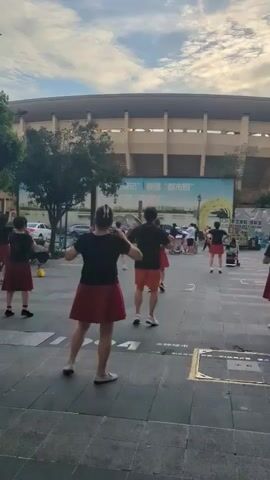
This media file captures a bustling street scene in Qingyang District, China, filled with a diverse crowd of people. The setting appears to be a moderately busy urban environment with tall trees lining the sidewalk and buildings visible in the background. The time of day is likely daytime, given the natural light illuminating the scene, and the weather seems pleasant, with people dressed in summer attire such as t-shirts, shorts, and light dresses.

The central activity seems to be a gathering or a queue of some sort. Many individuals are standing and talking, some are holding personal belongings like bags and cell phones. A few individuals in black uniforms, possibly security personnel, are present, one of whom is holding a blue and white barrier. Another security guard is seen carrying a baby in a carrier. The expressions on people's faces are varied, suggesting a mix of anticipation, conversation, and perhaps some mild frustration due to waiting.

Notable details include a signpost with Chinese characters and an arrow, indicating directions or information related to the location. One person is holding a bouquet of flowers, hinting at a potential celebration or event. The presence of multiple people in a line suggests an organized gathering, possibly for an event, an attraction, or a service. The overall atmosphere is lively and active, indicative of a public space being utilized by many. There is no overtly discernible text in the media file that provides specific event details, apart from the directional sign.

This media file captures a bustling street scene in Qingyang District, China, filled with a diverse crowd of people. The setting appears to be a moderately busy urban environment with tall trees lining the sidewalk and buildings visible in the background. The time of day is likely daytime, given the natural light illuminating the scene, and the weather seems pleasant, with people dressed in summer attire such as t-shirts, shorts, and light dresses. The central activity seems to be a gathering or a queue of some sort. Many individuals are standing and talking, some are holding personal belongings like bags and cell phones. A few individuals in black uniforms, possibly security personnel, are present, one of whom is holding a blue and white barrier. Another security guard is seen carrying a baby in a carrier. The expressions on people's faces are varied, suggesting a mix of anticipation, conversation, and perhaps some mild frustration due to waiting. Notable details include a signpost with Chinese characters and an arrow, indicating directions or information related to the location. One person is holding a bouquet of flowers, hinting at a potential celebration or event. The presence of multiple people in a line suggests an organized gathering, possibly for an event, an attraction, or a service. The overall atmosphere is lively and active, indicative of a public space being utilized by many. There is no overtly discernible text in the media file that provides specific event details, apart from the directional sign.

Qingyang District
A dense crowd of people, predominantly East Asian, are gathered on a paved street in front of a concrete wall, possibly on the outskirts of a city. Several individuals are holding bouquets of flowers, notably a large arrangement of red roses at the forefront. Some people are looking at phones, while others are engaged in conversation. The presence of trees suggests an outdoor urban environment. The individuals appear to be of various ages and genders, dressed in casual clothing. The overall atmosphere seems to be one of a public gathering or event.

A dense crowd of people, predominantly East Asian, are gathered on a paved street in front of a concrete wall, possibly on the outskirts of a city. Several individuals are holding bouquets of flowers, notably a large arrangement of red roses at the forefront. Some people are looking at phones, while others are engaged in conversation. The presence of trees suggests an outdoor urban environment. The individuals appear to be of various ages and genders, dressed in casual clothing. The overall atmosphere seems to be one of a public gathering or event.

Qingyang District
In the city of Qingyang District, China, numerous traditional Chinese lanterns are suspended from tree branches, creating a festive and vibrant atmosphere. The lanterns are in various shapes, sizes, and colors, including pink, purple, blue, red, and yellow. Many of them are adorned with floral patterns, adding to their decorative appeal. The lanterns are hung at different heights, with some closer to the viewer and others receding into the distance, creating a sense of depth. The background is filled with lush green trees, suggesting an outdoor setting, possibly a park or garden. The sunlight filters through the leaves, casting dappled light on the lanterns and the surrounding foliage. In the lower left corner, a glimpse of a traditional Chinese architectural structure, possibly a pavilion or temple roof, can be seen. There are no people visible in the image.

In the city of Qingyang District, China, numerous traditional Chinese lanterns are suspended from tree branches, creating a festive and vibrant atmosphere. The lanterns are in various shapes, sizes, and colors, including pink, purple, blue, red, and yellow. Many of them are adorned with floral patterns, adding to their decorative appeal. The lanterns are hung at different heights, with some closer to the viewer and others receding into the distance, creating a sense of depth. The background is filled with lush green trees, suggesting an outdoor setting, possibly a park or garden. The sunlight filters through the leaves, casting dappled light on the lanterns and the surrounding foliage. In the lower left corner, a glimpse of a traditional Chinese architectural structure, possibly a pavilion or temple roof, can be seen. There are no people visible in the image.

Qingyang District
In Qingyang District, China, a brightly lit indoor scene showcases a decorative display featuring three plush camels lined up along a grey brick wall adorned with various patterned plates and ceramic vases. In the foreground, a large, fuzzy camel with a red saddle and reins stands prominently. To its right, a smaller camel, also adorned with a red saddle, is positioned slightly behind. A third, even smaller camel is partially visible behind the second. To the left of the camels, a white automated external defibrillator (AED) cabinet is mounted on the wall, displaying instructions and safety information. Beside the AED cabinet, a red fire extinguisher box with Chinese characters and "FIRE EXTINGUISHER BOX" written in English is placed on the floor. In the background, a counter displays an assortment of decorative items, including wooden boxes, ceramics, and textiles, suggesting a retail or exhibition space. A prominent neon sign with Chinese characters is mounted on the wall above the camels and decorative items. The floor is paved with grey rectangular tiles.

In Qingyang District, China, a brightly lit indoor scene showcases a decorative display featuring three plush camels lined up along a grey brick wall adorned with various patterned plates and ceramic vases. In the foreground, a large, fuzzy camel with a red saddle and reins stands prominently. To its right, a smaller camel, also adorned with a red saddle, is positioned slightly behind. A third, even smaller camel is partially visible behind the second. To the left of the camels, a white automated external defibrillator (AED) cabinet is mounted on the wall, displaying instructions and safety information. Beside the AED cabinet, a red fire extinguisher box with Chinese characters and "FIRE EXTINGUISHER BOX" written in English is placed on the floor. In the background, a counter displays an assortment of decorative items, including wooden boxes, ceramics, and textiles, suggesting a retail or exhibition space. A prominent neon sign with Chinese characters is mounted on the wall above the camels and decorative items. The floor is paved with grey rectangular tiles.

Qingyang District
A framed silk embroidery artwork depicts three giant pandas interacting with bamboo and foliage, presented on a light-colored silk background. The pandas are rendered with detailed black and white fur patterns. One panda is climbing a tree branch laden with red leaves, while another sits and eats bamboo. A third panda is lying down in the foreground, partially obscured. The background features a waterfall or misty landscape. The artwork is housed in an ornate, dark wood frame with intricate carvings and a decorative base. A red seal stamp is visible in the lower right quadrant of the embroidery. The artwork is displayed indoors, with other furniture and artwork visible in the blurred background, suggesting an antique shop or gallery setting in Qingyang District, China.

A framed silk embroidery artwork depicts three giant pandas interacting with bamboo and foliage, presented on a light-colored silk background. The pandas are rendered with detailed black and white fur patterns. One panda is climbing a tree branch laden with red leaves, while another sits and eats bamboo. A third panda is lying down in the foreground, partially obscured. The background features a waterfall or misty landscape. The artwork is housed in an ornate, dark wood frame with intricate carvings and a decorative base. A red seal stamp is visible in the lower right quadrant of the embroidery. The artwork is displayed indoors, with other furniture and artwork visible in the blurred background, suggesting an antique shop or gallery setting in Qingyang District, China.

Qingyang District
This is a framed artwork featuring two pandas in a naturalistic setting. The panda on the left is sitting and appears to be eating bamboo shoots. The panda on the right is also sitting, looking towards the other panda. The background depicts a stylized representation of trees with reddish-brown leaves and some green foliage. The artwork is framed with a wooden border. The image appears to be taken indoors, with reflections visible on the glass of the frame. The location is not determinable from the image itself.

This is a framed artwork featuring two pandas in a naturalistic setting. The panda on the left is sitting and appears to be eating bamboo shoots. The panda on the right is also sitting, looking towards the other panda. The background depicts a stylized representation of trees with reddish-brown leaves and some green foliage. The artwork is framed with a wooden border. The image appears to be taken indoors, with reflections visible on the glass of the frame. The location is not determinable from the image itself.

Qingyang District
The image shows a vintage green Mercedes-Benz car displayed on a bed of red flower petals within a glass enclosure. The car's license plate reads "成都 院子". The enclosure appears to be part of a museum or exhibition space in the Qingyang District of China, suggested by the presence of a plaque with Chinese characters. Lush green foliage is visible to the left of the car, and the background shows a brick wall and reflections in the glass, indicating an indoor setting. The lighting is soft and diffused, creating a warm atmosphere.

The image shows a vintage green Mercedes-Benz car displayed on a bed of red flower petals within a glass enclosure. The car's license plate reads "成都 院子". The enclosure appears to be part of a museum or exhibition space in the Qingyang District of China, suggested by the presence of a plaque with Chinese characters. Lush green foliage is visible to the left of the car, and the background shows a brick wall and reflections in the glass, indicating an indoor setting. The lighting is soft and diffused, creating a warm atmosphere.

Qingyang District
The image shows a street scene in Qingyang District, China, featuring traditional Chinese architecture. The buildings have dark wooden facades with intricate latticework on balconies and decorative carvings. Red lanterns hang from the eaves, and yellow lanterns are also visible. The street is paved with stone, and there are yellow tactile paving strips along the edge of the sidewalk.

On the left side of the street, a storefront displays bamboo plants and mannequins through a large window. Above the entrance, a golden sign reads "shengshouain" in English and Chinese characters. Next to it, another storefront has a golden sign with Chinese characters and a red lantern hanging nearby.

Further down the street, a woman in a yellow jacket and patterned skirt stands near a shop entrance, talking on her phone. Several A-frame signs with colorful graphics and text are displayed on the sidewalk, advertising products or services. The sky is overcast.

The image shows a street scene in Qingyang District, China, featuring traditional Chinese architecture. The buildings have dark wooden facades with intricate latticework on balconies and decorative carvings. Red lanterns hang from the eaves, and yellow lanterns are also visible. The street is paved with stone, and there are yellow tactile paving strips along the edge of the sidewalk. On the left side of the street, a storefront displays bamboo plants and mannequins through a large window. Above the entrance, a golden sign reads "shengshouain" in English and Chinese characters. Next to it, another storefront has a golden sign with Chinese characters and a red lantern hanging nearby. Further down the street, a woman in a yellow jacket and patterned skirt stands near a shop entrance, talking on her phone. Several A-frame signs with colorful graphics and text are displayed on the sidewalk, advertising products or services. The sky is overcast.

Qingyang District
This image captures an interior view looking out through a traditional dark wooden window in Qingyang District, China. The window structure consists of four vertical panels, each featuring a grid of dark, ornate bars and lighter brown/orange frames around clear glass panes. Above each pane section, the dark frame is adorned with white, intricately carved scrollwork. The view through the window reveals traditional Chinese architectural elements: several grey, tiled rooftops with undulating patterns and decorative ridges. Beyond these roofs, glimpses of white and dark wooden building walls, balconies, and other window frames are visible, suggesting a courtyard or narrow street environment. Green foliage from trees or shrubs is apparent through the rightmost panes. In the upper background, faint outlines of taller, more modern buildings can be seen above the traditional structures. The interior space, where the photo is taken from, is dimly lit, silhouetting the window frame against the brighter exterior. Below the windowpanes, a dark horizontal panel features a three-dimensional relief or painting depicting a landscape scene. This scene includes several white houses with golden roofs, golden landmasses, a dark river or path, and a multi-arched silver bridge. A white, stylized tree is on the left, and two evergreen trees are on the right side of this decorative panel. No individuals are clearly discernible in the scene.

This image captures an interior view looking out through a traditional dark wooden window in Qingyang District, China. The window structure consists of four vertical panels, each featuring a grid of dark, ornate bars and lighter brown/orange frames around clear glass panes. Above each pane section, the dark frame is adorned with white, intricately carved scrollwork. The view through the window reveals traditional Chinese architectural elements: several grey, tiled rooftops with undulating patterns and decorative ridges. Beyond these roofs, glimpses of white and dark wooden building walls, balconies, and other window frames are visible, suggesting a courtyard or narrow street environment. Green foliage from trees or shrubs is apparent through the rightmost panes. In the upper background, faint outlines of taller, more modern buildings can be seen above the traditional structures. The interior space, where the photo is taken from, is dimly lit, silhouetting the window frame against the brighter exterior. Below the windowpanes, a dark horizontal panel features a three-dimensional relief or painting depicting a landscape scene. This scene includes several white houses with golden roofs, golden landmasses, a dark river or path, and a multi-arched silver bridge. A white, stylized tree is on the left, and two evergreen trees are on the right side of this decorative panel. No individuals are clearly discernible in the scene.

Qingyang District
This image captures a bustling pedestrian street in Kuanzhai Alley, Qingyang District, Chengdu, China, under an overcast sky. The street is lined with traditional two-story Chinese buildings featuring dark wood facades, intricate carvings on balconies, and tiled roofs. Numerous yellow lanterns hang from the eaves of the buildings on the left, with some red lanterns also visible at ground level.

On the left side of the street, storefronts display traditional wooden signs and some modern neon lighting, including one prominent sign with Chinese characters and another appearing to be "伍杏". A person in traditional attire stands inside one of the shop entrances near the foreground. In the immediate foreground, a woman wearing a white shirt and striped pants holds the hand of a young boy in a light-colored jacket as they walk towards the viewer. The woman is drinking from a cup.

The street itself is paved with stone blocks in a herringbone pattern, interrupted by sections of square tiles and a decorative metal drainage grate running down the center. Further down the street, a man wearing a helmet and a black t-shirt is riding a light-colored scooter with another person on the back.

On the right side of the street, large, leafy green trees provide shade, some with their branches extending across the upper portion of the frame. Below the trees, more shops and eateries are visible, some offering outdoor seating under beige umbrellas. A sign for "Molly Tea" (茉莉茶) is discernable among the storefronts. Numerous pedestrians populate the street, walking in both directions, contributing to the lively atmosphere. The sky is a uniform light grey, indicating either a cloudy day or early evening.

This image captures a bustling pedestrian street in Kuanzhai Alley, Qingyang District, Chengdu, China, under an overcast sky. The street is lined with traditional two-story Chinese buildings featuring dark wood facades, intricate carvings on balconies, and tiled roofs. Numerous yellow lanterns hang from the eaves of the buildings on the left, with some red lanterns also visible at ground level. On the left side of the street, storefronts display traditional wooden signs and some modern neon lighting, including one prominent sign with Chinese characters and another appearing to be "伍杏". A person in traditional attire stands inside one of the shop entrances near the foreground. In the immediate foreground, a woman wearing a white shirt and striped pants holds the hand of a young boy in a light-colored jacket as they walk towards the viewer. The woman is drinking from a cup. The street itself is paved with stone blocks in a herringbone pattern, interrupted by sections of square tiles and a decorative metal drainage grate running down the center. Further down the street, a man wearing a helmet and a black t-shirt is riding a light-colored scooter with another person on the back. On the right side of the street, large, leafy green trees provide shade, some with their branches extending across the upper portion of the frame. Below the trees, more shops and eateries are visible, some offering outdoor seating under beige umbrellas. A sign for "Molly Tea" (茉莉茶) is discernable among the storefronts. Numerous pedestrians populate the street, walking in both directions, contributing to the lively atmosphere. The sky is a uniform light grey, indicating either a cloudy day or early evening.

Qingyang District
The image depicts the entrance and partial interior of a retail store, presumed to be located in Qingyang District, China. Above the dark wooden entrance facade, a neon yellow-green sign displays three Chinese characters: "匠" (jiàng, craftsman), "铸" (zhù, to cast/forge), and a stylized square character resembling a seal script "坊" (fāng, workshop/store), together reading "匠铸坊" (Craftsman's Forge/Casting Workshop).

The entrance features a dark wooden archway framed by vertical wooden slats above. Inside, the store utilizes a dark wood aesthetic with intricate patterns. On the left interior wall, a brown panel displays white floral patterns, resembling cherry blossoms. The right interior wall is covered in a teal-colored wallpaper with subtle light patterns. The ceiling features multiple recessed spotlights providing bright illumination.

In the center of the foreground, a dark wooden display table with white Greek key patterns on its side supports multiple jewelry busts showcasing ornate silver-toned necklaces. Along the left side of the store, a long, dark wooden counter with cabinets underneath is topped with numerous small, shiny silver items, possibly rings or bracelets. Further back on the left, additional illuminated display cases are visible.

On the right side of the store, a large wall-mounted display unit with square compartments showcases a collection of silver-toned metalware, predominantly small teapots or kettles, alongside a few figurines including a horse and rider, and a Buddha statue. Adjacent to this, a narrower vertical display holds multiple small white cups. A woman in a light pink tunic dress stands to the right, facing towards the left side of the store. Her hands are clasped in front of her. Partially visible on the far right are other individuals in light-colored clothing. The floor is covered in light gray tiles.

The image depicts the entrance and partial interior of a retail store, presumed to be located in Qingyang District, China. Above the dark wooden entrance facade, a neon yellow-green sign displays three Chinese characters: "匠" (jiàng, craftsman), "铸" (zhù, to cast/forge), and a stylized square character resembling a seal script "坊" (fāng, workshop/store), together reading "匠铸坊" (Craftsman's Forge/Casting Workshop). The entrance features a dark wooden archway framed by vertical wooden slats above. Inside, the store utilizes a dark wood aesthetic with intricate patterns. On the left interior wall, a brown panel displays white floral patterns, resembling cherry blossoms. The right interior wall is covered in a teal-colored wallpaper with subtle light patterns. The ceiling features multiple recessed spotlights providing bright illumination. In the center of the foreground, a dark wooden display table with white Greek key patterns on its side supports multiple jewelry busts showcasing ornate silver-toned necklaces. Along the left side of the store, a long, dark wooden counter with cabinets underneath is topped with numerous small, shiny silver items, possibly rings or bracelets. Further back on the left, additional illuminated display cases are visible. On the right side of the store, a large wall-mounted display unit with square compartments showcases a collection of silver-toned metalware, predominantly small teapots or kettles, alongside a few figurines including a horse and rider, and a Buddha statue. Adjacent to this, a narrower vertical display holds multiple small white cups. A woman in a light pink tunic dress stands to the right, facing towards the left side of the store. Her hands are clasped in front of her. Partially visible on the far right are other individuals in light-colored clothing. The floor is covered in light gray tiles.

Qingyang District
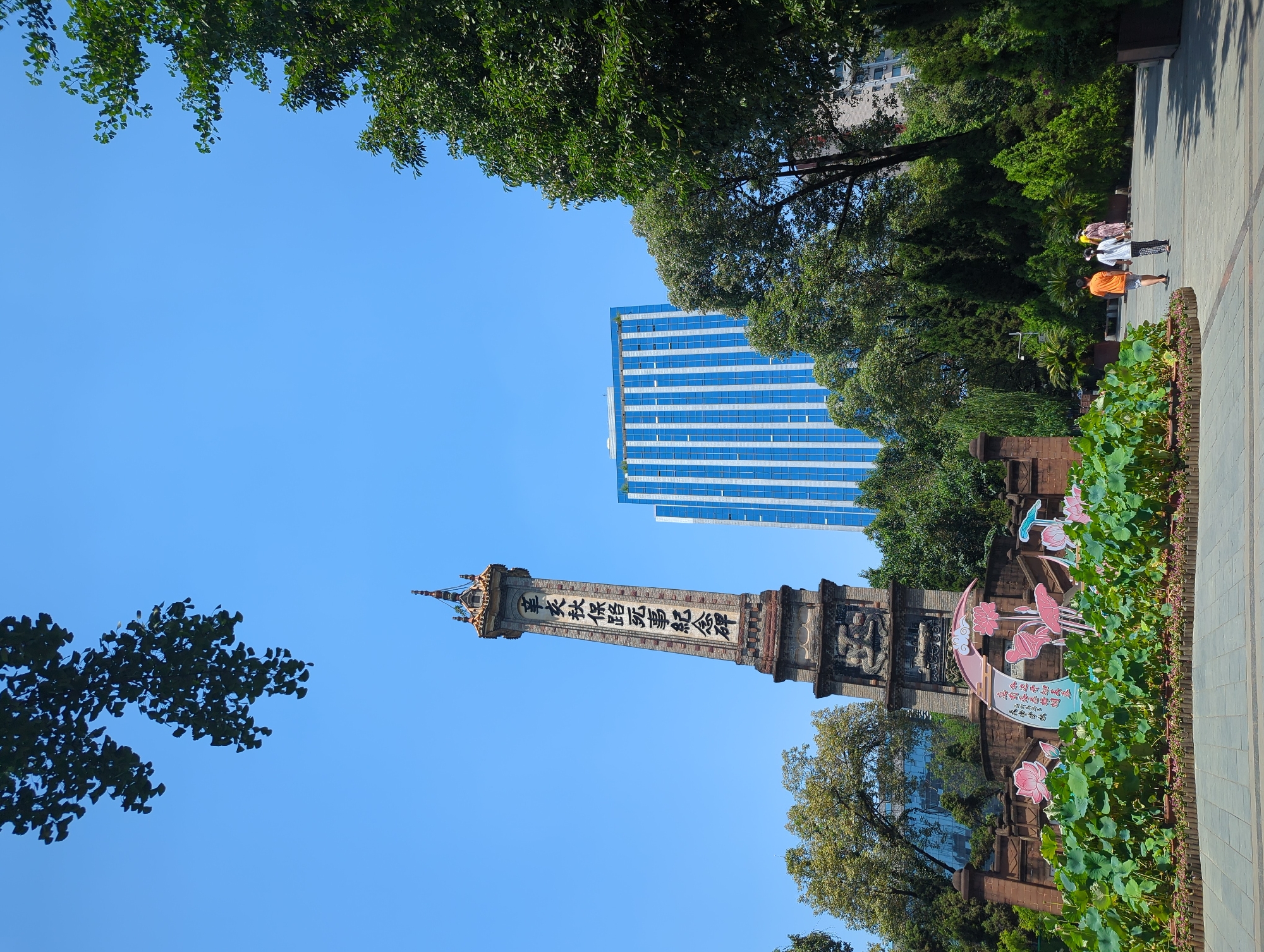
This forensic image captures a monumental, reddish-brown stone sculpture situated in a landscaped park environment in Qingyang District, China, under an overcast sky. The sculpture, crafted from rough-hewn, irregular blocks of stone, occupies the central and left portions of the frame, towering from the bottom edge almost to the top. Its form suggests an abstract, upward-reaching structure, with the uppermost section terminating in multiple, stylized, finger-like projections. The surface of the stone is rugged and textured.

Behind and to the right of the sculpture, a prominent array of palm trees with long, drooping fronds is visible. Further back and to the left, dense green foliage comprising various trees and bushes fills the background. A traditional-style building is partially discernible in the background to the right, featuring white walls accented by dark red cross-beams and a dark, gable roof.

In the lower right quadrant, positioned behind a neatly trimmed row of light green bushes that forms the immediate foreground, two rectangular signs with Chinese script are visible. The more prominent sign on the right has an ornate, reddish-brown frame with a spiral motif and larger characters that translate to "Inherit the red gene, cherish the revolutionary martyrs," indicating a memorial or historical context. The ground at the base of the sculpture and in the foreground is covered with a uniform layer of vibrant green low-lying bushes. No individuals are present in the scene.

This forensic image captures a monumental, reddish-brown stone sculpture situated in a landscaped park environment in Qingyang District, China, under an overcast sky. The sculpture, crafted from rough-hewn, irregular blocks of stone, occupies the central and left portions of the frame, towering from the bottom edge almost to the top. Its form suggests an abstract, upward-reaching structure, with the uppermost section terminating in multiple, stylized, finger-like projections. The surface of the stone is rugged and textured. Behind and to the right of the sculpture, a prominent array of palm trees with long, drooping fronds is visible. Further back and to the left, dense green foliage comprising various trees and bushes fills the background. A traditional-style building is partially discernible in the background to the right, featuring white walls accented by dark red cross-beams and a dark, gable roof. In the lower right quadrant, positioned behind a neatly trimmed row of light green bushes that forms the immediate foreground, two rectangular signs with Chinese script are visible. The more prominent sign on the right has an ornate, reddish-brown frame with a spiral motif and larger characters that translate to "Inherit the red gene, cherish the revolutionary martyrs," indicating a memorial or historical context. The ground at the base of the sculpture and in the foreground is covered with a uniform layer of vibrant green low-lying bushes. No individuals are present in the scene.

Qingyang District
This vertical photograph depicts a black swan standing in a lotus pond located in Qingyang District, China. The swan, positioned slightly to the left of the vertical center, exhibits entirely black plumage with a prominent red beak; its reflection is visible on the dark green water surface. The pond is extensively covered with numerous green lotus leaves, varying in size, with some resting on the water and others elevated on their stalks. Multiple white lotus flowers, some fully open and others as buds, are distributed across the upper half of the image. In the lower-right quadrant, a partially open pink lotus flower is visible, accompanied by a smaller pink bud. Another pink lotus bud is present in the lower-left corner. A rustic wooden boat, partially obscured by lotus foliage, is situated in the upper-left background, with a slender bamboo pole extending upward beside it. A curved, submerged structure is discernible on the pond bed in the middle-left area beneath the water. The background consists of dense green foliage, predominantly more lotus plants.

This vertical photograph depicts a black swan standing in a lotus pond located in Qingyang District, China. The swan, positioned slightly to the left of the vertical center, exhibits entirely black plumage with a prominent red beak; its reflection is visible on the dark green water surface. The pond is extensively covered with numerous green lotus leaves, varying in size, with some resting on the water and others elevated on their stalks. Multiple white lotus flowers, some fully open and others as buds, are distributed across the upper half of the image. In the lower-right quadrant, a partially open pink lotus flower is visible, accompanied by a smaller pink bud. Another pink lotus bud is present in the lower-left corner. A rustic wooden boat, partially obscured by lotus foliage, is situated in the upper-left background, with a slender bamboo pole extending upward beside it. A curved, submerged structure is discernible on the pond bed in the middle-left area beneath the water. The background consists of dense green foliage, predominantly more lotus plants.

Qingyang District
The image captures a street scene featuring a multi-story building with traditional Chinese architectural elements on Citang Street (祠堂街) at address 157 in Qingyang District, Chengdu, China. The building's facade is constructed of light grey bricks, adorned with red wooden structures, tiled roofs with upturned eaves, and gold decorative accents. A large circular blue and gold mosaic depicting two dragons is prominently centered on the upper facade.

Below the dragon mosaic, an arched entrance frames a metal gate, with a weathered brown sign above it displaying Chinese characters reading "四川国防印务有限公司" (Sichuan National Defense Printing Co., Ltd.). To the left of the archway, a ground-floor shop entrance is visible, featuring a dark red facade with gold trim. A sign above this shop reads "玉满源玉翠" (Yuman Yuan Yucui). An open umbrella shades a small outdoor display or seating area near this shop, with potted plants surrounding it.

On the street level, a short, trimmed hedge or planter separates the sidewalk from the building. To the far left, a man in a light-colored shirt is partially visible, standing near a cart with wheels and a red traffic cone. To the right of the building's main archway, a blue street sign clearly shows "祠堂街 157号" (Citang Street No. 157). A red "禁止停车" (No Parking) sign is attached to the metal gate of the main archway. Further right, an elderly person with grey hair, wearing a blue jacket, is seated on and operating a three-wheeled mobility scooter, which has a silver storage container on its rear. Behind the scooter, a gold-colored Lexus RX SUV is parked facing the viewer. The upper sections of the building's roof show various structures, including what appears to be a light green corrugated metal canopy and utility equipment or water tanks, amidst some overgrown greenery. The sky above is overcast and light grey.

The image captures a street scene featuring a multi-story building with traditional Chinese architectural elements on Citang Street (祠堂街) at address 157 in Qingyang District, Chengdu, China. The building's facade is constructed of light grey bricks, adorned with red wooden structures, tiled roofs with upturned eaves, and gold decorative accents. A large circular blue and gold mosaic depicting two dragons is prominently centered on the upper facade. Below the dragon mosaic, an arched entrance frames a metal gate, with a weathered brown sign above it displaying Chinese characters reading "四川国防印务有限公司" (Sichuan National Defense Printing Co., Ltd.). To the left of the archway, a ground-floor shop entrance is visible, featuring a dark red facade with gold trim. A sign above this shop reads "玉满源玉翠" (Yuman Yuan Yucui). An open umbrella shades a small outdoor display or seating area near this shop, with potted plants surrounding it. On the street level, a short, trimmed hedge or planter separates the sidewalk from the building. To the far left, a man in a light-colored shirt is partially visible, standing near a cart with wheels and a red traffic cone. To the right of the building's main archway, a blue street sign clearly shows "祠堂街 157号" (Citang Street No. 157). A red "禁止停车" (No Parking) sign is attached to the metal gate of the main archway. Further right, an elderly person with grey hair, wearing a blue jacket, is seated on and operating a three-wheeled mobility scooter, which has a silver storage container on its rear. Behind the scooter, a gold-colored Lexus RX SUV is parked facing the viewer. The upper sections of the building's roof show various structures, including what appears to be a light green corrugated metal canopy and utility equipment or water tanks, amidst some overgrown greenery. The sky above is overcast and light grey.

Qingyang District
This image depicts a multi-story building facade in Qingyang District, China, showcasing a blend of traditional Chinese architectural and decorative elements with modern construction. The scene is devoid of people.

The left portion of the image features a traditional wooden facade composed of numerous intricate lattice panels with geometric and floral patterns, stained a reddish-brown. Centered on this facade, at mid-height, is a large circular white emblem with a raised relief depicting a traditional Chinese teapot, a teacup, and a branch with light green leaves.

To the right, a modern building constructed with dark grey bricks is visible, featuring rectangular windows with black frames and light-colored window sills. A vertical, light grey concrete column with a stepped, inverted-pyramid design extends upwards from just above a traditional roofline, reaching toward the upper windows of the brick building. A small metallic fixture, possibly a light or camera, is mounted on top of this concrete column.

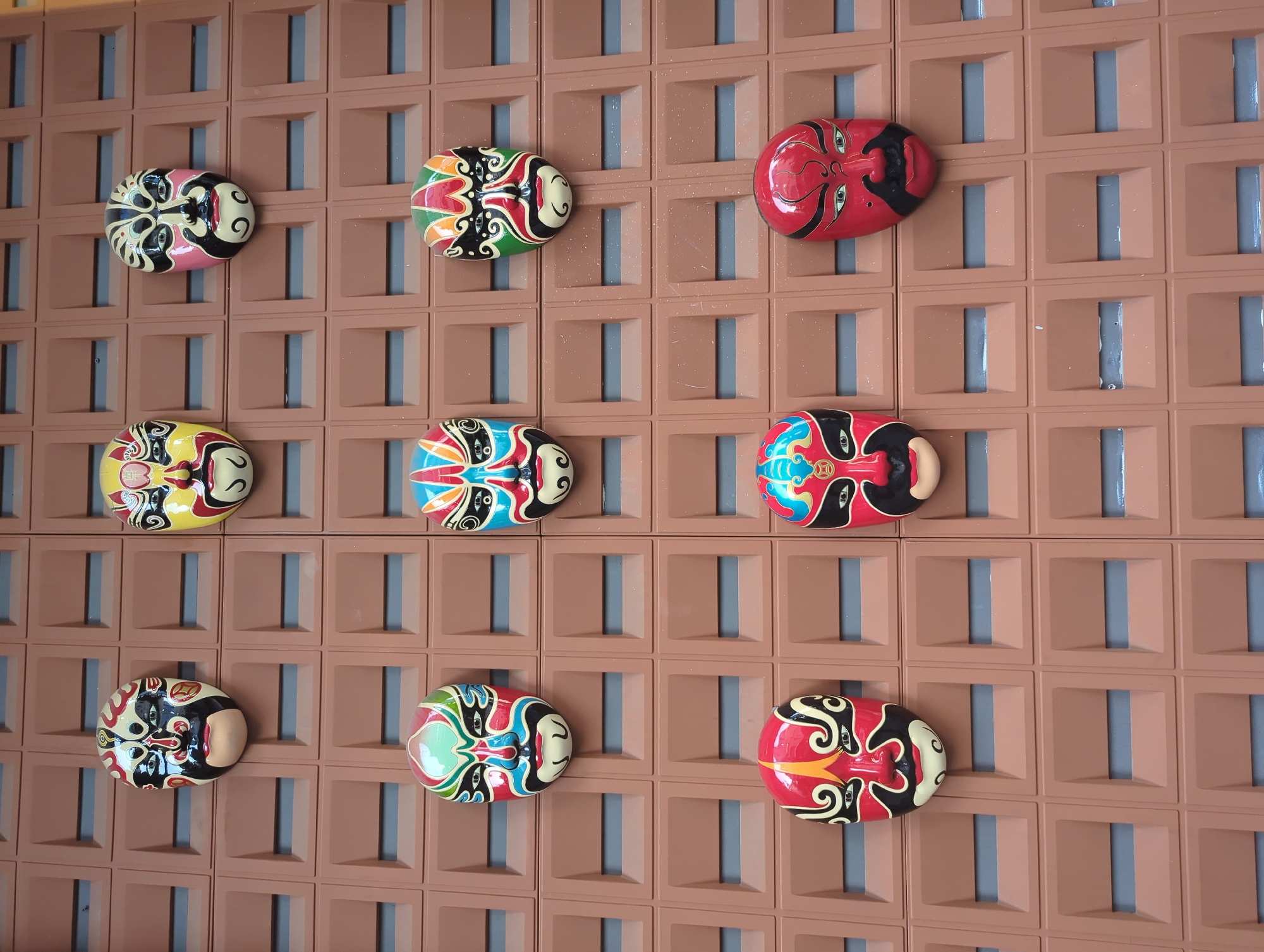
Below the concrete column and the wooden facade, a traditional Chinese-style roof with dark grey, ridged tiles and ornate eaves juts out. The eaves are supported by intricately carved wooden pillars and beams. From beneath this roof, a cluster of red Chinese lanterns hangs. This cluster includes one larger spherical lantern with gold Chinese characters and a red tassel, and several smaller, cylindrical lanterns decorated with painted facial masks, arranged in vertical stacks.

Beneath the traditional roof, a facade designed to mimic natural rock formations is present, with varying shades of grey and beige, interspersed with small artificial greenery. At the bottom of the image, a grey brick wall, designed with crenellated battlements at its top, supports a rectangular wooden sign. The sign features raised gold Chinese characters that read "錦官城文創" (Jǐn Guān Chéng Wén Chuàng). Two small light fixtures are mounted on the grey brick wall, positioned to illuminate the wooden sign.

This image depicts a multi-story building facade in Qingyang District, China, showcasing a blend of traditional Chinese architectural and decorative elements with modern construction. The scene is devoid of people. The left portion of the image features a traditional wooden facade composed of numerous intricate lattice panels with geometric and floral patterns, stained a reddish-brown. Centered on this facade, at mid-height, is a large circular white emblem with a raised relief depicting a traditional Chinese teapot, a teacup, and a branch with light green leaves. To the right, a modern building constructed with dark grey bricks is visible, featuring rectangular windows with black frames and light-colored window sills. A vertical, light grey concrete column with a stepped, inverted-pyramid design extends upwards from just above a traditional roofline, reaching toward the upper windows of the brick building. A small metallic fixture, possibly a light or camera, is mounted on top of this concrete column. Below the concrete column and the wooden facade, a traditional Chinese-style roof with dark grey, ridged tiles and ornate eaves juts out. The eaves are supported by intricately carved wooden pillars and beams. From beneath this roof, a cluster of red Chinese lanterns hangs. This cluster includes one larger spherical lantern with gold Chinese characters and a red tassel, and several smaller, cylindrical lanterns decorated with painted facial masks, arranged in vertical stacks. Beneath the traditional roof, a facade designed to mimic natural rock formations is present, with varying shades of grey and beige, interspersed with small artificial greenery. At the bottom of the image, a grey brick wall, designed with crenellated battlements at its top, supports a rectangular wooden sign. The sign features raised gold Chinese characters that read "錦官城文創" (Jǐn Guān Chéng Wén Chuàng). Two small light fixtures are mounted on the grey brick wall, positioned to illuminate the wooden sign.

Qingyang District
This image captures a traditional Chinese architectural corridor, likely part of a temple or cultural site, located in Qingyang District, China. The corridor features dark brown wooden pillars, overhead beams, and meticulously carved wall panels.

In the foreground on the left, a tall, dark wooden pillar is prominently displayed, featuring vertical gold Chinese characters that read, from top to bottom, "功名生外千里路披雲月" (Gōngmíng shēng wài qiānlǐ lù pī yún yuè). The pillar is ornate, with a gold and silver decorative finial and a red and gold patterned base. To its left, a potted plant with long green leaves rests on a dark wooden carved stand. The left side of the corridor consists of dark wooden screens with lattice patterns, some partially open.

Two women are seen walking away from the camera down the length of the corridor on a light grey tiled floor. The woman on the left wears a black short-sleeved top, light-colored (possibly white or beige) cargo pants, and sandals. The woman on the right wears a white long-sleeved top, dark blue or black pants, white sneakers, and carries a bright yellow shoulder bag on her left shoulder. Faint figures are discernible further in the background.

Overhead, several square traditional Chinese lanterns with illuminated yellow panels depicting painted scenes hang from the dark wooden ceiling. Modern white recessed light fixtures are also visible in the ceiling. A white security camera is mounted on an overhead wooden beam on the right side, connected by a white cable. On the right, dark wooden carved panels line the wall. In the right foreground, a brown, angled informational sign with white Chinese text is positioned on a stand. The title of the text reads "千年廊桥记始见" (Qiānnián lángqiáo jì shǐjiàn), followed by smaller descriptive Chinese characters. The bases of the wooden pillars throughout the corridor are supported by carved stone pedestals with intricate patterns.

This image captures a traditional Chinese architectural corridor, likely part of a temple or cultural site, located in Qingyang District, China. The corridor features dark brown wooden pillars, overhead beams, and meticulously carved wall panels. In the foreground on the left, a tall, dark wooden pillar is prominently displayed, featuring vertical gold Chinese characters that read, from top to bottom, "功名生外千里路披雲月" (Gōngmíng shēng wài qiānlǐ lù pī yún yuè). The pillar is ornate, with a gold and silver decorative finial and a red and gold patterned base. To its left, a potted plant with long green leaves rests on a dark wooden carved stand. The left side of the corridor consists of dark wooden screens with lattice patterns, some partially open. Two women are seen walking away from the camera down the length of the corridor on a light grey tiled floor. The woman on the left wears a black short-sleeved top, light-colored (possibly white or beige) cargo pants, and sandals. The woman on the right wears a white long-sleeved top, dark blue or black pants, white sneakers, and carries a bright yellow shoulder bag on her left shoulder. Faint figures are discernible further in the background. Overhead, several square traditional Chinese lanterns with illuminated yellow panels depicting painted scenes hang from the dark wooden ceiling. Modern white recessed light fixtures are also visible in the ceiling. A white security camera is mounted on an overhead wooden beam on the right side, connected by a white cable. On the right, dark wooden carved panels line the wall. In the right foreground, a brown, angled informational sign with white Chinese text is positioned on a stand. The title of the text reads "千年廊桥记始见" (Qiānnián lángqiáo jì shǐjiàn), followed by smaller descriptive Chinese characters. The bases of the wooden pillars throughout the corridor are supported by carved stone pedestals with intricate patterns.

Qingyang District
This elevated, overcast daytime image depicts a bustling pedestrian street in Qingyang District, China, showcasing a blend of traditional and modern urban landscapes. The narrow street, paved with dark grey interlocking bricks, is bordered by traditional Chinese-style buildings featuring dark timber frames, white walls, and intricate dark tiled roofs with upturned eaves. Windows are detailed with dark wooden grilles.

Numerous pedestrians, dressed in casual contemporary attire, are seen walking along the thoroughfare. On the right, a large yellow anthropomorphic figure stands beside a black sign for '一个男人的咖啡馆 a man, must be'. Further along, a shop with a grey awning displays Chinese text. On the left, a traditional building features a ground-level glass display case exhibiting what appear to be cultural artifacts or tea sets. Balconies with dark wooden railings are visible on these traditional structures.

In the foreground, two individuals stand close together. A man in a blue jacket and white cap is walking toward the foreground on the left. A white umbrella with pink Chinese characters and a 'Ding's Coffee' sign are visible on a nearby rooftop terrace, part of which is covered with a silvery, textured insulating material.

The background reveals a modern urban environment with dense green trees, concrete apartment buildings featuring numerous air conditioning units, and a distinctive tall, white high-rise building with a curved top. A slender communication tower is also discernible against the grey sky.

This elevated, overcast daytime image depicts a bustling pedestrian street in Qingyang District, China, showcasing a blend of traditional and modern urban landscapes. The narrow street, paved with dark grey interlocking bricks, is bordered by traditional Chinese-style buildings featuring dark timber frames, white walls, and intricate dark tiled roofs with upturned eaves. Windows are detailed with dark wooden grilles. Numerous pedestrians, dressed in casual contemporary attire, are seen walking along the thoroughfare. On the right, a large yellow anthropomorphic figure stands beside a black sign for '一个男人的咖啡馆 a man, must be'. Further along, a shop with a grey awning displays Chinese text. On the left, a traditional building features a ground-level glass display case exhibiting what appear to be cultural artifacts or tea sets. Balconies with dark wooden railings are visible on these traditional structures. In the foreground, two individuals stand close together. A man in a blue jacket and white cap is walking toward the foreground on the left. A white umbrella with pink Chinese characters and a 'Ding's Coffee' sign are visible on a nearby rooftop terrace, part of which is covered with a silvery, textured insulating material. The background reveals a modern urban environment with dense green trees, concrete apartment buildings featuring numerous air conditioning units, and a distinctive tall, white high-rise building with a curved top. A slender communication tower is also discernible against the grey sky.

Qingyang District
This image captures an exterior view from a gridded, dark-framed window, situated within an interior space characterized by a grey brick wall above and below the window. The scene depicts a mixed urban environment in Qingyang District, China, transitioning from traditional architecture to modern high-rises under an overcast sky.

Through the window panes, the midground reveals a complex of traditional Chinese-style buildings featuring dark grey tiled roofs with curved eaves. Several such structures are visible, including one prominent grey-brick building with multiple windows and two visible air conditioning units mounted on its facade. To the left, a wooden trellis-like structure extends over an outdoor area. Numerous people are present in a pedestrian area below and between the traditional buildings, forming several clusters and appearing to walk or stand. Many individuals are dressed in light-colored clothing. A vibrant tree with abundant pink or fuchsia flowers stands out amidst green foliage, positioned centrally within the traditional complex. A blue sign with white script, partially obscured, is also visible.

In the background, beyond the traditional structures and trees, several tall, modern high-rise buildings rise, characterized by numerous windows and distinct architectural styles, offering a stark contrast to the foreground. The sky is uniformly grey and overcast. The window glass itself exhibits minor smudges or dust.

This image captures an exterior view from a gridded, dark-framed window, situated within an interior space characterized by a grey brick wall above and below the window. The scene depicts a mixed urban environment in Qingyang District, China, transitioning from traditional architecture to modern high-rises under an overcast sky. Through the window panes, the midground reveals a complex of traditional Chinese-style buildings featuring dark grey tiled roofs with curved eaves. Several such structures are visible, including one prominent grey-brick building with multiple windows and two visible air conditioning units mounted on its facade. To the left, a wooden trellis-like structure extends over an outdoor area. Numerous people are present in a pedestrian area below and between the traditional buildings, forming several clusters and appearing to walk or stand. Many individuals are dressed in light-colored clothing. A vibrant tree with abundant pink or fuchsia flowers stands out amidst green foliage, positioned centrally within the traditional complex. A blue sign with white script, partially obscured, is also visible. In the background, beyond the traditional structures and trees, several tall, modern high-rise buildings rise, characterized by numerous windows and distinct architectural styles, offering a stark contrast to the foreground. The sky is uniformly grey and overcast. The window glass itself exhibits minor smudges or dust.

Qingyang District
The video presents a high-angle, panoramic shot of a traditional East Asian architectural complex with dark tiled roofs and brick walls, under an overcast sky. The camera pans slowly from left to right. In the foreground, several individuals are seated at small wooden tables and chairs in an outdoor area. A wooden pergola with climbing plants is visible on the left. Two large yellow parasol-like structures are situated on a distant roof. A stack of green and white Starbucks boxes is visible on the right. As the camera pans, an archway in a brick wall and additional traditional buildings come into view. Beyond the rooftops, vibrant pink flowering trees are prominent. A tall, light-colored modern skyscraper is visible in the far background.

The video presents a high-angle, panoramic shot of a traditional East Asian architectural complex with dark tiled roofs and brick walls, under an overcast sky. The camera pans slowly from left to right. In the foreground, several individuals are seated at small wooden tables and chairs in an outdoor area. A wooden pergola with climbing plants is visible on the left. Two large yellow parasol-like structures are situated on a distant roof. A stack of green and white Starbucks boxes is visible on the right. As the camera pans, an archway in a brick wall and additional traditional buildings come into view. Beyond the rooftops, vibrant pink flowering trees are prominent. A tall, light-colored modern skyscraper is visible in the far background.

Qingyang District
The image captures the facade of a traditional Chinese building, identified as "GENERAL MANSION 1776," located in Qingyang District, China, under an overcast sky. The structure features dark wooden beams and eaves, adorned with intricate carvings, and a multi-tiered roof covered in grey tiles. Two pink lotus-shaped lanterns hang from the wooden structure above the main entrance.

The building's lower section is constructed from grey brick masonry. A prominent rectangular wooden sign with a dark border hangs above the entrance, featuring a black silhouette of a panther or tiger. The sign displays Chinese characters "将府" (Jiang Fu) above the English text "GENERAL MANSION 1776," and "府邸火锅 · 请上二楼" (Mansion Hotpot · Please go up to the second floor) at the bottom. To the left of this main sign, a large cylindrical fabric lantern with red Chinese characters and red tassels hangs. Below it, a vertical red and white sign, partially obscured, shows "18元" (18 Yuan) and other promotional graphics. Several smaller posters featuring images of people are also attached to the wall. A gold-framed menu board stands on a black easel to the left of the entrance.

Two individuals are present on the left side of the scene. One person, viewed from the back and left side, wears traditional Chinese attire consisting of a white robe with dark blue or green trim and has hair styled in a bun. This individual is looking towards the left. Another person, dressed in a blue top and dark pants, is bent over, seemingly examining the menu board.

The entrance itself is a dark wooden door with a geometric lattice pattern, featuring a bronze lion's head door knocker in the center of the right door panel. A lush green tree with dense foliage is visible on the far left, extending upwards towards the grey sky. The ground is partially visible in the bottom left, appearing to be paved.

The image captures the facade of a traditional Chinese building, identified as "GENERAL MANSION 1776," located in Qingyang District, China, under an overcast sky. The structure features dark wooden beams and eaves, adorned with intricate carvings, and a multi-tiered roof covered in grey tiles. Two pink lotus-shaped lanterns hang from the wooden structure above the main entrance. The building's lower section is constructed from grey brick masonry. A prominent rectangular wooden sign with a dark border hangs above the entrance, featuring a black silhouette of a panther or tiger. The sign displays Chinese characters "将府" (Jiang Fu) above the English text "GENERAL MANSION 1776," and "府邸火锅 · 请上二楼" (Mansion Hotpot · Please go up to the second floor) at the bottom. To the left of this main sign, a large cylindrical fabric lantern with red Chinese characters and red tassels hangs. Below it, a vertical red and white sign, partially obscured, shows "18元" (18 Yuan) and other promotional graphics. Several smaller posters featuring images of people are also attached to the wall. A gold-framed menu board stands on a black easel to the left of the entrance. Two individuals are present on the left side of the scene. One person, viewed from the back and left side, wears traditional Chinese attire consisting of a white robe with dark blue or green trim and has hair styled in a bun. This individual is looking towards the left. Another person, dressed in a blue top and dark pants, is bent over, seemingly examining the menu board. The entrance itself is a dark wooden door with a geometric lattice pattern, featuring a bronze lion's head door knocker in the center of the right door panel. A lush green tree with dense foliage is visible on the far left, extending upwards towards the grey sky. The ground is partially visible in the bottom left, appearing to be paved.

Qingyang District
This photograph captures a daytime street scene in Qingyang District, China, featuring multiple individuals and commercial signage. In the foreground, a man stands facing left in profile, observing the scene. He wears a short-sleeved black polo shirt and black trousers with the word "CHINA" embroidered in red on the left thigh. He has short dark hair, spectacles, and light facial hair. His arms are crossed over his chest. Immediately to the left of this man, a performer in an elaborate traditional Chinese costume stands. The costume is predominantly red with extensive gold embroidery depicting dragons and intricate patterns. The performer wears a large black hat with gold accents, and their face is obscured by what appears to be a mask or heavy theatrical makeup. They wear black traditional shoes with gold embroidery. Behind and slightly to the right of the costumed performer is a woman in a light green traditional-style tunic or dress, covered by a black multi-pocketed sleeveless vest. She wears white athletic shoes and holds a red fan in her right hand. Her dark hair is pulled back. Further left, a large, rectangular red advertising sign is prominently displayed. The sign features the Chinese characters "川剧变脸" (Sichuan Opera Face-Changing) in a stylized font, with "18" in a red circle at the top right, possibly indicating a price or age. The sign lists various program elements such as "功夫茶艺" (Kung Fu Tea Ceremony), "变脸" (Face-Changing), "独家手影" (Exclusive Hand Shadows), "长绸水袖" (Long Sleeve Dance), "皮金" (Pijin opera/puppet show), and "古事" (ancient stories), alongside a cartoon illustration of a traditional character. To the left of the red sign, a woman in a light blue short-sleeved top and a white tiered skirt stands, observing the scene. She wears dark slip-on shoes. On the far left, a tall, vertical black poster with a red border displays a close-up image of a man's face, possibly a celebrity, wearing a red hoodie. Text on this poster includes "Jay" and "实体CD 限量版" (Physical CD Limited Edition). Partially visible behind this poster is a person wearing a dark jacket and blue jeans with white sneakers. The background consists of traditional-style buildings. The building on the left has a dark entrance and an overhead sign with a guitar icon and Chinese text that translates to "If music is a book, then CD is the beginning." A red lotus-shaped lantern hangs from the building's facade. The building on the

This photograph captures a daytime street scene in Qingyang District, China, featuring multiple individuals and commercial signage. In the foreground, a man stands facing left in profile, observing the scene. He wears a short-sleeved black polo shirt and black trousers with the word "CHINA" embroidered in red on the left thigh. He has short dark hair, spectacles, and light facial hair. His arms are crossed over his chest. Immediately to the left of this man, a performer in an elaborate traditional Chinese costume stands. The costume is predominantly red with extensive gold embroidery depicting dragons and intricate patterns. The performer wears a large black hat with gold accents, and their face is obscured by what appears to be a mask or heavy theatrical makeup. They wear black traditional shoes with gold embroidery. Behind and slightly to the right of the costumed performer is a woman in a light green traditional-style tunic or dress, covered by a black multi-pocketed sleeveless vest. She wears white athletic shoes and holds a red fan in her right hand. Her dark hair is pulled back. Further left, a large, rectangular red advertising sign is prominently displayed. The sign features the Chinese characters "川剧变脸" (Sichuan Opera Face-Changing) in a stylized font, with "18" in a red circle at the top right, possibly indicating a price or age. The sign lists various program elements such as "功夫茶艺" (Kung Fu Tea Ceremony), "变脸" (Face-Changing), "独家手影" (Exclusive Hand Shadows), "长绸水袖" (Long Sleeve Dance), "皮金" (Pijin opera/puppet show), and "古事" (ancient stories), alongside a cartoon illustration of a traditional character. To the left of the red sign, a woman in a light blue short-sleeved top and a white tiered skirt stands, observing the scene. She wears dark slip-on shoes. On the far left, a tall, vertical black poster with a red border displays a close-up image of a man's face, possibly a celebrity, wearing a red hoodie. Text on this poster includes "Jay" and "实体CD 限量版" (Physical CD Limited Edition). Partially visible behind this poster is a person wearing a dark jacket and blue jeans with white sneakers. The background consists of traditional-style buildings. The building on the left has a dark entrance and an overhead sign with a guitar icon and Chinese text that translates to "If music is a book, then CD is the beginning." A red lotus-shaped lantern hangs from the building's facade. The building on the

Qingyang District
This image captures a verdant park environment within Qingyang District, China, under an overcast sky. The foreground consists of a mown green lawn, transitioning into a dense ground cover of narrow-leafed, clumping plants, displaying variations of light and dark green. Two distinct, spherically pruned bushes are centrally positioned in the midground: one with dense dark reddish-purple foliage to the left, and another with bright green foliage to the right.

The midground and background are densely populated with mature trees. Numerous tall fan palms, likely *Livistona chinensis*, are prominent, characterized by large, segmented palmate leaves. Several palm fronds exhibit discoloration, appearing yellowish, light green, and reddish-brown, indicative of senescence. Interspersed with these palms are various broadleaf trees, forming a dense green canopy that extends towards the top of the frame.

Multiple individuals are visible in the midground, partially obscured by the foliage and bushes. They appear to be walking or standing on an unseen path. One person on the far left wears a dark garment with a red floral pattern. Towards the right side of the frame, wooden support structures are visible, bracing some of the taller trees. The scene is illuminated by soft, diffused light, consistent with an overcast day.

This image captures a verdant park environment within Qingyang District, China, under an overcast sky. The foreground consists of a mown green lawn, transitioning into a dense ground cover of narrow-leafed, clumping plants, displaying variations of light and dark green. Two distinct, spherically pruned bushes are centrally positioned in the midground: one with dense dark reddish-purple foliage to the left, and another with bright green foliage to the right. The midground and background are densely populated with mature trees. Numerous tall fan palms, likely *Livistona chinensis*, are prominent, characterized by large, segmented palmate leaves. Several palm fronds exhibit discoloration, appearing yellowish, light green, and reddish-brown, indicative of senescence. Interspersed with these palms are various broadleaf trees, forming a dense green canopy that extends towards the top of the frame. Multiple individuals are visible in the midground, partially obscured by the foliage and bushes. They appear to be walking or standing on an unseen path. One person on the far left wears a dark garment with a red floral pattern. Towards the right side of the frame, wooden support structures are visible, bracing some of the taller trees. The scene is illuminated by soft, diffused light, consistent with an overcast day.

Qingyang District
This is a detailed image of a bustling outdoor scene in the Qingyang District of Chengdu, China, specifically depicting the entrance to the Heming Tea House, identified by the prominent "鹤鸣" (Hè Míng) characters on the dark horizontal sign of a traditional wooden archway. The perspective is from behind a crowd of people, looking forward towards the archway and beyond into a tree-lined, possibly market or park, area.

The scene is heavily shaded by a dense canopy of lush green deciduous trees, whose leaves dominate the upper portion of the frame. Below the foliage, a dark, ornate wooden archway with a tiled roof serves as a significant architectural feature. On either side of the path leading up to this archway, two large, spherical red lanterns with yellow tassels hang, providing vibrant color. Additional decorative elements include cubic lanterns – one pink on the left and one blue on the right – suspended from tree branches, along with a vertical string of pale, rectangular ornaments featuring carved Chinese characters.

A large number of people are visible, primarily from behind, navigating a paved pathway that appears to be a bridge or raised walkway. They are casually dressed in a variety of modern clothing. Actions include walking, conversing, and some individuals are actively using smartphones to take pictures, such as a man in a green short-sleeved shirt on the left, holding his phone up. Another woman in a striped shirt and brown skirt is pulling a black, hard-shell rolling suitcase.

On the wooden posts adjacent to the archway, vertical black planks with white Chinese characters are mounted. One visible plank lists "品茗" (Pǐnmíng - taste tea) and other related terms, reinforcing the identity of the tea house. Numerous light-colored outdoor umbrellas are visible in the background, suggesting areas for seating or vendor stalls under the trees. The overall environment conveys a lively, traditional, and well-maintained public space.

This is a detailed image of a bustling outdoor scene in the Qingyang District of Chengdu, China, specifically depicting the entrance to the Heming Tea House, identified by the prominent "鹤鸣" (Hè Míng) characters on the dark horizontal sign of a traditional wooden archway. The perspective is from behind a crowd of people, looking forward towards the archway and beyond into a tree-lined, possibly market or park, area. The scene is heavily shaded by a dense canopy of lush green deciduous trees, whose leaves dominate the upper portion of the frame. Below the foliage, a dark, ornate wooden archway with a tiled roof serves as a significant architectural feature. On either side of the path leading up to this archway, two large, spherical red lanterns with yellow tassels hang, providing vibrant color. Additional decorative elements include cubic lanterns – one pink on the left and one blue on the right – suspended from tree branches, along with a vertical string of pale, rectangular ornaments featuring carved Chinese characters. A large number of people are visible, primarily from behind, navigating a paved pathway that appears to be a bridge or raised walkway. They are casually dressed in a variety of modern clothing. Actions include walking, conversing, and some individuals are actively using smartphones to take pictures, such as a man in a green short-sleeved shirt on the left, holding his phone up. Another woman in a striped shirt and brown skirt is pulling a black, hard-shell rolling suitcase. On the wooden posts adjacent to the archway, vertical black planks with white Chinese characters are mounted. One visible plank lists "品茗" (Pǐnmíng - taste tea) and other related terms, reinforcing the identity of the tea house. Numerous light-colored outdoor umbrellas are visible in the background, suggesting areas for seating or vendor stalls under the trees. The overall environment conveys a lively, traditional, and well-maintained public space.

Qingyang District

This image depicts an outdoor urban environment within Qingyang District, China, under an overcast sky. The foreground consists of a large plaza paved with rectangular grey and dark grey interlocking stones, which show visible damp patches.

On the left side of the plaza, a life-sized statue of a panda is positioned, dressed in a white traditional Chinese martial arts robe with blue trim and a black sash, standing on a black circular base. Behind the panda, a blue sign with white pictograms for restrooms (male, female, and an arrow) is attached to a pole.

In the midground, a single-story commercial building with light grey brick walls and a grey tiled gabled roof is prominent. Its facade is largely glass, displaying the white Chinese characters "德睿" (Dé Ruì). Several wooden-framed windows, some open, reveal interior decorations including flowers and a small panda figure. Outside this building, multiple wooden tables and chairs are arranged on the pavement, some stacked, along with folded brown outdoor umbrellas. Above the entrance of this structure, gold-colored Chinese characters are visible on the roof's edge.

Behind this commercial structure, a larger, multi-story building with a darker grey tiled roof, pronounced eaves, and reddish-brown architectural accents is partially visible. Its walls are constructed of dark brick. To the right, another multi-story building with dark grey brick walls and a matching tiled roof features a series of tall, narrow arched windows with dark frames. A large, dense green tree partially obstructs the view of this building on the far right.

Further to the right on the plaza, several temporary outdoor vendor stalls are erected, characterized by light-colored canopies and red and white patterned skirting, all appearing vacant. In the distant background, a modern, reddish-brown high-rise building is visible, bearing the vertical white Chinese characters "力迅" (Lì Xùn) on its facade. The entire scene is devoid of any visible human presence or activity.

This image depicts an outdoor urban environment within Qingyang District, China, under an overcast sky. The foreground consists of a large plaza paved with rectangular grey and dark grey interlocking stones, which show visible damp patches. On the left side of the plaza, a life-sized statue of a panda is positioned, dressed in a white traditional Chinese martial arts robe with blue trim and a black sash, standing on a black circular base. Behind the panda, a blue sign with white pictograms for restrooms (male, female, and an arrow) is attached to a pole. In the midground, a single-story commercial building with light grey brick walls and a grey tiled gabled roof is prominent. Its facade is largely glass, displaying the white Chinese characters "德睿" (Dé Ruì). Several wooden-framed windows, some open, reveal interior decorations including flowers and a small panda figure. Outside this building, multiple wooden tables and chairs are arranged on the pavement, some stacked, along with folded brown outdoor umbrellas. Above the entrance of this structure, gold-colored Chinese characters are visible on the roof's edge. Behind this commercial structure, a larger, multi-story building with a darker grey tiled roof, pronounced eaves, and reddish-brown architectural accents is partially visible. Its walls are constructed of dark brick. To the right, another multi-story building with dark grey brick walls and a matching tiled roof features a series of tall, narrow arched windows with dark frames. A large, dense green tree partially obstructs the view of this building on the far right. Further to the right on the plaza, several temporary outdoor vendor stalls are erected, characterized by light-colored canopies and red and white patterned skirting, all appearing vacant. In the distant background, a modern, reddish-brown high-rise building is visible, bearing the vertical white Chinese characters "力迅" (Lì Xùn) on its facade. The entire scene is devoid of any visible human presence or activity.

Qingyang District
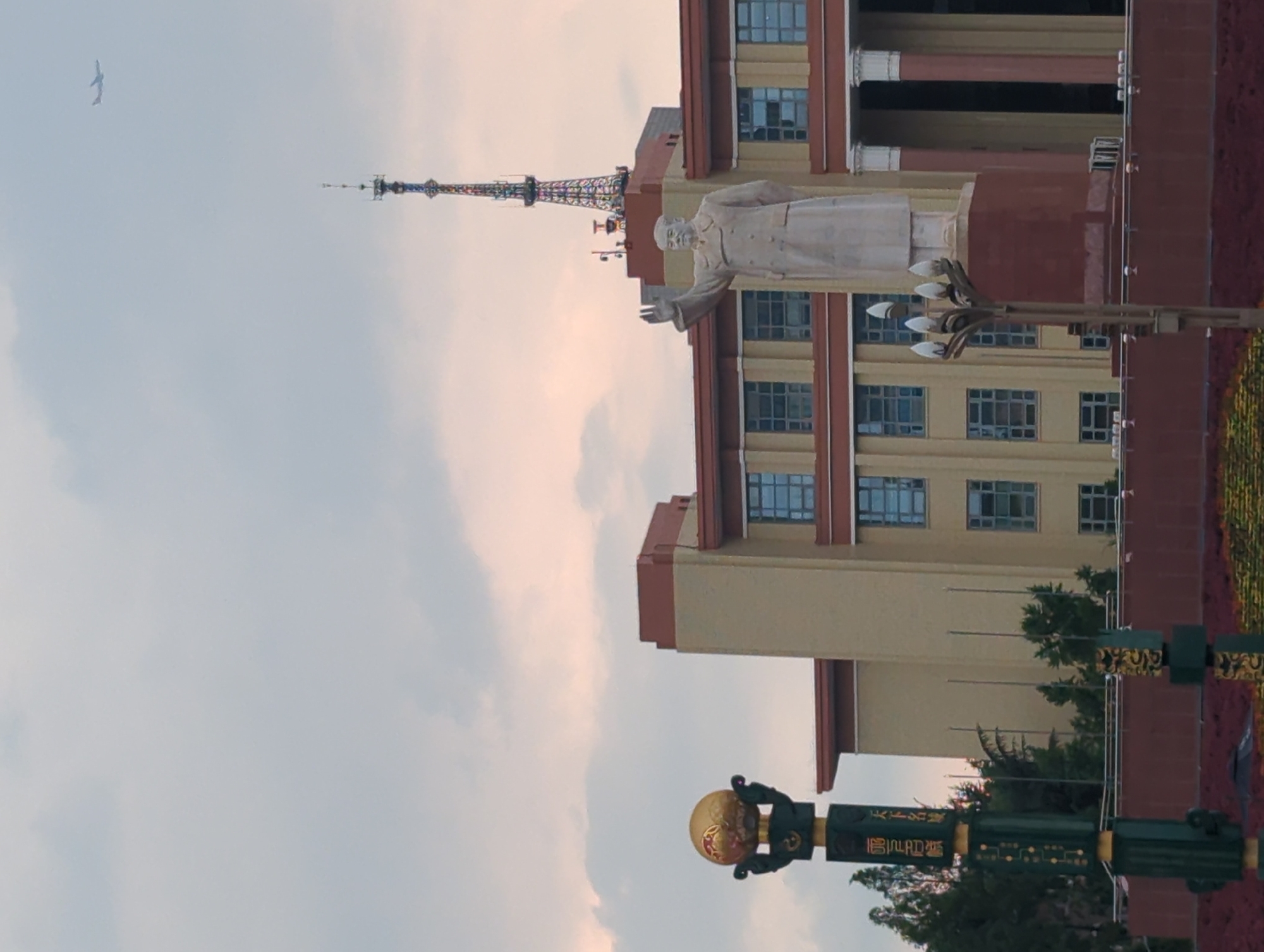
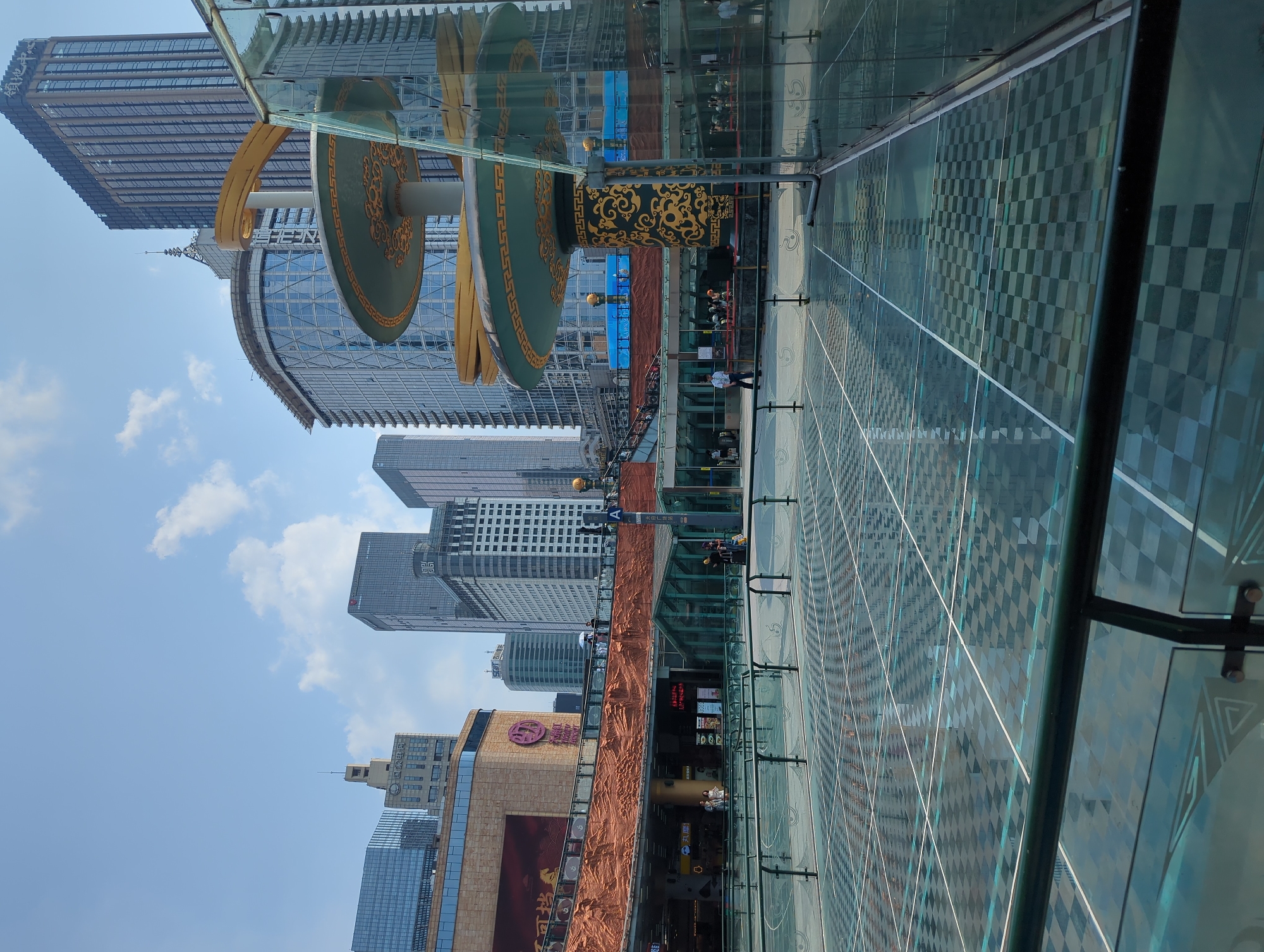
A low-angle, full-shot image captures a tall, light-grey stone statue of a male figure, presumed to be Mao Zedong, against an overcast, light-grey sky. The statue depicts the figure wearing a long, double-breasted overcoat with visible buttons and pockets. His left arm is raised high, palm open, in a gesturing or waving pose. His right arm is bent and positioned behind his back, partially obscured. The figure's head is tilted slightly upward and to the viewer's right. The statue rests on a multi-tiered pedestal. The upper portion of the pedestal is light-grey, matching the statue, while the lower, larger section is composed of reddish-brown rectangular blocks, possibly brick or stone cladding. Below the pedestal, a building or structure with matching reddish-brown facade material is visible. A metal railing, consisting of horizontal bars, extends across the top of this lower structure. Behind the railing, large, stylized red Chinese characters are partially visible, affixed to the top of the reddish-brown structure. The scene is set in Qingyang District, China.

A low-angle, full-shot image captures a tall, light-grey stone statue of a male figure, presumed to be Mao Zedong, against an overcast, light-grey sky. The statue depicts the figure wearing a long, double-breasted overcoat with visible buttons and pockets. His left arm is raised high, palm open, in a gesturing or waving pose. His right arm is bent and positioned behind his back, partially obscured. The figure's head is tilted slightly upward and to the viewer's right. The statue rests on a multi-tiered pedestal. The upper portion of the pedestal is light-grey, matching the statue, while the lower, larger section is composed of reddish-brown rectangular blocks, possibly brick or stone cladding. Below the pedestal, a building or structure with matching reddish-brown facade material is visible. A metal railing, consisting of horizontal bars, extends across the top of this lower structure. Behind the railing, large, stylized red Chinese characters are partially visible, affixed to the top of the reddish-brown structure. The scene is set in Qingyang District, China.

Qingyang District