Tuesday, June 23, 2026 · Updated Tuesday, June 23, 2026
La Tagua, Venezuela
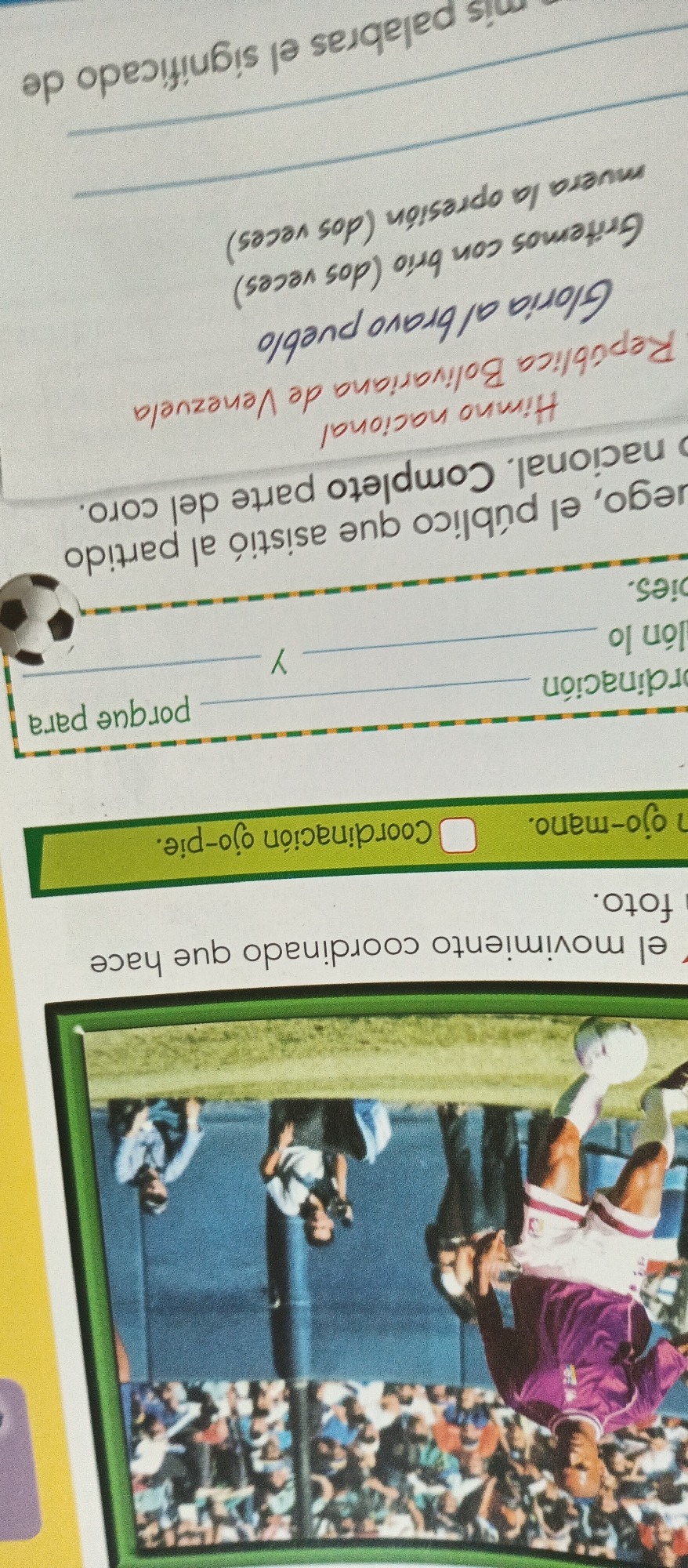
The image depicts a roadside bus stop with a tiled roof supported by four decorative columns. The bus stop is situated next to a road with a white line marking. Behind the bus stop, there is a natural setting with dry vegetation and some green bushes. A small pile of white and blue plastic debris is visible amongst the vegetation. The sky is cloudy, indicating a possibly overcast day. The time of day appears to be daytime, with moderate lighting. There is no visible text in the image. The scene suggests a rural or semi-rural location in La Tagua, Venezuela, characterized by its natural landscape and basic infrastructure.
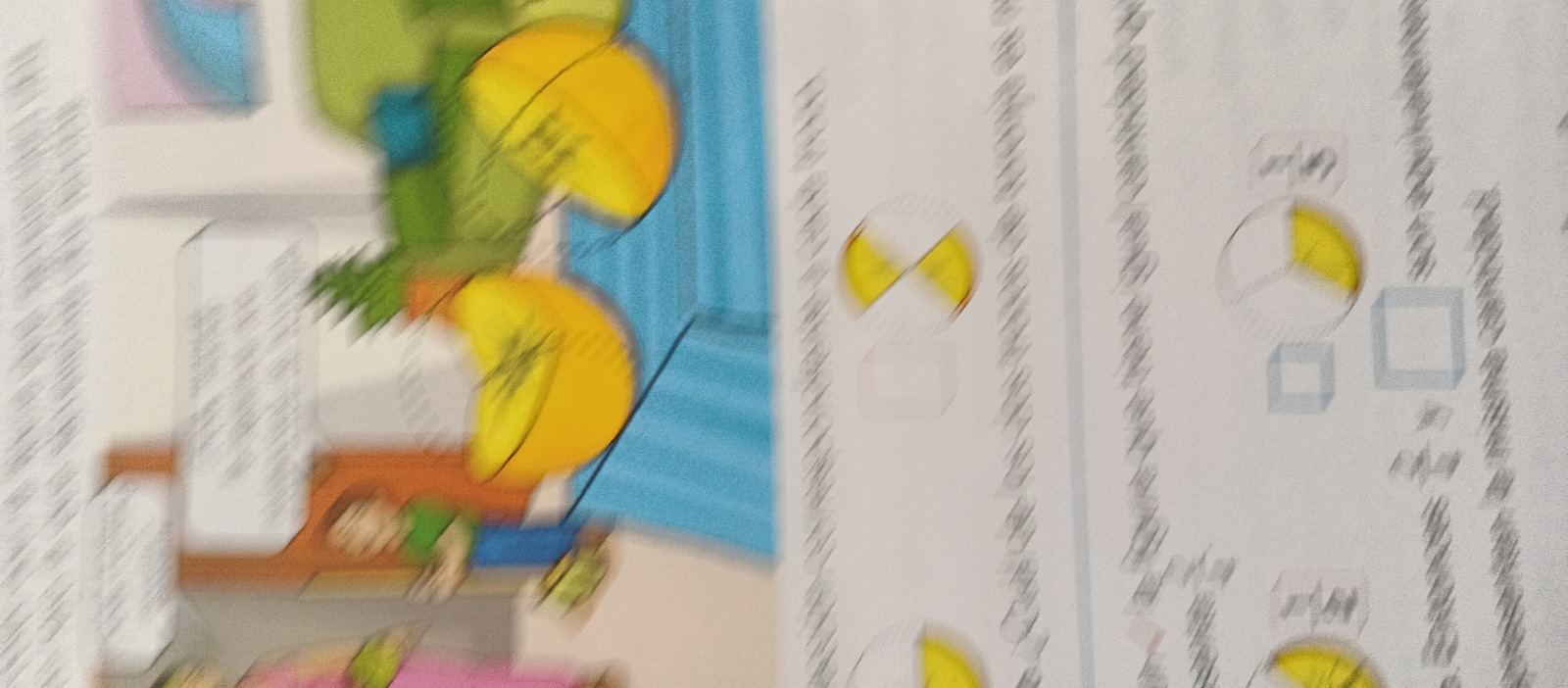
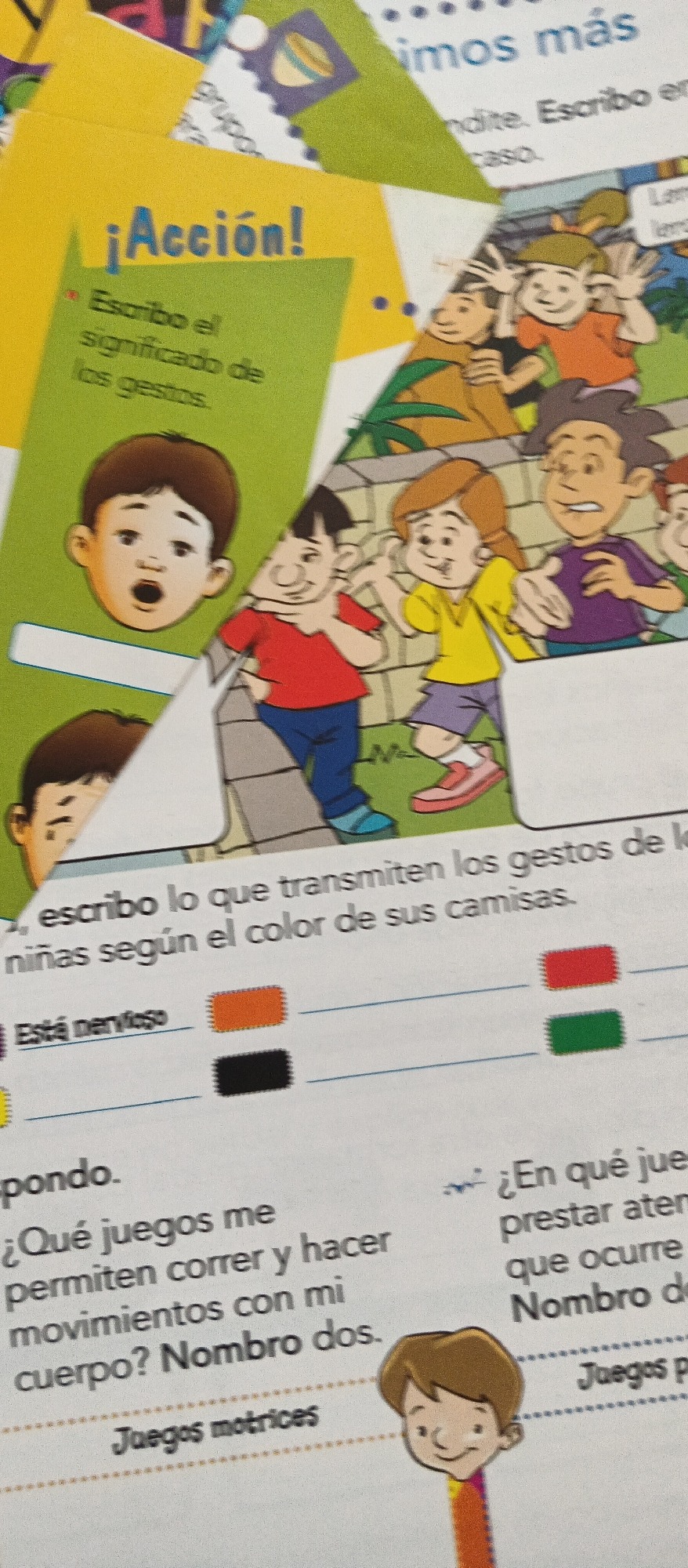
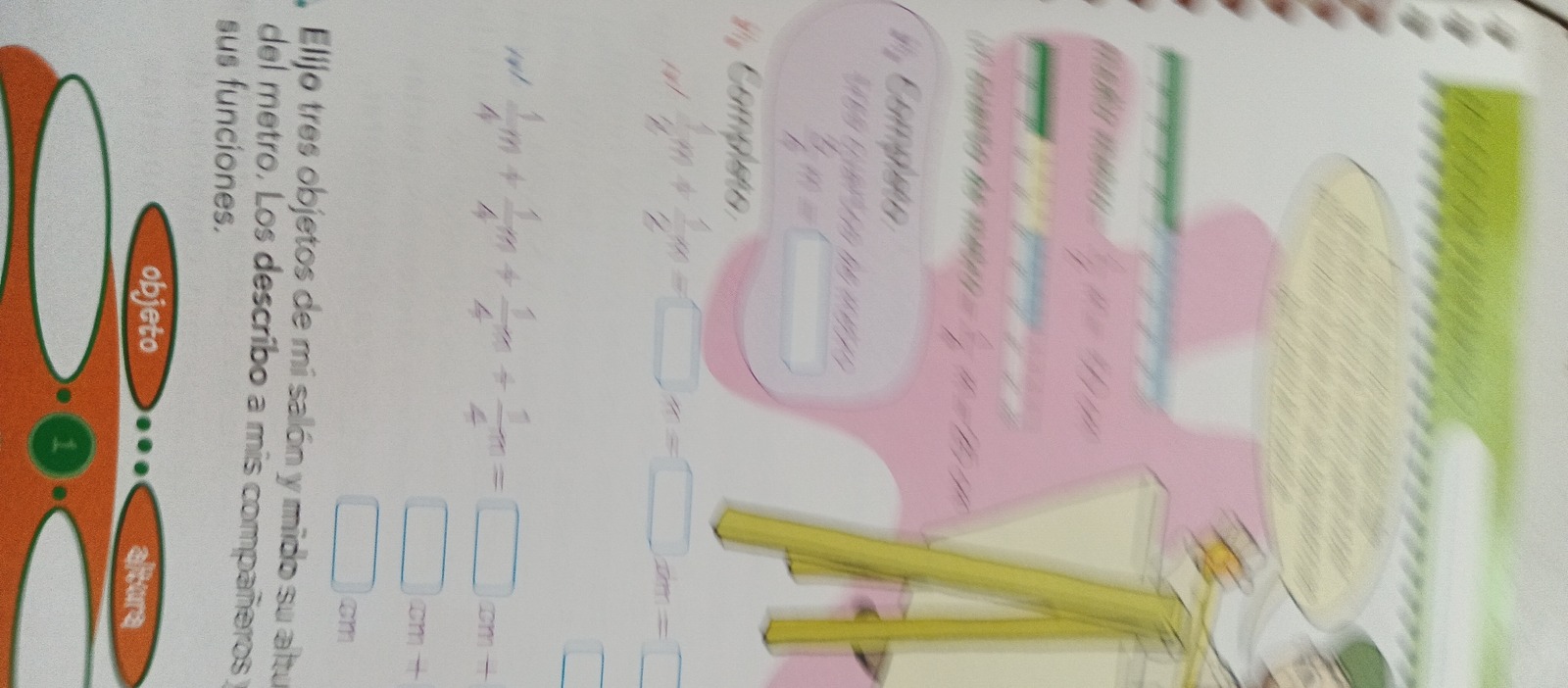
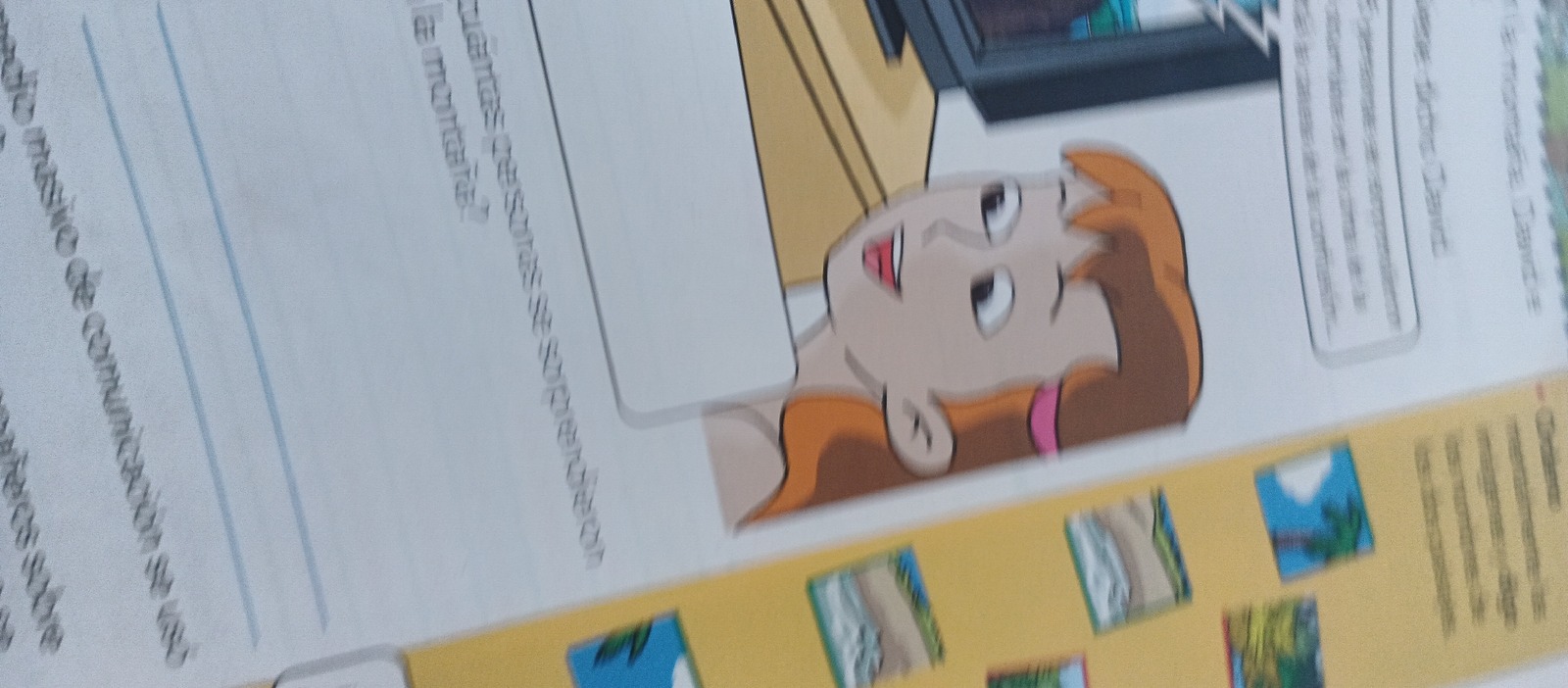
This is a close-up, slightly blurred photograph of a page from what appears to be a children's book or educational material. The page features colorful illustrations and text in what looks like Spanish.
The primary subjects are cartoonish depictions of people and objects. In the left half of the image, there is an illustration of what seems to be children resting or lying down on a brown surface, possibly a bed or couch. They are rendered in simple, bright colors, with one child wearing a green shirt and another partially visible in a pink garment. Above them, large, yellow, umbrella-like shapes dominate the scene, with some green foliage peeking out from behind them. A bright blue background suggests a wall or structure.
The right half of the page contains diagrams and text. There are several circular diagrams that look like pie charts, with sections colored yellow and white, indicating fractions. Next to these diagrams are small, blue square outlines. The text is in vertical columns and is written in Spanish, but due to the blurriness, it is not legible.
The overall impression is one of an educational page designed for children, possibly explaining concepts related to fractions or geometry, alongside a narrative illustration. The colors are vibrant, suggesting a cheerful and engaging presentation. There are no obvious cues for time of day or weather, but the indoor setting is implied by the presence of furniture and a structured background. The emotional tone conveyed by the illustrations is generally positive and relaxed. The location context of La Tagua, Venezuela, does not appear to be directly represented by any visual elements in this specific image.
La Tagua, Venezuela · Jun 23, 2026, 1:24 PM · 20.6k attention
This is a close-up, slightly blurred photograph of a page from what appears to be a children's book or educational material. The page features colorful illustrations and text in what looks like Spanish.
The primary subjects are cartoonish depictions of people and objects. In the left half of the image, there is an illustration of what seems to be children resting or lying down on a brown surface, possibly a bed or couch. They are rendered in simple, bright colors, with one child wearing a green shirt and another partially visible in a pink garment. Above them, large, yellow, umbrella-like shapes dominate the scene, with some green foliage peeking out from behind them. A bright blue background suggests a wall or structure.
The right half of the page contains diagrams and text. There are several circular diagrams that look like pie charts, with sections colored yellow and white, indicating fractions. Next to these diagrams are small, blue square outlines. The text is in vertical columns and is written in Spanish, but due to the blurriness, it is not legible.
The overall impression is one of an educational page designed for children, possibly explaining concepts related to fractions or geometry, alongside a narrative illustration. The colors are vibrant, suggesting a cheerful and engaging presentation. There are no obvious cues for time of day or weather, but the indoor setting is implied by the presence of furniture and a structured background. The emotional tone conveyed by the illustrations is generally positive and relaxed. The location context of La Tagua, Venezuela, does not appear to be directly represented by any visual elements in this specific image.
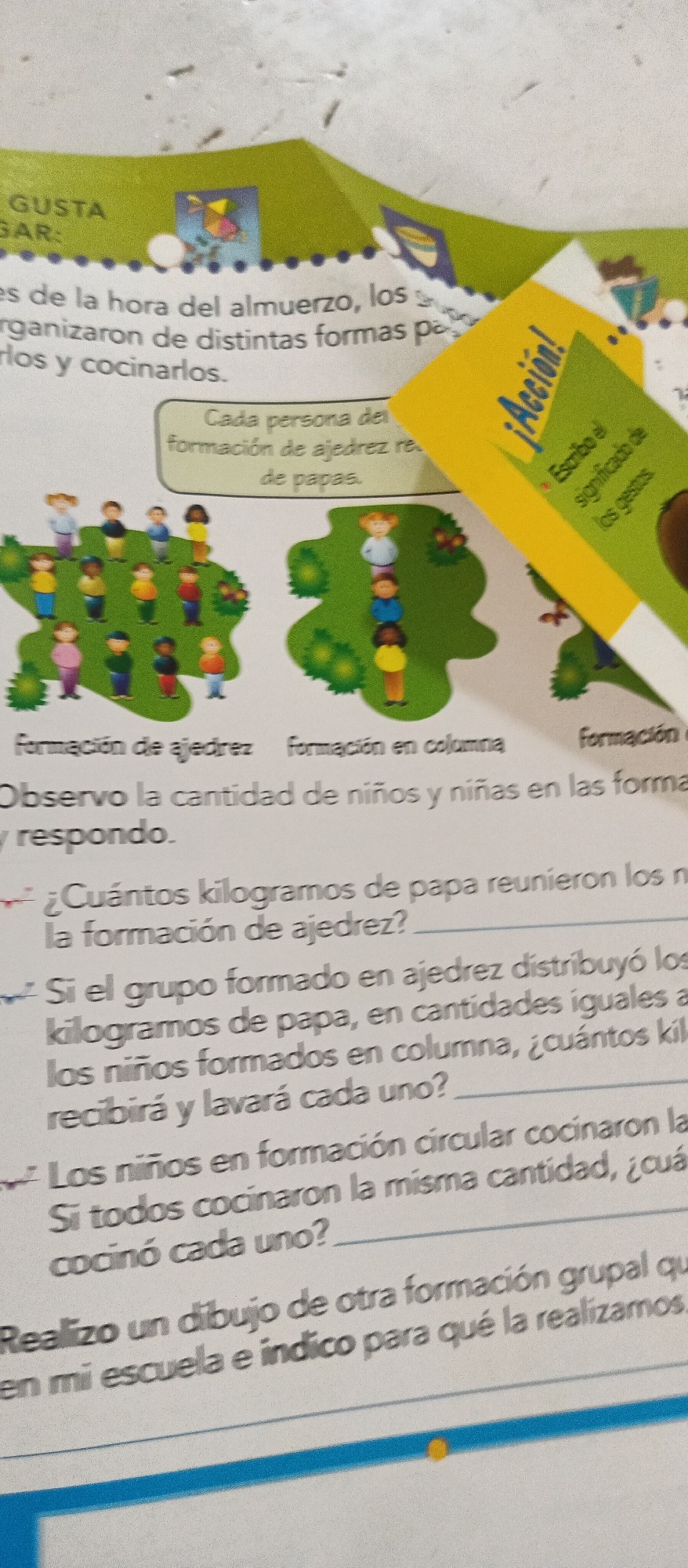
The image shows a page from a book or worksheet, oriented vertically, with text and illustrations. On the left, there is a decorative border of stylized flowers in green and yellow. The text is in Spanish and appears to be an activity or story related to a school or personal project.
The main content is on the right side, with a text block describing the creation of a "maqueta" (model or diorama) using colored paper, including elements from nature and social contexts. It mentions family, passing moments, and a teacher. Another section talks about a trip or excursion, mentioning a teacher, school, and routes. There is also a small illustration at the top of the right side depicting a child holding a yellow object, possibly part of the "maqueta" or an unrelated drawing.
The scene is not located in La Tagua, Venezuela. There are no visual cues in the image to suggest any specific geographical location, nor is there any text that references La Tagua or Venezuela. The image is a close-up of printed material.
La Tagua, Venezuela · Jun 23, 2026, 1:25 PM · 20.6k attention
The image shows a page from a book or worksheet, oriented vertically, with text and illustrations. On the left, there is a decorative border of stylized flowers in green and yellow. The text is in Spanish and appears to be an activity or story related to a school or personal project.
The main content is on the right side, with a text block describing the creation of a "maqueta" (model or diorama) using colored paper, including elements from nature and social contexts. It mentions family, passing moments, and a teacher. Another section talks about a trip or excursion, mentioning a teacher, school, and routes. There is also a small illustration at the top of the right side depicting a child holding a yellow object, possibly part of the "maqueta" or an unrelated drawing.
The scene is not located in La Tagua, Venezuela. There are no visual cues in the image to suggest any specific geographical location, nor is there any text that references La Tagua or Venezuela. The image is a close-up of printed material.
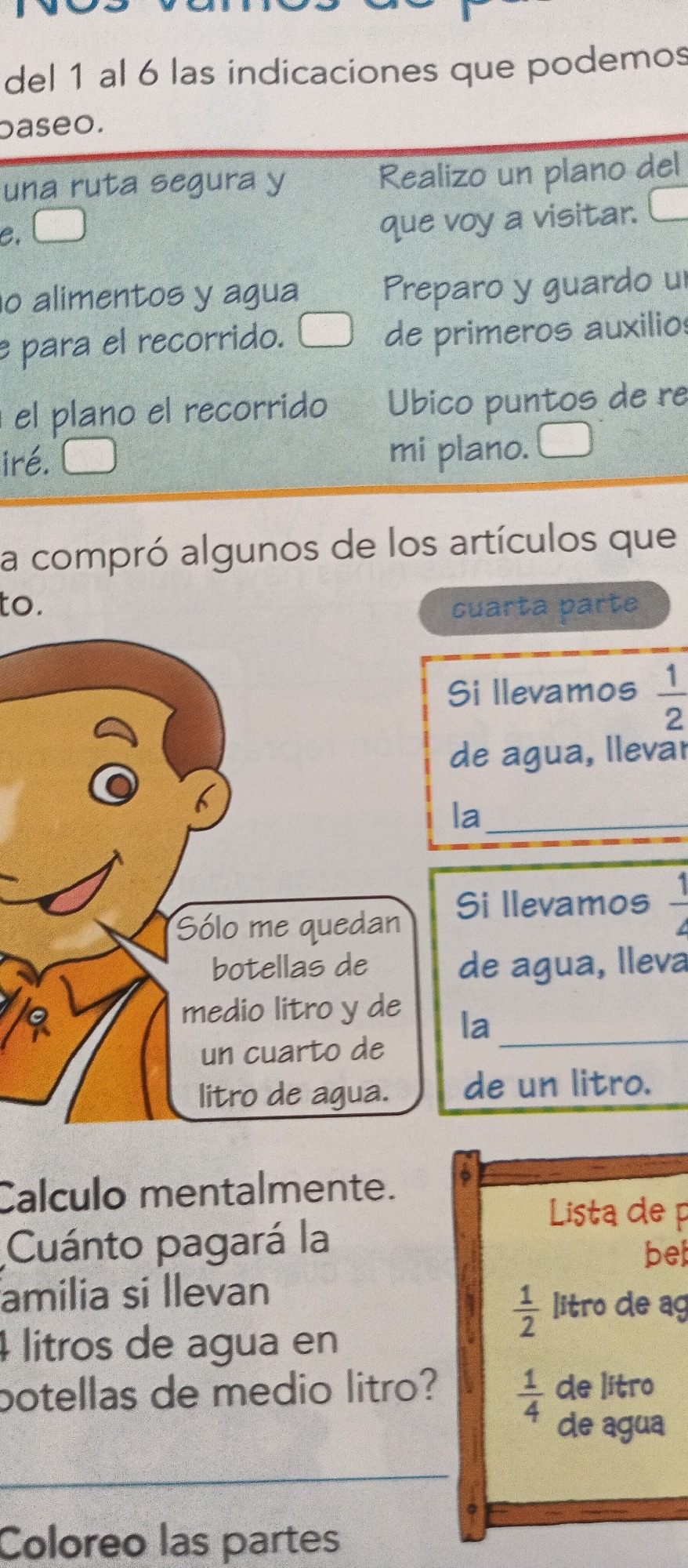
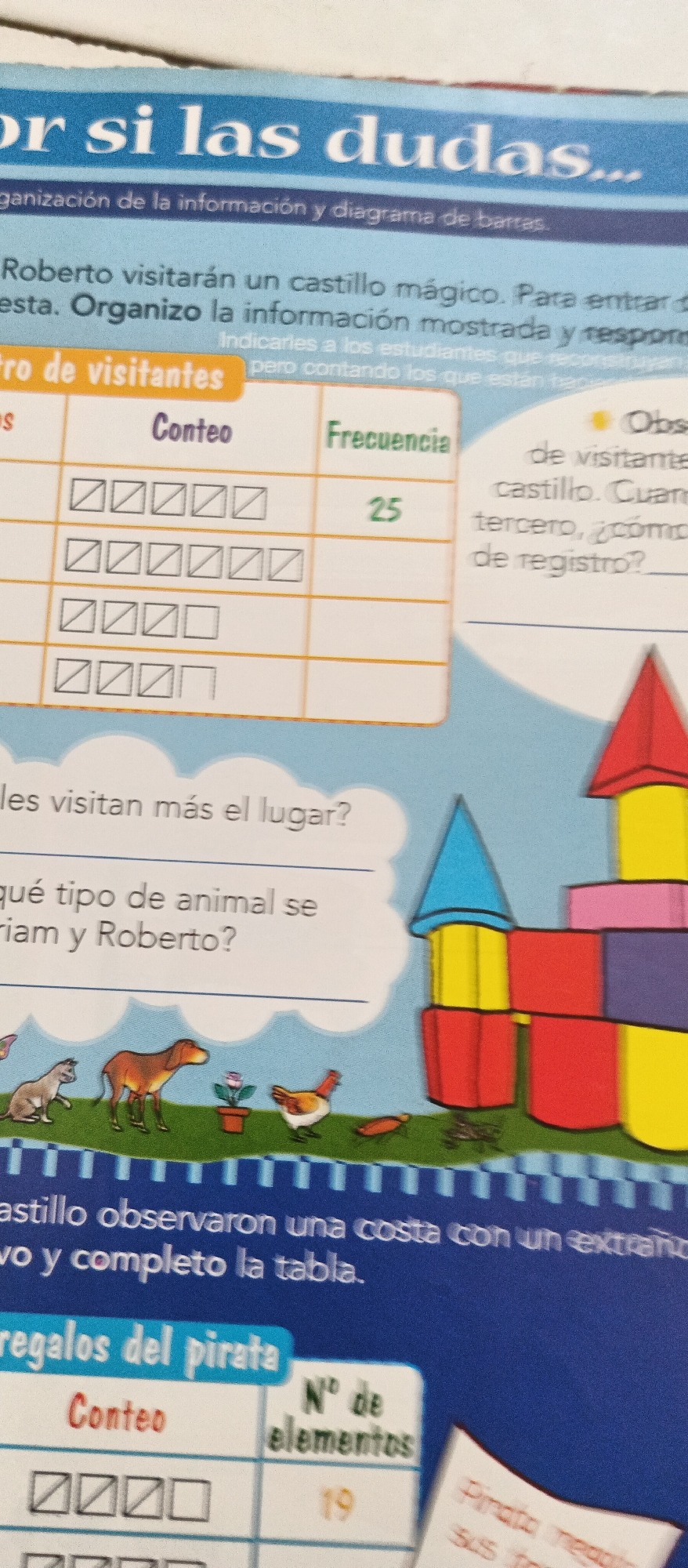
This media file is a close-up photograph of a page from a children's workbook or activity book. The page contains text in Spanish, along with illustrations.
The main subject is a cartoon drawing of a young boy with brown hair, large eyes, and a smiling expression. He is wearing an orange shirt. Next to him is a speech bubble with text.
The page is divided into several sections. The top section contains a list of instructions, some of which are accompanied by checkboxes. The text discusses "indications for the walk" and includes phrases like "a safe route" and "food and water."
Below this, there is a section with a heading "cuarta parte" (fourth part). This section contains two fill-in-the-blank sentences related to carrying water, with fractions like 1/2 and 1/4.
To the left, there is a speech bubble emanating from the cartoon boy that reads, "Sólo me quedan botellas de medio litro y de un cuarto de litro de agua" (I only have half-liter and quarter-liter bottles of water left).
Further down, there is a math problem asking, "Cuánto pagará la familia si llevan 4 litros de agua en botellas de medio litro?" (How much will the family pay if they carry 4 liters of water in half-liter bottles?).
On the right side, there is a framed section labeled "Lista de p" (List of p), with "beb" written below it. It then lists "½ litro de ag" and "1 de litro de agua".
The overall scene depicts educational material for children, likely focusing on planning, measurement, and basic arithmetic, possibly in the context of a school trip or outing. The setting appears to be a classroom or a home environment where educational activities are taking place. There are no clear indications of time of day, weather, or specific location cues beyond what is implied by the Spanish text. The tone is educational and engaging for young learners.
La Tagua, Venezuela · Jun 23, 2026, 1:25 PM · 20.5k attention
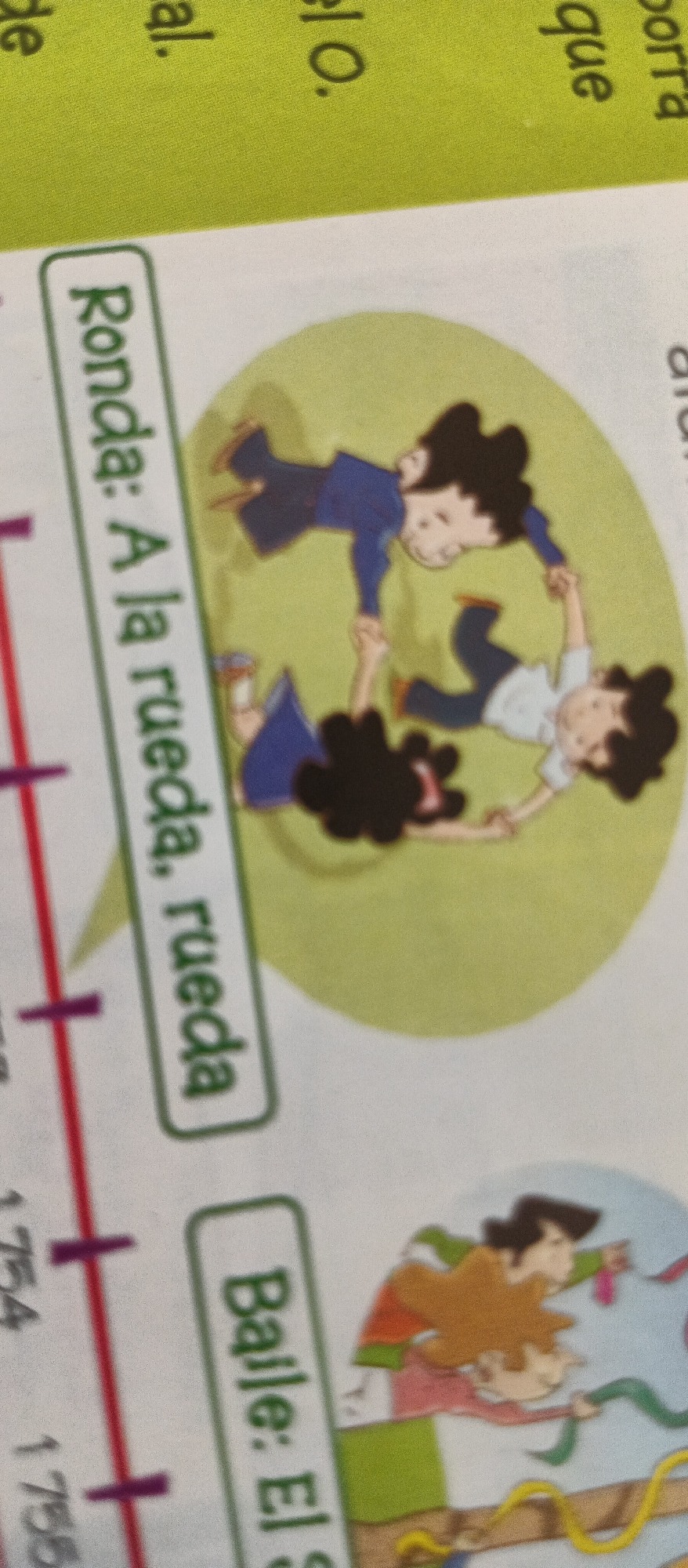
This image depicts an illustration of children engaged in activities. In the upper part of the image, three cartoon children are shown holding hands in a circle, appearing to be playing a game called "Ronda: A la rueda, rueda." They are all smiling and seem to be enjoying themselves. The background is a light green oval shape, suggesting an outdoor or playful setting.
Below this, to the right, another illustration shows two individuals, possibly older children or adults, participating in a dance or performance. They are holding ribbons and appear to be moving rhythmically. The background here is a lighter blue, hinting at a different setting, perhaps indoors or a more stylized representation.
To the left of the illustrations, there's a timeline with vertical markings and numbers, indicating the passage of time or specific dates. Some visible numbers are "1754" and "1755."
Visible text includes the title of the first game, "Ronda: A la rueda, rueda," which translates to "Round: To the wheel, wheel." There are also partial words visible above the illustrations, likely part of a larger text, such as "de," "al," "el O," and "que." Further text under the second illustration appears to be "Baile: El S."
The overall impression is a page from a children's book or educational material, illustrating different activities and perhaps historical events or periods, given the timeline. The context of La Tagua, Venezuela, suggests this material might be related to Venezuelan culture or history.
La Tagua, Venezuela · Jun 23, 2026, 1:27 PM · 20.5k attention
This media file is a close-up photograph of a page from a children's workbook or activity book. The page contains text in Spanish, along with illustrations.
The main subject is a cartoon drawing of a young boy with brown hair, large eyes, and a smiling expression. He is wearing an orange shirt. Next to him is a speech bubble with text.
The page is divided into several sections. The top section contains a list of instructions, some of which are accompanied by checkboxes. The text discusses "indications for the walk" and includes phrases like "a safe route" and "food and water."
Below this, there is a section with a heading "cuarta parte" (fourth part). This section contains two fill-in-the-blank sentences related to carrying water, with fractions like 1/2 and 1/4.
To the left, there is a speech bubble emanating from the cartoon boy that reads, "Sólo me quedan botellas de medio litro y de un cuarto de litro de agua" (I only have half-liter and quarter-liter bottles of water left).
Further down, there is a math problem asking, "Cuánto pagará la familia si llevan 4 litros de agua en botellas de medio litro?" (How much will the family pay if they carry 4 liters of water in half-liter bottles?).
On the right side, there is a framed section labeled "Lista de p" (List of p), with "beb" written below it. It then lists "½ litro de ag" and "1 de litro de agua".
The overall scene depicts educational material for children, likely focusing on planning, measurement, and basic arithmetic, possibly in the context of a school trip or outing. The setting appears to be a classroom or a home environment where educational activities are taking place. There are no clear indications of time of day, weather, or specific location cues beyond what is implied by the Spanish text. The tone is educational and engaging for young learners.
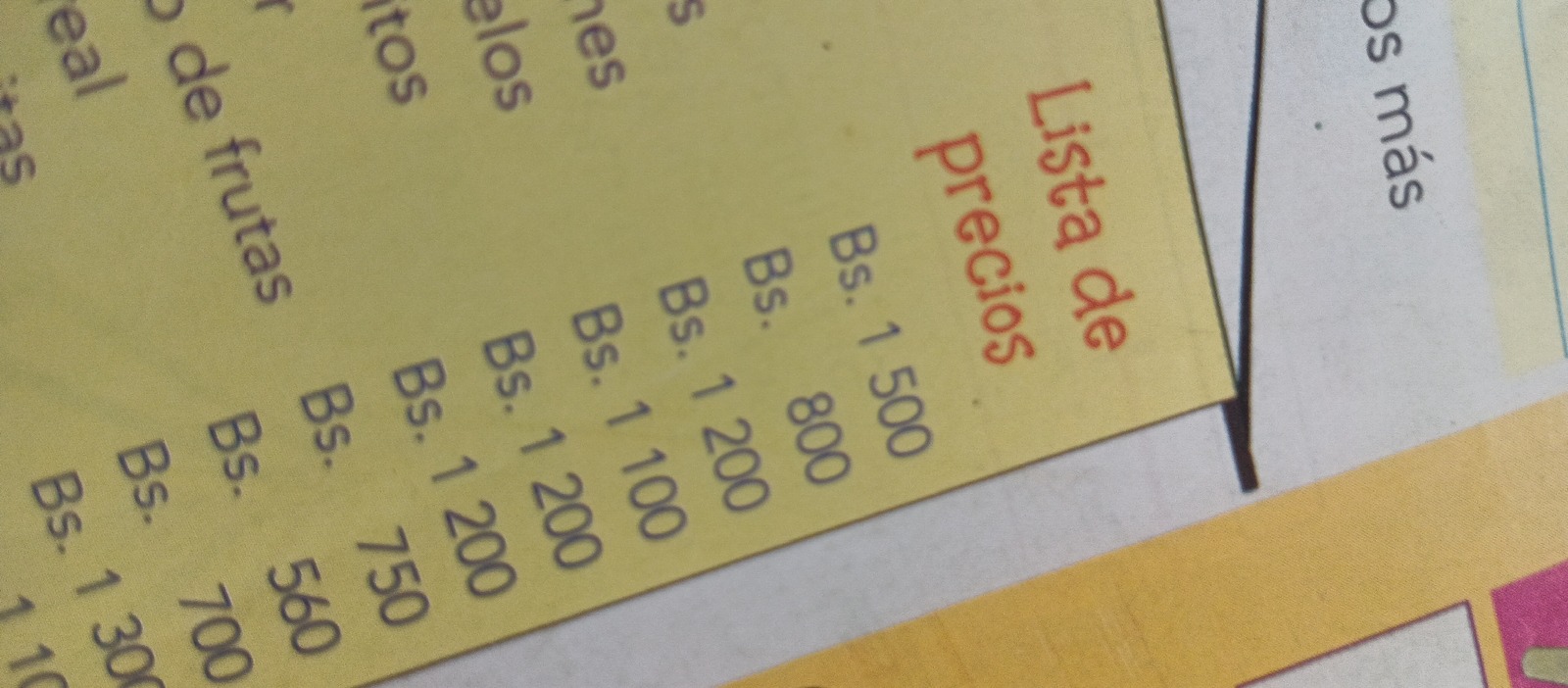
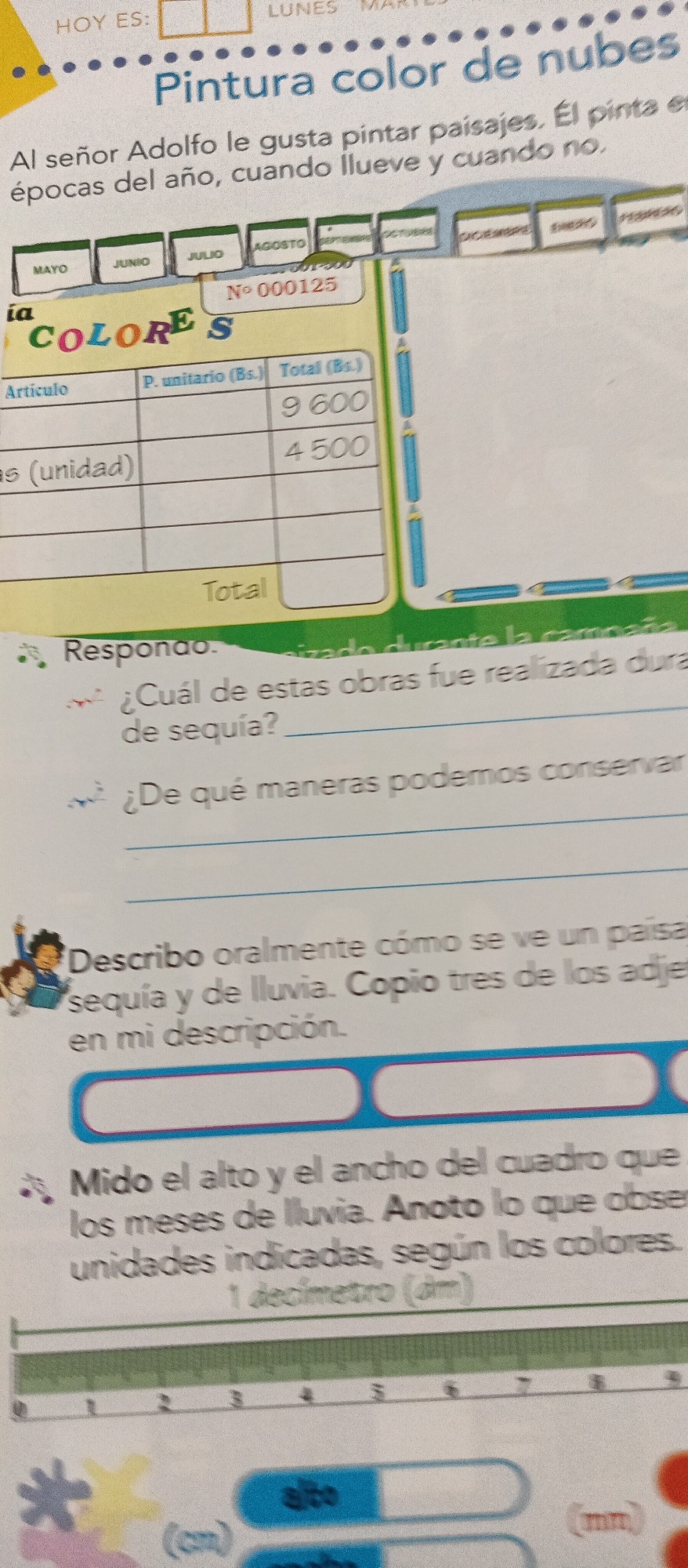
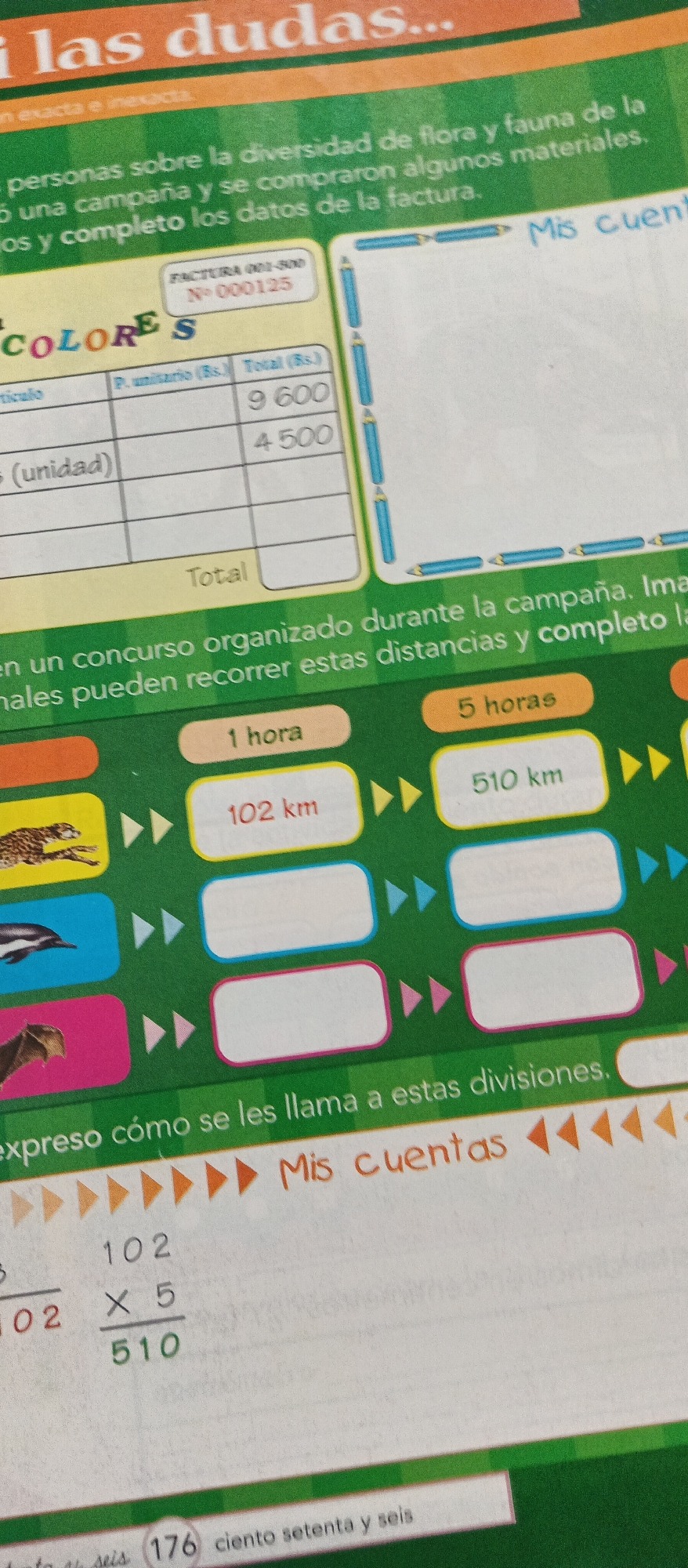
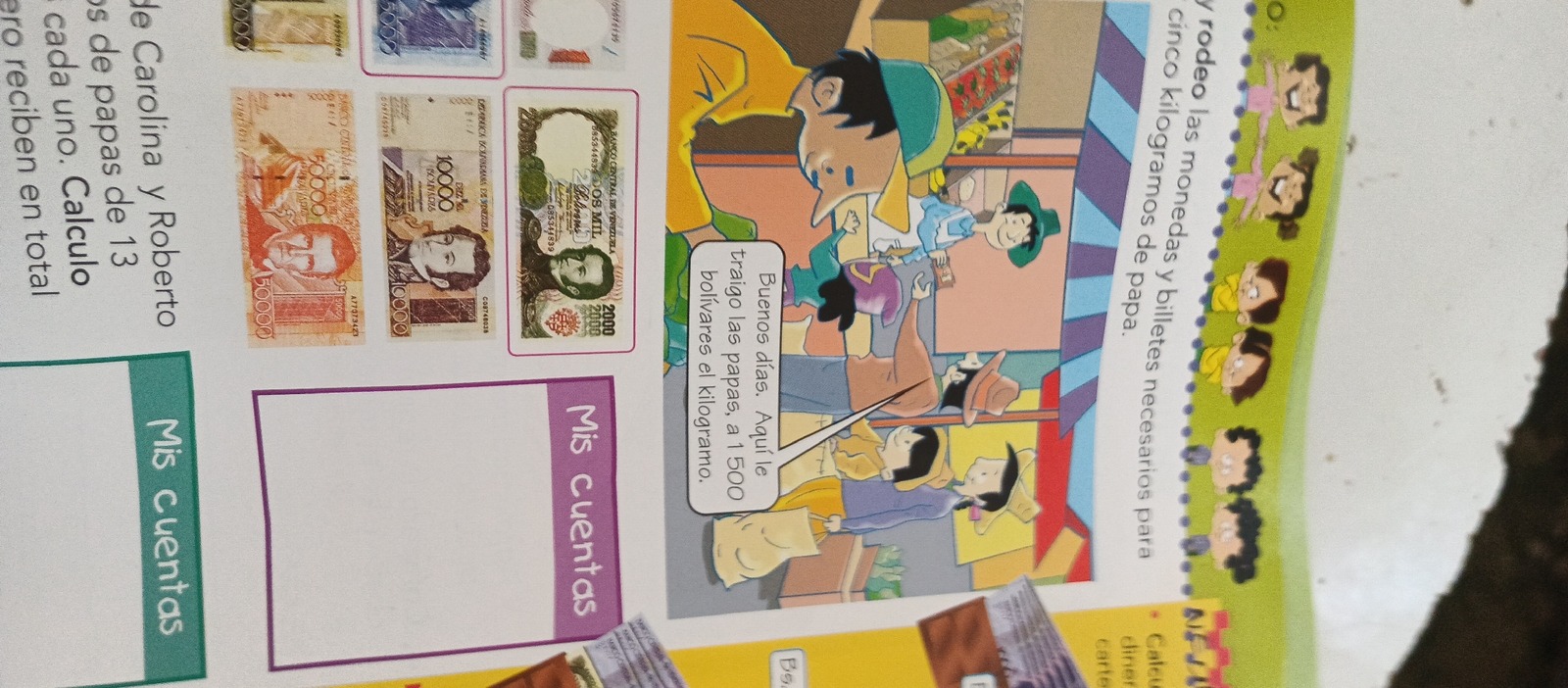
This media file contains a close-up view of a yellow piece of paper with text printed on it. The paper is angled, creating a dynamic perspective. The text appears to be a list of items with corresponding prices. The heading of the list is "Lista de precios" (Price list) printed in red. Below the heading, various items are listed with prices in "Bs." (Bolívares, the currency of Venezuela). Some of the items mentioned include "de frutas" (of fruits), "real" (real), "itos" (little ones), "elos" (a surname or adjective), and "nes" (possibly part of a word). The prices listed include "Bs. 1 500", "Bs. 800", "Bs. 1 200", "Bs. 1 100", "Bs. 1 200", "Bs. 1 200", "Bs. 750", "Bs. 560", "Bs. 700", and "Bs. 1 300". There is also partial text at the top right that reads "os más". The overall impression is that of a price tag or a receipt from a market or store in La Tagua, Venezuela, given the currency indicated. The lighting suggests it's daytime, and there are no obvious weather cues. The focus is entirely on the text and the paper, with no people or broader scene visible.
La Tagua, Venezuela · Jun 23, 2026, 1:27 PM · 20.5k attention
The image is a close-up, slightly blurred, overhead shot of text on a page, likely from a book. The text is in Spanish. The page is light blue with some faded red marks at the top left, suggesting it might be an illustration or marker. The text itself is printed in dark gray and is horizontally aligned. The content of the text appears to be narrative, with phrases like "El vampiro" (The vampire) and dialogue indicators like quotation marks. There is a small, stylized illustration on the left side of the page, near the middle, depicting a hand pointing with its index finger. The illustration is in shades of yellow and orange. The text is divided into paragraphs and lines, some of which are more legible than others due to the blurriness. There is no visible context relating to the city of La Tagua, Venezuela, in the image.
La Tagua, Venezuela · Jun 23, 2026, 1:25 PM · 20.5k attention
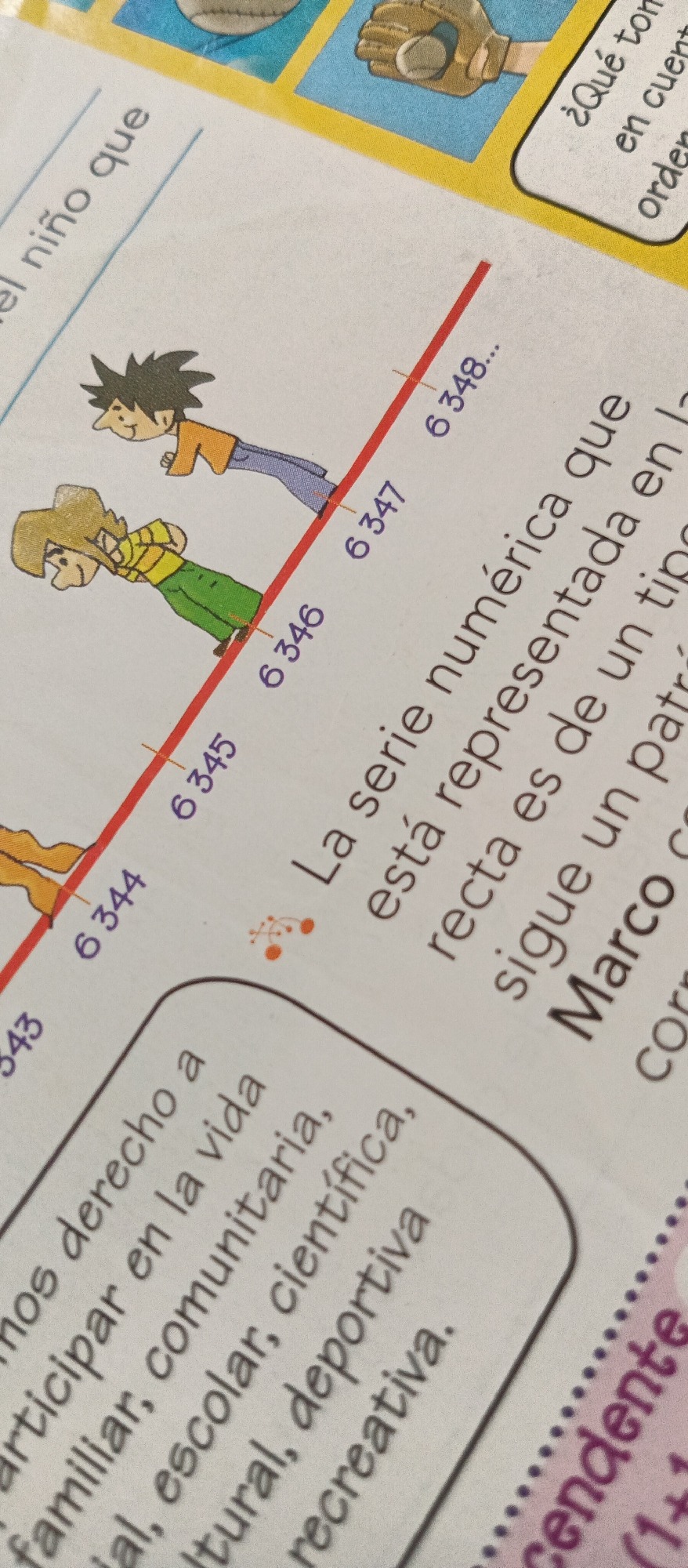
This media file is a close-up photograph of an open workbook or textbook page, likely from a children's educational setting in La Tagua, Venezuela. The page features illustrations of cartoon children positioned along a diagonal red line that represents a number line. The children appear to be engaged in some form of activity, possibly a race or movement exercise, as indicated by their poses.
The number line is marked with numerical increments, with visible numbers including 6343, 6344, 6345, 6346, 6347, and 6348, suggesting a lesson on numerical sequencing or measurement. To the upper left of the page, partially obscured text reads "el niño que," which translates to "the boy who." To the upper right, there is a speech bubble with text in Spanish, including "¿Qué tor..." and "en cuent..." and "orden," suggesting a question about observation or ordering.
Below the number line, a large section of text in Spanish discusses rights, specifically "nos derecho a participar en la vida familiar, comunitaria, al, escolar, científica, cultural, deportiva, recreativa." This translates to "our right to participate in family, community, school, scientific, cultural, sports, and recreational life." A circular graphic with dots and two small orange circles is positioned between the number line and the text.
Further down the page, the text "Marco" is visible, followed by "sigue un patrí" and "cendente" with dotted lines and "(1+1," indicating a context related to names, sequences, or perhaps mathematical problems. The overall impression is an educational page designed to engage young learners with visual aids and text to teach about numbers and societal rights. The lighting suggests an indoor setting with artificial light or bright daylight, with no specific time of day or weather conditions discernible.
La Tagua, Venezuela · Jun 23, 2026, 1:27 PM · 20.5k attention
This image depicts an illustration of children engaged in activities. In the upper part of the image, three cartoon children are shown holding hands in a circle, appearing to be playing a game called "Ronda: A la rueda, rueda." They are all smiling and seem to be enjoying themselves. The background is a light green oval shape, suggesting an outdoor or playful setting.
Below this, to the right, another illustration shows two individuals, possibly older children or adults, participating in a dance or performance. They are holding ribbons and appear to be moving rhythmically. The background here is a lighter blue, hinting at a different setting, perhaps indoors or a more stylized representation.
To the left of the illustrations, there's a timeline with vertical markings and numbers, indicating the passage of time or specific dates. Some visible numbers are "1754" and "1755."
Visible text includes the title of the first game, "Ronda: A la rueda, rueda," which translates to "Round: To the wheel, wheel." There are also partial words visible above the illustrations, likely part of a larger text, such as "de," "al," "el O," and "que." Further text under the second illustration appears to be "Baile: El S."
The overall impression is a page from a children's book or educational material, illustrating different activities and perhaps historical events or periods, given the timeline. The context of La Tagua, Venezuela, suggests this material might be related to Venezuelan culture or history.
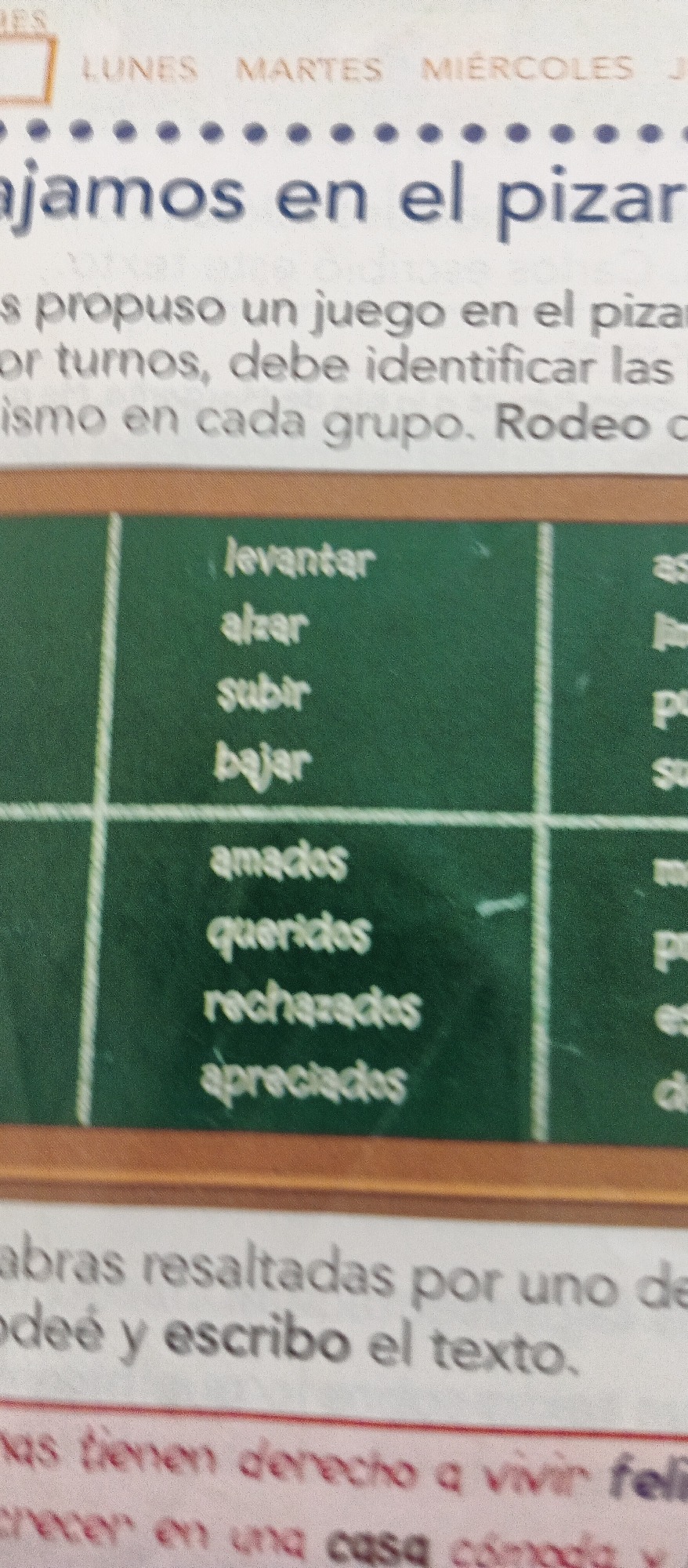
The image shows a page from a book or workbook, likely for children, with Spanish text and a section that appears to be an exercise on a chalkboard. The top of the page displays days of the week in Spanish: LUNES (Monday), MARTES (Tuesday), MIÉRCOLES (Wednesday). Below this, there is a heading that is partially visible, with the visible part reading "ajamos en el pizar" which could be part of a phrase like "Trabajamos en el pizarrón" (We work on the chalkboard).
A prominent feature is a green chalkboard with white text, divided into sections by white lines. The left side of the chalkboard lists several Spanish words, seemingly verbs and adjectives: "levantar", "alzar", "subir", "bajar", "amados", "queridos", "rechazados", and "apreciados". The right side of the chalkboard has some partially visible letters and words, likely corresponding to the items on the left.
Below the chalkboard, there is more Spanish text, including a sentence that starts with "abras resaltadas por uno de" and continues with "odeé y escribo el texto." This suggests an instruction to circle or highlight words and then write a text.
Further down, there is a line of red text that reads "nas tienen derecho a vivir feli" followed by another line of text "crecer en una casa cómoda y". These appear to be sentences related to rights or well-being, possibly part of a lesson or a prompt for the writing exercise.
The overall impression is that this is an educational material focused on language learning, specifically vocabulary related to actions and descriptions, and potentially practicing writing skills. The context of "La Tagua, Venezuela" suggests the origin of the material. The image is a close-up, slightly angled shot of the page, with the lighting suggesting it was taken indoors.
La Tagua, Venezuela · Jun 23, 2026, 1:27 PM · 20.5k attention
This media file contains a close-up view of a yellow piece of paper with text printed on it. The paper is angled, creating a dynamic perspective. The text appears to be a list of items with corresponding prices. The heading of the list is "Lista de precios" (Price list) printed in red. Below the heading, various items are listed with prices in "Bs." (Bolívares, the currency of Venezuela). Some of the items mentioned include "de frutas" (of fruits), "real" (real), "itos" (little ones), "elos" (a surname or adjective), and "nes" (possibly part of a word). The prices listed include "Bs. 1 500", "Bs. 800", "Bs. 1 200", "Bs. 1 100", "Bs. 1 200", "Bs. 1 200", "Bs. 750", "Bs. 560", "Bs. 700", and "Bs. 1 300". There is also partial text at the top right that reads "os más". The overall impression is that of a price tag or a receipt from a market or store in La Tagua, Venezuela, given the currency indicated. The lighting suggests it's daytime, and there are no obvious weather cues. The focus is entirely on the text and the paper, with no people or broader scene visible.
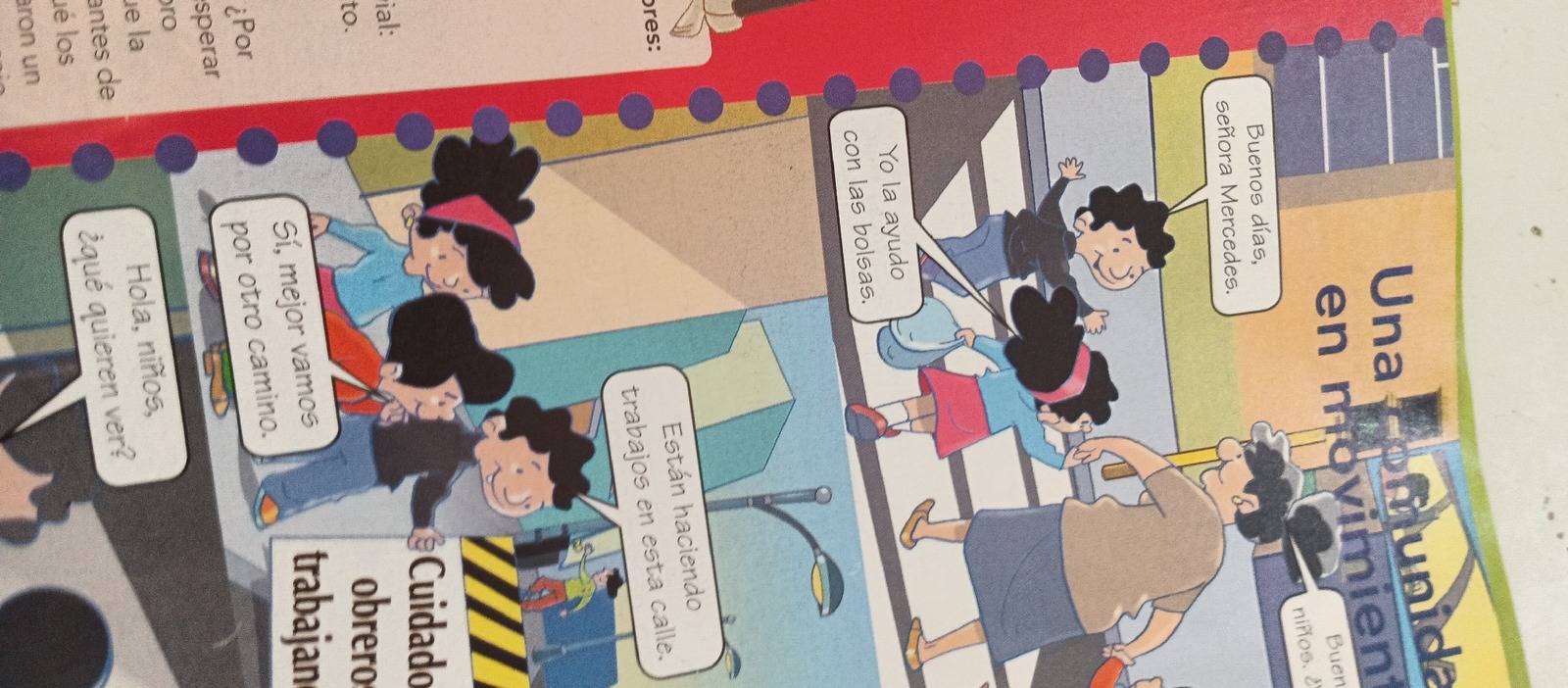
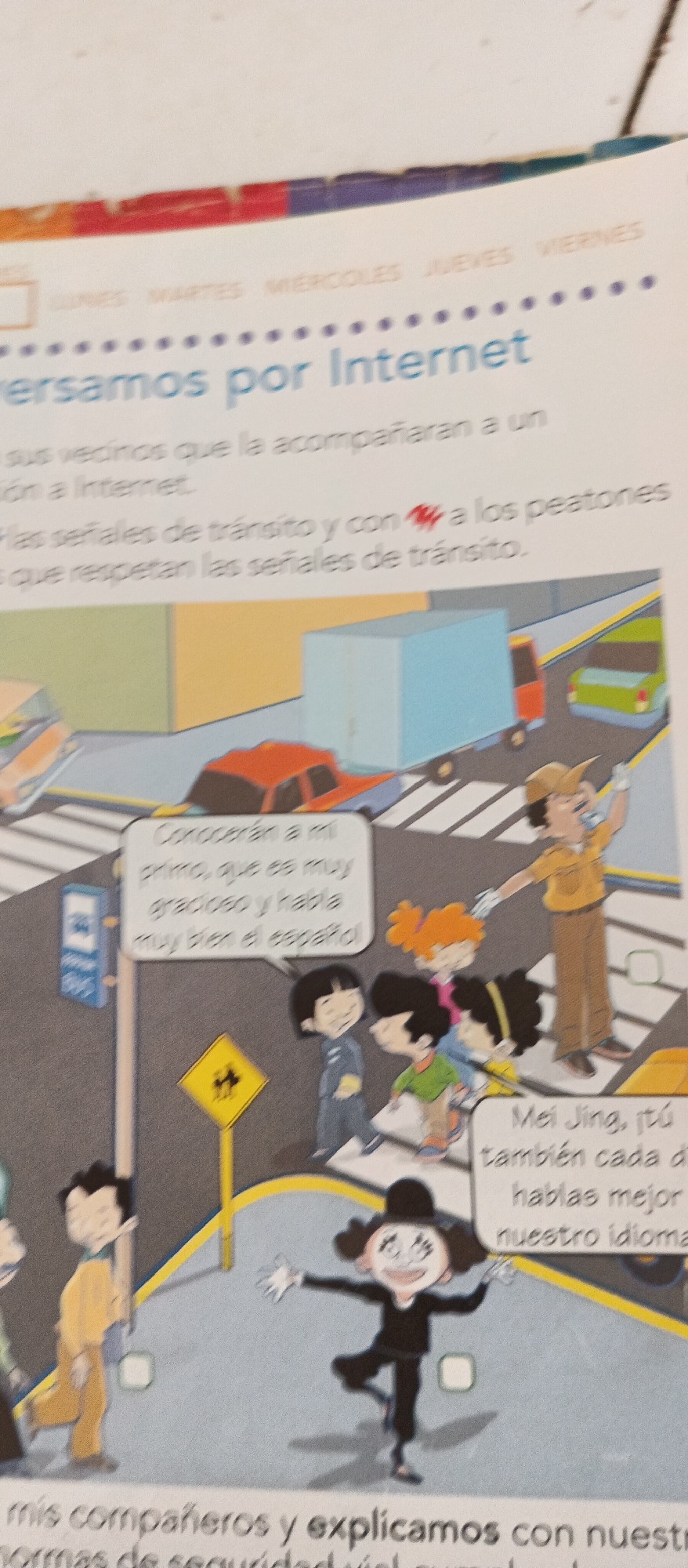
The image is an illustration from a children's book or educational material, likely depicting a scene in La Tagua, Venezuela. The illustration shows a group of people in an urban or suburban setting, possibly a street with a crosswalk.
There are several children and adults depicted. Two children, a boy and a girl, are shown walking together. The boy is offering to help the girl with her bags, as indicated by the speech bubble saying "Yo la ayudo con las bolsas." Another girl, who seems to be their friend, asks them, "Hola, niños, ¿qué quieren ver?" (Hello, children, what do you want to see?). A woman, presumably Señora Mercedes, is greeted by a boy with "Buenos días, señora Mercedes." (Good morning, Mrs. Mercedes.). Another woman is walking with a shopping bag, and a boy is walking ahead of her. In the background, there are more people, some of whom appear to be construction workers, with a sign that reads "Cuidado obreros trabajando" (Careful, workers working). The overall atmosphere seems cheerful and communal.
The scene is set during the daytime, as suggested by the lighting and the general activity. The presence of a crosswalk and street suggests an urban or town environment. The clothing of the characters is casual, and their expressions are generally happy and friendly, indicating a pleasant day. The colors are bright and inviting, typical of children's illustrations. The text in the image provides dialogue and contextual information, enriching the narrative of the scene.
La Tagua, Venezuela · Jun 23, 2026, 1:25 PM · 20.5k attention
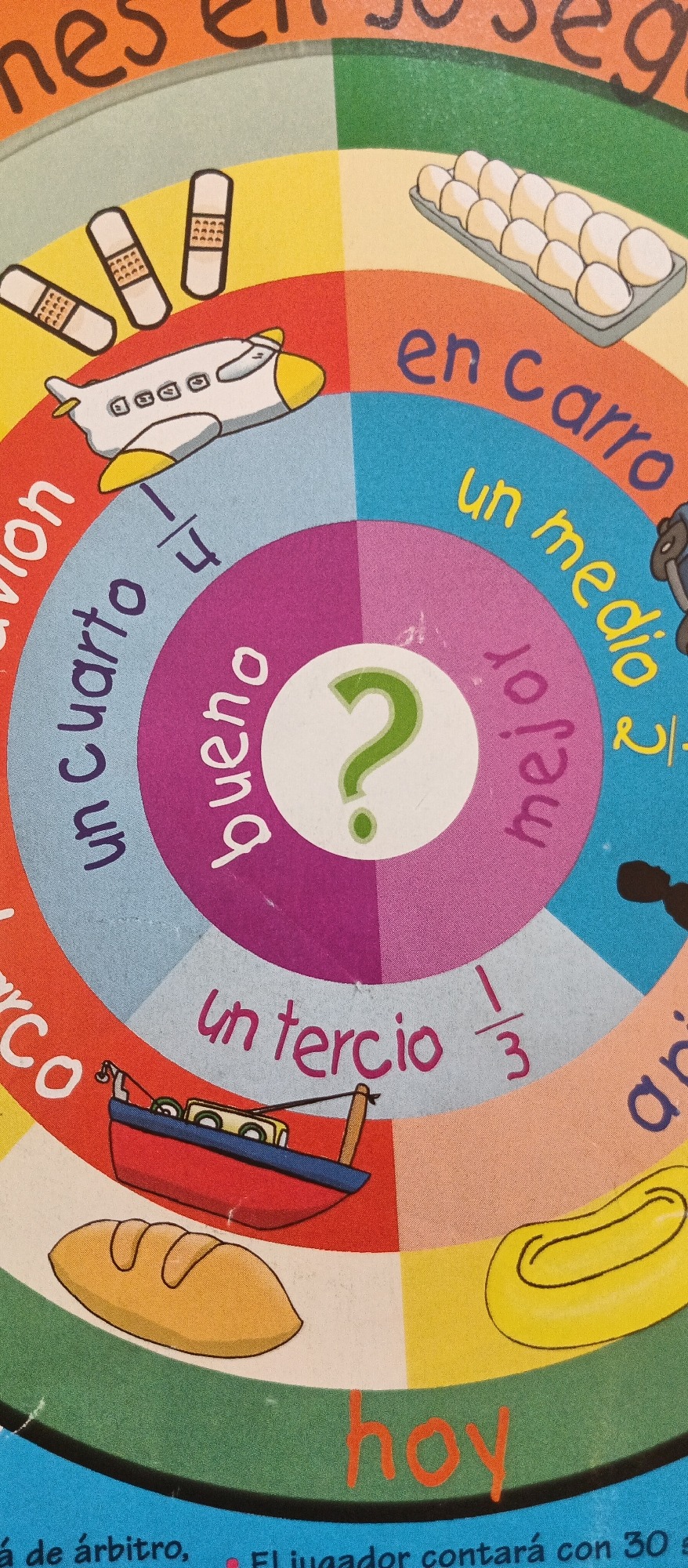
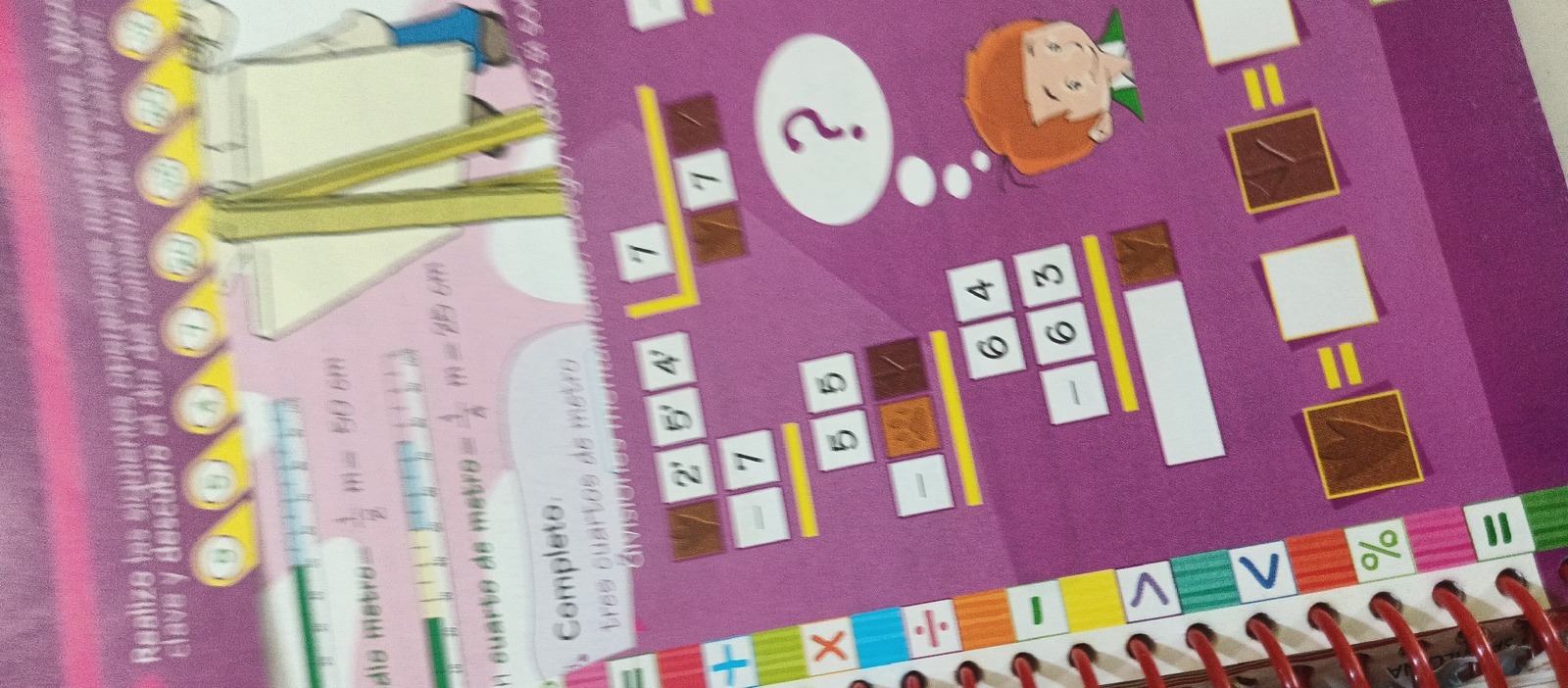
The image is a top-down, close-up shot of a circular game board or mat, likely intended for children, featuring colorful sections and illustrations. The game appears to be in Spanish, as indicated by the visible text.
The subjects depicted are a collection of cartoon-style illustrations on a circular, segmented background. We see an airplane, three band-aids, a tray of eggs, a boat, a loaf of bread, and what appears to be a deflated inner tube or float. In the center of the circle is a large green question mark.
The text visible in the image includes phrases like "nes en juego" (games in play), "un avión" (an airplane), "un cuarto" (a quarter), "un medio" (a half), "un tercio" (a third), "en carro" (in a car), "mejor" (better), and "hoy" (today). There are also fragments of other words and phrases related to game instructions.
The game board is divided into wedges of different colors, including orange, yellow, blue, purple, red, and green. The overall impression is one of a playful and educational game, likely focused on counting, fractions, or vocabulary. There are no people visible in the image. The scene is static, as it is a close-up of a game board, and no specific time of day, weather, or strong emotional cues are conveyed beyond the general sense of fun associated with a children's game. The location context of La Tagua, Venezuela, is provided but not visually evident from the image itself.
La Tagua, Venezuela · Jun 23, 2026, 1:25 PM · 20.5k attention
The media file is a close-up, slightly blurred illustration of two young cartoon children against a vibrant yellow and orange background. The child on the left has dark hair and is wearing a blue uniform with a white collar, and a backpack with colorful books. The child on the right has red hair, large light blue glasses, and is also wearing a similar blue uniform with a white collar and a purple backpack. The children appear to be walking or standing together, possibly on their way to school, indicated by their uniforms and backpacks. The overall mood is cheerful and bright, suggesting a sunny day. There is no visible text in the image. The location context provided is La Tagua, Venezuela.
La Tagua, Venezuela · Jun 23, 2026, 1:28 PM · 20.4k attention
This is a close-up, vertically oriented photograph of a colorful cover, likely for a book or magazine, featuring cartoon illustrations of children. The cover is divided into horizontal stripes of varying colors, including red, blue, yellow, green, orange, and purple, creating a rainbow effect.
The subjects are several animated children, depicted in a style that suggests a storybook or educational material. They are wearing blue uniforms and carrying books. One child is on a skateboard. Their faces show a range of cheerful expressions, implying a positive and playful theme.
The cover appears to be part of a larger item, as indicated by the red section on the left, which seems to be a border or another part of the object. The background on the right of the image is a plain white, speckled with small brown marks, which could be dirt or imperfections on the surface.
There is visible text on the cover. In the upper right quadrant, there are large, stylized letters forming what appears to be a word. The letters are black and against the colored stripes. Partially visible are "P", "u", "e", and "n", with a blue shape within the "P" that resembles an eye. Below this, there are more black letters, including "San" and possibly other letters that are partially obscured. A small, green cartoon dragon-like creature is also visible on one of the orange stripes.
The context of La Tagua, Venezuela, is provided, but there are no specific visual cues within the image itself to confirm this location. The time of day and weather are not discernible. The overall impression is of a vibrant and engaging children's product.
La Tagua, Venezuela · Jun 23, 2026, 1:28 PM · 20.4k attention
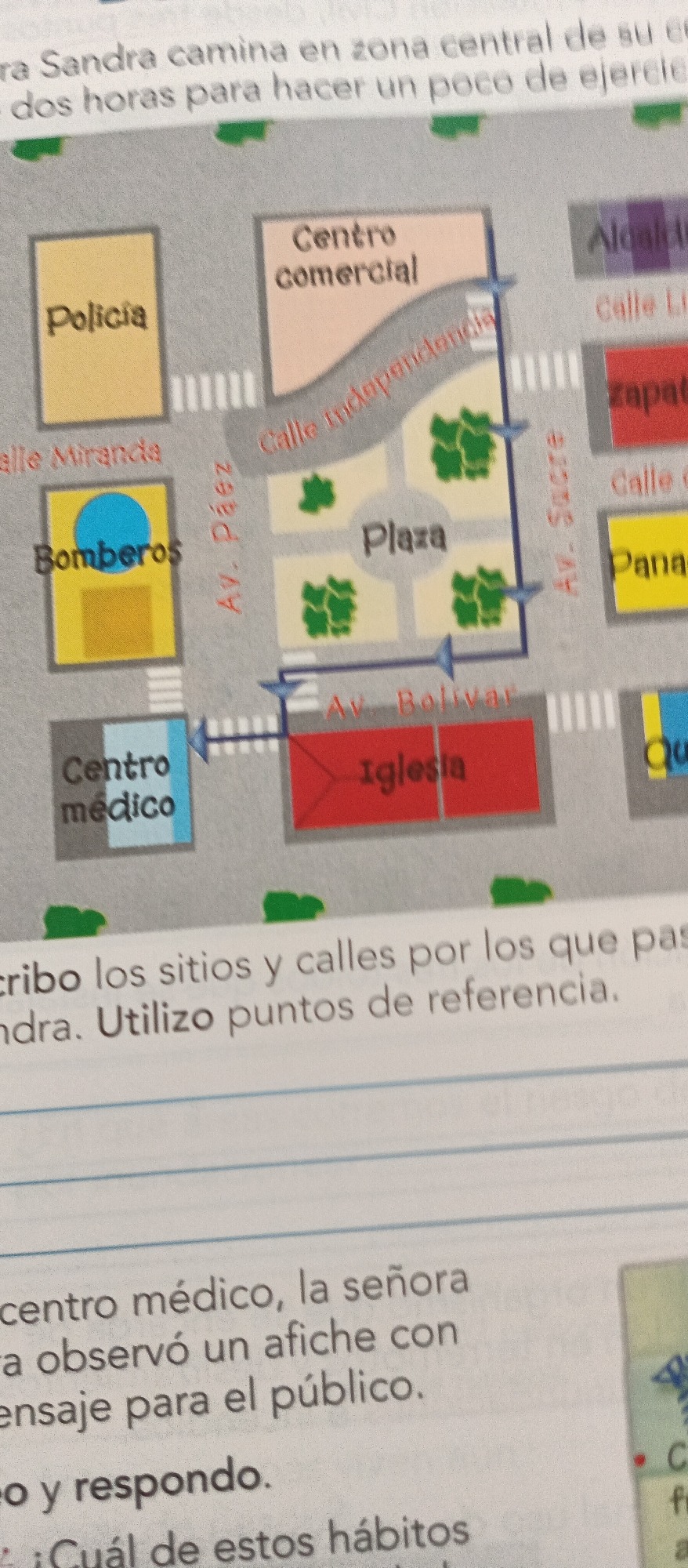
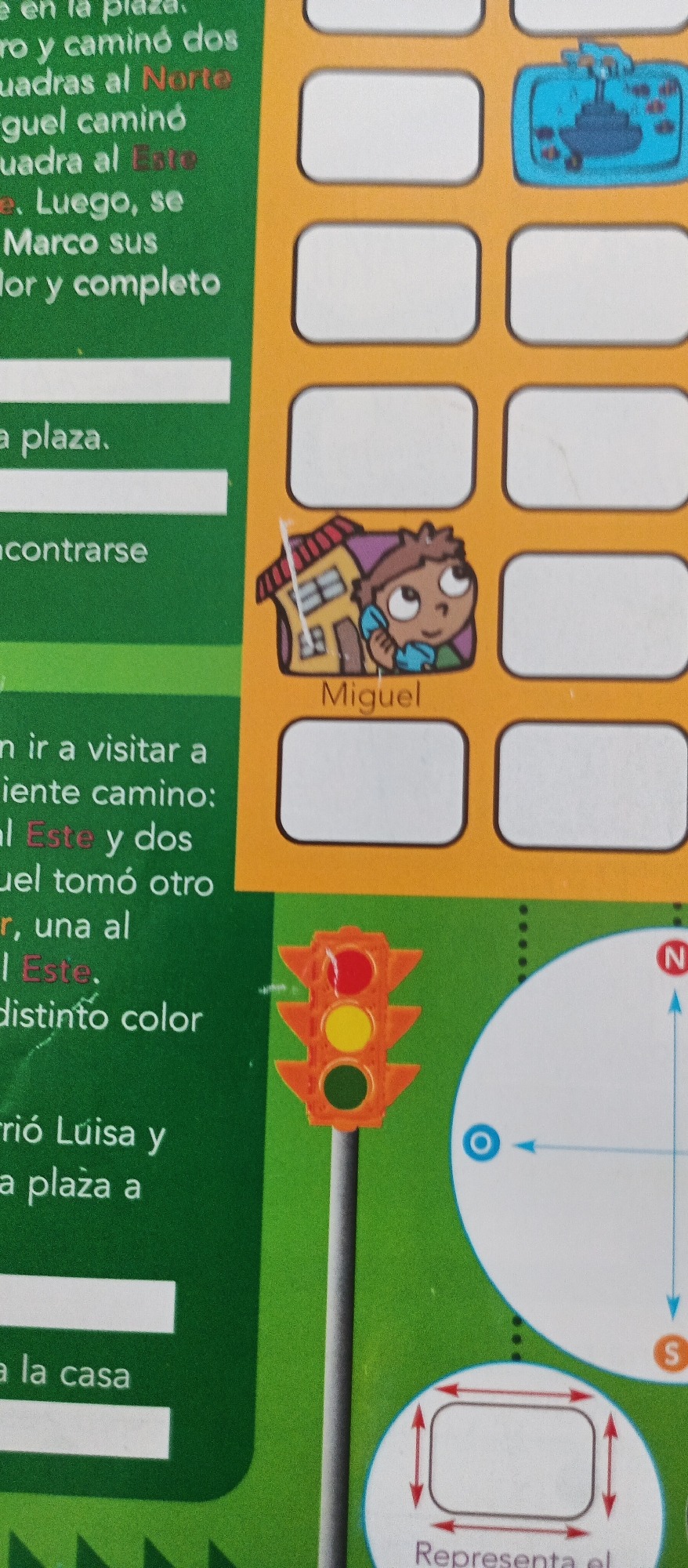
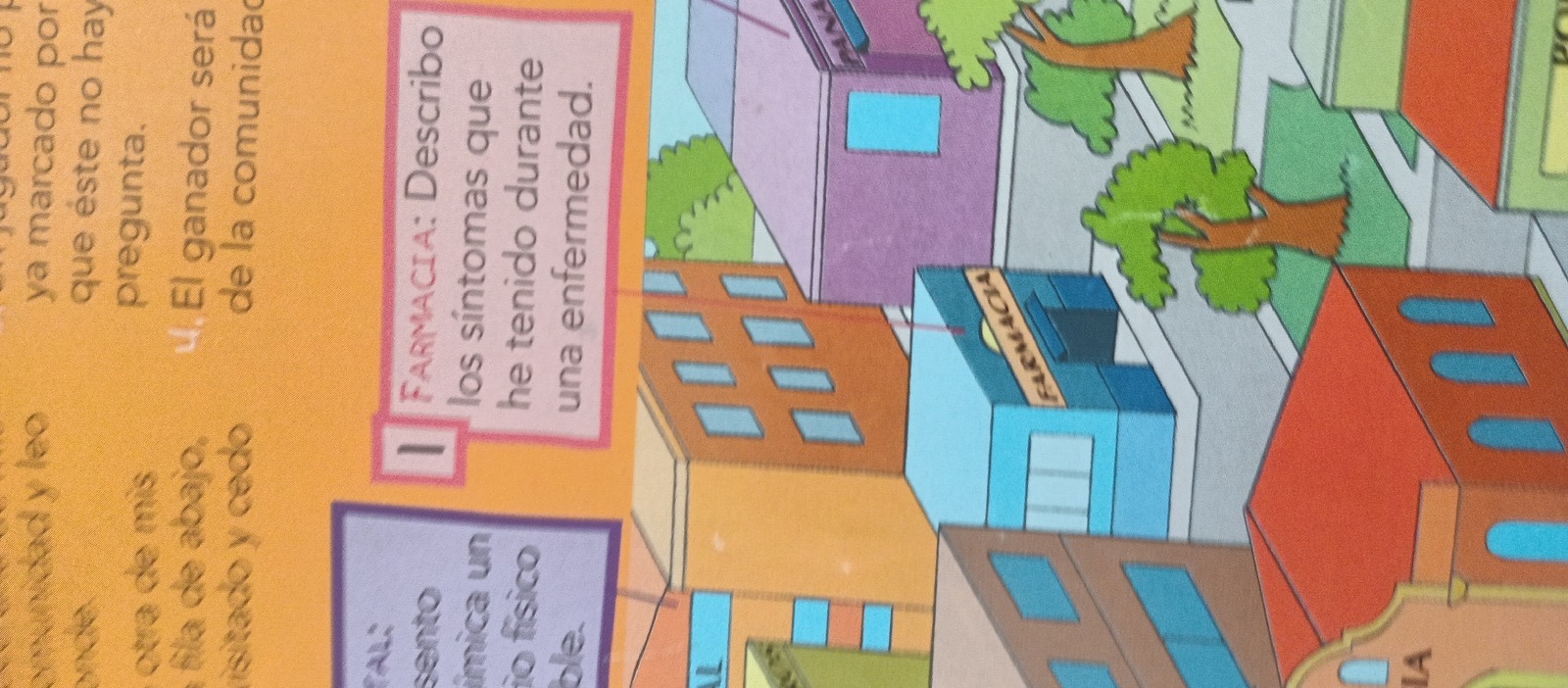
This media file is an image of a page from a workbook or textbook featuring a map of a town with some text. The map depicts various locations such as a police station ("Policia"), a fire station ("Bomberos"), a commercial center ("Centro comercial"), a plaza, a church ("Iglesia"), and a medical center ("Centro médico"). Streets are labeled, including "Av. Páez," "Calle Independencia," "Av. Sacre," and "Av. Bolívar." The illustration is in a cartoonish style with colored blocks representing buildings and green shapes for trees.
Above the map, there is text in Spanish that translates to "Sandra walks in a central area of her c... two hours to exercise a bit." Below the map, there is more Spanish text that reads "I describe the places and streets she passes through. Sandra. I use reference points." Further down, another section of text says "medical center, the lady observed a poster with a message for the public." Finally, there is a question that translates to "and respond. Which of these habits."
The overall scene suggests an educational activity focused on navigation and description using a map, likely for a Spanish language class or a geography lesson. The time of day and weather are not indicated. The emotions of any people are not discernible as no people are clearly depicted. The location context "La Tagua, Venezuela" likely refers to the fictional town depicted in the map.
La Tagua, Venezuela · Jun 23, 2026, 1:24 PM · 20.4k attention
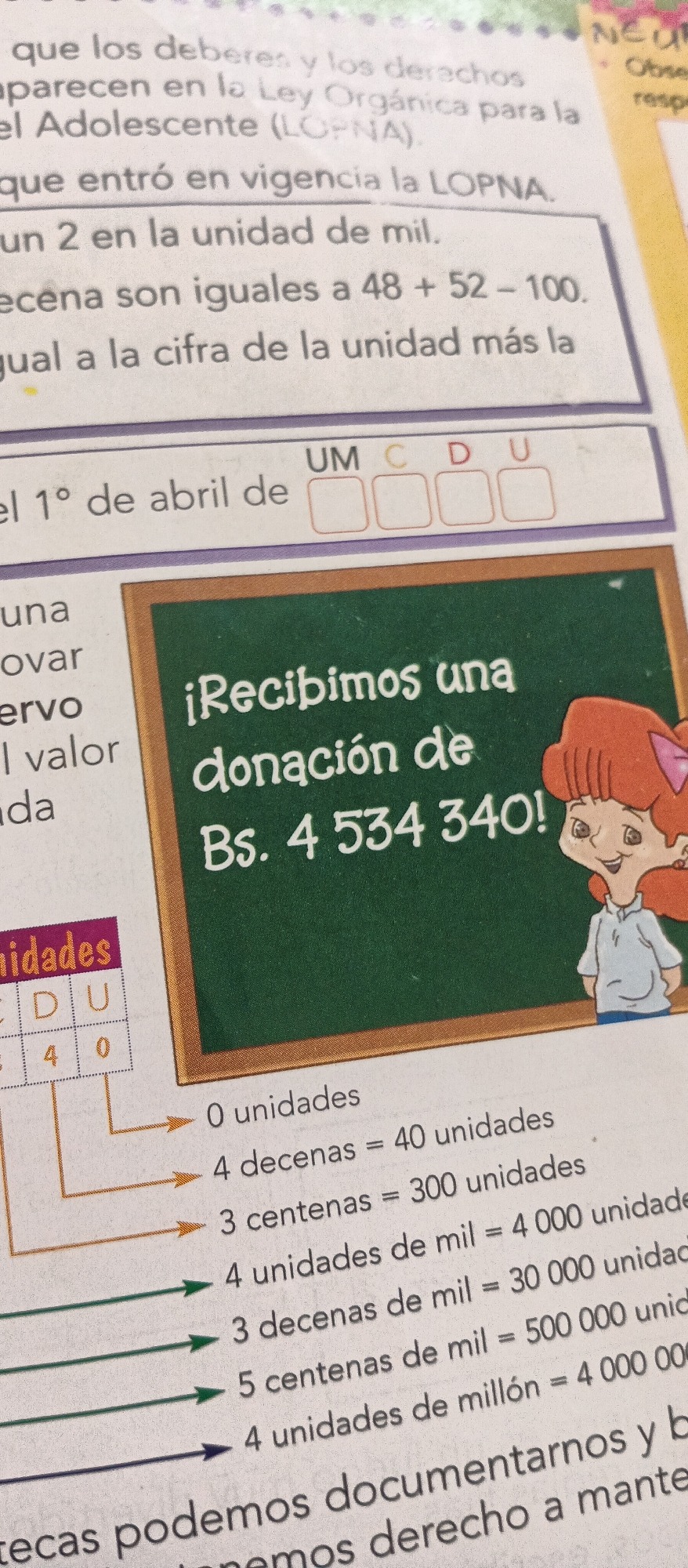
The image shows a page from a workbook or textbook, likely for children, featuring educational content related to mathematics and possibly civics. The page is divided into different sections with text and illustrations.
In the upper left, there is text discussing rights and laws, specifically mentioning the "Ley Orgánica para la Protección de Niños, Niñas y Adolescentes (LOPNA)." Below this, there are mathematical problems or statements related to place value, such as "un 2 en la unidad de mil" and "4 decenas = 40 unidades." There are also empty boxes labeled "UM," "C," "D," and "U," likely for students to fill in numbers.
A prominent feature of the image is a stylized drawing of a green chalkboard with a girl in a white shirt and blue skirt standing beside it. The chalkboard has white text that reads "¡Recibimos una donación de Bs. 4 534 340!" suggesting a fundraising or donation activity. The girl has red hair and a pink bow, and she appears to be smiling.
To the left of the chalkboard, there is a grid or table with the headers "nidades," "C," "D," and "U," and some numbers filled in. Below this, there are more mathematical equations related to place value.
The overall scene suggests an educational setting, possibly a classroom or a home environment where a child is doing schoolwork. The presence of the chalkboard and the girl character adds a playful and engaging element to the learning material. The image is well-lit, and the colors are vibrant, suggesting it is a photograph taken in daylight. There are no strong indicators of the specific time of day or weather, but the indoor setting is clear. The location context "La Tagua, Venezuela" provides a geographical setting for this educational material.
La Tagua, Venezuela · Jun 23, 2026, 1:27 PM · 20.4k attention
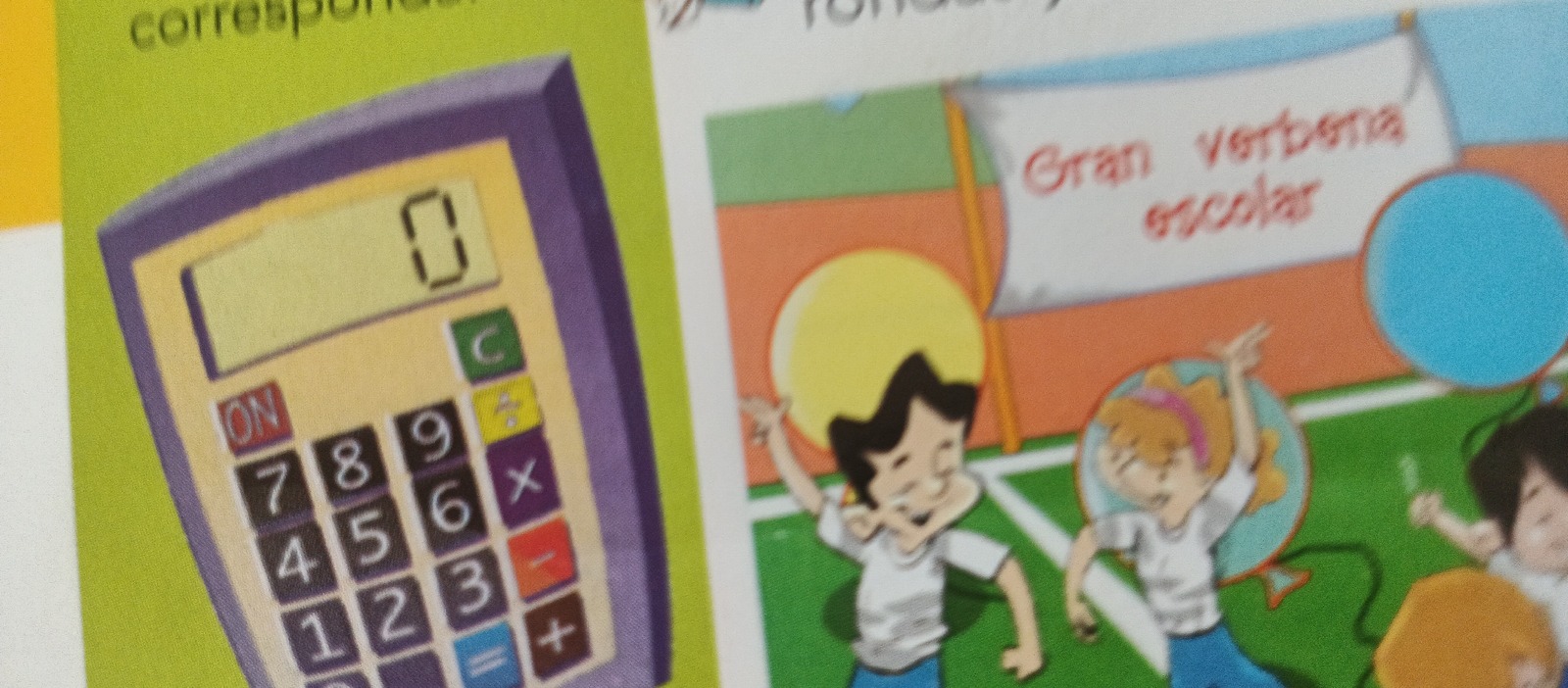
This media file shows a colorful illustration with two distinct sections. On the left, a purple calculator is prominently displayed against a bright green background. The calculator has a yellow screen showing the number "0". Below the screen are various buttons, including an "ON" button, a "C" button, and number keys from 1 to 9, along with arithmetic operators like division, multiplication, subtraction, and addition.
The right side of the image depicts a scene of celebration or an event. Several cartoon children are shown in a park-like setting with green grass and white lines, possibly indicating a sports field. The children appear to be engaged in some activity, with one child holding a large yellow sphere and another with arms raised. In the background, a white banner is visible with red text that reads "Gran verbena escolar." This translates to "Great school festival" or "Great school fair," suggesting the event is school-related. A bright blue balloon is also visible in this section. The overall mood seems joyful and festive, with the children appearing happy and energetic. The text on the banner provides a clear indication of the event's nature and purpose. The lighting suggests it is daytime.
La Tagua, Venezuela · Jun 23, 2026, 1:27 PM · 20.4k attention
The image is a close-up of a printed document, likely a book or pamphlet, with a portion of a colorful design. The text is printed in Spanish and is partially obscured by the angle and focus of the image. The visible text discusses "ten units propose an didactic integration of the distinct areas, thought of in the way that it gives itself to the promotion of values in situations, promoting ethical action and the participation." Additionally, there is a large, stylized letter "en" or a similar shape, with a red circle inside one of the curves. To the right of this text and graphic element, there is a cartoon illustration of a dog wearing glasses and a bird perched on its back, all on a white background. Behind the illustration and text, there are segments of colored paper or ink: orange, red, and a hint of purple at the bottom edge. The overall impression is a page from an educational or children's publication, with colorful graphics and informative text. The document appears to be aged or worn, with some creasing and slight damage to the edges of the colored sections. The text suggests an educational context, possibly related to values, ethics, or social participation for children.
La Tagua, Venezuela · Jun 23, 2026, 1:28 PM · 20.4k attention
This is a close-up, angled photograph of a page from what appears to be a children's educational book or workbook. The page features illustrations and text, with a blurry foreground element that seems to be a finger or hand.
The illustrations depict stylized, cartoonish figures. On the right side of the page, a person with dark hair and a purple accessory on their head is shown in profile, wearing a white shirt with a pattern and blue pants. They are positioned in front of a bright orange background. To the left of this figure, there are elements that look like steps or platforms, rendered in yellow and light blue, with some white accents. A series of vertical bars with numbers are visible on one of these platforms. Further to the left, another illustration shows a person in an orange outfit, lying down.
The text on the page is in Spanish. Visible phrases include "s tres polite ingles," "más cerca del pollito inglés?", "úmero posterior al," and "os?". The text is oriented at an angle, as if the page itself is tilted. The overall impression is of an activity related to numbers or sequences, possibly involving animals ("pollito" meaning chick). The bright colors and simple illustrations suggest it's aimed at young children. The location context of La Tagua, Venezuela, implies the origin or subject matter might be related to that region. There are no clear cues about the time of day or weather. The emotions conveyed by the illustrations are neutral or positive, consistent with children's educational material.
La Tagua, Venezuela · Jun 23, 2026, 1:27 PM · 20.4k attention
This media file features a colorful cover with cartoon illustrations of children. The background is a rainbow of vertical stripes in green, yellow, orange, red, and purple. The main subjects are a group of five children, depicted in a simplified cartoon style, walking together. They appear to be in school uniforms, predominantly blue with white accents. One child in the center has red hair and glasses, while another on the far right is wearing a white shirt and blue pants. A small, brown, animated creature with sunglasses is perched on a black arch.
The text "Pue" is visible in large, dark letters across the rainbow stripes. Below the children, a snippet of text reads "Sant". The children's expressions are generally happy and engaged. The scene evokes a sense of school life and camaraderie. No specific time of day, weather, or detailed location cues are apparent, beyond the context of La Tagua, Venezuela. The overall impression is a cheerful and inviting cover, likely for a children's book or educational material.
La Tagua, Venezuela · Jun 23, 2026, 1:28 PM · 20.4k attention
This media file depicts a close-up of an illustration of two children. The child in the foreground is wearing a blue jacket with an orange and green backpack. The backpack has yellow straps. The child's face is not fully visible, but they appear to be looking down. The child in the background is wearing a white shirt and dark blue pants. Their face is also partially obscured, showing a profile with brown hair. The background consists of solid blocks of color: purple, light blue, and a hint of red. The illustration style appears to be animated. There is no visible text, and no specific cues about time of day, weather, or location within Venezuela are discernible from the image itself. The focus is on the two children and their attire, suggesting a school or outdoor setting.
La Tagua, Venezuela · Jun 23, 2026, 1:28 PM · 20.4k attention
The image shows a textured, light-colored surface with some faint markings and smudges. There are two distinct areas of text printed vertically. On the left, the text reads "Doado por Fruto F. Telefonica - Caaguazú". On the right, there are two columns of what appear to be very blurry, stylized text or symbols, resembling multiple lines of characters. The overall impression is that this is a label or inscription on an object or surface. The light background and the faintness of some marks suggest age or wear. There are no visible people or specific objects other than the printed text. The lighting appears to be even, and there are no indications of a specific time of day or weather conditions. The provided location context of La Tagua, Venezuela, does not offer further visual cues within the image itself.
La Tagua, Venezuela · Jun 23, 2026, 1:28 PM · 20.4k attention
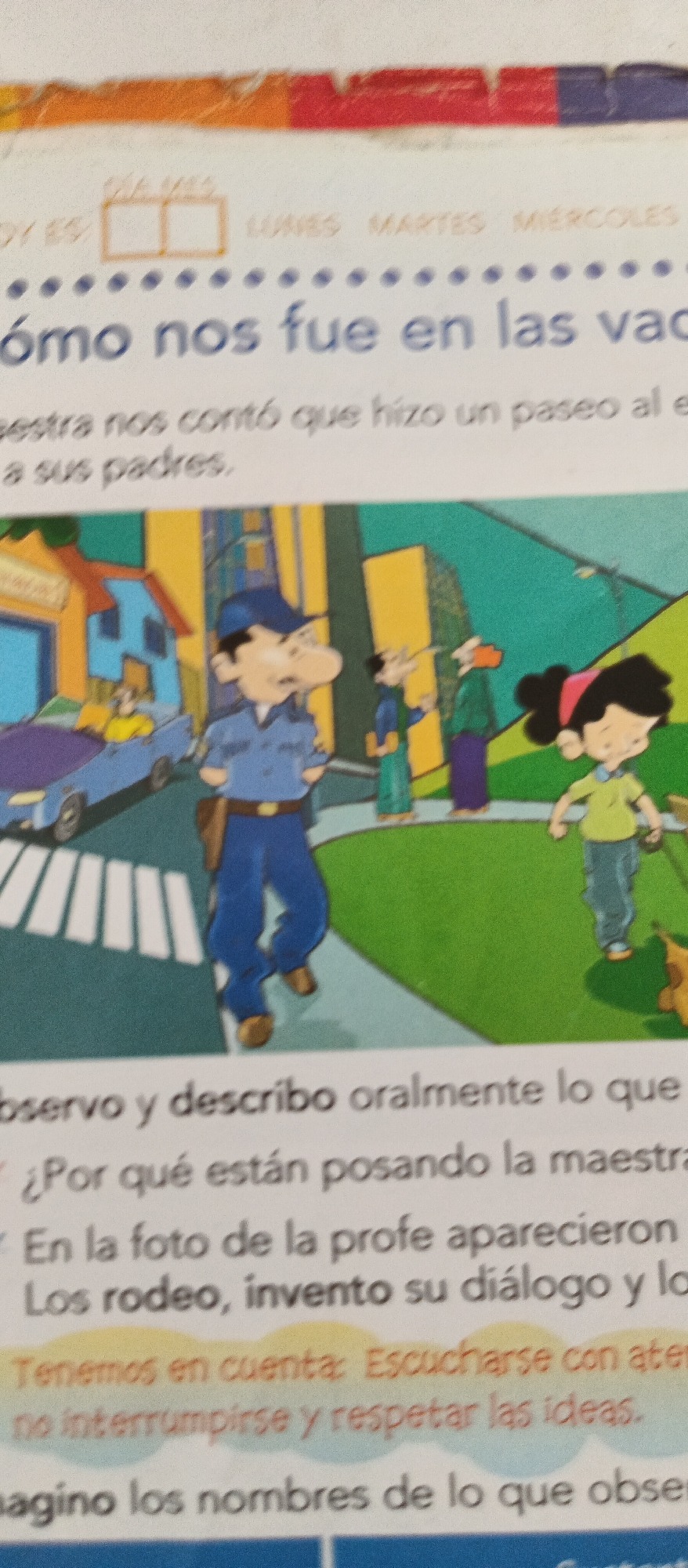
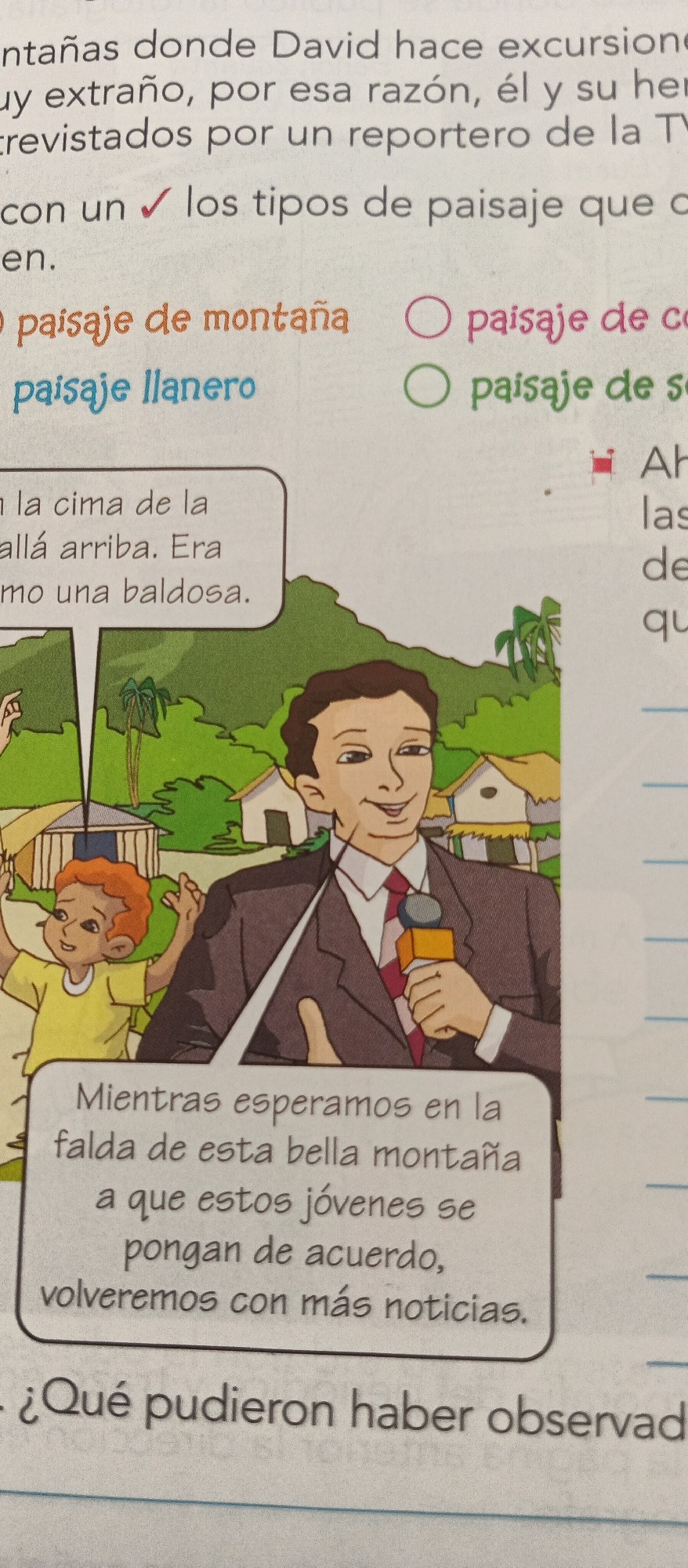
This image is a scan of a page from a children's educational book, likely for Spanish language learners. The page features a cartoon illustration and text.
The illustration depicts a street scene in what appears to be a town. In the foreground, a man in a blue uniform, possibly a police officer or a mail carrier, stands on a crosswalk. Behind him, a blue convertible car is parked. Further in the background, several people are gathered, including a woman with dark hair and a pink headband wearing a green shirt, and other individuals in casual attire. The setting appears to be daytime, with buildings and a bright green grassy area visible.
The text above the illustration is in Spanish. It discusses how the school year went during the holidays and mentions a trip with parents. The text below the illustration includes instructions for students, such as observing and describing, and prompts for questions related to the image. It also emphasizes the importance of listening attentively, not interrupting, and respecting others' ideas. The words "Tenemos en cuenta" (We take into account) are highlighted, followed by specific behavioral guidelines.
The overall context suggests an activity designed to encourage observation, description, and communication skills in children, using a visual aid and guiding questions. The mention of "La Tagua, Venezuela" in the prompt is not explicitly visible in the image itself but provides crucial context for understanding the origin or intended audience of the material.
La Tagua, Venezuela · Jun 23, 2026, 1:28 PM · 20.4k attention
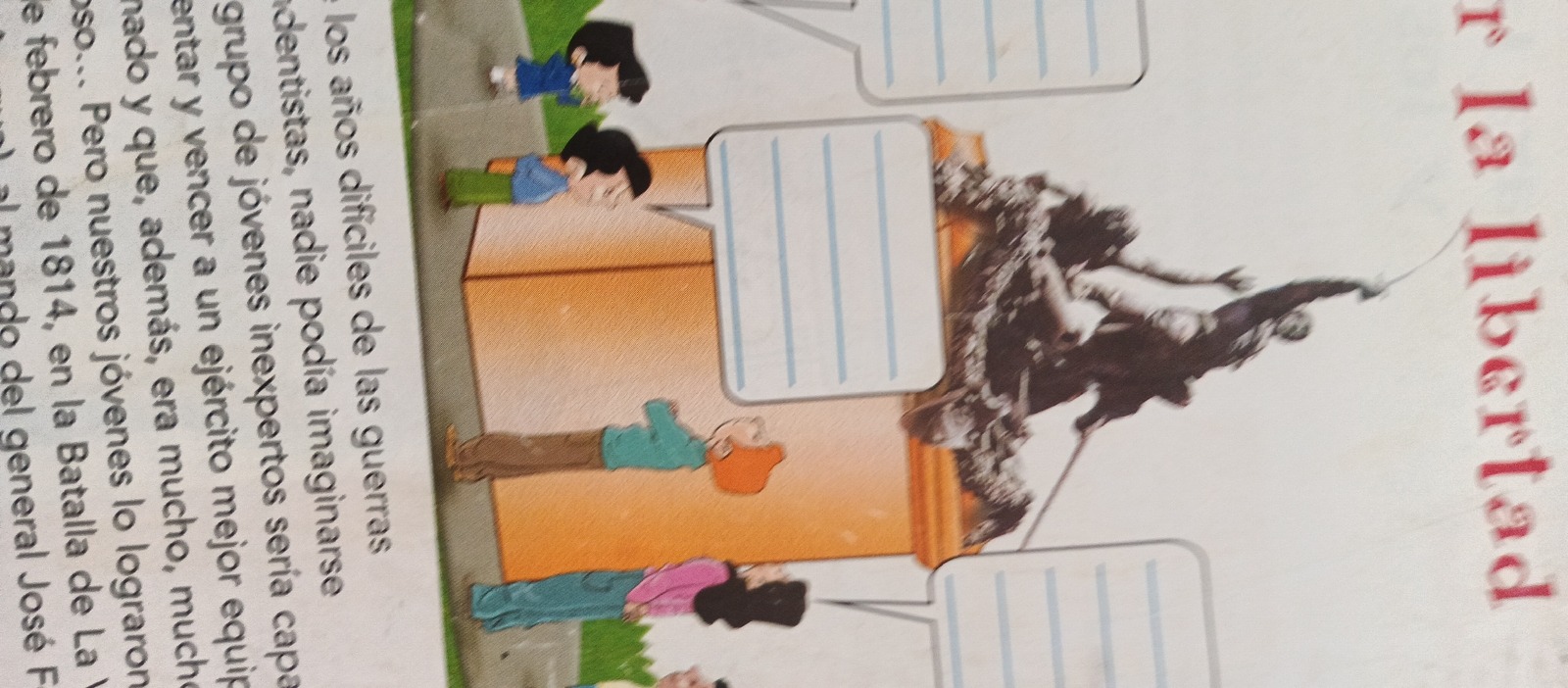
This image displays a page from what appears to be a children's educational book. The page is predominantly white with colorful illustrations and Spanish text.
In the foreground, there are three cartoon-style children depicted standing. One child, wearing a blue shirt and green pants, is looking upwards and holding their hands out. Next to them, a child in a blue shirt and pink pants is also looking up, with their arms by their sides. A third child in a blue shirt and green pants is on the far left, looking down.
Behind the children is a large, orange structure that resembles an open book, serving as a backdrop. Above the orange structure, a historical monument is illustrated. The monument features several figures, some appearing to be on horseback, in dynamic poses, suggesting a battle or a significant historical event. The monument itself is depicted in shades of brown and grey, with some texture suggesting stone or metal.
There are also several speech bubbles, indicated by white shapes with blue horizontal lines, positioned near the figures. These likely represent dialogue or thoughts from the characters.
To the right of the illustration, large, bold red Spanish text is visible, which reads "r la libertad". Below the illustration, there is more Spanish text, providing a narrative. The visible portion of the text mentions "los años difíciles de las guerras" (the difficult years of the wars), "jóvenes inexpertos" (inexperienced youth), and "la Batalla de La... del general José F-" (the Battle of La... by General José F-). The text suggests a historical context, possibly related to a struggle for independence or freedom.
The overall scene appears to be educational, aiming to teach children about a historical event or period through a combination of illustration and text. The emotions conveyed by the children's expressions are difficult to discern precisely due to the cartoon style, but their upward gaze might suggest wonder or anticipation. The setting is neutral, with the focus on the figures and the text.
La Tagua, Venezuela · Jun 23, 2026, 1:28 PM · 12.5k attention
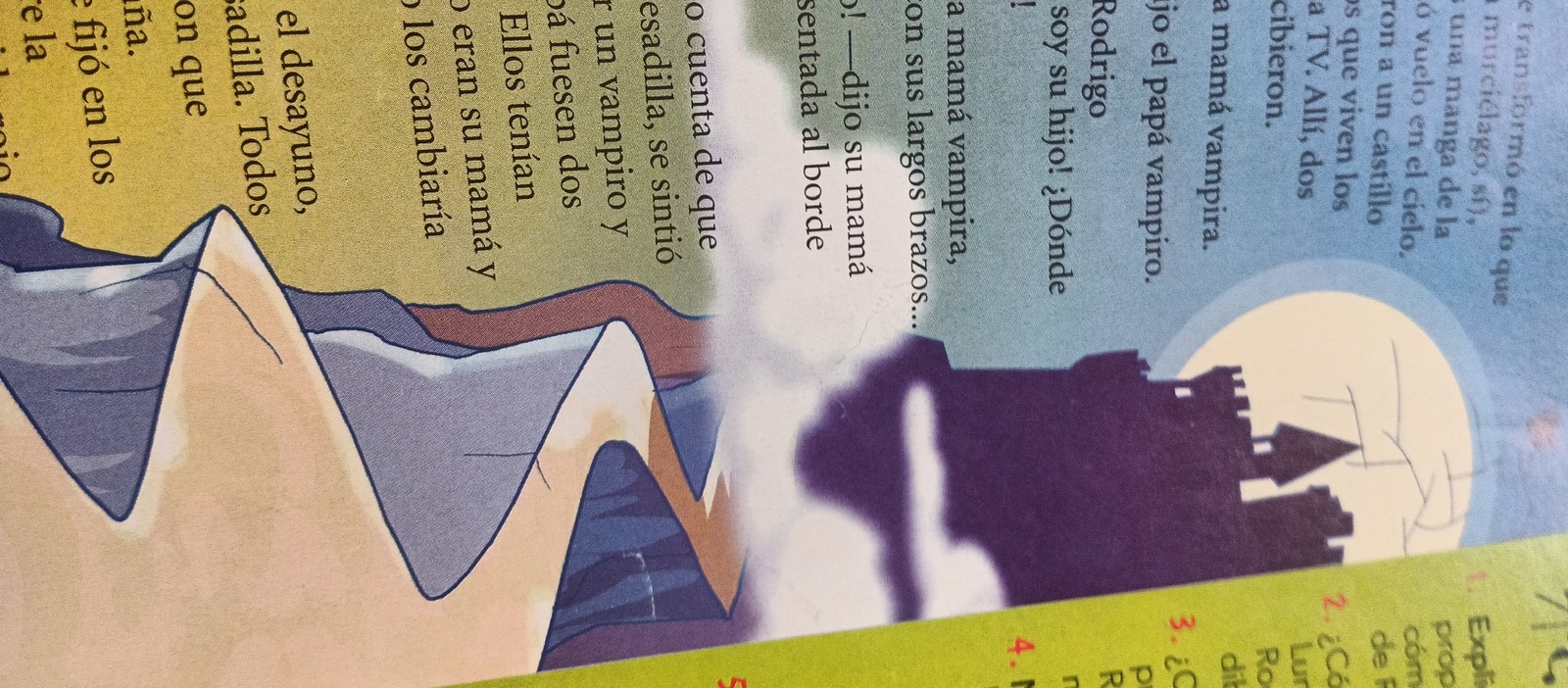
This media file features a children's book illustration with accompanying Spanish text. The illustration depicts a fantastical scene with mountains and a silhouette of a castle against a large, pale moon. The text, oriented vertically, tells a story about a family of vampires.
The subjects are implied characters within the story, referred to as "mamá vampira" (vampire mom), "papá vampiro" (vampire dad), and "Rodrigo." The scene is nocturnal, suggested by the moon and the castle's dark silhouette. The setting appears to be a mystical or fairytale landscape, possibly a mountainous region with a castle.
The text discusses a transformation into a bat, a flight into the sky, living in a castle, and family interactions. Phrases like "el desayuno" (breakfast), "la quesadilla" (the quesadilla), and "sentada al borde" (sitting at the edge) suggest domestic or everyday activities integrated into the fantastical narrative. The tone seems to be whimsical and engaging, typical of children's literature.
Visible text includes "Rodrigo," "papá vampiro," "mamá vampira," and phrases relating to the story's plot. There are also numbered points at the bottom, "1. Expli," "2. ¿Có," "3.," and "4.1," which are likely questions or prompts related to the text, possibly for educational purposes. The overall impression is a colorful and imaginative scene designed to captivate young readers.
La Tagua, Venezuela · Jun 23, 2026, 1:25 PM · 10.9k attention
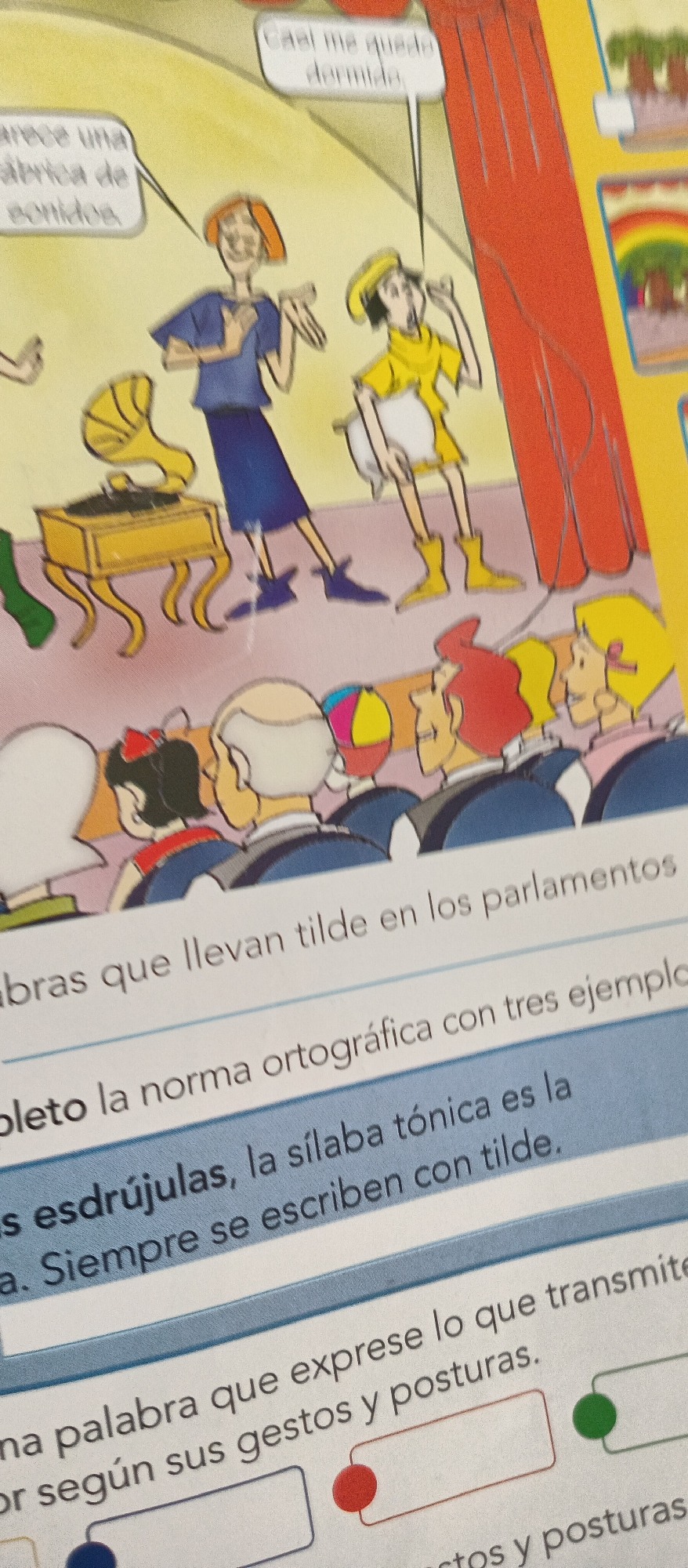
This media file is a close-up of a page from what appears to be a book or magazine. The page features illustrations of people and text.
On the left side of the image, there's a blue background with vertically oriented text. Partially visible text includes "277" and "Día del Tra". Below that, there's a dotted line and the text "... 276 de Venezue Inicio del Pr". This suggests a list of dates or events, possibly related to Venezuelan history or a calendar.
The central part of the image is dominated by large, orange, three-dimensional letters forming the word "RECO" in a decorative font. The letters are set against a background of swirling yellow patterns on a white surface.
To the right of the central lettering, there are illustrations depicting people. The top illustration shows a young person with reddish hair, wearing a white shirt and blue pants, lying down and smiling. Below this, another illustration shows a person wearing a yellow top and purple skirt, and further down, a person in white clothing lying down. These illustrations seem to be part of a larger narrative or theme.
The overall impression is a colorful and visually engaging page, likely from an educational or narrative publication. The specific location context of La Tagua, Venezuela, is provided, hinting at a connection to Venezuelan culture or events. The time of day and weather are not discernible from the image. The emotions conveyed by the visible character are happiness.
La Tagua, Venezuela · Jun 23, 2026, 1:09 PM · 10.8k attention
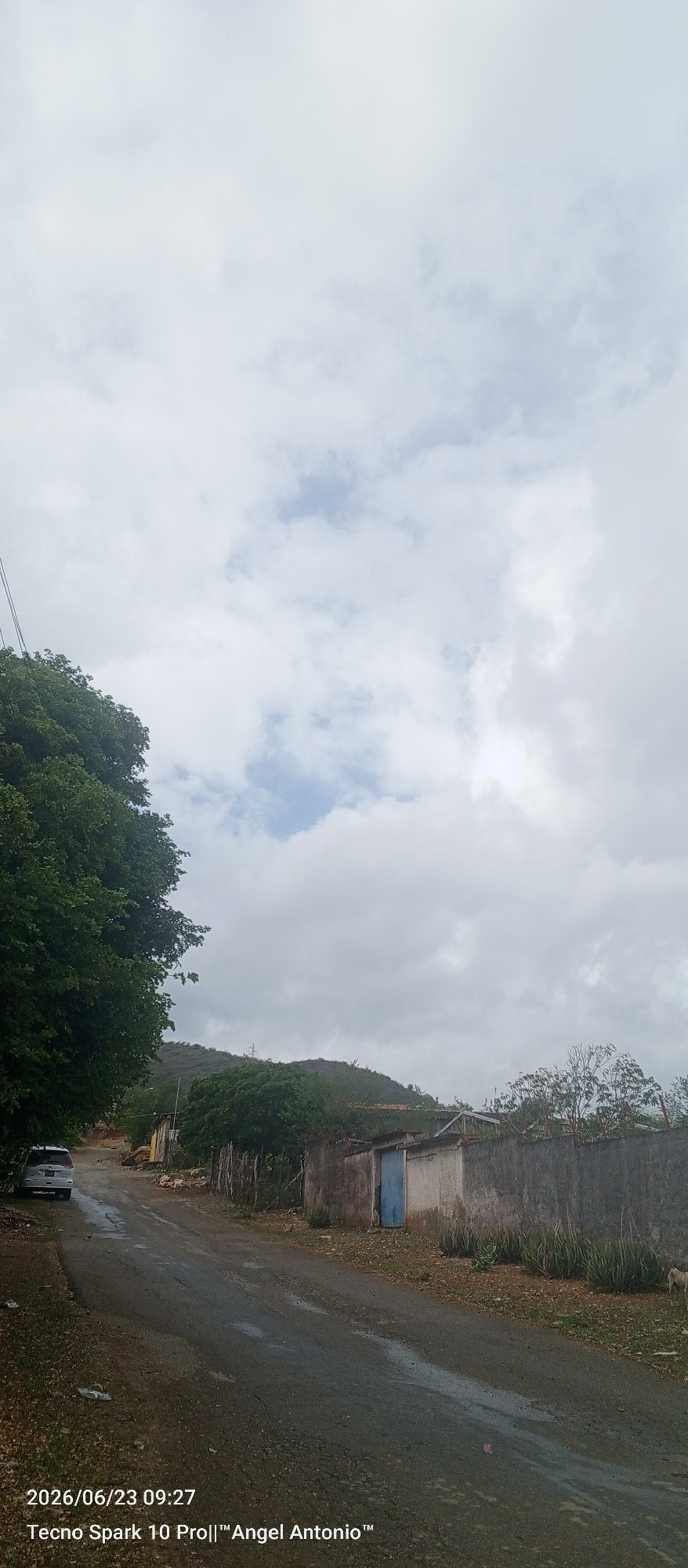
The image shows a wet, rural road in La Tagua, Venezuela, under a cloudy sky. A white SUV is parked on the left side of the road, partially obscured by lush green trees. The road is flanked by a rough fence and several small, simple structures with concrete walls and blue doors. In the background, hills rise, covered in sparse vegetation. The overall scene suggests a somewhat modest and unpaved environment. The bottom of the image displays a timestamp and the text "Tecno Spark 10 Pro||™Angel Antonio™".
La Tagua, Venezuela · Jun 23, 2026, 1:27 PM · 10.7k attention
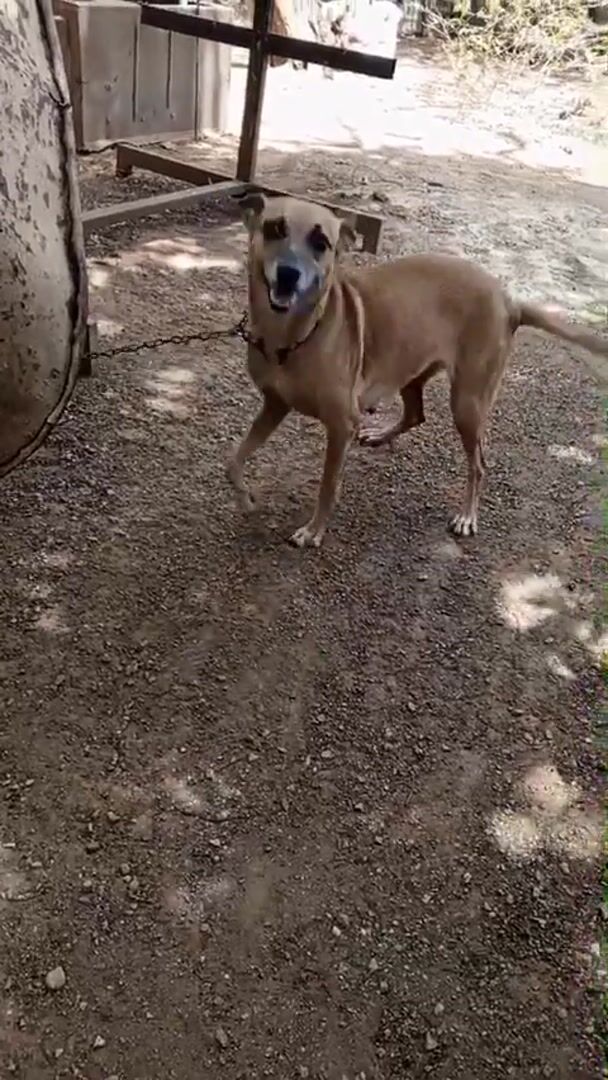
This media file shows a medium-sized, light brown dog with erect ears and a black nose, standing on a dirt ground covered with small stones and dried leaves. The dog is leashed to a metal chain that is attached to a large, cylindrical object, possibly a barrel, on the left side of the frame. Behind the dog, there is a rustic wooden structure with metal supports, suggesting an outdoor setting, perhaps a yard or a farm. The ground is partially covered with shadows, indicating the presence of sunlight and possibly trees nearby, casting dappled light. The dog appears energetic and playful, with its mouth open as if panting or barking, and its body positioned in a dynamic stance, suggesting movement or an excited state. The overall atmosphere is casual and outdoorsy, possibly during the day, given the lighting conditions. There is no visible text in the media file. The location context provided is La Tagua, Venezuela.
La Tagua, Venezuela · Jun 23, 2026, 3:25 PM · 10.5k attention
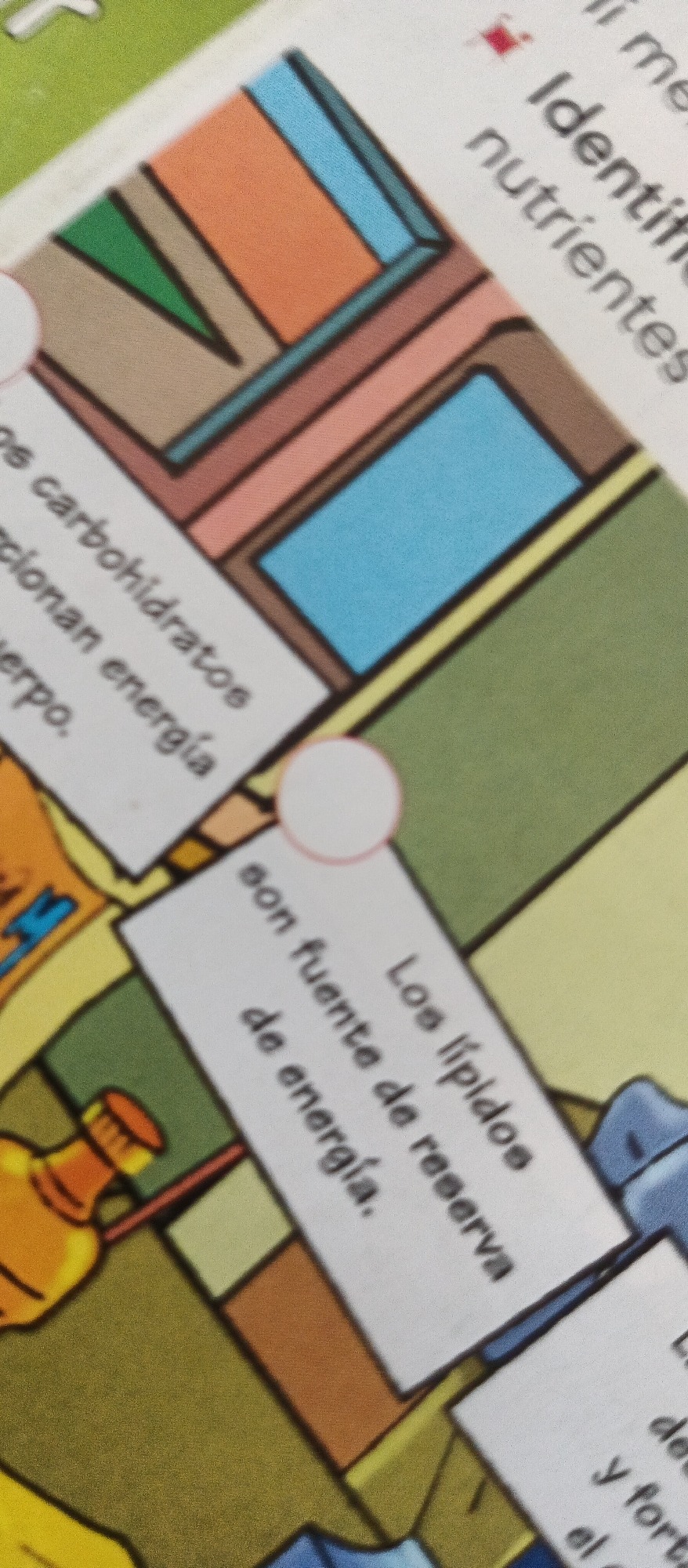
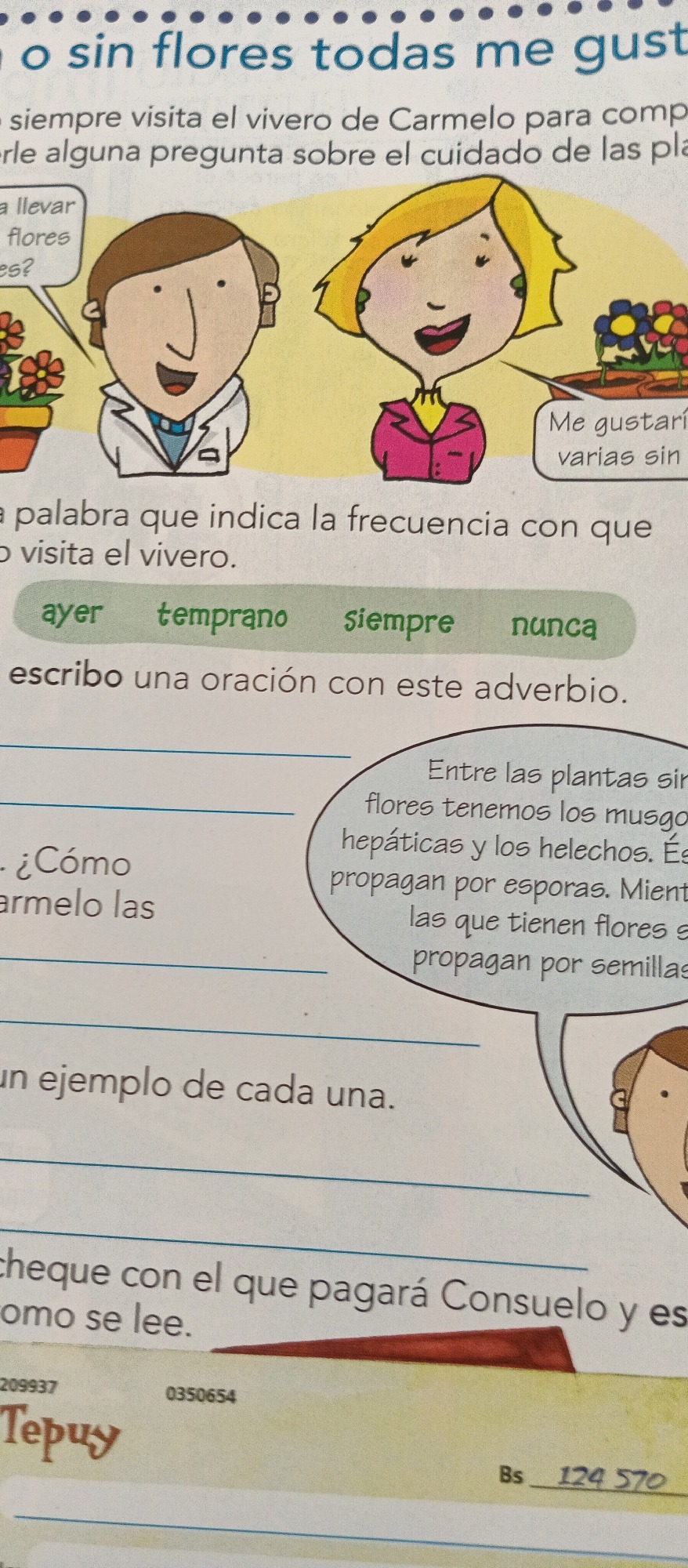
The image is a close-up shot of a page from what appears to be a children's educational book or poster, likely about nutrition. The page is filled with colorful illustrations and text in Spanish.
The subjects are primarily abstract representations of nutrients and their functions, depicted through geometric shapes and text boxes. One section, on the left side of the image, discusses "carbohidratos" (carbohydrates) and states they "funcionan energía" (function as energy) for the "cuerpo" (body). Another section, more prominent in the center and right, discusses "lípidos" (lipids) and states they "son fuente de reserva de energía" (are a source of reserve energy).
The overall scene is an educational layout with distinct sections, possibly designed to be visually engaging for young learners. The background features a mosaic of colored rectangular and diagonal shapes, in shades of green, orange, blue, and brown, creating a dynamic and somewhat abstract visual environment. There is a red marker or icon next to the word "Identif" suggesting a task or identification point. A small white circle, possibly a sticker or a design element, is visible near the top of the "lípidos" text box.
There are no people visible in the image, and the focus is entirely on the text and illustrative elements related to nutrition. The time of day and weather are not discernible. The location context of "La Tagua, Venezuela" does not appear to be directly represented by any visual cues in this specific cropped image, as the content is general educational material. The overall tone is informative and engaging, aimed at teaching children about the role of different nutrients.
La Tagua, Venezuela · Jun 23, 2026, 1:27 PM · 10.3k attention
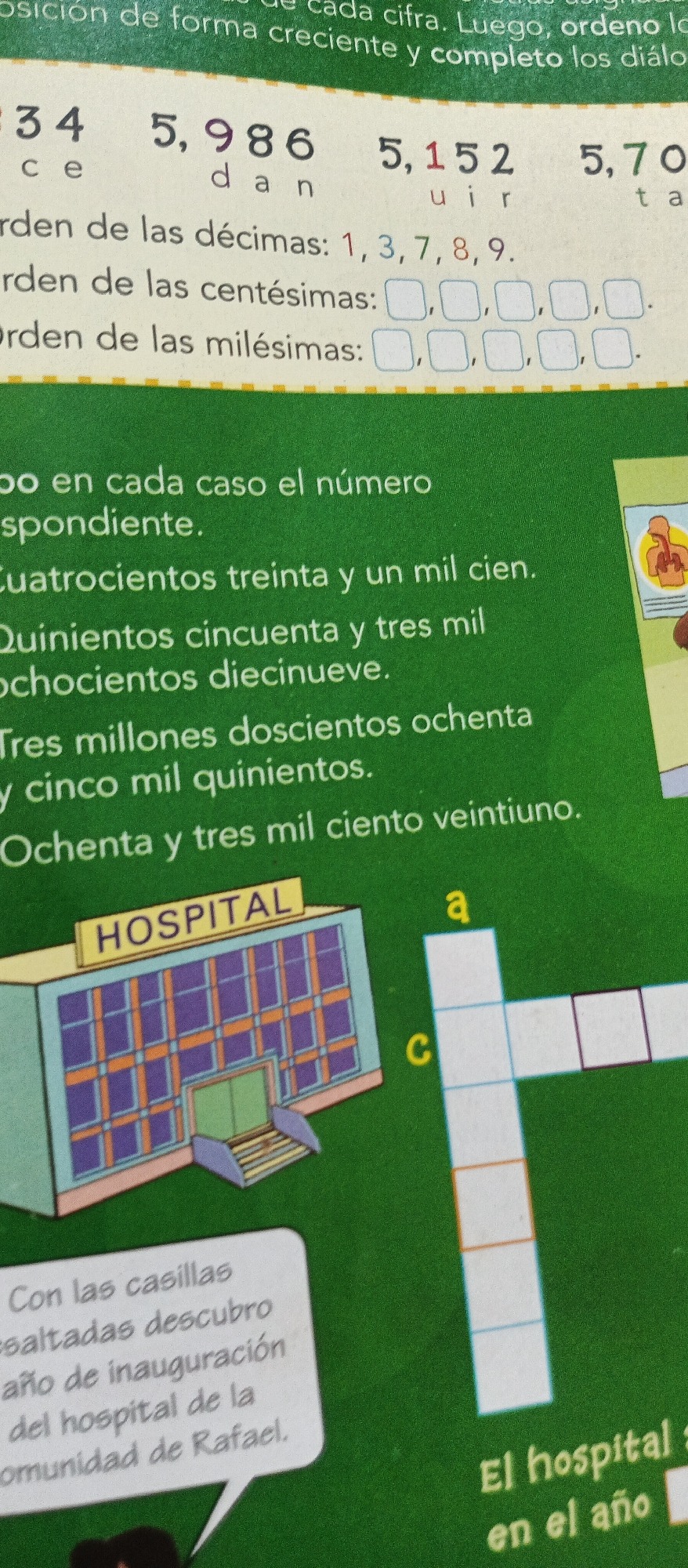
This is a close-up, eye-level, indoor shot of a page from a children's educational book. The page has a green background with some text and illustrations.
In the upper portion of the image, there is text related to numbers and ordering. Below this, there's an illustration of a building labeled "HOSPITAL." To the right of the hospital, there's a crossword-like grid with some letters visible.
In the lower left, there is a speech bubble containing text related to the hospital's inauguration year. The text on the page appears to be in Spanish.
The image does not contain any information about the city of La Tagua, Venezuela.
La Tagua, Venezuela · Jun 23, 2026, 1:23 PM · 10.3k attention
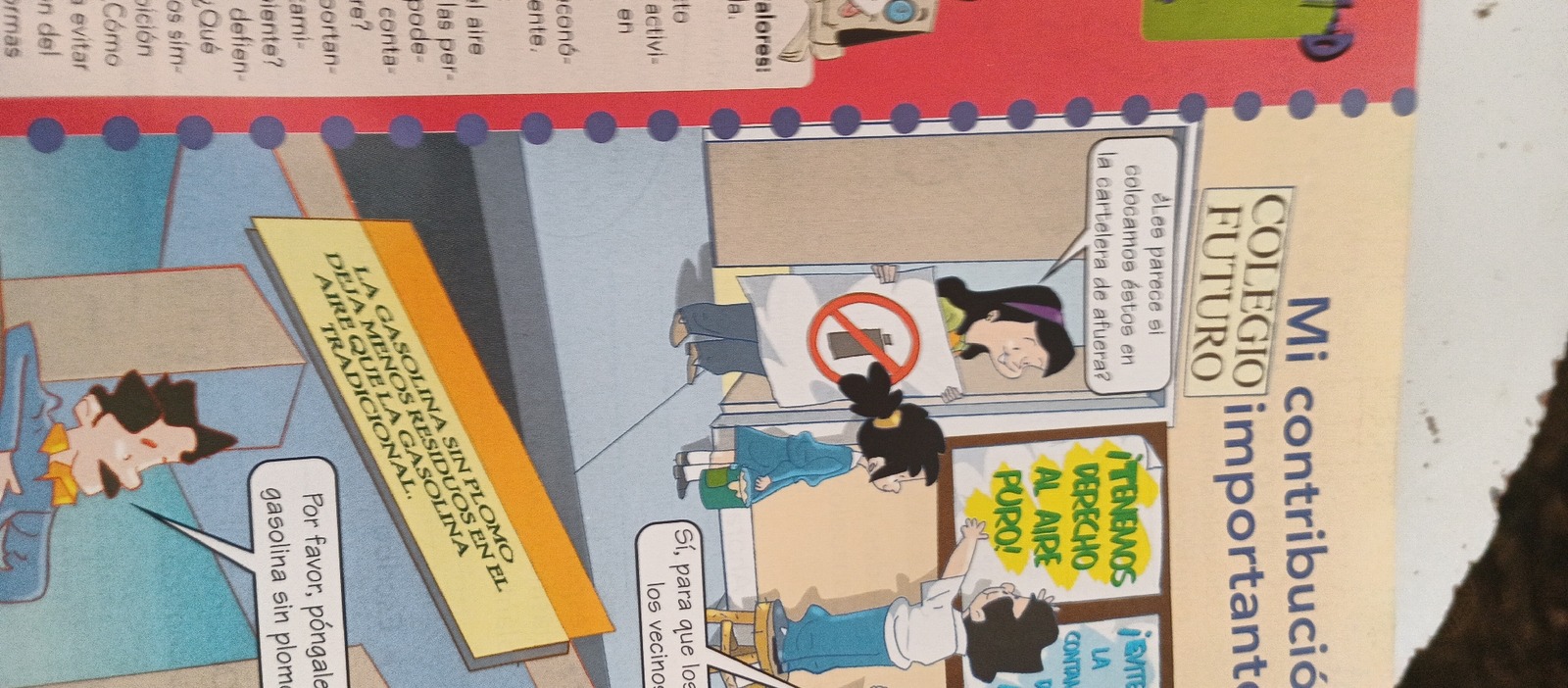
The image shows a cartoon illustration of a person writing on a notepad with a pencil. The person is wearing a blue shirt and a white apron. The background is a pale yellow with blue lines, suggesting lined paper. At the top of the image, there is text that reads "as y los signos de pun". There is no information in the image that indicates a specific location in the city of La Tagua, Venezuela.
La Tagua, Venezuela · Jun 23, 2026, 1:27 PM · 10.3k attention
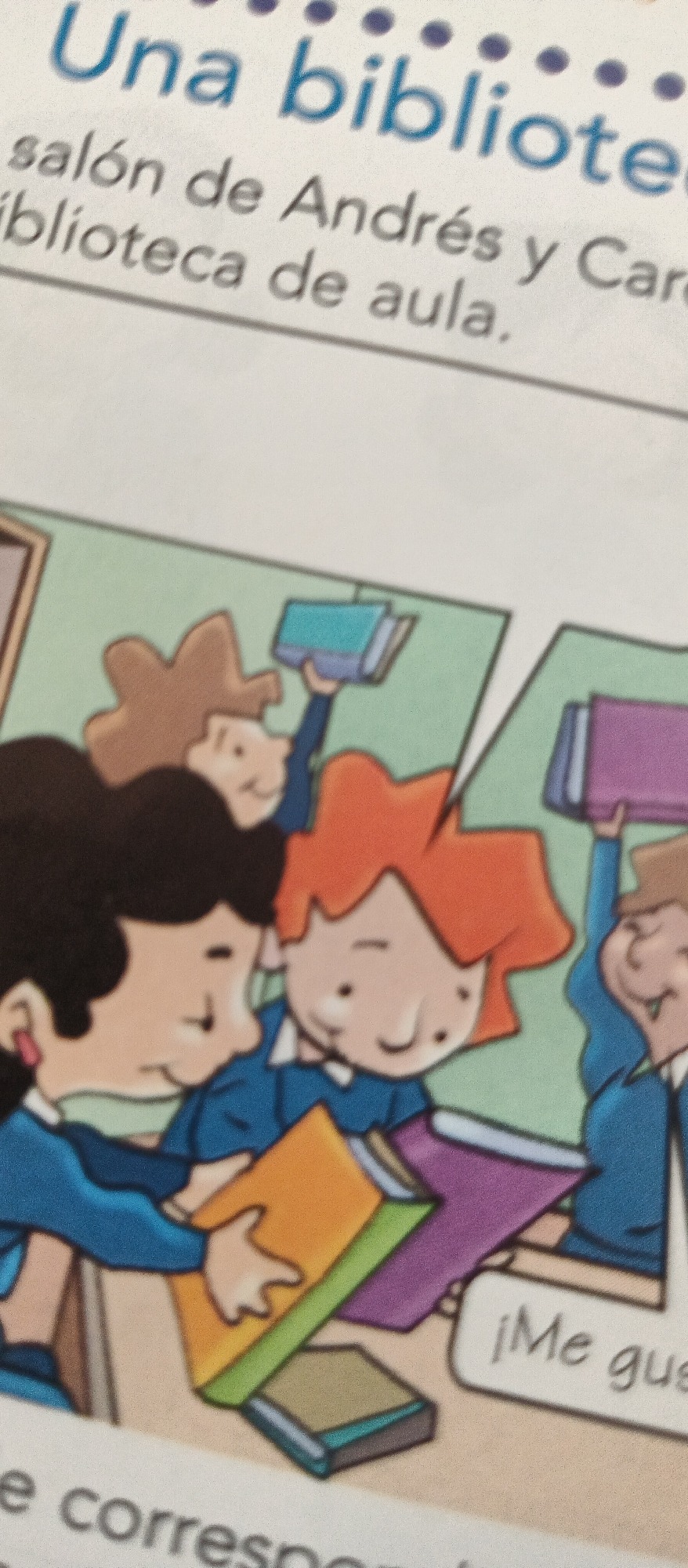
The image is a close-up, slightly blurry photograph of a page from a children's book or educational material. The illustration depicts several cartoon children in a brightly lit indoor setting, likely a library or classroom. The children are all wearing blue uniforms.
In the foreground, two children are prominent. On the left, a girl with dark hair and a pink earring is looking down, holding an open, orange-covered book with a green spine. Next to her, a boy with spiky red hair is also looking down, holding a purple book. Another child with a brown, curly hairstyle is visible behind them, holding up a blue book. To the right, another child in a blue uniform is partially visible, holding a purple book. A speech bubble above this child contains the text "¡Me gus", which is likely part of the phrase "Me gusta" (I like).
Above the illustration, there is text in a large, blue, sans-serif font: "Una bibliote". Below this, in a smaller font, are the lines "salón de Andrés y Car" and "iblioteca de aula.". At the bottom of the image, partially obscured text reads "e correspe".
The overall impression is a scene of children engaging with books, suggesting an activity related to reading or learning in a library environment. The style is cheerful and colorful, typical of materials for young learners. The location context provided is La Tagua, Venezuela, which might be the intended audience or origin of the material.
La Tagua, Venezuela · Jun 23, 2026, 1:26 PM · 10.3k attention
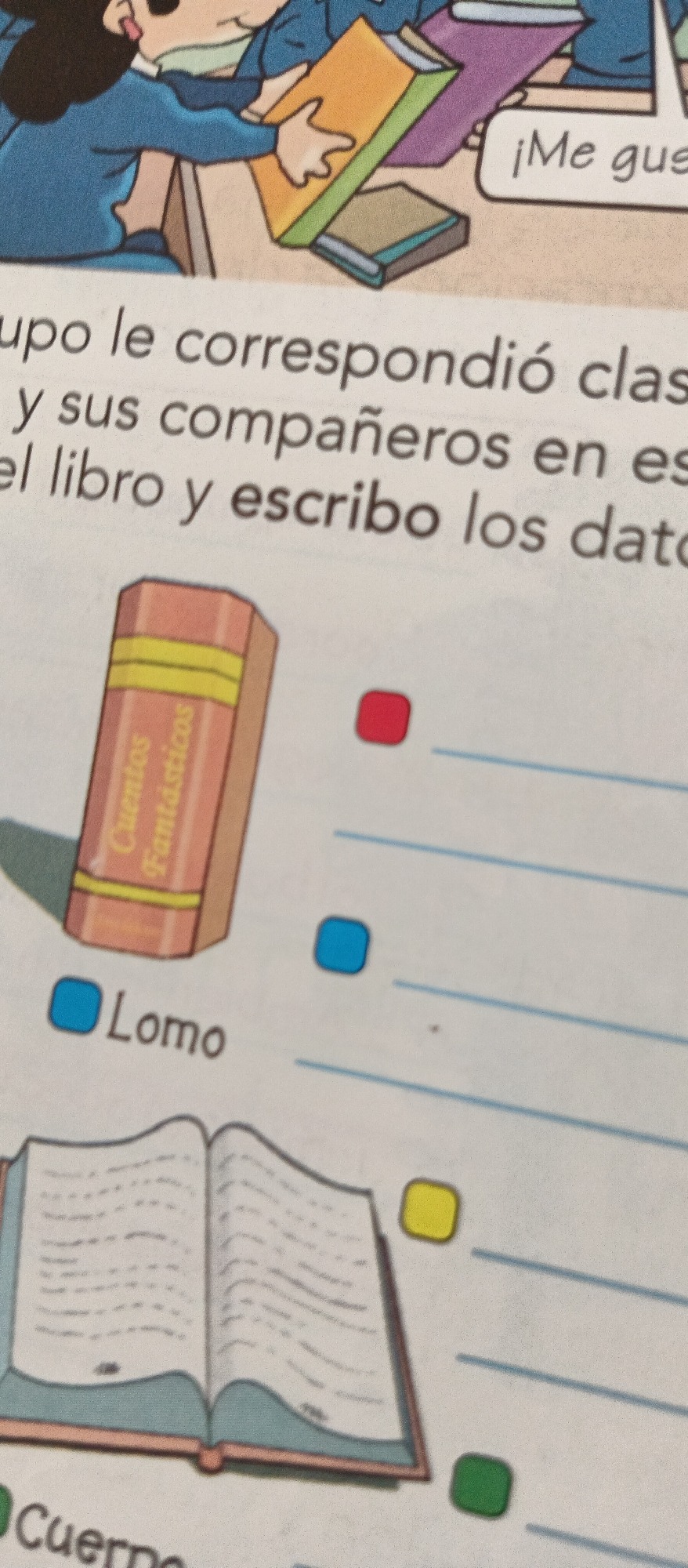
The image shows an open book with text and illustrations. The text appears to be from a children's book or educational material. In the upper part of the image, there is a drawing of children holding books, with one child saying "¡Me gus" which likely means "I like". Below this, there is more text in Spanish, describing a group and their companions.
The main focus of the image is on the left side, where a reddish-orange book with "Cuentos Fantásticos" (Fantastic Stories) written vertically on its spine is shown. Next to it, there are colored squares: a red one, a blue one, and a yellow one, each associated with a written word. The blue square is next to the word "Lomo" (Spine). Further down, an open book with blank pages is depicted. Adjacent to this open book are yellow and green squares, with the word "Cuerpo" (Body) partially visible next to the green square.
The scene appears to be educational, possibly from a classroom setting or a homework assignment. The colors are bright, suggesting it's aimed at children. There are no specific cues for time of day, weather, or a precise location beyond what can be inferred from the Spanish text. The overall tone is cheerful and engaging, implied by the illustrations and the speech bubble.
La Tagua, Venezuela · Jun 23, 2026, 1:26 PM · 10.3k attention
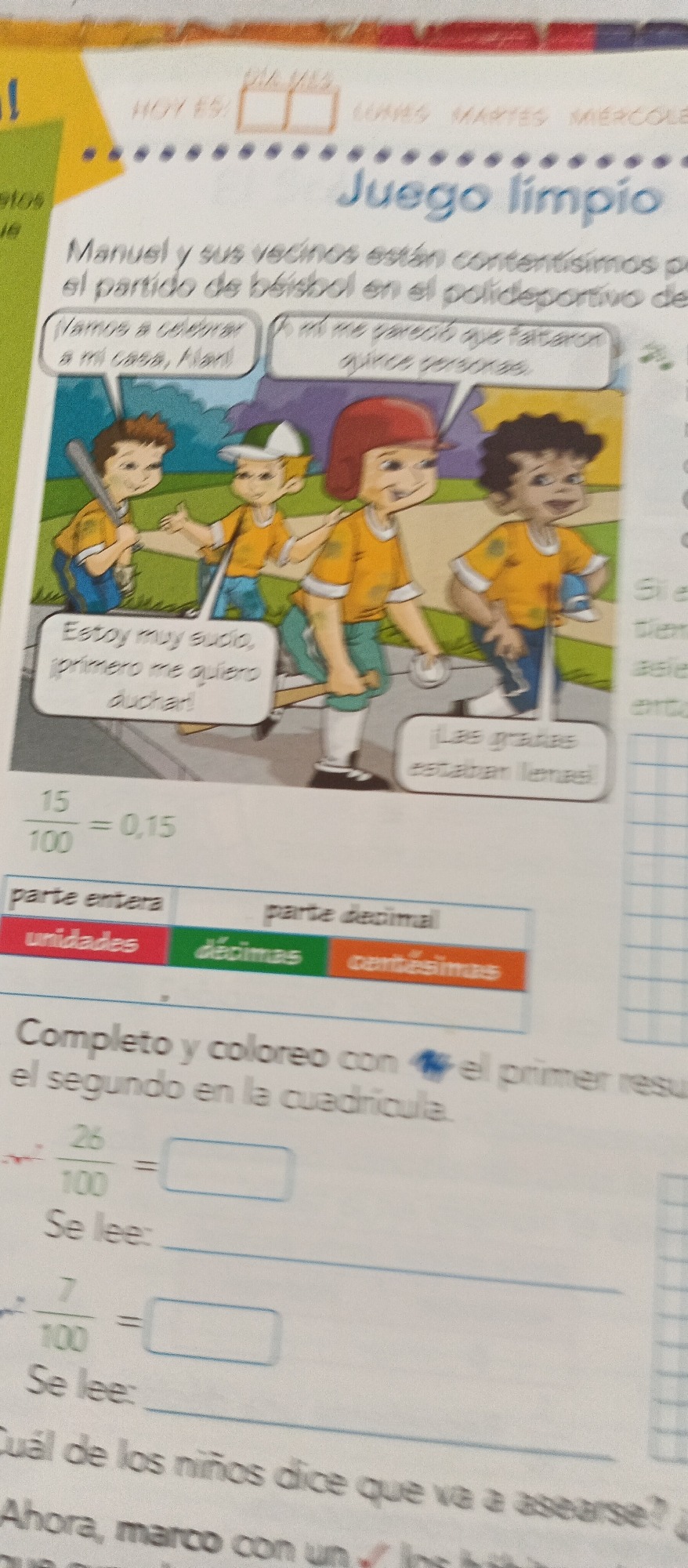
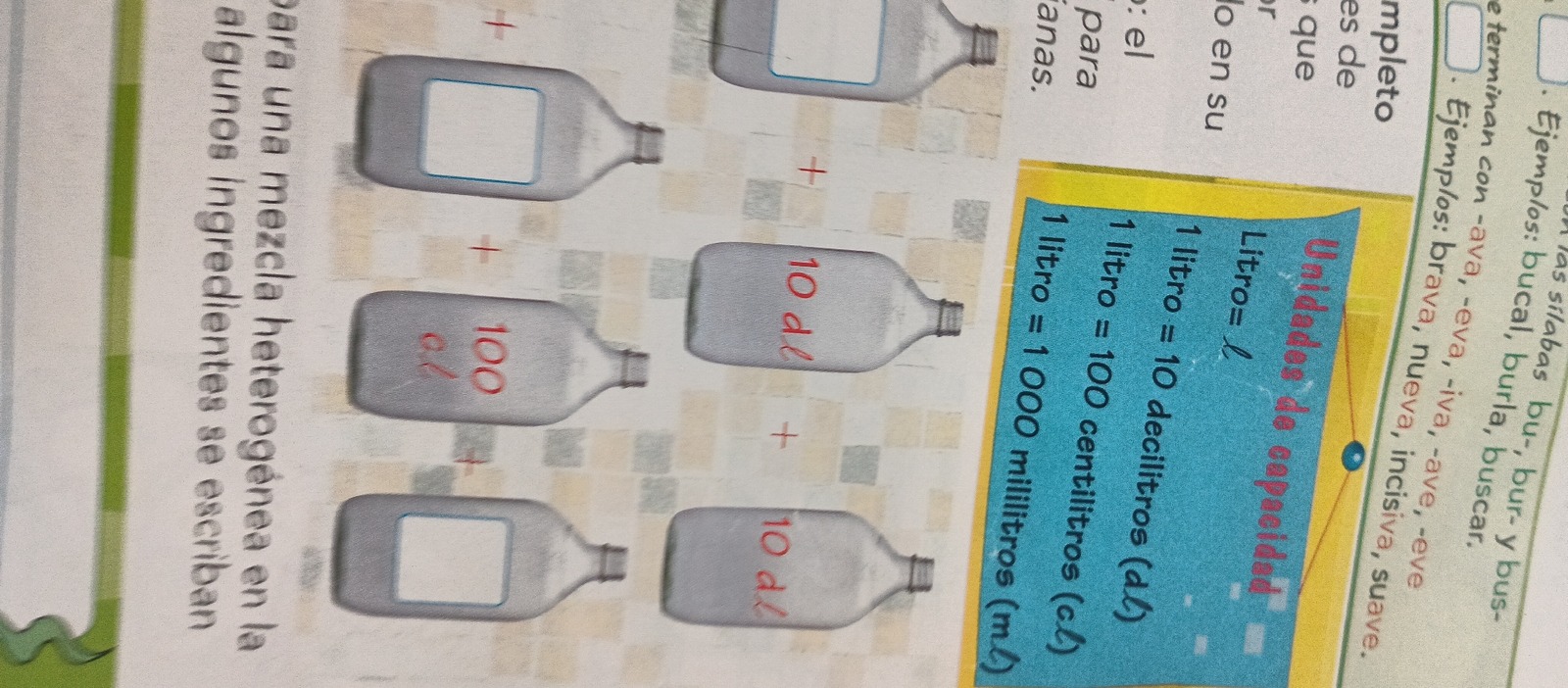
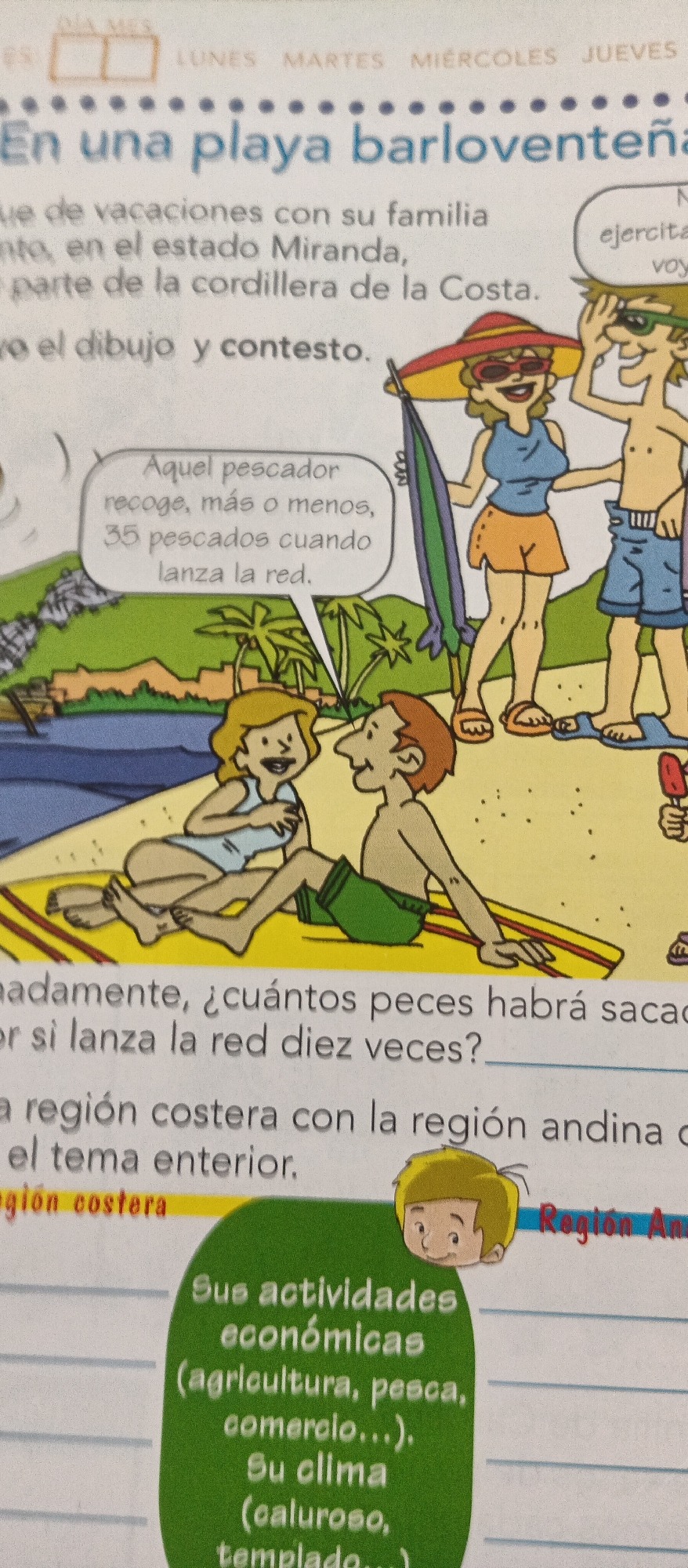
The image is a page from a children's workbook, likely for learning Spanish. The top section features an illustration of four young boys dressed in baseball uniforms, with dialogue bubbles above their heads. One bubble says, "I'm very tired, I want to shower first!" Another says, "Let's celebrate at my house, Alan!" and a third says, "I thought fifteen people were missing." The title of the page is "Juego limpio" (Fair play).
Below the illustration, there is a mathematical exercise involving fractions and decimals. The equation "15/100 = 0.15" is shown, followed by a table with the headers "parte entera" (whole part) and "parte decimal" (decimal part), with sub-headers "unidades" (units), "décimas" (tenths), and "centésimas" (hundredths).
Further down, there are two more fraction problems: "26/100 =" and "7/100 =". Underneath each, there is a line for "Se lee:" (It is read:). The final sentence at the bottom asks, "Which of the children says they are going to rest?" and instructs the reader to mark it with a checkmark.
There is no information in the image that would suggest a connection to the city of La Tagua, Venezuela.
La Tagua, Venezuela · Jun 23, 2026, 1:23 PM · 10.2k attention
The image shows a close-up, blurry view of several brown eggs in a yellow bowl, likely in a kitchen or dining setting. The eggs are the main subjects, with two clearly visible in the foreground. A dark, smudged mark is visible on a light-colored surface to the right of the bowl, resembling a heart shape with some trailing lines, possibly dirt or a food stain. The lighting appears to be indoor, with a soft, diffused light. The overall impression is one of domesticity, possibly related to food preparation. There is no visible text in the image. The location context of La Tagua, Venezuela, suggests a rural or suburban setting. The image does not provide any specific clues about the time of day or weather conditions. No people are visible, and the emotion conveyed is neutral, focusing on the objects themselves.
La Tagua, Venezuela · Jun 23, 2026, 1:23 PM · 10.2k attention
This is a close-up, blurry, and abstract image of what appears to be a piece of raw meat covered in white foam or suds, with some dark red, irregular shapes within the foam. There are also small air bubbles visible. The background is out of focus and appears to be a blurry, light-colored object and a dark brown textured surface. There are no discernible elements that would allow for a forensic description or placement within La Tagua, Venezuela.
La Tagua, Venezuela · Jun 23, 2026, 1:23 PM · 10.2k attention
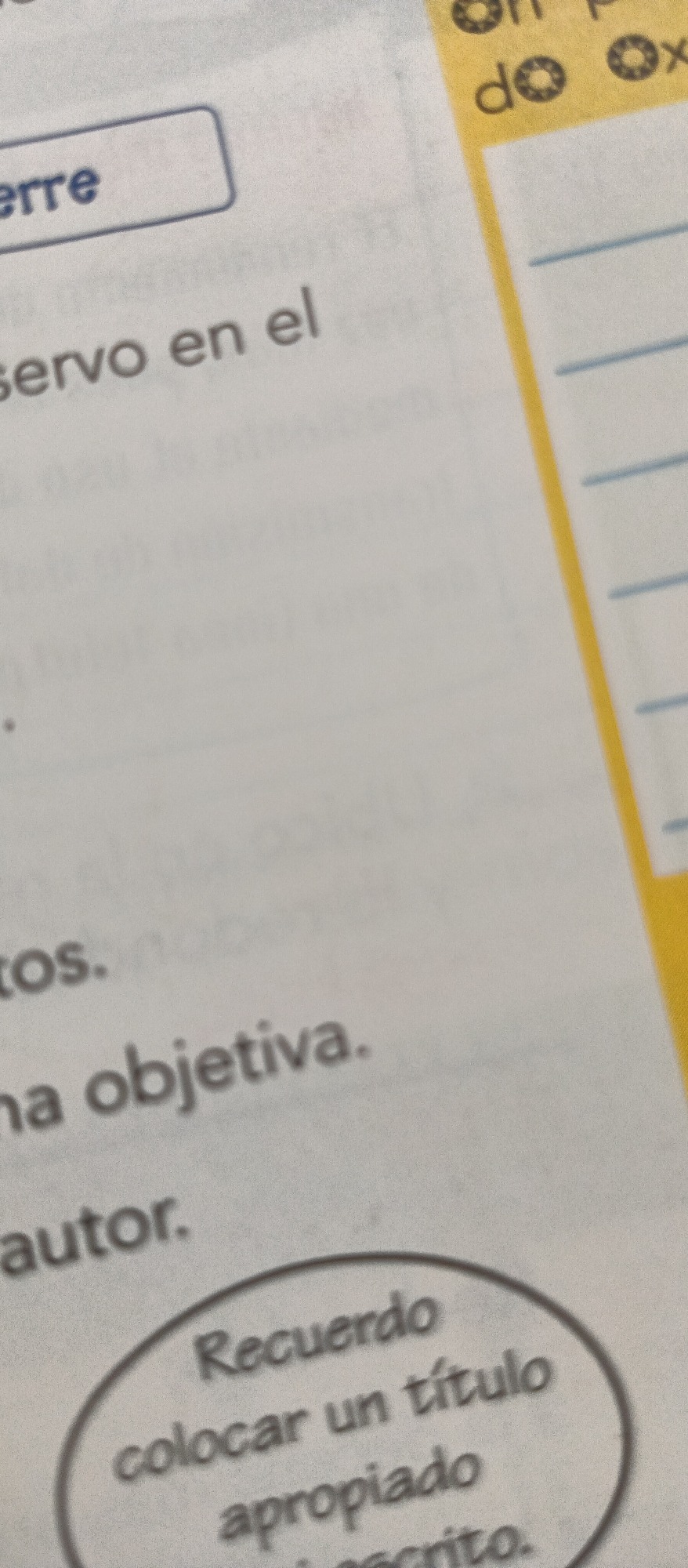
This media file shows a close-up of a piece of paper, likely from a book or worksheet, with Spanish text. The paper has a white background with some light gray text and a vertical yellow strip on the right side. The text is blurry in some areas, but several words are legible.
The visible text includes: "erre", "servo en el", "tos.", "na objetiva.", "autor.", and within a circled area, "Recuerdo colocar un título apropiado escrito.". On the yellow strip, parts of words "do" and "Ox" are visible, possibly from a heading or branding.
The overall impression is that this is an educational document. The circled text suggests a reminder or instruction related to writing, specifically about placing an appropriate title. The focus is entirely on the paper and its printed content, with no other objects or subjects in the frame. The lighting suggests an indoor setting, likely with diffused light. There are no environmental cues that place it specifically in La Tagua, Venezuela.
La Tagua, Venezuela · Jun 23, 2026, 1:26 PM · 10.2k attention
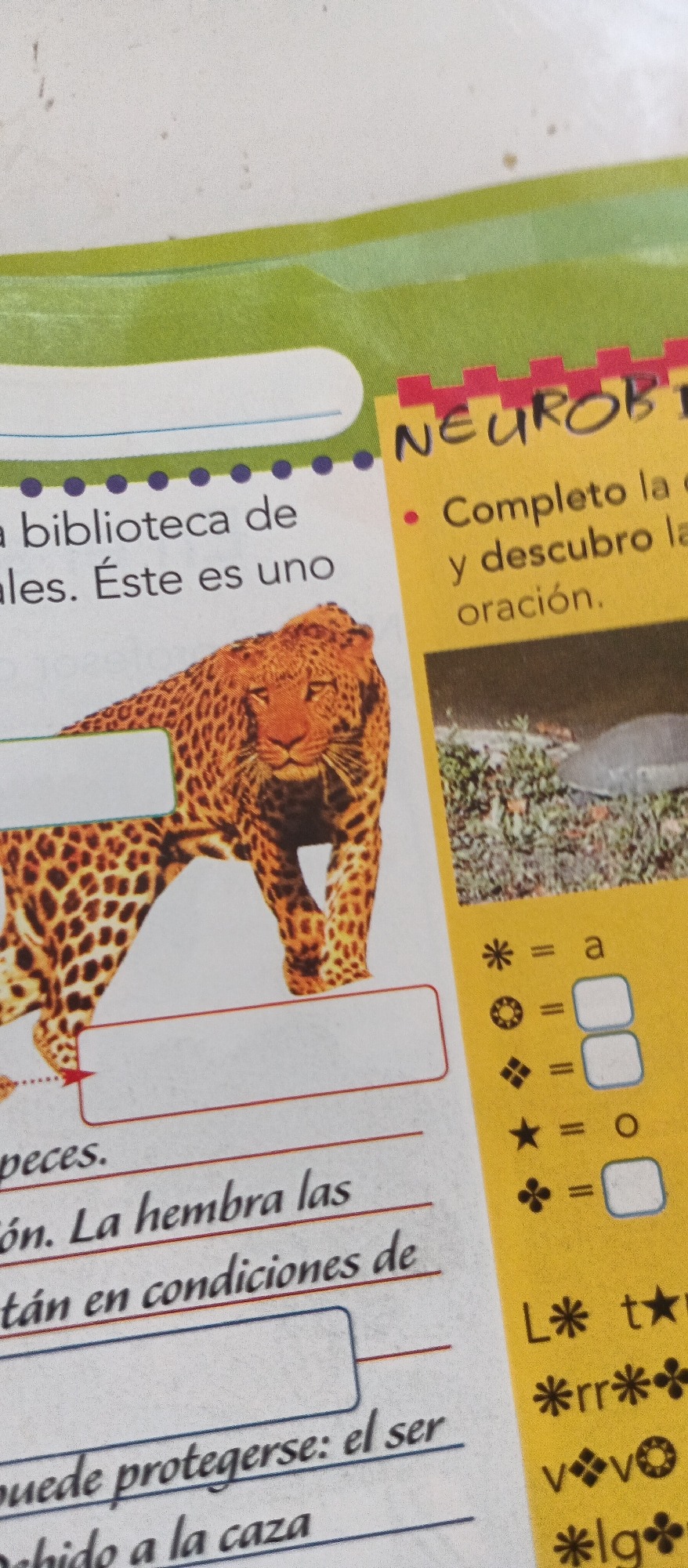
This media file appears to be a page from a workbook or educational material, likely for children, given the presence of a leopard illustration and a coding-like activity. The main subject is a drawing of a leopard, prominently displayed on the left side of the page. The text on the left side, in Spanish, discusses a library and a leopard.
On the right side, there is a section titled "NEUROB" in red lettering against a yellow background. Below this title, there are bullet points with instructions in Spanish, asking the reader to complete and discover the "oración" (sentence or prayer). Further down, there's a visual puzzle where symbols are equated to letters or shapes, with some blank spaces to be filled in. The symbols include an asterisk, a circular pattern, a diamond shape, a star, and a four-petal flower. These symbols are paired with letters like "a" and "o", and blank boxes. Below this, there are lines of text that seem to be exercises or examples using these symbols, such as "L* t★" and "*rr**".
The overall setting is likely a classroom or a home learning environment. The image is well-lit, suggesting it was taken during the day. There are no people visible in the media. The emotions conveyed are neutral, focused on the educational content. The inclusion of a leopard suggests the topic might be animals or nature. The text and exercises point to a language or early literacy activity. The provided location context "La Tagua, Venezuela" suggests this material might be used in educational settings within that region.
La Tagua, Venezuela · Jun 23, 2026, 1:26 PM · 10.2k attention
The media file shows a close-up, eye-level shot of a pair of black children's shoes hanging from a green plastic hanger. The hanger is suspended from a decorative finial on a dark curtain rod. The background is a solid, light green wall, which appears to be textured. The top edge of the image shows a blurry, white, scalloped fabric, possibly a curtain or valance. The lighting suggests it is daytime, and there are no strong shadows, indicating diffuse lighting. The scene appears to be indoors, likely a bedroom or closet, given the presence of shoes and a curtain rod. There is no text visible in the image. The overall impression is one of domestic simplicity.
La Tagua, Venezuela · Jun 23, 2026, 1:23 PM · 10.2k attention
This is a medium-shot, eye-level media file depicting a street scene in La Tagua, Venezuela. The foreground is dominated by a paved road, which appears somewhat worn and has puddles in places, suggesting recent rain. To the left of the road, there's a dense green tree and some rocks. The middle ground features a low brick wall with a green door, and beyond that, a small building with a yellow facade. Further back, a vibrant pink flowering tree stands out against the greenery. In the background, two tall cell towers rise into the sky, with numerous power lines crisscrossing the frame. Hills can be seen in the distance. The sky is partly cloudy with patches of blue. The time of day appears to be late morning or early afternoon, indicated by the lighting. The overall impression is one of a rural or semi-rural environment.
Visible text includes a date and time stamp: "2026/06/23 09:36" and a device/copyright attribution: "Tecno Spark 10 Pro||™Angel Antonio™". There is no discernible activity or event taking place in the image, as it appears to be a still, observational shot of the landscape. The weather seems fair, despite the puddles on the road. The location cues of the cell towers and the style of the buildings suggest a location in Venezuela, as specified. There are no people visible in the frame.
La Tagua, Venezuela · Jun 23, 2026, 1:36 PM · 10.2k attention
This is a medium shot, eye-level photograph of a white plastic bottle of baby powder with a purple shaker cap. The bottle is lying on its side on a light-colored, textured surface, possibly a table or counter. The powder has spilled onto the cap and the surface around it. The label on the bottle is predominantly pink and features an illustration of a baby duck. Text on the label is partially visible. Above the bottle, the background is a plain, off-white wall with a subtle shadow cast by an unseen object. The lighting appears to be natural, suggesting it might be daytime. The overall scene is simple and domestic, with no particular time of day or weather cues evident. The location context provided is La Tagua, Venezuela.
La Tagua, Venezuela · Jun 23, 2026, 1:23 PM · 10.2k attention
The image shows a page from a children's educational book or workbook, likely related to science or mathematics. The dominant subject is an illustration depicting four cartoonish figures in what appears to be an indoor setting, possibly a classroom or laboratory. Two figures are adult-like, one wearing a blue shirt and the other an orange garment, and they seem to be interacting with or observing a third, smaller figure who is holding a magnifying glass. A fourth figure, a child in an orange shirt and blue pants, stands to the right, looking towards the viewer.
In the foreground, there is text and a grid pattern, suggesting a worksheet. A section of text describes bacteria being small and asks the reader to color squares and write digits. Below this, there are mathematical expressions with fractions and empty boxes, indicating problems to be solved. The phrases "parte entera" (whole part) and "parte decimal" (decimal part) are visible, along with colored bars labeled with words like "milésimas" (thousandths) and "centésimas" (hundredths), further reinforcing the mathematical context.
The overall tone is educational and engaging, with bright colors and friendly cartoon characters designed for a young audience. The lighting appears to be from an overhead source, typical of an indoor environment, and there are no specific indicators of the time of day or weather. The setting seems to be a generic educational space, possibly a classroom or a printed worksheet. The presence of Spanish text indicates that the material is intended for Spanish-speaking children.
La Tagua, Venezuela · Jun 23, 2026, 1:23 PM · 10.2k attention
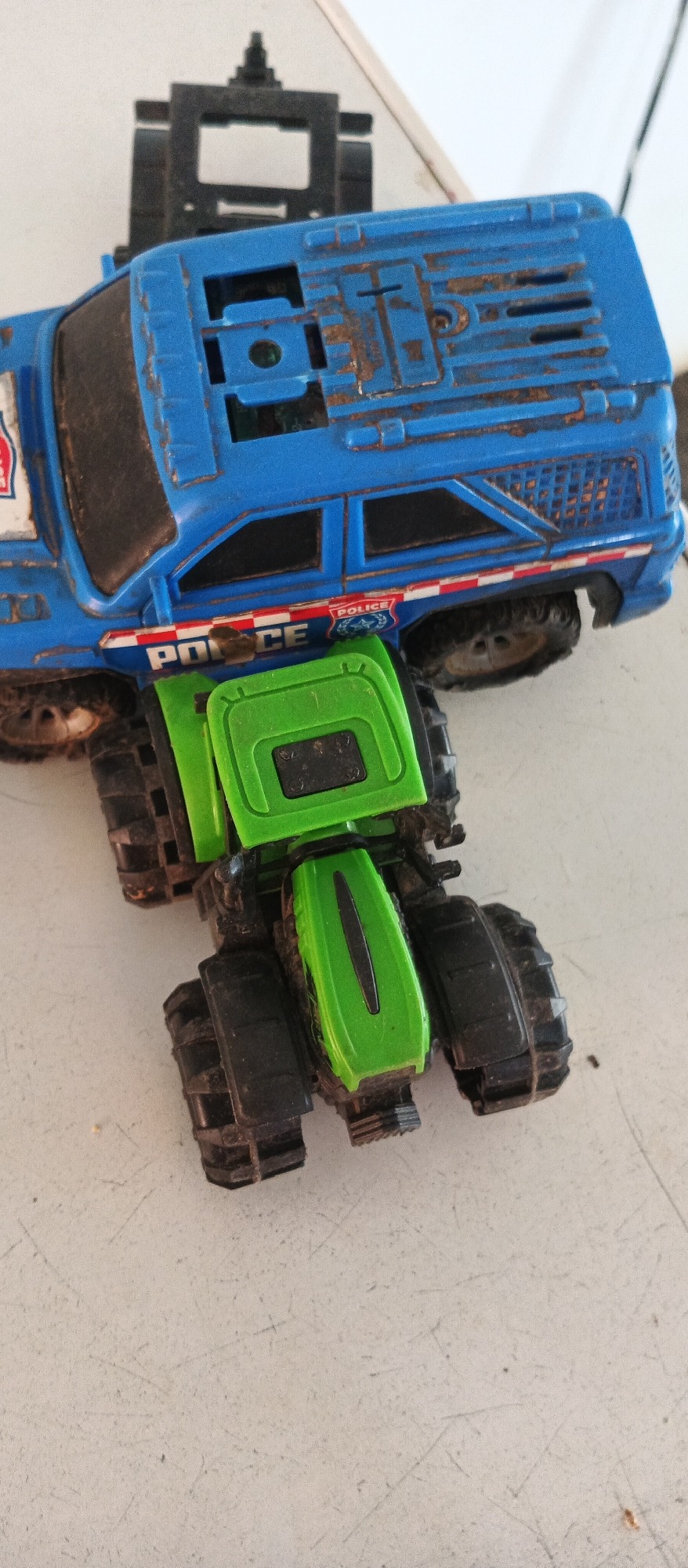
The image displays a close-up, overhead view of two toy vehicles: a blue police car and a green tractor. The police car, which appears to be a larger SUV model, has "POLICE" written in white lettering with a red and white striped border on its side. The tractor is attached to the rear of the police car, partially obscured by it. Both toys are positioned on a light-colored, flat surface, possibly a table or countertop, which shows some scratches and dust. The toys themselves appear somewhat worn, with scuff marks and dirt present, suggesting they have been played with. The lighting suggests an indoor setting. There are no people or animals visible in the image. The location in the city of La Tagua, Venezuela, is not visually evident from the provided image and context.
La Tagua, Venezuela · Jun 23, 2026, 1:23 PM · 10.2k attention
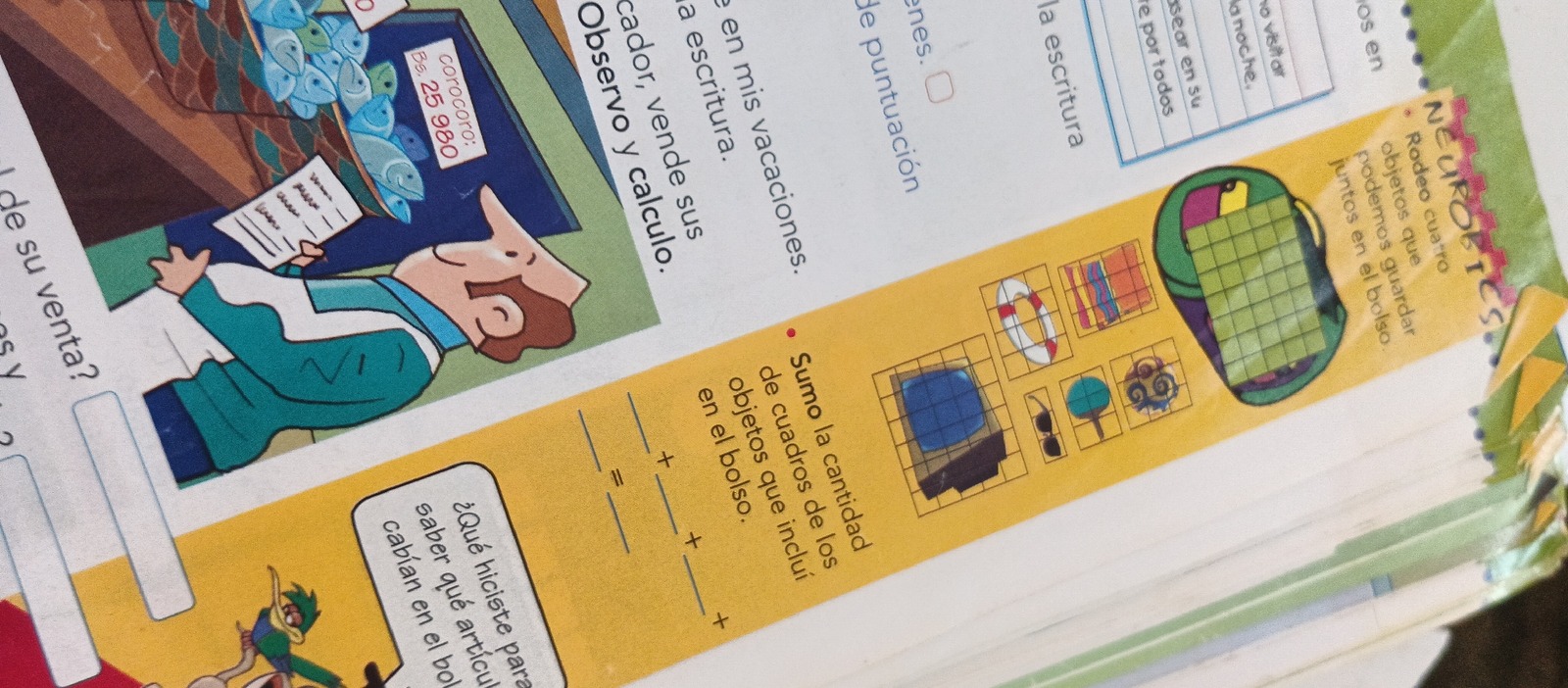
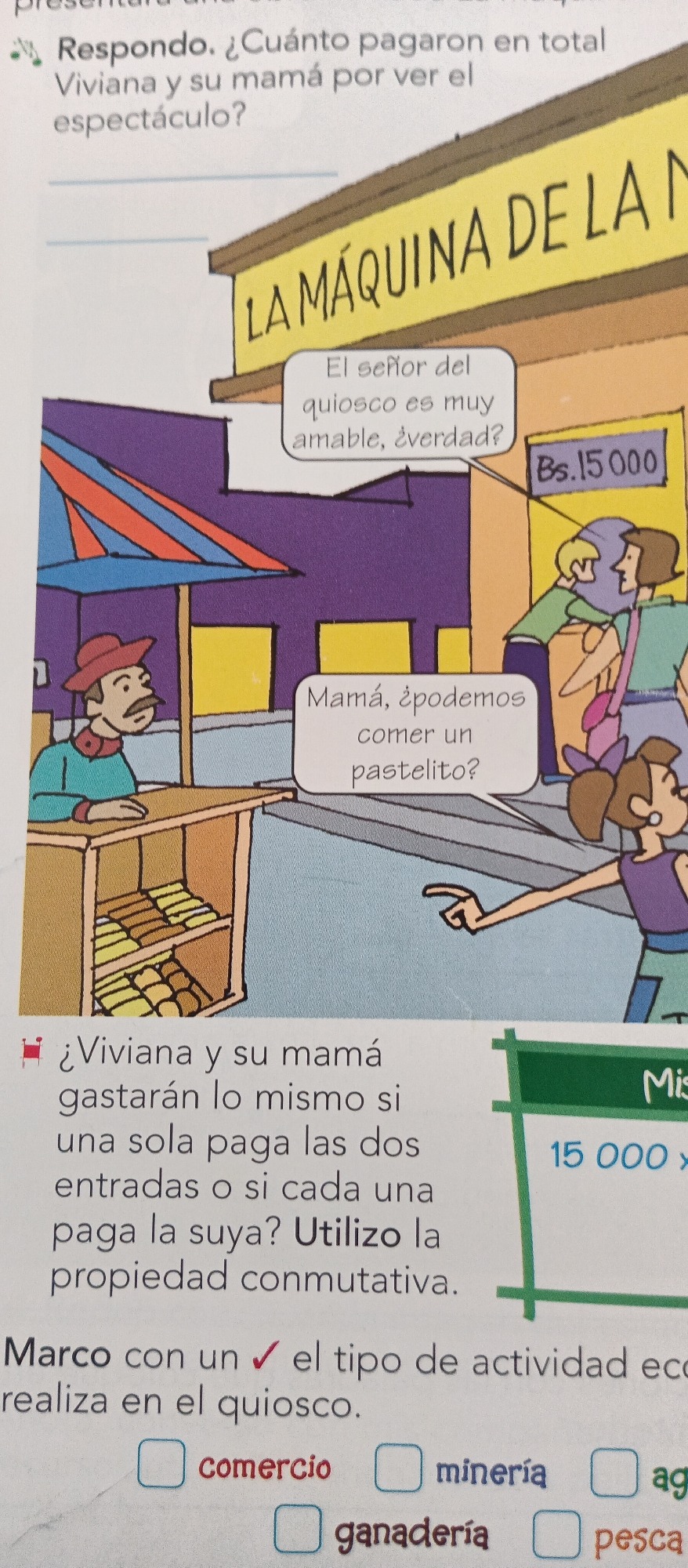
The image shows a page from a children's educational book. The illustration features a cartoonish character, possibly a salesperson, standing in front of a display of colorful fish in a basket. The character appears to be holding a receipt or bill. The scene is brightly colored and whimsical, suggesting a playful learning environment.
The text on the page is in Spanish and includes a variety of educational prompts and exercises. One section appears to be about writing, with phrases like "e en mis vacaciones" (on my vacation) and "la escritura" (writing). Another section focuses on mathematics, with exercises involving counting squares and adding numbers. The phrase "Observo y calculo" (I observe and calculate) indicates a problem-solving activity. There is also a price tag visible that reads "corocoro: Bs. 25.980," suggesting a context of commerce or a marketplace.
Another prominent element is a yellow banner with illustrations of various objects, such as a life preserver, sunglasses, and a beach umbrella, all presented within grid squares. This section is titled "NEUROBICS" and seems to involve counting or estimating the space these objects would occupy. The text accompanying this section, "Rodeo cuatro objetos que podemos guardar juntos en el bolso" (I circle four objects that we can keep together in the bag), further reinforces the theme of counting and spatial reasoning.
The overall impression is of a learning activity designed to engage young children with themes of daily life, observation, and basic math skills, presented in a visually appealing and accessible manner. The vibrant colors and cartoon style contribute to a cheerful and inviting atmosphere.
La Tagua, Venezuela · Jun 23, 2026, 1:28 PM · 10.2k attention
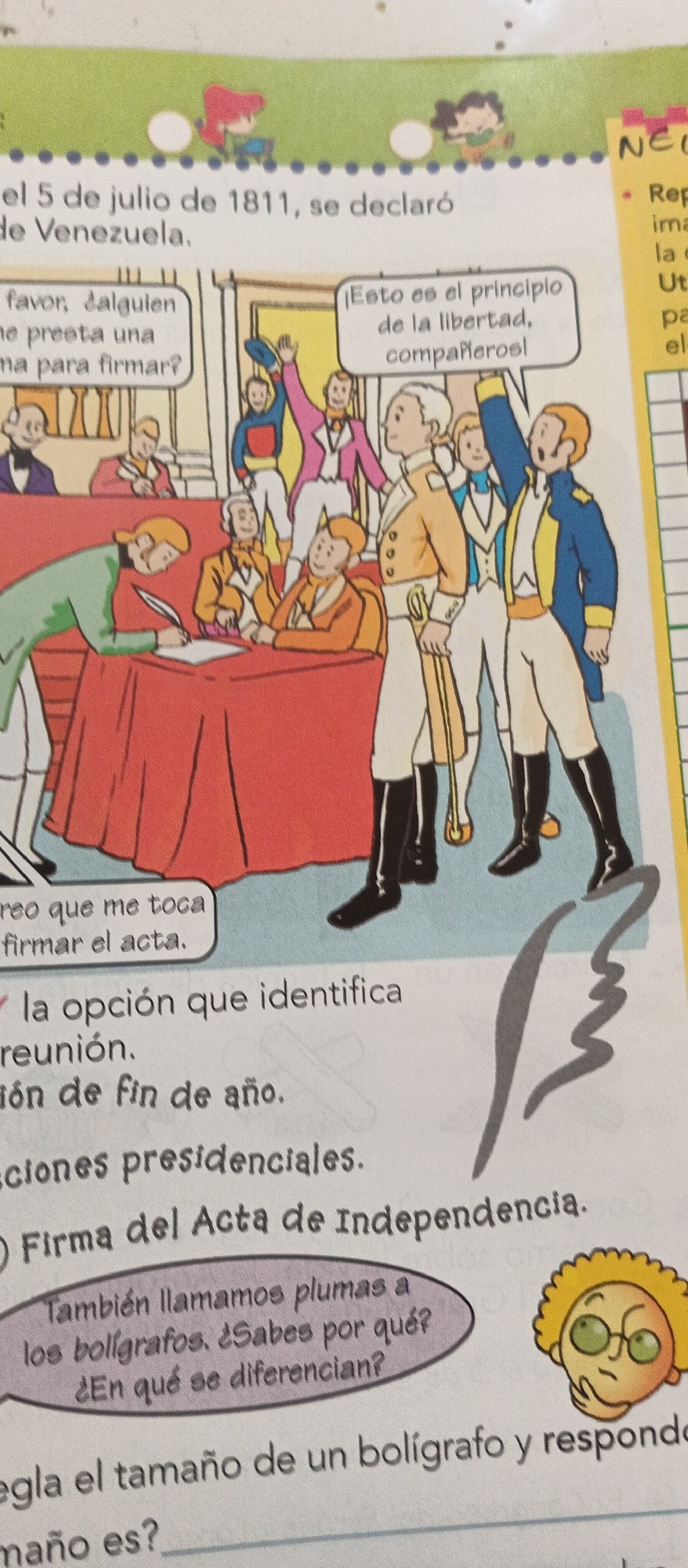
This is a colorful illustration that appears to be from a children's educational book. The scene depicts a historical event in Venezuela, likely related to its declaration of independence.
In the foreground, several men in historical attire are gathered around a table. One man in a green jacket is actively signing a document with a quill pen, while others observe. A speech bubble above him reads, "Creo que me toca firmar el acta" (I think it's my turn to sign the document). Another speech bubble, emanating from a group of men standing, says, "¡Esto es el principio de la libertad, compañeros!" (This is the beginning of freedom, companions!). The men are dressed in formal wear typical of the 19th century, with waistcoats, cravats, and breeches, some with military-style jackets.
In the background, more figures are present, and the setting appears to be an indoor hall, possibly a government building. The top of the illustration shows children playing with a ball in a grassy area under a blue sky.
Below the illustration, there are lines of text and questions, indicating this is part of an exercise. One question asks, "la opción que identifica reunión. dón de fin de año. ciones presidenciales. O Firma del Acta de Independencia." Another section in a purple bubble asks, "También llamamos plumas a los bolígrafos. ¿Sabes por qué? ¿En qué se diferencian?" (We also call pens "plumas". Do you know why? How do they differ?). The final visible line reads, "egla el tamaño de un bolígrafo y responde maño es?" (regulate the size of a pen and answer what size it is?).
The overall tone is informative and engaging, using illustrations and interactive questions to teach about Venezuelan history. The presence of children in the top section suggests the target audience is young learners. The text explicitly mentions "Venezuela" and "1811," pointing to the period of its independence.
La Tagua, Venezuela · Jun 23, 2026, 1:19 PM · 8.3k attention
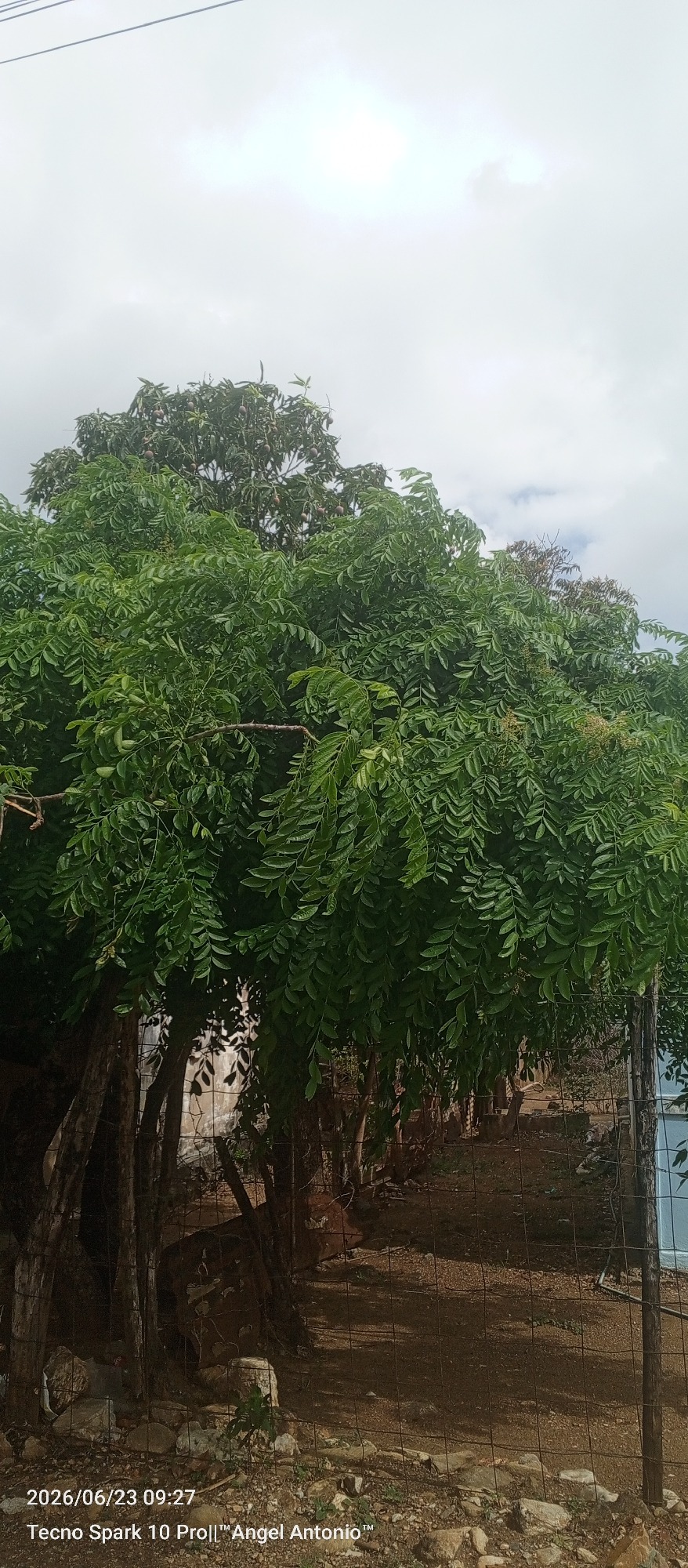
The image depicts an outdoor scene with lush green foliage dominating the foreground and midground. Several trees are visible, with a large tree in the center covered in dense, compound leaves. Behind this, another tree, possibly a mango tree, bears some fruit. The ground beneath the trees is covered in dry earth, scattered rocks, and low-lying vegetation, partially obscured by a wire fence. In the background, a light-colored structure is partially visible through the leaves, suggesting a residential or utilitarian area. The sky above is overcast with bright, diffused light, indicating a cloudy day.
Visible text at the bottom of the image includes a date and time stamp "2026/06/23 09:27" and device information "Tecno Spark 10 Pro||™ Angel Antonio™". The location context provided is La Tagua, Venezuela. The overall impression is of a natural setting, possibly a backyard or a rural area, under a cloudy sky. No people are visible in the image.
La Tagua, Venezuela · Jun 23, 2026, 1:28 PM · 3.7k attention
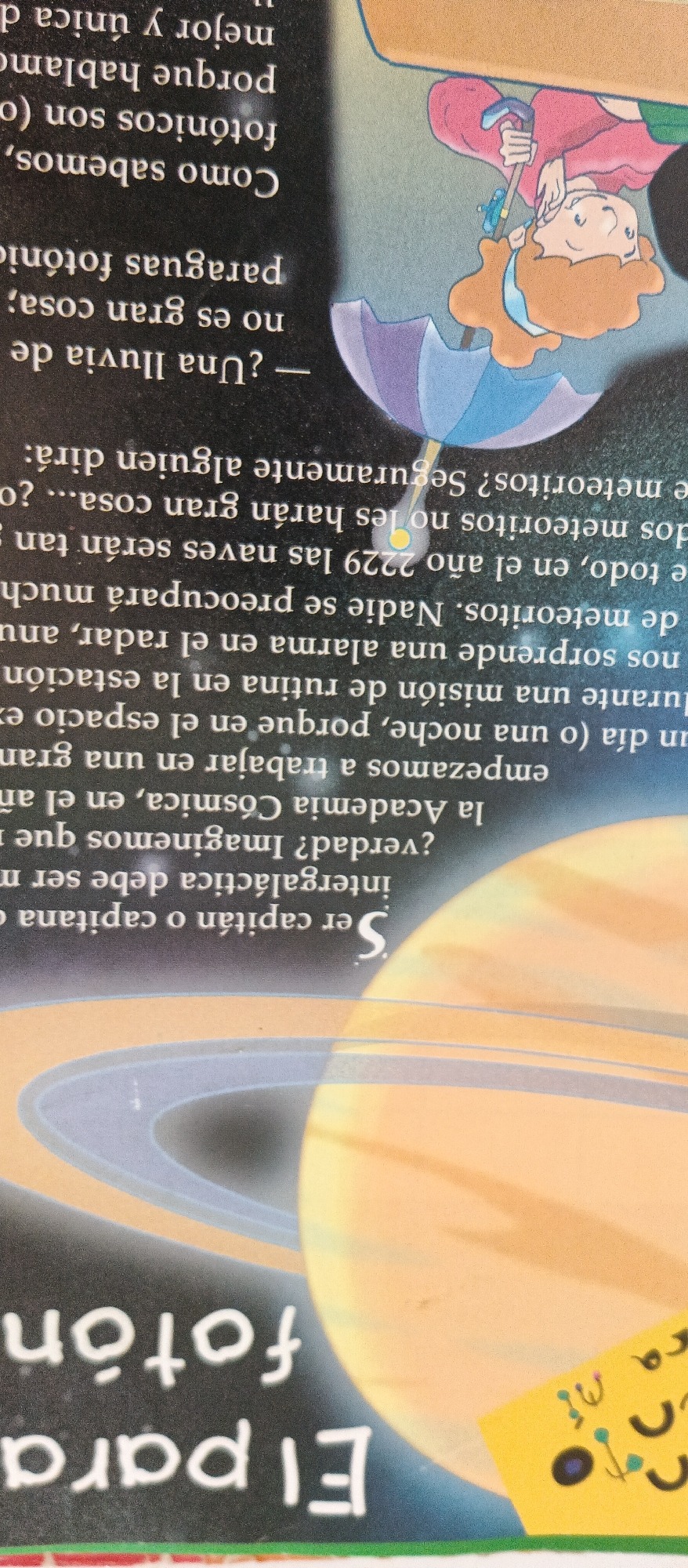
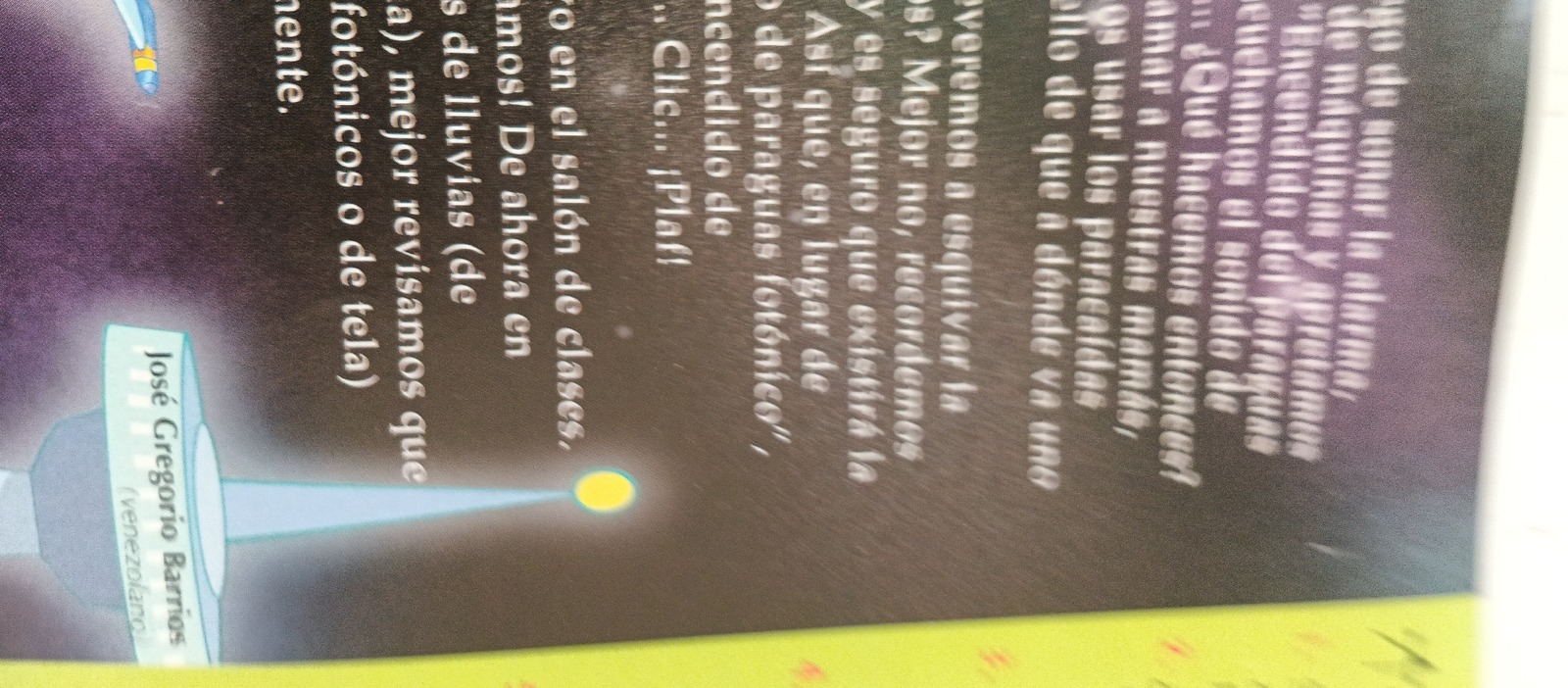
This is an image of a page from a children's book, likely about space exploration. The text is written in Spanish and is partially obscured by an illustration.
The main illustration depicts a young girl with curly brown hair, wearing a pink shirt and blue pants, holding an umbrella. She appears to be floating in space, possibly during a meteor shower, as suggested by the text which mentions "meteoritos". The umbrella is colorful, with sections of purple, blue, and yellow.
The text in the image is oriented vertically and is in white font. It discusses a space mission, mentions the year 2229, and poses questions about being a captain or a captain and the actions of meteorites. It also includes phrases like "Academia Cósmica" (Cosmic Academy) and "intergaláctica" (intergalactic), indicating a science fiction theme.
To the left of the illustration, there is text that appears to be the title or a heading, "El para fotón," which translates to "The for photon." Below this, a large planet with rings, resembling Saturn, is visible. The planet is depicted in shades of yellow and orange.
The overall mood of the image is whimsical and educational, aiming to engage young readers with the wonders of space. The combination of illustration and text suggests a narrative that blends learning with imaginative storytelling.
La Tagua, Venezuela · Jun 23, 2026, 1:15 PM · 0.5k attention
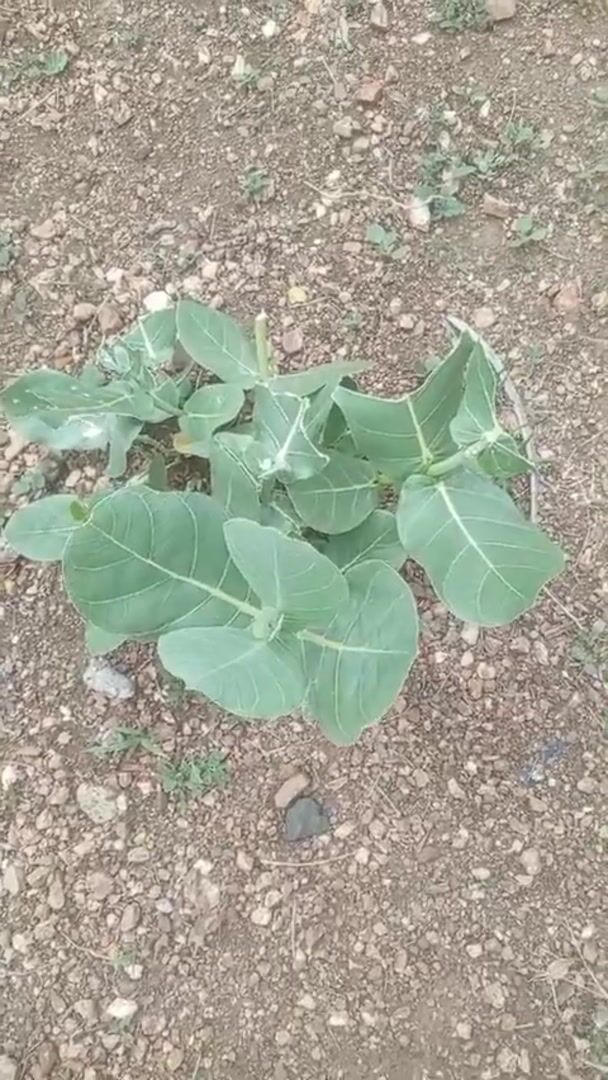
The video shows a close-up, high-angle view of a plant with large, pale green leaves, some of which are curled or folded. The plant appears to be growing in dry, gravelly soil with sparse, small green weeds. The lighting suggests it is daytime, and the weather appears dry. The video is a still shot and does not depict any activity or event beyond the static image of the plant. No people, animals, or text are visible. The setting is a patch of ground, possibly a roadside or undeveloped area, in La Tagua, Venezuela.
La Tagua, Venezuela · Jun 23, 2026, 1:35 PM · 0.1k attention
The image captures a cloudy sky with the sun partially obscured by clouds. Several power lines crisscross the frame, supported by a utility pole visible on the left side of the image. Trees and foliage line the bottom of the frame, suggesting an outdoor setting. The overall mood is overcast, with the light suggesting it is daytime, possibly late morning or early afternoon. The location is identified as Juan Griego, Venezuela, which implies a tropical or subtropical climate. There are no people or discernible activities taking place, and no visible text in the image.
The media file shows an angled shot of a ceiling, likely indoors or under a covered outdoor structure. The ceiling appears to be constructed of corrugated material, painted a textured off-white with some gray undertones. Two parallel, rectangular white beams or supports run vertically through the frame, secured to the corrugated ceiling by thin metal wires.
Above the corrugated ceiling, a rough-hewn, dark brown wooden beam is visible, its texture suggesting natural wood with bark-like elements. A sliver of what might be a lighter brown, possibly painted surface, is visible above the wooden beam, with a small, light-colored, semi-transparent object partially visible against it.
The scene is static, with no activity taking place. The lighting suggests it is daytime, but no specific time or weather conditions are apparent. The texture of the ceiling and the rough wooden beam are the most prominent details. There is no visible text in the image. The context of "La Tagua, Venezuela" suggests a possible rural or semi-rural location, perhaps a dwelling, shed, or covered communal space.
La Tagua, Venezuela · Jun 23, 2026, 1:08 PM
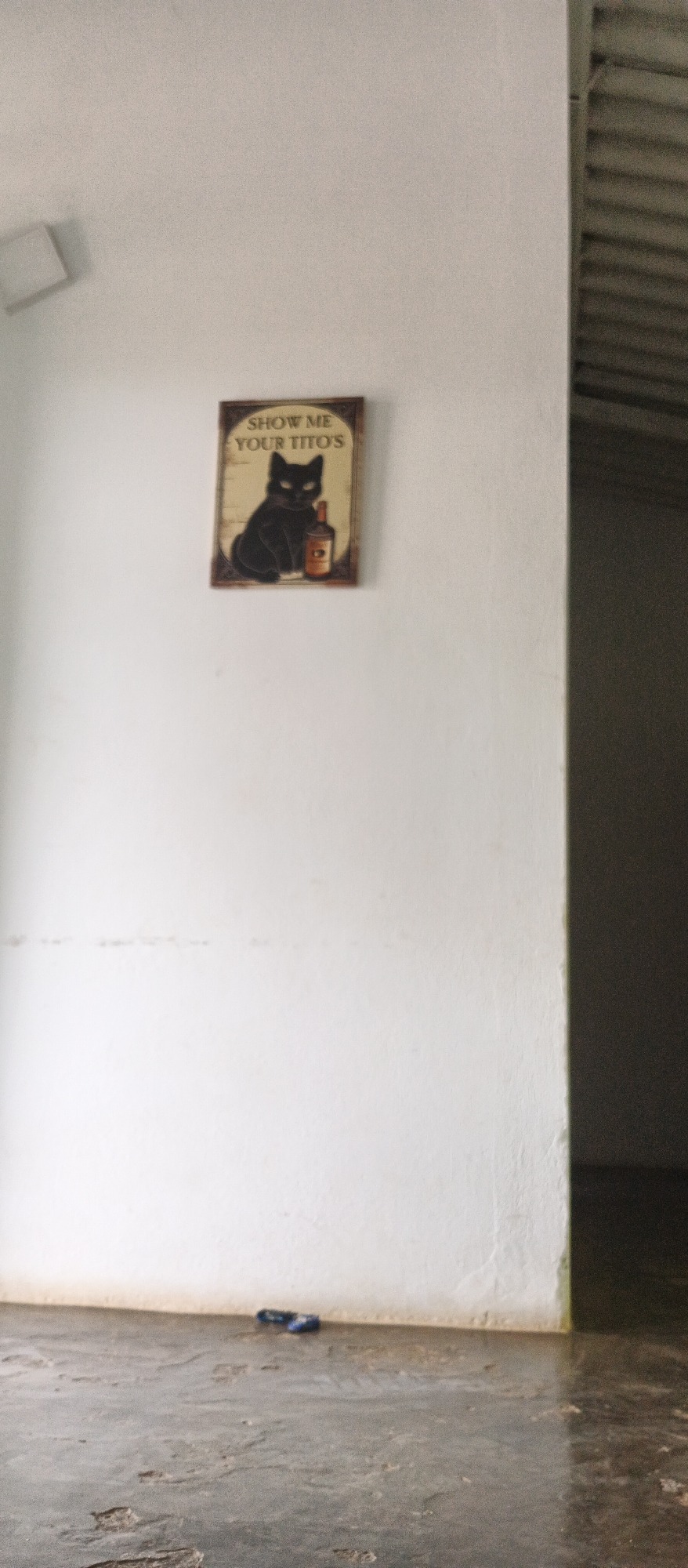
This media file depicts an indoor scene with a white wall and a concrete floor. The wall has a framed picture hanging on it, featuring a black cat sitting next to a bottle. The text on the picture reads "SHOW ME YOUR TITO'S". On the floor, a pair of blue flip-flops are visible. The lighting suggests it is daytime, with natural light entering the space. The overall setting appears to be a room or a hallway. The concrete floor shows signs of wear and tear, with some rough patches. The right side of the image is darker, indicating a transition to a shaded area or another room. No people are visible in the media file.
The image depicts a hallway with two doorways visible. The walls are painted white. The floor appears to be dark and possibly dirty or stained, with some debris scattered on it.
On the left, a door frame is visible, with the edge of a wooden door and a dark doorknob. The door is slightly ajar, revealing a sliver of the interior or the side of the door. A small red object, possibly a leaf or a piece of paper, is lying on the floor near the base of this doorframe.
On the right, another doorway is seen, leading into a darker space. The door frame on this side is also visible, and the door itself is made of dark wood and is also partially open.
The lighting in the hallway suggests it might be daytime, but the interior spaces are dark, implying they may not be well-lit or are closed off from natural light. The overall impression is one of a somewhat neglected or unfinished space. There is no visible text in the image. The setting appears to be indoors, likely within a residential or institutional building, given the presence of multiple doorways. The lack of clear detail in the surrounding environment makes it difficult to pinpoint a specific type of location.
The image is a highly abstracted and blurry depiction of a dimly lit indoor setting, possibly at night. The scene is dominated by a diffuse white light source on the left, illuminating a curved surface that appears to be a shoulder or a piece of fabric. The rest of the image is a blur of dark browns and muted colors, suggesting a shadowed environment. Streaks of light and movement are visible, indicating motion blur, which implies that either the camera or the subjects were moving during the exposure. It's difficult to discern specific objects or individuals with any clarity due to the extreme blur and low resolution. There are no discernible text elements. The overall impression is one of abstract movement and light in a dark, indistinct space.
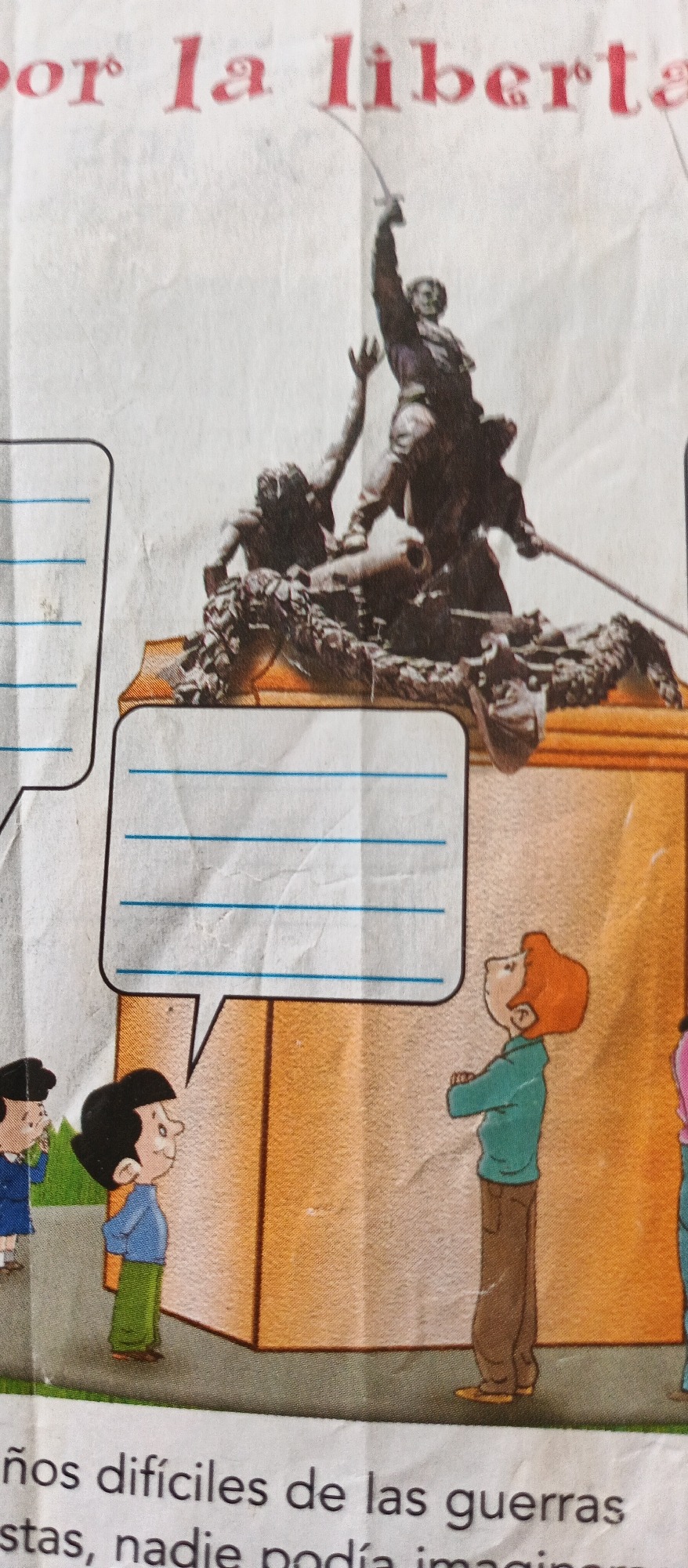
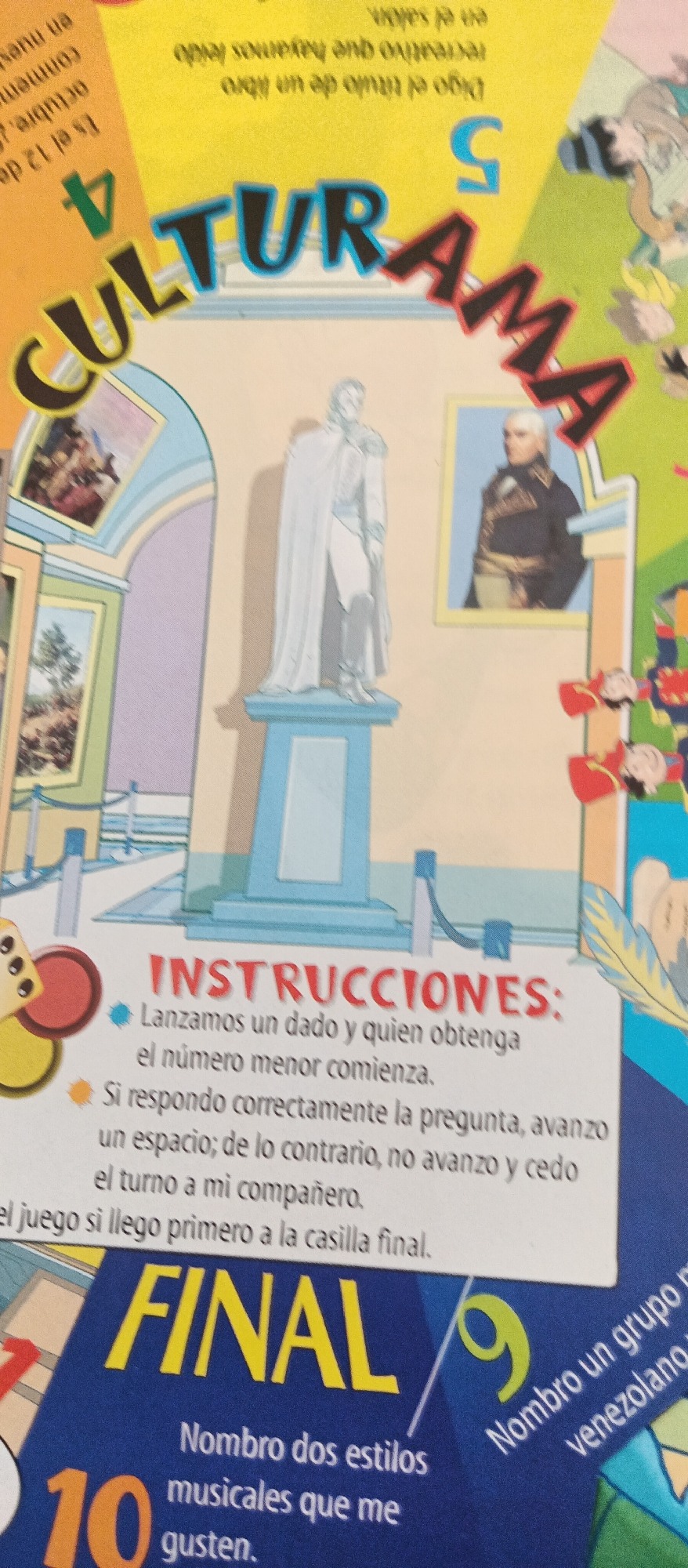
The image depicts an illustration with a historical or patriotic theme. At the top, there is text that reads "por la libert" in red, stylized font, suggesting a theme of liberty or freedom. Below this text is a sculpture or monument featuring several figures in dynamic poses, some holding swords. The figures appear to be in the midst of a battle or a triumphant moment.
In the lower part of the image, there are three children looking up at the monument. The child on the left is wearing a blue uniform. The child in the middle is wearing a blue shirt and green pants. The child on the right has reddish-brown hair and is wearing a teal shirt and brown pants. Their expressions suggest awe or contemplation. The scene is set against a light-colored background, possibly representing a wall or sky, with a warm-toned architectural element that forms the base of the monument. The drawing style is illustrative, possibly from a children's book or educational material.
At the very bottom of the image, there is text in Spanish which reads "ños difíciles de las guerras estas, nadie podía imagin". This translates to "difficult years of the wars these, no one could imagine", further reinforcing the historical and potentially challenging theme.
The overall impression is one of commemoration and reflection on historical events, likely related to a struggle for freedom. The presence of children suggests an educational context, aiming to teach about history. The drawing does not provide specific cues about time of day or weather, but the setting appears to be outdoors or within a context where such a monument would be displayed.
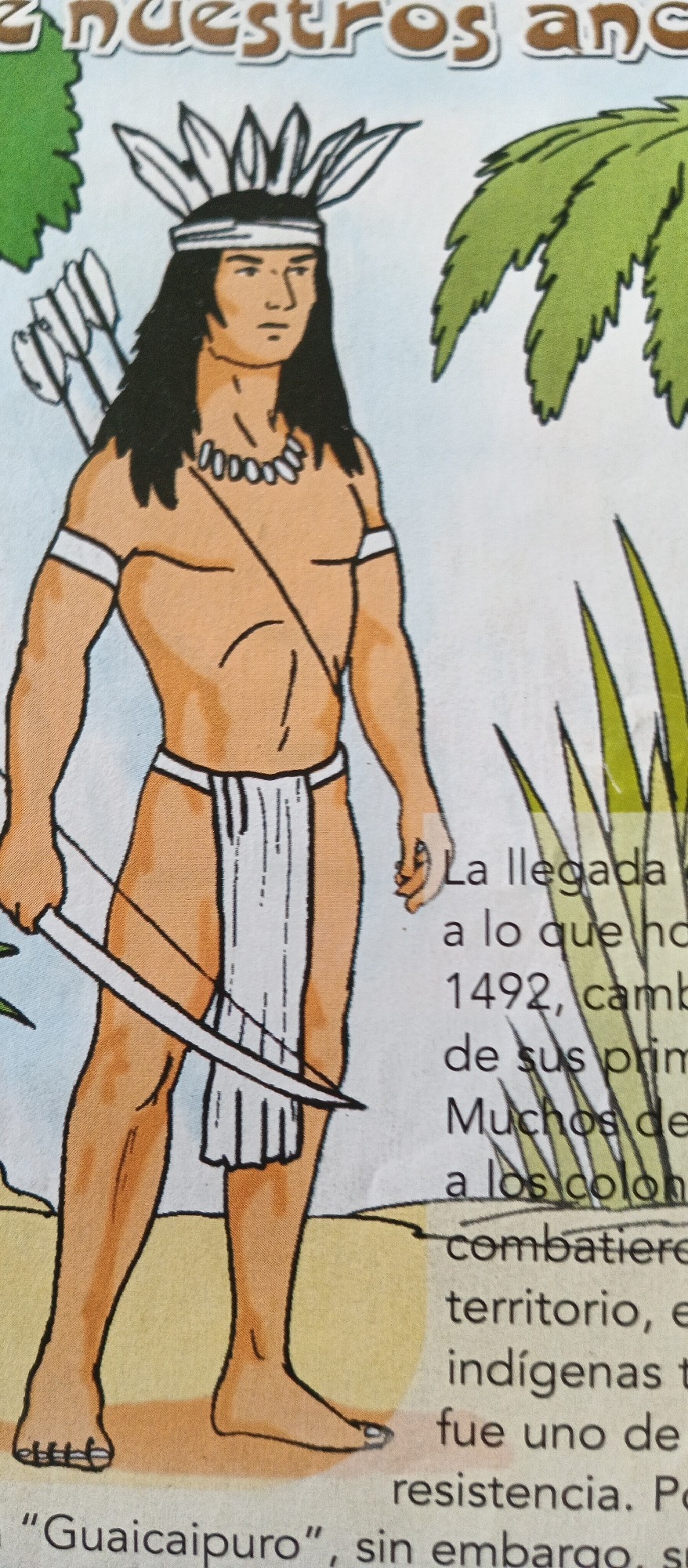
This is an illustration of an indigenous warrior, likely from the region of La Tagua, Venezuela. The warrior is depicted with long black hair, a feathered headdress, and a necklace made of shells. He is wearing a white loincloth and armbands. He is holding a bow and arrow. The background shows green foliage, suggesting a tropical or jungle setting.
The text in the image appears to be a historical account, mentioning the year "1492" and the term "colon" (colonizers). It also includes the name "Guaicaipuro", which refers to a prominent indigenous chief who resisted Spanish colonization in Venezuela. The overall impression is of a historical illustration depicting indigenous resistance.
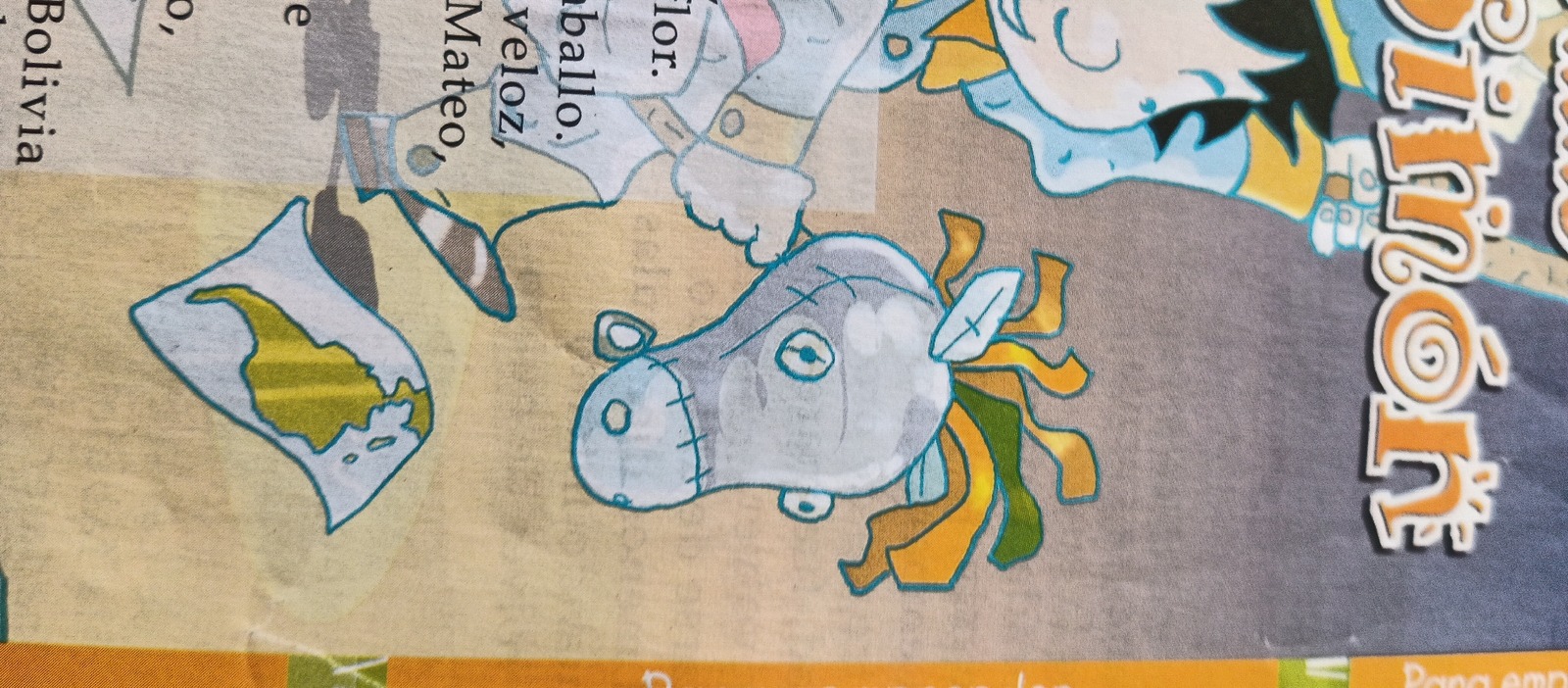
The image shows a close-up of a children's book illustration. The primary subjects are cartoon characters, including a stylized human figure with spiky hair and a cartoon horse's head with a light blue mane and yellow and green streamers. A map of South America, specifically depicting what appears to be Bolivia, is held by the human figure.
The scene is colorful and whimsical, with pastel colors dominating the background and the characters. The text "Bolivia" is visible in the upper left corner, written vertically. Other partially visible words include "Mateo," "veloz," and "caballo." On the right side of the image, a large, stylized word in orange and white reads "Simón," likely the title of the book or a character's name. The overall impression is of an educational or narrative illustration intended for children, possibly related to geography or a story set in South America. The image does not provide cues about the time of day, weather, or specific emotions beyond the general cheerful and playful tone of children's illustrations. The location context "La Tagua, Venezuela" suggests the origin or context of the illustration.
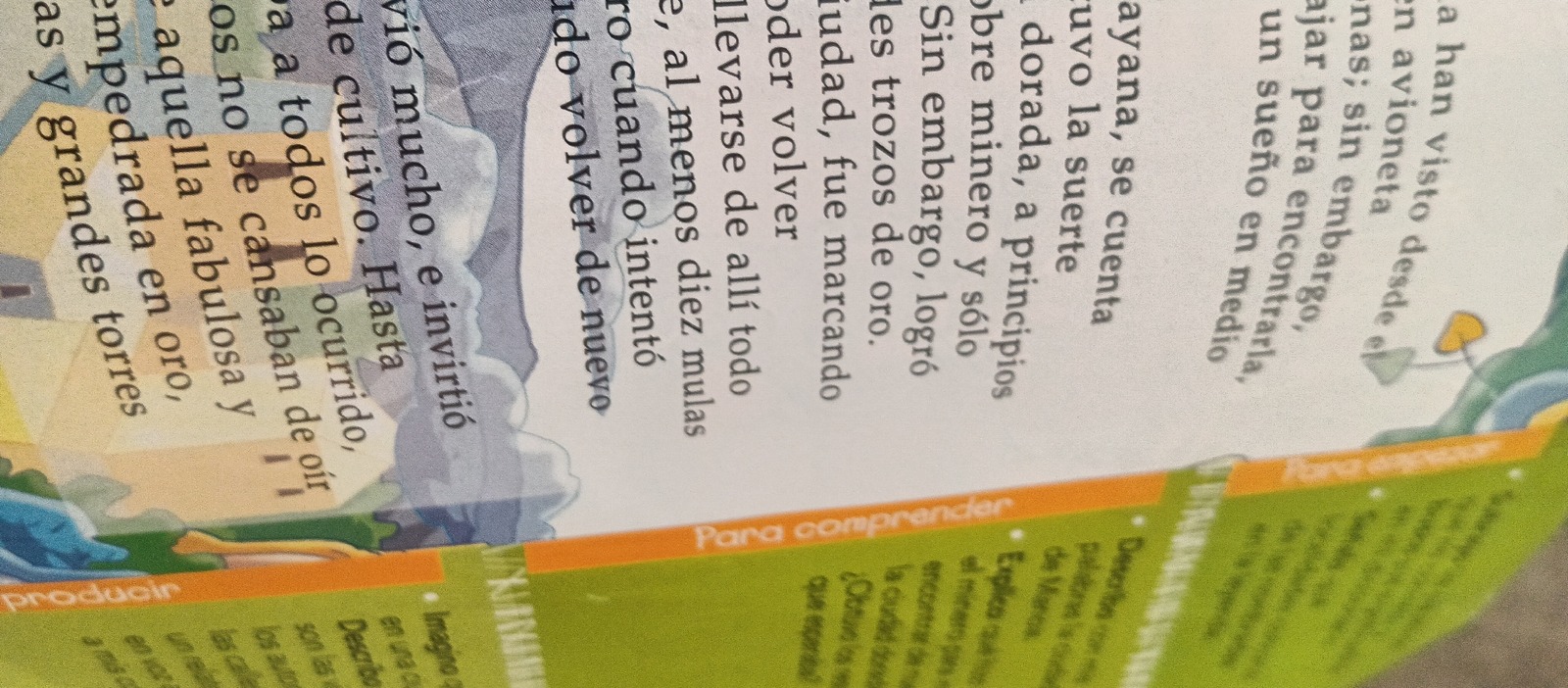
This is a close-up, tilted photograph of an open book, with text and illustrations visible. The book appears to be a children's storybook, judging by the colorful illustrations peeking out from behind the text. The text itself is in Spanish.
The main subject of the photograph is the text and the partially visible illustrations. The text is arranged in columns and describes a narrative. Some of the readable phrases include "llevó mucho," "de cultivo," "fabulosa y," "en oro," and "grandes torres." There's also a section that reads "Para comprender," suggesting a chapter or activity for readers.
The illustrations are abstract and colorful, with shades of yellow, blue, green, and orange. One illustration shows what looks like stylized trees or foliage, with a mushroom-like object. Another hints at a landscape with buildings or towers. The bottom edge of the book shows a bright orange strip with the word "producir" on it.
The lighting suggests it's daytime, but the tilt of the photograph and the close-up nature make it difficult to discern any specific time of day or weather conditions. The overall impression is one of a vibrant and engaging children's book. The focus is on the text and the visual elements of the book.
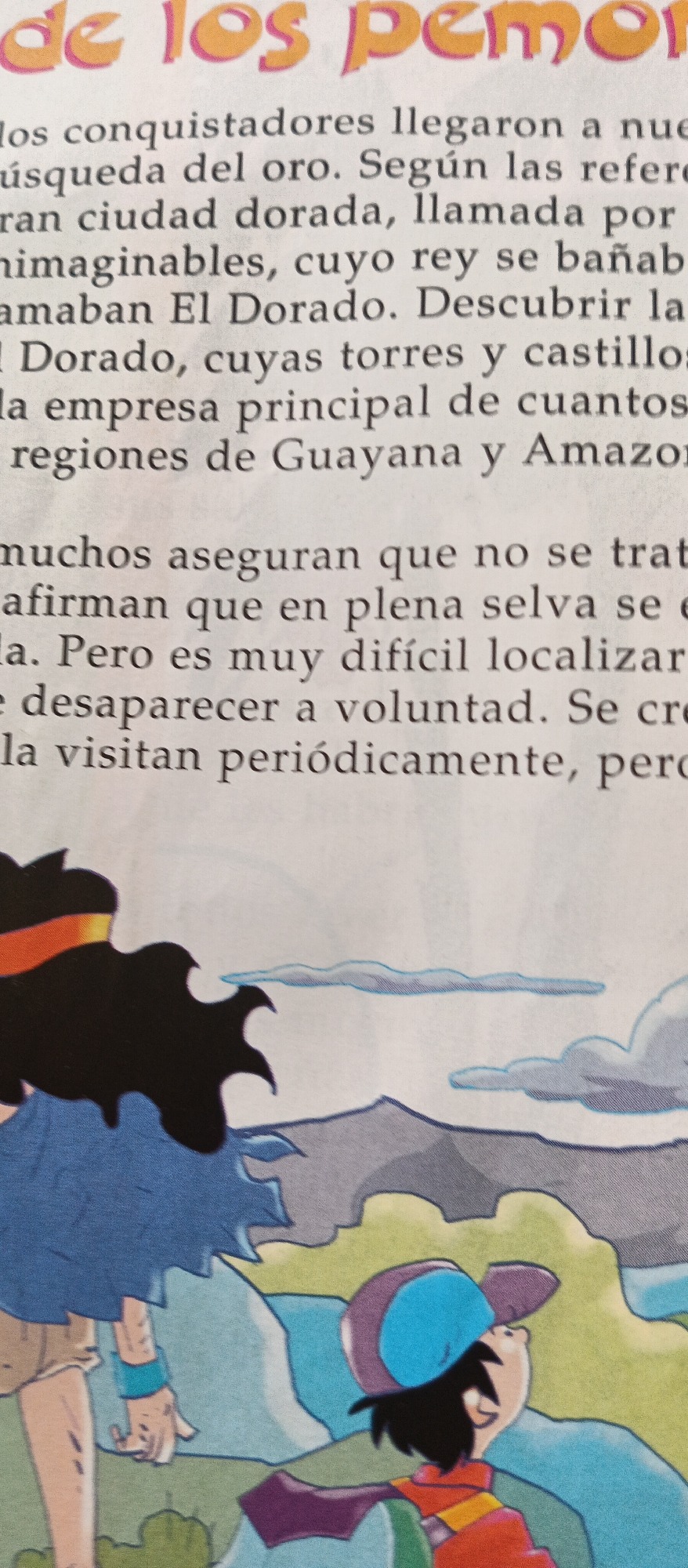
This is a close-up, eye-level photograph of a page from a children's book, featuring both text and illustrations. The text, printed in Spanish, discusses the legend of "El Dorado," a mythical city of gold sought by conquistadors. The printed text, presented in various fonts and sizes, occupies the upper portion of the image.
Below the text, an illustration depicts a colorful landscape with two children. On the left, a child with dark hair and a blue garment stands with their back to the viewer, wearing a yellow and orange headband and a blue bracelet. To the right, another child wearing a purple and blue baseball cap looks upwards, with a red and orange shirt. The background shows rolling hills, mountains, and stylized clouds, rendered in bright blues, greens, and grays. The illustration has a simple, cartoonish style.
The overall impression is of an educational or storytelling page designed for young readers, combining factual information about a historical legend with engaging visuals. The image captures a moment of exploration or discovery, as suggested by the children's gaze upwards. The text discusses the difficulty of locating El Dorado, hinting at its elusive nature.
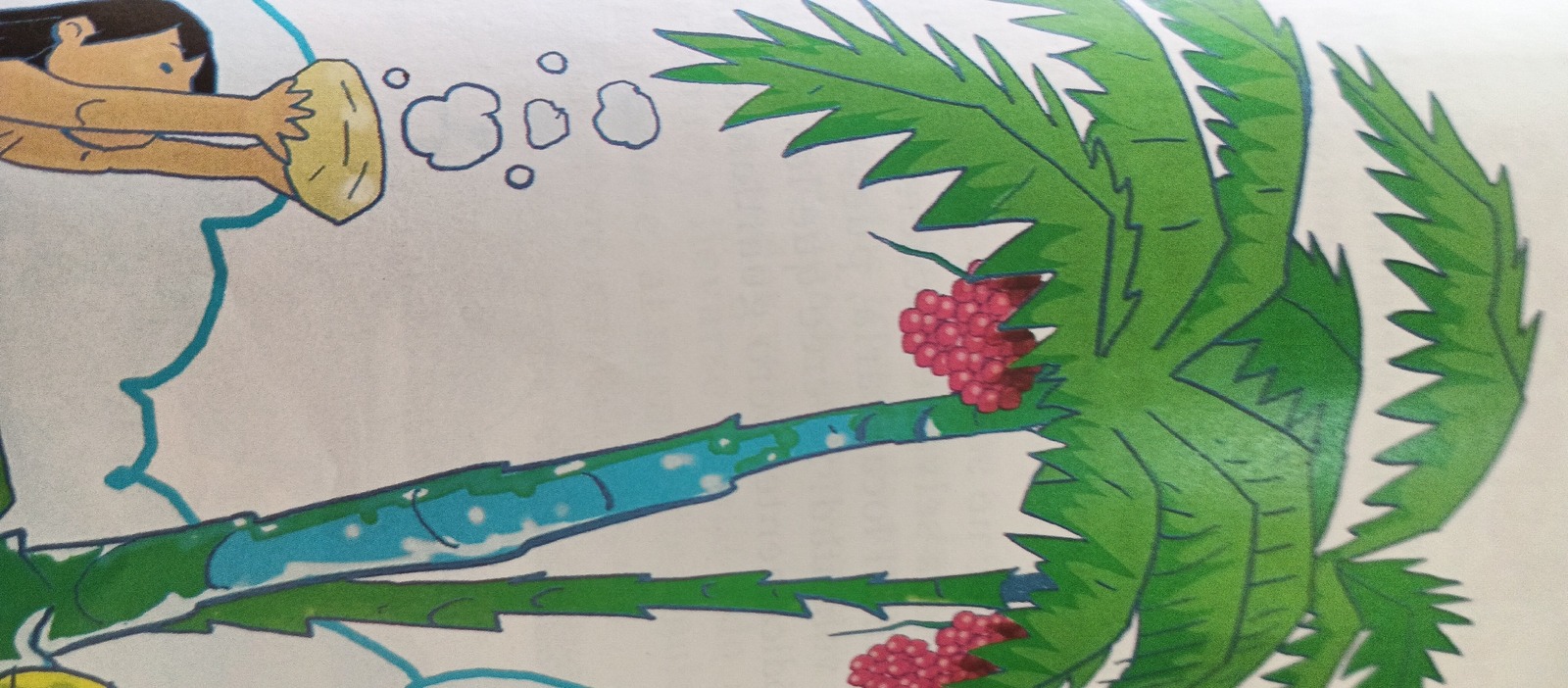
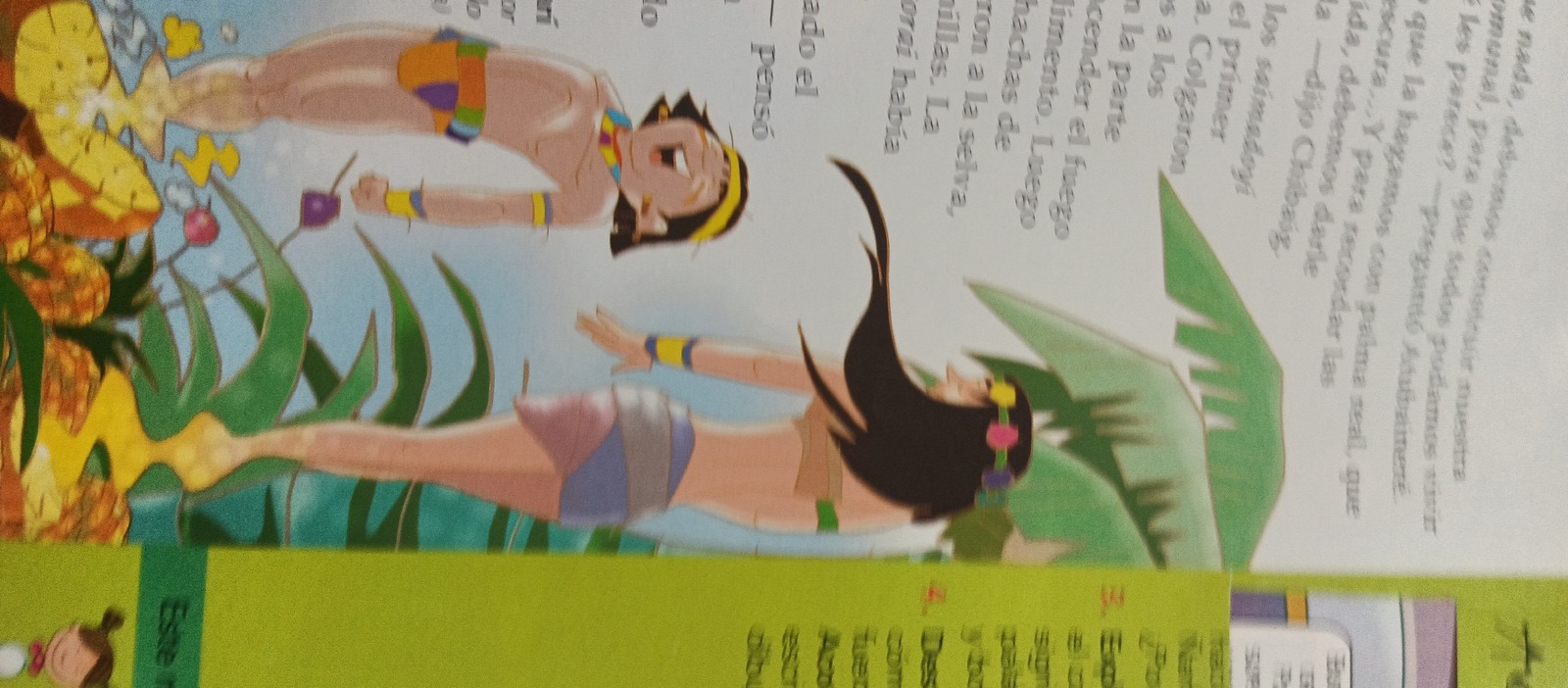
This is a brightly colored illustration with a cartoonish style. The main subject is a person, depicted with brown skin and dark hair, reaching out with both hands. They are holding a yellow object, possibly a piece of fruit or a tool, with a textured surface. Around their head, there are small, stylized cloud or bubble shapes, suggesting exhalation or sound. The person appears to be in the process of either offering or cleaning the yellow object.
The background features a large, vibrant green palm frond, rendered with sharp, pointed leaves outlined in blue. Two clusters of small, bright pink berries are visible, attached to the palm frond. A blue and green object, possibly a branch or a vine with water droplets, stretches across the lower part of the image, connecting to the palm. The overall scene suggests an outdoor setting, possibly tropical, given the palm frond and berries. There are no discernible cues for time of day or specific weather conditions, but the bright colors imply a sunny or pleasant environment. The mood is lighthearted and whimsical, typical of illustrations for children. There is no visible text in the image.
The image shows a close-up of a page from a book with text printed in Spanish. The text is in a decorative font and discusses a journey and events involving people named Eobo and moriches. Some lines of text are partially obscured by a person's finger and the curve of a knee. The book appears to be about local legends or history, as indicated by the phrase "Mito warad recopilado por Fray Cesáreo de Armellada" which translates to "Warao myth compiled by Fray Cesáreo de Armellada." The presence of "Fray Cesáreo de Armellada" suggests a connection to the indigenous Warao people of Venezuela. However, the image itself does not provide specific details about the city of La Tagua, Venezuela, or any visual elements related to that location. The focus is solely on the printed text.
La Tagua, Venezuela · Jun 23, 2026, 1:10 PM
The media file is a close-up image of a cartoon drawing featuring anthropomorphic animals. The main subjects are a bull and a tiger, positioned closely together. The bull, on the left, is a light brown color with large, light pink nostrils and expressive yellow eyes outlined in green. It has small, curved white horns. The tiger, on the right, is bright yellow with black stripes and a pink tongue peeking out from its mouth. It is holding its paws to its face in a thoughtful or perhaps surprised gesture. Both animals appear to be interacting with each other, with the tiger looking towards the bull. In the upper right corner of the image, a portion of another cartoon character, a dark purple bird-like creature wearing a teal garment and holding a yellow object, is visible. This character seems to be positioned above and behind the bull and tiger. The background is a plain white surface, suggesting the drawing is on paper or fabric. There are some green and brown elements in the foreground, possibly representing foliage or a fence, partially obscuring the lower parts of the bull and tiger. The overall mood appears lighthearted and animated, typical of cartoon illustrations. There is no visible text in the image. The drawing style is bold with thick black outlines and flat, vibrant colors. The scene does not provide specific cues about the time of day, weather, or a precise location, beyond the provided context of La Tagua, Venezuela, which is not visually evident in the image itself.
The image shows a page from a book with a story and an illustration. The text is in Spanish and tells a fable about a tiger and three bulls. The title, "El tigre y los tres toros," is written in decorative purple font at the top. The story describes how the three bulls lived peacefully in a pasture until a hungry tiger appeared. The tiger tricked one bull into leaving the pasture, and then proceeded to eat the other two. The illustration depicts the end of the story, with two bulls looking distressed and a third bull, presumably the tiger, preparing to eat one of them. The overall tone of the illustration is somber, reflecting the unfortunate fate of the bulls. The visible text details the narrative of the tiger's deception and the bulls' eventual demise, highlighting their unity and the tiger's cunning. The image is a close-up of the book page, with the text and illustration taking up most of the frame. The background is blurred and appears to be the environment around the book, possibly a table or a person's lap.
The image displays a page from an educational worksheet, likely for children, featuring colorful graphics and text in Spanish. The main subject is a collection of charts and pictograms related to sports. On the left, there's a large text that reads "Si las dudas..." (If doubts...). Below it, a description explains that a family sports marathon was held, and the reader needs to complete a table with the results.
Various sports are represented: soccer (fútbol), baseball (béisbol), volleyball (voleibol), and basketball (baloncesto). Pictograms of balls are used to represent quantities. There are also bar graphs showing scores or frequencies for different individuals (Laura, Daniela, Oscar, Jorge) related to "Primer tiempo" (First half) and "Segundo tiempo" (Second half) of a game, suggesting a competition or performance assessment. The scale on the bar graphs goes up to 9.
The overall scene is a flat, illustrated page with a bright yellow background. The style is cartoonish and engaging, designed to make learning about data representation fun. The text is clear and readable. The content implies an activity that has already occurred and is now being analyzed, likely within a school or home learning environment. There are no explicit cues about the time of day, weather, or specific location beyond what's implied by a general educational context. Emotions are not directly depicted, but the colorful and playful nature of the graphics suggests a positive learning experience.
The image displays a page from a book or magazine, oriented vertically. The left side features a green background with two cartoonish figures, a girl in red and a boy in blue, both looking upwards. Next to them, in white text against the green background, are the Spanish words "ME SIENTO:" followed by an explanatory sentence.
To the right of this section is a photographic image depicting a group of people in what appears to be a crowded outdoor gathering, possibly a festival or market. They are dressed in casual attire. The photograph is framed by a grey border.
Further to the right, white text is presented in a column against a lined background. This text is also in Spanish and appears to be instructions or information related to the preceding content. The text mentions information from the internet or a book about a "baile" (dance) and its significance, and then instructs the reader to "Redacto un texto descriptivo, como si hubiese viajado junto con la familia de Anabel." (Write a descriptive text, as if you had traveled with Anabel's family.)
There is no visible information in the image that specifies the location as La Tagua, Venezuela. The description is limited to the visual elements present in the image.
The image displays a page from a workbook or educational material, likely for Spanish language learners. The content is divided into sections with text and illustrative images.
One section features an image of what appears to be a modern building or museum complex, with the text "Sitios interesantes que visitar" (Interesting places to visit) and "Apure" visible, suggesting this part of the page is about tourism in the Apure region of Venezuela.
Another section includes an image of a lush tropical landscape with palm trees, and the text "La escuela de ... del Caribe" (The school of ... of the Caribbean) and "Margarita" written on it. This points to content related to the Caribbean coast of Venezuela, specifically Margarita Island.
The text also contains instructions and questions, such as "Antes de tomar una decisión para cuántas personas visitaron cada lugar" (Before making a decision for how many people visited each place) and "Si 270 personas visitaron en grupos disponibles, ¿cuántas personas" (If 270 people visited in available groups, how many people). Another instruction asks to write the natural and social components, "Escribo los componentes naturales y los componentes sociales que" (I write the natural components and the social components that). There is also a prompt to complete information with the name of each leaflet.
The overall impression is that this page is part of an exercise designed to teach about geography, culture, and perhaps practical aspects of travel in Venezuela, specifically highlighting regions like Apure and Margarita Island. The use of images and questions suggests an interactive learning approach.
The image shows a page from a children's educational book. The page features an illustration of a group of people at an amusement park with roller coasters and a Ferris wheel. Text boxes within the illustration contain speech bubbles and labels. Below the illustration, there are sections with headings like "Más de mil diversiones" and instructions for students to complete orthographic rules and write in their own words. There is also a small table with columns for "Resultado" and "Conteo." The scene is set in an amusement park, but there is no information within the image that would indicate a location in La Tagua, Venezuela.
The image shows a page from a children's educational book. On the left side, there is a table with columns labeled "Nombre de los animales" (Name of the animals), "Medio donde los he visto" (Medium where I have seen them), and three sub-columns for "aire" (air), "tierra" (earth), and "agua" (water). Below this table, there is text that reads "Explico con mis palabras cómo se desplazan estos animales, Identifico los que nadan, los que reptan y los que vuelan." (I explain in my own words how these animals move, I identify those that swim, those that crawl, and those that fly.)
The right side of the page features an illustration of children observing monkeys in a natural setting with trees. There are several monkeys on a tree and on the ground, and a group of children, some of whom are pointing at the monkeys. Some text above the illustration reads "Un grupo de niños se acercó a observar los monos." (A group of children approached to observe the monkeys.) Further to the right, there is a section labeled "HOY ME SIENTO" (TODAY I FEEL) with a prompt that says "Ahora, explico si el movimiento fue total o seje" (Now, I explain if the movement was total or…), followed by an illustration of children with different facial expressions.
The image does not contain any information or visual cues that would allow for the identification of the location as "La Tagua, Venezuela".
This image depicts a page from an educational book, likely for children, focused on a zoo. The top section features a colorful illustration of a zoo scene. Several children are shown observing various animals, including monkeys and what appear to be crocodiles or alligators. One child is taking a photo with a camera. The setting is clearly a zoo enclosure with greenery and water features.
Below the illustration, a "Diagrama de barras" (bar chart) is presented. This chart displays the quantity of different animals. The x-axis appears to list animal types, and the y-axis represents the count. The bars are colored blue, orange, green, and red, with heights corresponding to quantities of 2, 2, 1, and 4, respectively.
Further down, a sentence reads, "Ahora, observe en la tabla la cantidad de / había en el zoológico y realice un diagram" which translates to "Now, observe the table the quantity of / there was in the zoo and make a diagram." This indicates an interactive exercise for the reader.
There is also a second, partially visible bar chart on the right side of the page. Another exercise is introduced with the text, "2. Observe el espectador que señaló a los / con un / según corresponde" meaning "2. Observe the spectator who pointed to the / with a / as appropriate."
The overall tone is educational and engaging, using illustrations and charts to teach about animals and data representation. The bright colors and cartoon-like characters suggest a target audience of young learners. The context of "La Tagua, Venezuela" is not directly evident within the visible image but might be part of the book's broader curriculum or identification. There are no clear indicators of time of day or weather within the image itself.
This image shows a page from a children's book, likely a workbook, with a cartoon illustration and text in Spanish. The illustration depicts a father and daughter on one side and a group of children on the other. The father, wearing a green shirt, and his daughter, in a pink sweater, appear to be in a park setting with trees. The daughter is looking towards the group of children, who are also in a park, some with trees behind them. The children are dressed in yellow shirts and blue pants, and are engaged in some sort of coordinated activity. One child in the group is pointing, and another has a speech bubble that says "¡No se muevan!" (Don't move!). The daughter has a speech bubble that says "Sí, ese ejercicio requiere mucha coordinación." (Yes, this exercise requires a lot of coordination.). The text on the page includes questions and statements related to the illustration, such as "Explico con mis palabras qué hacen los niños que observan Rosa y su papá." (I explain in my own words what the children observing Rosa and her dad are doing.), and "Observo la imagen anterior y describo qué requieren los niños que van en las bicicletas para no caer mientras manejan." (I observe the previous image and describe what the children riding bicycles require to not fall while riding.). There are also checkboxes next to statements about whether the children demonstrate dynamic or static equilibrium. The overall scene suggests an educational context, focusing on observation, explanation, and concepts like coordination and balance. The setting appears to be outdoors, likely a park. The time of day is not explicitly indicated but the bright lighting suggests daytime.
The image depicts a colorful illustration of a group of children engaged in various outdoor activities. The scene appears to be set in a park or a town square, with trees and buildings visible in the background. The overall atmosphere is joyful and energetic, suggesting a sunny day.
Several children are the main subjects. In the foreground, a group of children are riding bicycles. Two children in red shirts and yellow shorts are on green bicycles, while another child in a pink shirt and pink pants is on a black bicycle. Their expressions are cheerful. Behind them, other children are seen playing. One child is flying a kite, another is throwing a ball, and a group of children seem to be playing volleyball or a similar game. The children are depicted with cartoonish features, large eyes, and bright clothing.
The text at the top of the image reads "Vuelta con bicicleta," which translates to "Bike Ride." Below this title, there is a paragraph describing a town called Escuque and its favorite pastimes. Further down, there are instructions for the viewer, including "Observe la imagen y escriba donde corresponde las puntos cardinales" (Observe the image and write where the cardinal points correspond) and "Rodeo los juegos que observo en la imagen cada color" (Circle the games you observe in the image in each color). There is also a section to write the names of games.
The style of the illustration suggests it is from an educational book or worksheet for children. The bright colors and dynamic poses of the children create a lively and engaging scene. The presence of activities like biking, kite flying, and ball games points to a theme of outdoor recreation and healthy living.
La Tagua, Venezuela · Jun 23, 2026, 1:12 PM
This is a close-up, slightly tilted shot of a page from a workbook or textbook, featuring handwritten and printed text. The text is primarily in Spanish and discusses Venezuelan national identity. Specifically, it includes lines from the Venezuelan national anthem, "Gloria al bravo pueblo," and refers to the country's history and symbols. There is a small soccer ball graphic to the left of some text. Below this, a section of text is underlined with a green border, stating "Coordinación ojo-pie" which translates to "Eye-foot coordination." This section is followed by a photograph of a soccer game, showing players in action on a field, with spectators in the background. The photograph is upside down, as is some of the text on the page. There is no information provided in the image to indicate its location in the city of La Tagua, Venezuela.
The image displays a close-up of a child's activity book, likely for language learning in a Venezuelan context, judging by the location provided. The book features colorful illustrations and Spanish text.
The central focus is on pages with prompts and illustrations related to actions and emotions. One page, titled "¡Acción!", has instructions to write the meaning of gestures, accompanied by a drawing of a child with an open-mouthed expression. Another section shows several cartoon children in various poses. One illustration depicts children in what appears to be an outdoor setting, possibly a park or schoolyard, with a brick wall in the background.
Below the illustrations, there are phrases like "escribo lo que transmiten los gestos de la niñas según el color de sus camisas" (I write what the girls' gestures transmit according to the color of their shirts). This is followed by a table with colored squares (orange, black, red, green) next to phrases like "Está nervioso" (Is nervous).
Further down, another prompt asks "¿Qué juegos me permiten correr y hacer movimientos con mi cuerpo? Nombro dos." (What games allow me to run and make movements with my body? I name two.), with the answer space labeled "Juegos motrices" (Motor skills games). On the right side of the page, partially visible text and an illustration of a child's face suggest another activity related to games and attention.
The overall scene is a child's educational material, designed to be interactive and engaging with its bright colors, simple drawings, and straightforward Spanish instructions. The emotions conveyed through the illustrations range from surprise or curiosity (open mouth) to contemplation and social interaction among the children. The setting is implied to be a learning environment, possibly at home or in a classroom in La Tagua, Venezuela.
The image shows a page from a workbook or educational material, likely for children. It features text in Spanish and illustrations of children arranged in different formations. The top portion of the image contains text that seems to be an introduction or a question. Below this, there are two illustrations: one depicts a group of children in a seemingly scattered or "chess" formation, labeled "Formación de ajedrez." The second illustration shows children in a line, labeled "Formación en columna."
The text below the illustrations asks the viewer to observe the quantity of children in these formations and respond. Following this are questions about kilograms of potatoes distributed among the children and the amount each child would receive and wash, implying a scenario involving food preparation. The last visible sentence asks the reader to draw another group formation and indicate its purpose. A yellow marker or bookmark is partially obscuring some of the text and illustrations, with the word "¡Acción!" visible on it.
The scene is an indoor setting, likely a classroom or home, with a white and textured surface visible in the background, which could be a wall or table. There is no indication or information within the image that places it in the city of La Tagua, Venezuela.
This is a photograph of a page from a children's educational book, likely about data collection and representation. The subjects are cartoonish illustrations of animals and a colorful block castle. The scene is set on a grassy area with a blue, picket fence in the foreground and a blue sky with white clouds in the background.
The page appears to be divided into several sections, each addressing a different activity related to the castle and its visitors. There is a table with columns labeled "Conteo" (Count) and "Frecuencia" (Frequency), featuring tally marks within squares and numerical data. Accompanying text asks questions such as "les visitan más el lugar?" (who visits the place more?) and "qué tipo de animal se riam y Roberto?" (what type of animal did riam and Roberto see?). Another section discusses "regalos del pirata" (pirate's gifts) with a similar table structure. The overall activity seems to be a lesson in organizing and interpreting information, possibly through observation and counting.
Notable details include the vibrant colors of the castle, which is made of red, yellow, pink, and blue blocks. The animals depicted are a cat, a dog, a chicken, and some small insects or bugs. The style of the illustrations is simple and child-friendly. The text is in Spanish, indicating a Latin American educational context. The page seems to be part of an interactive lesson, encouraging children to observe, count, and record data.
This image features a page from what appears to be a children's educational workbook or activity sheet. The page is oriented vertically, with text running along the left and right sides.
On the left, handwritten Spanish text begins with "Ita mi poema y lo comento con mis" and continues with "Luego, explico qué sentimientos quise". This suggests a task involving writing a poem, commenting on it, and explaining feelings.
In the center of the page, there are illustrations of two children holding a horizontal pole. From this pole, a Venezuelan flag is displayed, flapping to the right. The children are depicted in a cartoonish style, with one wearing an orange shirt and the other a green top. Below the pole and flag, a green horizontal line suggests a boundary or a part of an illustration.
To the right of the children and flag, there is more printed Spanish text, also oriented vertically. This text appears to be prompts or instructions for an activity. Visible phrases include "información y ceple la biografia del precer que", "primera vez la bandera nacional", "mbre y apellido:", "ar y fecha de nacimiento:", "nos importantes de su vida:", "y fecha de su muerte:", and "escribo un poema sobre Francisco de". These prompts indicate a biographical activity, likely related to Francisco de Miranda and the Venezuelan flag.
The overall scene appears to be indoors, within an educational setting. The lighting is bright, suggesting daytime. The content points to a lesson about Venezuelan history, national symbols, and personal expression through poetry.
This is a colorful educational page, likely from a children's book or worksheet, featuring comic-style illustrations related to Venezuelan history and its national flag. The page is divided into several panels.
The top panel shows two children on a beach, with a ship sailing in the sea. One child points to the ship and exclaims, "How beautiful our flag looks!" Another panel depicts a girl explaining that the flag was created by Francisco de Miranda. Below these, two children are shown lying on a log, pondering the significance of contributing something important to history. A third panel features a young girl holding the Venezuelan flag with the stars, looking determined, and a speech bubble containing the oath, "I swear to be free... for the people of America."
The main text at the bottom instructs the reader to "Read the poem by the Venezuelan Teresa Rodríguez and what relation it has with the previous comic strip." A poem about the Venezuelan flag is presented, highlighting its colors, its name as the homeland, and its symbolism of hope and love for freedom. Following this, there are prompts for discussion and reflection, such as "I state the sentiments that the poem expresses" and "How many verses form it?" Finally, there's an instruction to "Color the national flag as appropriate," with a partially drawn flag and two key points describing what the flag represents: "Represents our riches" and "Represents the sea; and the states that signed the independence of Venezuela." The overall tone is educational and patriotic, designed to engage young learners with Venezuelan heritage.
This is a photograph of a page from an educational book, likely for children, with a pink and white background. The page contains text in Spanish and various illustrations related to science experiments.
In the upper section, there are color swatches and text related to color mixing: "cyan magenta" and "amarillo magenta". Below this, there are images depicting scientific processes for separating mixtures. One illustration shows filtration using a beaker and a funnel with filter paper, labeled "filtración". Another shows a magnet attracting small metallic objects from a pile, labeled "imantación". A third illustration shows evaporation from a dish, labeled "zación". There is also a beaker with liquid, labeled "zación". A checked box next to "zación" suggests it is the correct answer or method being highlighted.
In the lower half of the image, there is text in Spanish that seems to be instructions for a task. It mentions preparing something, a case, a desk, and data for a table and a diagram. Below this, there is a table with columns labeled "Conteo" and "Frecuencia", with the number "2" visible in the "Frecuencia" column. To the right of the table, a bar graph axis is visible with labels "7+", "6+", "5+", and "4+", and text "de materiales" which likely refers to the y-axis of the graph.
In the upper right corner, there is a bright yellow section with red and orange zig-zag edges. It contains text in Spanish, starting with "NEUROBI" and then bullet points about ordering bars from 1 to 7 based on frequency.
The overall scene suggests a learning activity focused on science concepts like color mixing, separation techniques, and data representation through graphs and tables. There are no people visible in the image. The setting is a printed page in a book. The time of day and weather are not discernible from the image.
The image shows a page from what appears to be a children's educational or activity book, likely related to a mystery or detective theme. The main subject is a cartoon illustration of a young girl with reddish-brown hair in pigtails, wearing a detective's hat and holding a magnifying glass. She is depicted looking at a row of stylized buildings.
The text on the page is in Spanish. A large title reads "¡Atrapen a Dienterroto!" which translates to "Catch Dienterroto!". Below this, there's a narrative about a detective needing help to decipher clues to find an archcriminal.
The page also includes interactive elements: a "Tabla de datos" (Data table) with columns for "Conteo" (Tally) and "Frecuencia" (Frequency), and a "Diagrama de barras" (Bar chart). The bar chart shows a single yellow bar reaching up to the number 7 on the y-axis, labeled "Cantidad de veces que se repite" (Number of times it is repeated). The data table has a tally mark in the "Conteo" column and the number 7 in the "Frecuencia" column, corresponding to the bar chart.
There are also labels for days of the week (LUNES, MARTES, MIÉRCOLES, JUEVES) and a space for "DÍA MES" (Day Month), suggesting an activity related to tracking events over time. The overall scene appears to be indoors or a stylized outdoor scene with the cartoon buildings. The mood conveyed by the illustration is playful and engaging, typical of content designed for children. The setting is not explicitly defined beyond the urban cityscape depicted, and there are no cues about the time of day or weather.
This is a photograph of a page from a children's educational workbook, likely for a Spanish-speaking audience given the text. The page focuses on concepts related to time, measurement, and observation, possibly for a math or science lesson.
The page is divided into several sections with questions and designated areas for answers. One section asks the reader to select descriptive terms for texture ("transparente," "opaca," "brillante," "lisa," "rugosa," "blanda") and to mark a checkbox with a checkmark. Another section presents a word problem about Recti and their journey home, asking about the time taken and distances covered. It also prompts the reader to consider the distance covered per minute. A further question asks about the rotations of a clock's hand during Recti's journey.
A prominent visual element on the page is a stylized, isometric drawing of a blue clock face. Below this, there is a section titled "Mis Cuentas" (My Calculations) with a large empty box, presumably for the student to write their answers or work.
Further down, there are time-related prompts asking for "Horas" (Hours), "Minutos" (Minutes), and "Segundos" (Seconds), with blank input fields next to them. A small, vintage-style alarm clock is depicted on the right side of this section.
The bottom of the page shows a drawing of art supplies, including colored pencils, a pencil sharpener, and a paintbrush, suggesting a connection to art or creativity within the broader lesson. The text "dibujo que haría creados" is partially visible at the bottom left, possibly relating to a drawing activity.
The overall impression is of an interactive learning activity designed to engage young students with practical concepts. The setting appears to be an indoor classroom or study area, based on the context of a workbook. There are no people clearly depicted, and the focus is solely on the educational content presented on the page. The lighting is even, suggesting it was photographed under normal indoor lighting conditions. There are no clear indicators of time of day or weather.
This image is a page from a children's educational book, likely a workbook, with a focus on art and geometry. The page features illustrations and text in Spanish.
The top portion of the page shows a stylized illustration of a blue house with orange trim, flanked by palm trees. To the right of the illustration are handwritten-style words: "Oposición," "Radiación," "Repetición," "Traslación," and "Alternancia," which are likely art concepts being taught.
Below this, there's an instruction mentioning "Dibujo dos círculos y formo una secuencia alternancia." Two green triangles are depicted in a light-colored box, possibly as examples or prompts.
The lower section of the page displays a colorful illustration of the interior of a house, resembling a living room or lounge area. Visible objects include a red and green square clock on a stand, a round clock on a table, a red couch, and two orange and yellow chairs. The scene is brightly lit, suggesting daytime. The text at the bottom reads "Observo el salón de la casa y escribo la hora correspondiente a cada reloj," and then "Marco con un✓ los elementos de la exp plástica que están presentes en la alf."
The overall tone of the page is educational and engaging for children, with playful illustrations and clear instructions. The context of "La Tagua, Venezuela" is not directly evident from the image content itself, but it provides a geographical setting for the educational material.
La Tagua, Venezuela · Jun 23, 2026, 1:13 PM
This media file appears to be a page from a children's educational workbook or storybook, possibly related to learning about weights and measurements. The scene depicts cartoon bats interacting with large mangoes, set against a background that suggests an outdoor or natural environment, perhaps near a rustic dwelling with a partially visible brick wall.
The dominant subjects are several cartoon bats, drawn in a friendly and slightly cartoonish style, and large, ripe mangoes. One bat is positioned on a branch near a mango, while two others are in the upper part of the image, seemingly reacting to something.
The text present in the image is in Spanish and includes questions and statements related to the illustrations. Some phrases visible are "gran mangos cerca de la casa" (big mangoes near the house), "vieron algo muy extraño..." (they saw something very strange...), "Qué será" (What could it be), "Qué miedo, parece un fantasma" (How scary, it looks like a ghost). There are also sections about "Marco con un la equivalencia del peso de cada mango que los murciélagos quieren llevarse" (Marco with the equivalence of the weight of each mango that the bats want to take), followed by weight measurements like "1000 g" and "250 g", with the latter marked as correct with a checkmark. Another section asks about "Necesitan ayuda, amigos" (Do they need help, friends) and "Puedo cargar hasta 2 kg sin dificultad" (I can carry up to 2 kg without difficulty). Finally, there's a prompt to "los signos y respondo" (the signs and respond).
The overall mood seems to be one of curiosity and perhaps mild apprehension from the bats, presented in a lighthearted, educational context. The time of day and weather are not explicitly indicated, but the lighting suggests daytime. The setting is a colorful and engaging illustration designed for young learners.
The image depicts a page from a children's educational book, likely focusing on language and comprehension. The main subject is a story about an abandoned house in La Tagua, Venezuela.
The top portion of the page features an illustration of a dilapidated house with a "SE VENDE" (FOR SALE) sign. The house has broken windows, a damaged roof, and an open door, suggesting neglect and disrepair. There are several cardboard boxes filled with objects, a broom, and paint cans on the street in front of the house, possibly indicating a cleanup effort. Two birds are shown on the roof of the house. To the right of the illustration, there's a speech bubble with the text "Qu" and a drawing of a worried woman, labeled "Sra. Ana," implying she is reacting to the situation or sharing information.
Below the illustration, there are sections for completing exercises. One section asks about "Los signos de" (The signs of) in relation to questions, and another about "Los signos de" for expressing an order or emotion.
The bottom part of the page introduces a story about a new family of tenants who cleaned the facade of the house and dealt with the debris. This section is accompanied by an illustration of three boxes of debris, labeled A (35 kg), B (18 kg), and C (15 kg), along with a question in Spanish: "¿Cuántos de escom debieron los inquili" (How much debris did the tenants have to...).
The overall scene suggests a narrative that combines elements of mystery, problem-solving, and possibly historical context related to abandoned properties. The emotions conveyed are primarily concern and perhaps a touch of fear or apprehension in the description of the house and Sra. Ana's expression. The setting is clearly identified as La Tagua, Venezuela. The time of day appears to be daytime, with bright lighting.
This image appears to be a close-up of a page from a children's book or comic. The scene depicts a group of characters in a fantasy setting. In the foreground, a group of stylized characters, possibly children or fantasy creatures, are gathered. One character on the far left wears a blue tunic and a shield. Beside them are other figures with colorful clothing, including one with blonde hair wearing a blue shirt and yellow pants, and another with red. In the background, there is a suggestion of an arched structure, possibly a castle or a large building, rendered in muted tones. To the right, a character with green skin and purple and green attire, possibly a witch or sorceress, is visible. The overall impression is one of a lively gathering.
Below the illustrated scene, there are several blank, rectangular areas, likely intended for text or speech bubbles. Further down, there is a line of illegible, cursive text in a dark color against an orange background. The bottom portion of the image shows a close-up of metallic, mechanical objects, one of which resembles a stack of gears or a robot's torso. Another object to the right is partially visible and appears to be a metallic leg or limb.
The image is out of focus, particularly the illustration and the text, which makes it difficult to discern fine details or emotions. The lighting is even, suggesting an indoor setting or an overcast day. There are no clear indicators of time of day or specific weather conditions. The overall color palette is vibrant, with prominent orange, green, purple, and blue tones. The presence of fantasy characters and the style of illustration suggest a fictional narrative. The provided location context of La Tagua, Venezuela, does not offer any direct visual cues within the image itself.
This image is a page from a children's educational book. The page features colorful illustrations and text in Spanish, likely for teaching geometry and art.
The top of the page displays bold white text on a green background that reads "si las dudas..." followed by smaller text about "Construction of geometric bodies. Units." Below this, more text instructs children to "build a magic castle with their geometric shapes, but they don't know how. First, they have to see. I draw the shapes that each one sees."
The central illustration depicts two children, a girl and a boy, in a classroom or play setting. The girl, with brown pigtails, is looking at a table displaying geometric shapes like a cylinder, a triangle, and a sphere. The boy, with curly brown hair, stands on a stool, appearing to be observing or drawing. Around them are more geometric shapes, including pink and orange blocks and a yellow pyramid. A speech bubble near the girl reads "veo..." which means "I see...". Another speech bubble on the right side contains the text "Desde aquí arriba" meaning "From up here".
The lower part of the illustration shows a line of children sitting at desks, seemingly drawing or engaged in a creative activity. Names like "Camila", "Isabel", and "Sebastián" are visible beneath their respective cartoon characters. The text below this illustration instructs the reader to "illustrate and paint with the color of the body corresponding to the children and girls. I write the girls who drew them; as appropriate."
The overall scene suggests a lesson focused on visual learning, creativity, and the identification of geometric forms. The characters display attentive and engaged expressions. The setting appears to be indoors, possibly a classroom or a creative learning space, with a bright and cheerful atmosphere.
The image is a close-up of a page from what appears to be a children's educational book or worksheet, likely related to science, specifically chemistry. The page is brightly colored, with a yellow background dominating the right side and a white background on the left.
On the left, there are illustrations of beakers and various water bottles with labels indicating different volumes (1 liter, 1/2 liter, 1/4 liter). Text in Spanish discusses "agua azucarada" (sugared water) and different types of solutions, including "Insaturada" (unsaturated), with a description about solute and solvent. There's also a section about a "tripulación" (crew) and calculating the total volume of water.
The right side of the page features the word "NEUROBICS" in large, handwritten letters, suggesting a fun learning activity. Below this, there are instructions to mark with a checkmark the component corresponding to the "disolución" (dissolution). Two illustrations of pitchers show a liquid before and after a change, labeled "antes" (before) and "después" (after). Further down, there's an illustration of a container with "30% de colorant" (30% coloring) and a bag labeled "Harina" (flour). At the bottom right, a cartoon astronaut in a white suit is depicted in a dynamic pose, with a question about astronauts and water volumes.
The overall setting is a classroom or home learning environment. The illustrations are simple and cartoonish, typical for educational materials aimed at young learners. The content focuses on concepts of solutions, volume, and potentially practical applications, like hydration for astronauts. No specific time of day or weather is discernible. The emotions conveyed are positive and engaging, aimed at making learning fun.
This image appears to be a page from a children's educational book or workbook, likely from Venezuela given the text "Venezuela en el es" and the Venezuelan flag displayed on the spacecraft. The upper portion of the image features a cartoon illustration of a spacecraft with the Venezuelan flag on its wings, flying in space with planets in the background. Below this illustration, there is a section with the heading "Observo las imágenes y completo" (I observe the images and complete). This section includes a breakdown of a mixture analysis, showing "Agua (disolvente) = 3/4" and "Azúcar (soluto) = 1/4," implying a dissolved sugar solution.
Below the analysis, there are four rounded boxes with terms in Spanish: "disolvente" (solvent), "soluto" (solute), "mezcla" (mixture), and "mayor" (greater). To the right, a computer monitor is depicted, displaying text related to quantities and types.
The lower part of the image shows a cartoon drawing of a child dressed in a space suit, with a happy and curious expression. This character is pointing towards a speech bubble containing text about solutions. The text reads "Una disolución es una ______ homogénea formada por un ______" (A solution is a homogeneous ______ formed by a ______) and then "un ______" (a ______). Another text box below it starts with "El disolvente está en ______ cantidad y es el componente que se disuelve." (The solvent is in ______ quantity and is the component that dissolves.)
The overall theme of the page is about explaining the concepts of solutions, solvents, and solutes in a science or chemistry context, presented in an engaging way for children, possibly with a space exploration theme tied to Venezuela.
This is a close-up photograph of a page from a Spanish-language educational book, likely for elementary school students. The page discusses units of capacity, specifically liters and their subdivisions. The main subjects are several clear plastic bottles of various sizes, depicted in a slightly angled, overhead view. Some bottles have labels or markings indicating their volume: "10 dl", "100 cl", and "10 dl". One bottle has a blank rectangular label, and another is entirely empty.
The setting appears to be a classroom or study area, indicated by the checkered background pattern which resembles graph paper or a tiled surface, and the presence of printed text. The text is written in Spanish and discusses units of capacity. One section, highlighted in a bright yellow and blue banner, translates to "Units of capacity" and lists equivalencies: "1 liter = 10 deciliters (dl)", "1 liter = 100 centiliters (cl)", and "1 liter = 1000 milliliters (ml)". Another section appears to be a grammar exercise, referencing words that end in certain syllables like "-ava", "-eva", "-iva", "-ave", and "-eve".
The overall tone of the image is educational and instructional. There are no people visible in the image, and the lighting suggests it was taken indoors with artificial light or in a well-lit room. The image's focus is on the visual representation of volume units through the bottles and the accompanying text. The location context of La Tagua, Venezuela, is not directly visible in the image itself but is provided as external information.
This image appears to be a page from a children's educational book, likely a science or home economics lesson, focusing on the concept of mixtures and recipes. The primary subjects are text, illustrations of food and drink preparation, and a cartoonish drawing of a boy.
The main focus of the page is a set of instructions for making something, possibly a drink, given the presence of lemons, a pitcher of green liquid, and a bowl of soup. The text is in Spanish. The title "¡Acción!" suggests an active task or experiment. There's a section titled "El doctor Resuélvelo-todo" (Dr. Solve-everything), which seems to be a character or theme for the lesson. A recipe titled "Receta para obtener rico desayuno" (Recipe for a tasty breakfast) is also presented, with the first step involving a container and milk.
The illustrations depict kitchen or food preparation scenes. We see a glass with ice cubes, a bowl of food, a pitcher of a green beverage, and a steaming mug or cup. A cartoon of a boy is featured in the lower left, with a speech bubble containing text related to the "doctor."
The text includes numbered steps for a recipe or experiment, such as "Cortar seis limones por la mitad" (Cut six lemons in half), "Extraer su jugo" (Extract their juice), and "Agregar 1 litro de agua fría" (Add 1 liter of cold water). There are also questions posed to the reader, like "¿Se pueden diferenciar los materiales a simple vista? ¿Por qué?" (Can you differentiate the materials at first sight? Why?).
The setting appears to be indoors, likely a classroom or home, given the book format and educational content. The overall tone is bright and engaging, suitable for children. There are no clear cues about the time of day or weather.
The image depicts a page from what appears to be a children's educational book. The page is primarily in Spanish and features illustrations and text related to geometry and natural forms.
On the left side of the page, there is a diagram showing a net for a 3D geometric shape, colored in red and pink. To the right of this, a vertical column of text reads "Dibuja los cuerpos geométricos que se formarían con estas plantillas." (Draw the geometric shapes that would be formed with these templates.) Below this is a section with a green border labeled "Cuerpos geométricos" (Geometric shapes) and a line for writing, followed by another section with a yellow border labeled "Formas naturales" (Natural forms) and two lines for writing. Under "Formas naturales," the word "Árbol" (Tree) is written. Further down, the word "Esfera" (Sphere) is written under "Cuerpos geométricos."
The central and right portions of the page show illustrations of children interacting with their environment. In the upper section, two children are lying on a grassy field, looking up at the sky. Speech bubbles above them ask questions about identifying shapes in the sky. Text accompanying this section reads "Leo la historieta y rodea las formas que puedo identificar en el cielo. Cuando rodee el nombre de lo que representa, [illegible] algo en el cielo?" (I read the comic strip and circle the shapes I can identify in the sky. When I circle the name of what it represents, [illegible] something in the sky?)
In the lower section, two children are standing in a field, looking at various cloud formations and other objects. One child points upwards towards a cloud shaped like a rabbit. A speech bubble from one child says "¡Esa parece un conejo!" (That one looks like a rabbit!). Other objects in the sky include shapes resembling a key, a house, and a bell. Text below this illustration reads "¡Si ni, no ves nada?" (If you don't see anything?).
There is no information within the image to indicate the location in the city of La Tagua, Venezuela. The image is a generic educational page.
This media file is a page from a children's book or educational material, featuring a colorful comic strip. The top section of the comic depicts a young boy, presumably named David, looking through a telescope at a starry night sky with a moon. The text above this panel reads "El cielo de noche" (The night sky). Below this, there's a question asking "Lee la historiata y responde: ¿Qué acciones en cada cuadro? ¿Cuántos personajes aparecen?" (Read the comic strip and answer: What actions in each frame? How many characters appear?).
The comic is divided into four panels. The top left panel shows David using a telescope. The top right panel shows a starry sky. The bottom left panel shows a constellation in a dark blue sky, with a speech bubble asking "con éstas, ¿qué puedo formar? ¿Un cubo?" (with these, what can I form? A cube?). The bottom right panel shows David sitting at a table, folding green paper, with a small red bottle of glue nearby. A speech bubble above him asks "¿Qué haces, David?" (What are you doing, David?).
Further text at the bottom of the page reads "as formas que imaginó David y respondo no se llaman los cuerpos geométricos que ... o los cuerpos geométricos, imagino con ... eto el cuadro." (the shapes David imagined and I answer are called geometric bodies that... or geometric bodies, I imagine with... the frame).
The overall scene suggests an educational context about space, constellations, and geometric shapes, likely targeted at young learners in Venezuela. The illustrations are bright and engaging, with cartoonish figures and clear visual cues. The time of day is explicitly night, as indicated by the starry sky and moon.
La Tagua, Venezuela · Jun 23, 2026, 1:14 PM
The image shows a page from a workbook or educational material, likely for Spanish-speaking students. The content appears to be about the Venezuelan musician Antonio Lauro.
In the foreground, a portion of a guitar is visible on the left side, suggesting a musical theme. To the right of the guitar, there's a yellow box with the text "Mis Cuentas" (My Accounts/Stories) written in blue. Below this box, there's a line of text that reads "Tenia..." (He had...).
The main body of the text consists of a series of checkboxes followed by factual statements about Antonio Lauro, presented as options for ordering or selecting biographical information. The statements include details about his compositions, his death in Caracas, his birth in Ciudad Bolívar, his studies with Vicente Emilio Sojo, his graduation as a composer in 1940, and his role as director of the Orquesta Sinfónica Venezuela. Some of the text is highlighted or in a different color, possibly indicating answers or key information.
Below the biographical section, there's a sentence that starts "po un texto expositivo sobre mi, consider..." (about an expository text about me, consider...). This suggests a task for the student, likely related to writing or analyzing an expository text. The end of the sentence mentions "roducción, el desarrollo y el cierre, como..." (introduction, development, and conclusion, as...).
The overall setting appears to be a classroom or study area, with lined paper visible at the bottom, indicating it's a written assignment. The light suggests it's daytime. The presence of Spanish text and the mention of Venezuelan locations firmly place the context within Venezuela.
The image shows a page from a Spanish-language textbook or workbook, featuring a biographical excerpt about Vicente Gerbasi. The excerpt is accompanied by a black and white portrait of Gerbasi. The text states that Vicente Gerbasi was born in Canoabo, a town in Carabobo, Venezuela, in 1913. He worked as a publicist and writer, publishing many books, including "Los espacios cálidos," and passed away in Caracas in 1992. Below the biographical information, there are prompts for students to fill in information about the introduction, development, and conclusion of a text. The lower part of the image contains lines for writing and some partial text related to mental calculation and a poem titled "En el fondo foresta." The overall environment appears to be a classroom setting, indicated by the textbook format and the presence of ruled lines for writing.
The image shows a close-up view of a page from what appears to be a Spanish language workbook or educational material. Several distinct sections are visible.
In the upper left quadrant, text reads "os fenti se les compara con describe como seres humanos." Below this, there are two labeled boxes: "Humanización" and "Comparación". A red checkmark is visible inside the "Humanización" box, and another red checkmark is in the box aligned with the "Comparación" label. Further down, there is text that includes "bajadores", "pequeños cristales", and "ponjosos nada".
In the central and lower portion of the image, more text is present. Phrases include "ó sin darse cuenta sobre", "gino y respondo.", "nido produjo el fenti?", "hacia el fenti en", "in?", and "o un cuento sobre mi y luego comento con compañeros." A cartoon illustration of a young boy with brown hair, wearing a green shirt and reading a book, is positioned to the right of this text.
To the right of the main workbook page, another page is partially visible. This page contains text including "NEUROB TO" at the top. Below this, bullet points are visible, starting with "• Luisa perdió a su fenti. Leo descubro lo marco". Further down, another bullet point reads "• Es oso", and a partially visible line below it reads "• Pa re".
On the far right, another section with a green border contains text that begins with "marrón:". Below this, a section with a beige background and green border lists items with letters: "L El texto expositivo. Los recursos literarios: metáfora.", "S Biografías.", and "M Problemas de adición, sustracción, multiplicación, y división.".
There is no indication or context within the image to suggest a location in La Tagua, Venezuela. The image depicts educational materials, likely in a classroom or home setting.
The image is a close-up of a page from a children's book or educational material, likely for Spanish speakers. The dominant color is yellow, with white polka dots scattered across the background. On the left side, there is an illustration of a red, bug-like creature with large eyes and antennae. The text is primarily in Spanish.
The text describes "fentis," which appear to be magical creatures that help people achieve their dreams. It mentions that 50,000 fentis live in a place where dreams become reality and that they feed on good thoughts and beautiful words. The text also states that they are guardians of 1,000 illusions and that people need their help to achieve their desires. A specific number, 17,823, is mentioned in relation to what fentis know, and it's suggested they appear when someone falls asleep or when "gelatina" (gelatin) is mentioned. The creatures are described as helping to fuel imagination.
At the bottom left, fragmented text mentions "vuelvo," "8 000 de los fentí," and "existen se," "cen a la gelatina," and "ntos parecen." On the right, part of another illustration shows a child's face with red hair, and text reads "Im," "mi fenti," and "y comparto m."
The overall tone of the text is whimsical and encouraging, aimed at a young audience. There are no strong indicators of time of day or weather, but the cheerful imagery and content suggest a bright, engaging learning environment. The mention of "La Tagua, Venezuela" provides a specific geographic context for this material.
This media file is a photograph of a page from a book or magazine, featuring text in Spanish and an illustration. The text describes a scenario where children are learning about safety and preparedness, mentioning a "photonic umbrella" and "rainy days." There's also a mention of "our mothers" and "our dads," suggesting an educational context for children. A prominent illustration depicts a light beam emanating from a circular object, possibly representing a projector or a light source. The text below the illustration identifies "José Gregorio Barrios (venezolano)," indicating the author or an associated name and their nationality. The background is dark and textured, with a bright yellow border along the bottom edge of the frame, suggesting this is a printed page. The lighting is somewhat uneven, with some areas of the text appearing brighter than others. The overall impression is of an educational or narrative page from a children's publication.
This image appears to be from a children's educational book or worksheet, likely related to astronomy or time.
The main subjects are two cartoon characters: an older, bearded astronomer with wild gray hair and a yellow jacket, and a young girl with dark hair and a blue top. They are positioned in a light blue and purple background that seems to depict a sky or outer space.
A speech bubble above the astronomer contains text in Spanish: "Recuerda que un día es el tiempo que tarda la Tierra en dar una vuelta sobre su eje." (Remember that a day is the time it takes for the Earth to complete one rotation on its axis.) Next to this, another text box asks, "¿Cuántas horas transcurrido si dado 7 vueltas?" (How many hours have passed if given 7 turns?).
Below the characters, there's a table with headings in Spanish: "ida" (presumably "destination" or "arrival"), "Desde" (From), and "Duración del vi" (Duration of the trip). The table contains entries with cities and travel durations, illustrated with cartoon clocks.
One row shows "Caracas" and a duration of "1/2 hora y cinco minutos" (1/2 hour and five minutes). Another row lists "Valencia" with a duration of "3/4 de hora" (3/4 of an hour). A third row shows "Puerto La Cruz" with a duration of "1 hora y cuarto" (1 hour and a quarter). The last visible entry is "Ayacucho" with a duration of "2 horas y 35 minutos" (2 hours and 35 minutes).
The overall scene suggests an educational context where children are learning about time, travel, and possibly astronomy through a narrative and a table of information. The tone seems to be light and engaging, suitable for a young audience. The visible text is entirely in Spanish. There are no obvious cues about the time of day or weather, but the setting is likely indoors or in a stylized representation of space.
The image displays a colorful educational chart depicting the solar system with planets labeled in Spanish. Planets visible include Mercurio, Venus, Marte, Júpiter, Saturno, Urano, and Neptuno, with Plutón also shown. The chart is set against a dark background simulating space. Below the solar system graphic, there are sections with text, including "dar una vuelta completa" and "Mis Cuentas," suggesting interactive learning elements. The chart appears to be part of a larger poster or bulletin board, with a vibrant border of colorful squares at the top of the lower section. The context of La Tagua, Venezuela, is not directly depicted in the image itself, but it is provided as a location for where this image might be relevant.
The image is a close-up of a page from what appears to be an educational book or worksheet, likely for children. The page is divided into two main sections.
The upper section contains text in Spanish and an illustration depicting the Earth with the Sun in different positions around it, suggesting a lesson about time, the sun's movement, and cardinal directions. A clock face with "12:00 pm." is visible. There are also blank boxes for text or labels. The text includes phrases related to verifying hours, the sun's location in the sky, and cardinal positions. The bottom of this section contains the Spanish words "instrucciones para elaborar y utilizar un reloj" (instructions to create and use a clock).
The lower section features more Spanish text, describing how to create a sundial or a similar time-telling device. It mentions using a rod, a circle, and representing hours. To the right, under the heading "Necesitamos" (We need), there are illustrations of a long, thin object (possibly a stick or pencil) and a circular object, along with measurements like "20 cm" and "3 dm". A red ribbon-like banner at the bottom right has the text "¡Así debe" (It should).
There are no discernible elements in the image that would indicate the location as La Tagua, Venezuela. The content is general educational material.
This image shows a page from a workbook or educational material, likely for children learning to tell time in Spanish. The primary subjects are illustrations and text related to clocks.
On the left side, there is a digital clock displaying "7:00" within an orange rectangular frame. Below it, there is some blurred Spanish text.
To the right of the digital clock, there is an illustration of an analog alarm clock with a gold casing and a light blue face, enclosed in a pink square frame. The hands on this clock appear to be pointing to 12:00.
Below these illustrations, a larger analog clock face is shown, framed in a teal square. Red lines extend from various points on this clock face to corresponding Spanish phrases written to its right. These phrases describe different times, such as "La hora y cinco" (the hour and five), "La hora y diez" (the hour and ten), "La hora y quince y cuarto" (the hour and fifteen or quarter past), "La hora y veinte" (the hour and twenty), and "La hora y veinticinco" (the hour and twenty-five). Another line points to the 6 on the clock face, with the text "La hora y treinta o la hora y media" (the hour and thirty or half past the hour).
At the bottom of the page, there is a section enclosed in a dotted purple border. This text explains how to read a clock: "La aguja grande marca los minutos y la pequeña la hora" (The big hand marks the minutes and the small one the hour).
The overall setting appears to be a classroom or a home environment where educational materials are being used. There are horizontal gray lines visible in the background, suggesting a ruled page. The image is slightly out of focus, making some of the text and details difficult to discern with absolute clarity. The context "La Tagua, Venezuela" is provided but there are no specific visual cues in the image to confirm this location.
This is a close-up, vertical shot of a page from a Spanish-language educational book. The page features text and an illustration depicting the solar system. The main subjects are the text and the illustration. The illustration shows the Sun at the center, with the Earth orbiting it along a path marked with oval spaces for writing. The Earth's orbit is depicted as a spiral of stars and cosmic dust. Several months, including "marzo" (March) and "junio" (June), are labeled in sequence along the orbit.
The text on the left side of the page contains instructions and definitions related to language. It discusses the letters "r" and "rr" and their usage in words, and asks the reader to complete sentences and write sentences with examples. The text on the right side discusses the Earth's revolution around the Sun and how it determines the length of the year and the placement of months in the solar calendar.
Notable details include the vibrant colors of the illustration, particularly the yellow and orange Sun and the deep blue starry background. The text is clear and legible. The page appears to be part of a workbook or textbook aimed at young learners, likely elementary school age, given the simple illustrations and language. The overall context suggests an educational setting where children are learning about astronomy and language arts simultaneously. There is no indication of people, weather, or a specific time of day within the captured frame. The location context of La Tagua, Venezuela is not visually indicated on the page.
La Tagua, Venezuela · Jun 23, 2026, 1:15 PM
This media file shows a close-up of a page from a Spanish-language educational book. The page focuses on calendars.
The main subjects are text and illustrations related to calendars. The top section features the title "El calendario solar" (The solar calendar) in large blue lettering. Below this, there is descriptive text explaining what calendars are used for, mentioning that they help divide time into years, weeks, and days. An illustration of what appears to be an Aztec calendar stone is visible on the left.
To the right, there is a section titled "Se utiliza en la actualidad en la mayor parte de los países" (It is used today in most countries), which describes the Gregorian calendar, stating it has 365 days distributed among seven months of 31 days, four months of 30 days, and one month of 28 or 29 days.
The bottom portion of the page displays a grid of months and their corresponding number of days, presented vertically. The months visible are "Marzo" (March), "Abril" (April), "Mayo" (May), "Junio" (June), "Julio" (July), "Agosto" (August), "Septiembre" (September), and "Octubre" (October), with their respective day counts (31, 30, 31, 30, 31, 31, 30, 31). Below this grid, there is a question in Spanish: "Cuántas horas hay entre julio y agosto?" (How many hours are there between July and August?).
On the far right, a blue box with white text reads "Mis cue", suggesting the start of another section or activity. The overall scene is that of a typical textbook page, with clear, colorful illustrations and legible text, aimed at a young audience learning about time and calendars. There are no people, specific time of day, weather, or location cues beyond what is implied by the book's subject matter.
The image shows a page from what appears to be an educational book or worksheet about Earth and its climate zones. The dominant subject is the planet Earth, depicted both as a realistic globe in a starry space setting and as a stylized illustration of its surface divided into colored zones representing different climates.
On the left side of the page, a depiction of the sun, radiating warmth, is shown next to a globe of Earth. The text "Mis cuentas" is vertically oriented in a teal box.
The central part of the image features a large illustration of Earth with distinct color bands: yellow for the equatorial region labeled "Ecuador," green for the temperate zones, and white for the polar regions, with "Polo Sur" and "Polo Norte" indicated. There are several blank boxes and lines, suggesting the user is meant to fill in information, likely the names of the climate zones. Accompanying text explains the characteristics of these zones, mentioning "zona tropical," "zona templada," and "zona fría."
The text also discusses Earth's movements, stating that it performs two rotational movements that cause day and night and the changing of seasons. A small illustration of a cartoon boy appears near the top right, next to blank boxes, possibly for labeling or answering questions. Another illustration of a cartoon girl is positioned near the bottom right, beside a text box explaining that in the tropical zone, the sun's rays are perpendicular, causing heat, while in colder zones, they are less direct, leading to colder temperatures.
The overall scene is a static, educational display. There are no discernible cues for time of day or weather, other than the general representation of the sun. The location context provided ("La Tagua, Venezuela") does not appear to be visually represented within the image itself. The text is in Spanish.
This is a photograph of an open workbook or educational material, likely intended for children, focusing on space and planets. The dominant subject is a large, circular image of a planet, colored in shades of orange and brown, with darker splotches suggesting craters or surface features. This image is superimposed over lined paper.
The text on the page is in Spanish. A prominent title reads "El planeta rojo" (The red planet), indicating that Mars is a primary topic. There are several questions and instructions for the reader, such as "¿Cómo será, por ejemplo, via el planeta Marte?" (What will it be like, for example, to travel to the planet Mars?), and "Busco información sobre los viajes espaciales" (I look for information about space travel). Other questions include "¿Cuántos planetas hay entre Marte y [missing text]?" (How many planets are there between Mars and [missing text]?) and "¿A qué cuerpos celestes del Sistema S[olar] el ser humano?" (To which celestial bodies of the S[olar] System does the human being...). There is also an instruction to "Dibujo el planeta Marte y el planeta Tierra" (Draw the planet Mars and the planet Earth).
At the top of the page, there are calendar-related elements, with boxes for "DIA" (Day) and "MES" (Month), and the days of the week "LUNES" (Monday), "MARTES" (Tuesday), and "MIÉRCOLES" (Wednesday) are visible. The phrase "HOY ES:" (Today is:) suggests this material is part of a daily learning activity.
The overall scene is educational and interactive, encouraging the reader to learn about planets, specifically Mars, and engage with the information through drawing and research. There are no people visible in the image. The lighting suggests an indoor setting, possibly a classroom or home environment. The context of "La Tagua, Venezuela" is not directly evident from the image itself but is provided as external information.
This is a close-up, top-down shot of an educational page, likely from a children's book or workbook, focusing on the phases of the moon and the Earth's revolution around the sun. The page is tilted, with the top left corner higher than the bottom right.
In the top left, a bright yellow sun is depicted, with a blue and green Earth orbiting it. Arrows indicate the direction of the Earth's orbit. To the left of this illustration, a red text box reads "La traslación es [el] movimiento en [la Tierra] gira" (Translation is the movement in which the Earth orbits).
Below the sun and Earth illustration, a light pink section displays numbered circular images representing moon phases. Number 3 is labeled "Luna nueva" (New moon), and number 4 is labeled "cuarto creciente" (first quarter). The text "cuarto menguante" (last quarter) is partially visible above these.
To the right of the moon phases, a section of a larger illustration shows the moon in its orbit around the Earth, with different illuminated portions. Numbers 2 and 3 are visible next to specific moon positions. Text to the right of this illustration discusses "la Luna completa" (the full moon) and its appearance.
The bottom of the page features blue and yellow sections with diagrams of the moon at different stages of illumination, likely meant for a labeling or matching activity. A blue text box on the left reads "La revolución es el movimiento en que la Luna gira alrededor del Sol" (Revolution is the movement in which the Moon orbits the Sun).
The right side of the page has pink text that appears to be a heading or title, "NEUROBICS...", followed by instructions for a student to mark with a checkmark "las partes que hacen falta para completar la Luna" (the parts that are missing to complete the Moon).
The overall impression is one of an engaging and visually instructive resource for learning about celestial mechanics. The colors are bright and appealing, and the diagrams are clear.
This image appears to be a page from a workbook or educational material, likely for children, featuring Spanish text and illustrations. The central focus is a large, yellow pencil with a red eraser, positioned diagonally across lined paper. The pencil's spiral binding is also visible.
The text describes a "lunar eclipse" ("Un eclipse lunar") and a narrative about a character named Nestor writing a letter and then building a model representing an eclipse. The instructions indicate Nestor needed to cut three pieces of adhesive tape of specific lengths: 35 mm, 2 cm, and 45 mm. The image shows a wavy strip of what appears to be gold-colored tape. The question at the bottom asks, "¿Cuánto centímetros suman los trozos de cin," which translates to "How many centimeters do the pieces of tape add up to," indicating a math problem related to the tape measurements.
The overall setting is likely a classroom or study area, given the nature of the material. There are no visible people or explicit clues about the time of day or weather. The illustrations are simple and cartoon-like, typical of educational resources for young learners. The text is the primary element conveying the context and the activity being presented.
This is a close-up, angled shot of a page from a children's book, featuring vibrant illustrations and Spanish text. The scene depicts a group of people, likely indigenous characters from a story, in a dynamic and dramatic moment. Two prominent figures are illustrated: one on the left with a feathered headdress and expressive, almost shouting face, and another on the right with outstretched arms, seemingly in mid-air or leaping. The background is a swirling mix of colors, primarily blues and oranges, suggesting clouds or magical energy.
The text tells a story, indicated by the large title "Los ANTÉPÁSÁ" at the top left, and the narrative continuing below. The story appears to be a creation myth or an ancient legend, mentioning "la fuerza Nanbobikorai" and "los indios Bari." The characters are engaged in an activity described in the text, involving "piñas del origen" (pineapples of origin) that are opening and releasing people. There's a sense of wonder and excitement, with dialogue like "¡Ya estoy cansado de estar sin compa Tierra!..." and "¡Muchas gracias! Estamos muy contentos de poder comer vidas." The overall mood is one of mythological discovery and the beginning of something significant. The illustration style is bold and colorful, typical of children's literature, with clear emotional expressions on the characters' faces.
In the city of La Tagua, Venezuela, an illustration depicts two young individuals, possibly children, in a jungle environment. The scene is vibrant, with green foliage and bright yellow pineapples. The individuals are dressed in minimal attire, suggestive of a tropical or indigenous setting. One figure, with dark hair, is lying down, while the other, with lighter hair, is positioned above them, seemingly interacting with the surrounding vegetation. The overall impression is one of playful exploration within a natural landscape, embodying the spirit of adventure often associated with children's stories.
The image shows a page from a workbook or educational material, possibly for children. The page is oriented vertically, and the content is primarily in Spanish. On the left side, there are colorful graphical elements, including an orange oval with the word "objeto" (object) inside, and a green circle with the number "1" within. Below it, another oval with "altura" (height) is visible.
The right side of the page contains text and mathematical expressions. The text on the left reads: "Elijo tres objetos de mi salón y mido su altura del metro. Los describo a mis compañeros sus funciones." This translates to: "I choose three objects from my room and measure their height with a meter. I describe them to my classmates and their functions."
Further to the right, there are sections labeled "Completo" (Complete) with mathematical exercises involving fractions and measurements like "cm". For example, one section shows "1/2 m + 1/2 m = ?" and another shows "1/4 m + 1/4 m + 1/4 m + 1/4 m = ?". There are also blank rectangular boxes, likely for students to write their answers.
In the background, there are some illustrations of what appear to be rulers or measuring tapes, some with colored segments. The overall setting suggests an educational context, likely a classroom or home learning environment, focusing on measurement and possibly basic arithmetic with fractions. The colors are bright and engaging, indicating it's designed for a young audience.
The image is a photograph of a page from a workbook or textbook. The top of the page features the title "Pintura color de nubes" (Cloud color painting). Below this, there is a paragraph about "señor Adolfo" who likes to paint landscapes. There is also a section with a table and some months of the year listed, indicating a financial or inventory record. The lower portion of the page contains questions and instructions for students, related to describing oral descriptions, and measuring height and width. A ruler graphic is present at the bottom, marked with units and numbers. The image does not contain any information that would allow for determining the location of the city of La Tagua, Venezuela.
This is a close-up, overhead shot of a page from a child's workbook or activity book. The dominant color of the page is a vibrant purple. The page appears to be a learning tool focused on mathematics, likely for younger children, as indicated by the cartoon character and the simplified presentation of numbers and operations.
In the upper right portion of the image, a cartoon illustration depicts a young child with orange hair, looking upwards with a thoughtful expression, a thought bubble containing a question mark above their head. This suggests a problem-solving or learning activity.
The page is filled with various mathematical elements. There are grids with numbers like "7", "4", "6", "3", "5", and "2". There are also visual representations of mathematical operations, including what appear to be division symbols, a subtraction sign, and an equals sign. Some squares are filled with a brown, textured material, possibly representing blocks or tokens used in the exercises.
To the left of the math exercises, there is a ruler or measuring tape illustration with markings in centimeters, and text related to measurements like "50 cm" and "25 cm," and fractions like "1/4". There are also circular yellow icons with numbers inside them, possibly representing steps or parts of a lesson.
Along the bottom edge of the page, there is a colorful strip with various symbols, including a multiplication sign (X), a division symbol, a minus sign, and a percentage sign (%).
The overall scene is one of an educational activity, likely taking place in a home or school setting, given the nature of the workbook. The lighting appears to be bright, suggesting daytime. The emotions conveyed are curiosity and engagement, driven by the cartoon character and the interactive nature of the page. The text visible includes mathematical figures, operational symbols, and phrases like "Completo" (Complete) and "tres cuartos de metro" (three quarters of a meter). The location context provided is La Tagua, Venezuela.
La Tagua, Venezuela · Jun 23, 2026, 1:17 PM
This is a close-up, eye-level, medium shot of a page from a workbook or educational material, likely aimed at children. The page is predominantly green, with colorful sections and hand-written text in orange marker.
The main subjects are the colorful illustrations of animals and the various written exercises and instructions. Animals depicted include a cheetah, a dolphin, and what appears to be a bat. There are also illustrations of colored pencils.
The activities taking place on the page include a table with columns for "Artículo" (Article), "P. unitario (Bs.)" (Unit price), and "Total (Bs.)" (Total price), with some numerical entries visible. Below this, there are sections with prompts like "1 hora" (1 hour) and "5 horas" (5 hours), paired with distances like "102 km" and "510 km", suggesting a math problem involving speed, distance, and time. Further down, there's a section with the heading "Mis cuentas" (My accounts), featuring arithmetic problems, including a multiplication of 102 by 5, with the answer 510 shown.
Notable details include the title at the top of the page, "i las dudas..." (the doubts...), and various instructions and phrases in Spanish, such as "personas sobre la diversidad de flora y fauna de la" (people about the diversity of flora and fauna of the), "una campaña y se compraron algunos materiales" (a campaign and some materials were bought), "Mis Cuent" (My Accounts), "expreso cómo se les llama a estas divisiones" (express what these divisions are called), and at the very bottom, "ciento setenta y seis" (one hundred seventy-six) next to the number 176. The presence of the currency symbol "Bs." suggests a South American context, and the location cue "La Tagua, Venezuela" provides a specific regional setting. The overall tone seems educational and engaging, with the colorful graphics and interactive exercises.
This image shows a page from a Spanish-language educational book, likely for children, focusing on a craft activity related to wind.
The main subject is a step-by-step guide on how to construct a paper pinwheel, titled "Giros de diversión" (Fun Spins). The text explains that a character named Gabriela enjoys making these pinwheels and uses them to observe wind speed. It also provides a measurement of "21.5 cm" for the paper size and lists the necessary materials: "papel, regla, tijeras, una tachuela, goma de pegar, palillo de madera" (paper, ruler, scissors, a thumbtack, glue, wooden stick).
Below the craft instructions, there is a section titled "Recuerdo si el tiempo fue caluroso, nublado..." (I remember if the weather was hot, cloudy...). This section appears to be an activity where students can record observations about the weather and wind activity over three days. A grid is provided with columns labeled "tiempo" (weather) and "viento" (wind), and rows for "dia 1", "dia 2", and "dia 3". The weather options include "caluroso" (hot), "lluvioso" (rainy), and "nublado" (cloudy), while wind options are "suave" (gentle) and "fuerte" (strong).
Finally, there's a prompt at the bottom: "Busco en el diccionario la palabra y copio... anemómetro:" (I look up the word in the dictionary and copy... anemometer:). This indicates a vocabulary-building exercise.
The overall setting is a bright and colorful page from a workbook or textbook, with illustrations and clear text designed for learning. The context of "La Tagua, Venezuela" doesn't provide specific visual cues within the image itself, but it suggests the educational material is intended for a Venezuelan audience. There are no visible people in the image, but the activity is presented as something a child might do. The emotions conveyed are those of learning and creative engagement.
This image is a close-up of a page from what appears to be a children's educational book or workbook. The page is filled with illustrations and text in Spanish.
**Subjects:** The illustration depicts a group of people, including adults and children, walking along a sidewalk in front of a house. There are also visual aids of measuring tools, specifically a flexible tape measure and a blue triangular ruler.
**Activity or Event:** The page seems to be related to language arts and mathematics, likely focusing on pronunciation, word recognition, and measurement concepts. One section instructs the reader to "mark with a line the length of the measurements given for each case," while another asks to "look at the image and answer." There are also prompts about "soft g sound" and "strong g sound" and questions about what a letter symbolizes and how objects are measured.
**Notable Details:** The illustration shows a sunny day with green trees and a white house with a red door. The people are dressed in casual clothing. The text includes prompts like "Gabriela built her paper windmill, it spins among the people," and "it has a soft sound when it precedes the vowels o, u and it has a strong sound, similar to the j." Mathematical measurements are given as "4.5 cm," "10 cm," and "15 cm." A phrase at the bottom in cursive reads "ciento setenta y cinco" which translates to "one hundred seventy-five."
**Visible Text:** The page contains a variety of Spanish text, including instructions, questions, and descriptive phrases related to the illustrations and exercises. Specific phrases visible include "NEUROBTES," "tiene un sonido suave cuando precede a las," "y tiene un sonido fuerte, parecido al de la j," "está delante de las vocales," "o tres palabras en cada caso," "tengan g con sonido suave," "tengan g con sonido fuerte," "o la imagen y respondo," "¿Qué letra simboliza el metro?," "¿Qué objetos tienen la misma altura?," and "Qué objetos medimos en centímetros? ¿Y en metros?"
The image displays a page from a children's educational book, likely a workbook, featuring illustrations and text related to plants. In the upper section, an illustration depicts a woman watering plants on a windowsill. The text below the illustration includes questions and fill-in-the-blank exercises about plants. The lower part of the page presents a colorful illustration of plant parts labeled with words such as "hoja" (leaf), "fruto" (fruit), "tallo" (stem), "raíz" (root), and "semilla" (seed). The text on the page is in Spanish. There is no information or visual element in the image that relates to the city of La Tagua, Venezuela.
This is a cropped image of a children's educational worksheet, likely from Venezuela given the currency symbol "Bs". The image features cartoon illustrations of a man and a woman, possibly a gardener and a customer, interacting in a vibrant setting that suggests a plant nursery or garden center. The man, wearing a white coat, appears to be a professional, perhaps a botanist or nursery owner, while the woman, with a friendly expression, is engaged in conversation.
The worksheet contains text in Spanish, with a prominent title that translates to "or without flowers, I like them all". Below the illustrations, there are sections with instructions and prompts for the student. One section asks to identify a word that indicates frequency of visiting the nursery, followed by a selection of adverbs: "ayer" (yesterday), "temprano" (early), "siempre" (always), and "nunca" (never). Students are instructed to write a sentence with one of these adverbs.
Another part of the worksheet displays a speech bubble with information about plants, mentioning "musgo" (moss), "hepáticas" (liverworts), and "helechos" (ferns) that propagate through spores, and flowers that propagate through seeds. There is also a section with a question mark and partial text, possibly related to a previous question.
Further down, a portion of a check is visible, with the bank name "Tepuy" and a numerical amount "124 570". This suggests the worksheet might involve activities related to finances or practical life skills, in addition to language and biology. The overall tone is cheerful and engaging, characteristic of educational materials for young learners. The scene is brightly lit, suggesting a daytime setting.
This image appears to be a page from a children's educational comic or magazine. The primary subjects are cartoon children, depicted in a vibrant and colorful style. They are participating in an activity related to environmental awareness. One group of children is holding signs, one of which displays a "no smoking" symbol with a battery inside, and another declares "We have the right to clean air!". A speech bubble from one child asks, "Does it seem okay to us if we put these on the outside bulletin board?". Another child is speaking to someone at a gas pump, requesting "gasoline without lead, please."
The overall scene is set in what appears to be a school or community area, with elements like a bulletin board and a gas station visible. The bright colors and cartoonish characters suggest a lighthearted and engaging tone, likely aimed at educating young audiences about environmental issues such as air pollution and the benefits of unleaded gasoline. There are no strong indicators of time of day or weather, but the indoor setting of the bulletin board and the outdoor setting of the gas station suggest a typical day. The emotions conveyed by the characters are positive and engaged, reflecting their enthusiasm for the cause. Visible text includes titles like "My contribution to the future" and phrases related to environmental protection.
The image displays a colorful board game with illustrations of historical figures and museum-like settings. The game appears to be related to culture, as indicated by the large text "CULTURAMA". There are instructions for gameplay, including rolling a die and answering questions. The game board also features numbered spaces and prompts for players. The overall aesthetic is playful and educational, designed to engage children in learning about culture. There is no information in the image that places it in the city of La Tagua, Venezuela, or any other specific location.
This is a photograph of what appears to be a page from a children's book or educational material, possibly a magazine. The page features various illustrations and text, rendered in a cartoonish style.
The top left of the image shows a stylized drawing of a cat's face, with large circular eyes and prominent whiskers. Below this, there are multiple smaller images, some of which appear to be framed as if they are photographs or stamps. These smaller images are blurry but seem to depict scenes or faces. One section displays a yellow rectangular area with vertical lines, possibly representing text or a decorative element.
To the right, there is a larger illustration of two cartoon characters. One appears to be an older person, possibly a woman, with grey hair, wearing glasses and a green jacket. The other character is partially visible. The overall scene suggests an indoor setting, perhaps a classroom or a living room, given the presence of what looks like furniture or props.
The bottom part of the image is dominated by a yellow background with several more framed images, similar to those at the top. These also contain blurry figures and text. The entire composition is colorful, with predominantly yellow, green, and red hues.
There is visible text in what appears to be an Asian script, particularly on the right side of the image, within the yellow rectangular areas and some of the smaller framed images. Some of the characters are discernible, such as "紅" and other unreadable strokes. The style of the text and illustrations suggests it might be from a publication aimed at children.
The image is slightly out of focus, suggesting it was taken with a handheld camera. There are no clear indicators of time of day or weather conditions. The overall impression is one of educational or entertainment content for young readers.
The image shows a page from a Spanish-language educational book, likely for children, focusing on cultural heritage. The central image features a cartoon illustration of a girl and a boy, with the girl asking the boy, "Do you like the exhibition, Patricia?". The context suggests they are at a cultural exhibition in Venezuela.
To the left of the illustration, there is text in Spanish, including instructions related to an "exhibition" and the concept of "cultural heritage." A section asks the reader to identify tangible examples of heritage, with options like "traditional festivals" and "songs from our folklore" presented as checkboxes. Another section prompts the reader to observe images and write down the type of heritage they represent.
Visible text includes: "Patricia y su hermana fueron a una exposic el patrimonio cultural de Venezuela," "Rodeo con," "PETROGLIFOS," "AL DE LA," "fiestas tradicionales," "canciones de nuestro folclor," "construccio," "estatuas y e nuestros hé," and "Observo las imágenes y escribo el tipo a que representan."
Below these sections, there are two image boxes. The left box shows a painting of a man in historical attire lying on a bed, with the word "tangible" written above it. The right box displays a photograph of a large bridge structure, likely a suspension bridge. The bottom of the page has text beginning with "Elaboro con mis compa," suggesting an activity for the students. The overall setting appears to be a classroom or a study environment.
This image depicts a vibrant scene, likely an outdoor dining setting in Venezuela, possibly at La Tagua given the context clues. The primary subjects are several individuals enjoying a meal outdoors, with a picnic-like atmosphere. In the foreground, a waiter in a white uniform is interacting with a patron, holding menus and possibly taking an order. Behind them, another person, a woman with red hair, is visible, and further back, another individual. The setting appears to be a sunny day, suggested by the bright lighting and the general cheerful mood implied by the interactions. The background features lush green foliage, indicating an outdoor or garden environment.
The image contains several blocks of text that appear to be part of an educational or informational material. One prominent section discusses "Nuestros platos" (Our dishes) of Venezuela, listing specific regional specialties like "la pisca andina," "el lomo p," "el corbullén," "el palo a," and "el lau-la." Another text box details a transaction involving "tres jugos naturales" (three natural juices) priced at Bs. 1,500 each, and "tres menús" (three menus) at Bs. 7,500 each. There are also sections with headings like "Comidas" (Foods) and "Bebidas" (Drinks), followed by blank boxes, suggesting an exercise for filling in details or calculating costs. A speech bubble contains a narrative about a waiter inviting someone to try special dishes. The overall impression is a blend of illustration and educational content, possibly from a textbook or activity sheet related to Venezuelan culture, cuisine, or a language learning exercise.
La Tagua, Venezuela · Jun 23, 2026, 1:18 PM
The image is a page from a children's educational book with text and illustrations related to food and nutrition. The text discusses balanced meals and includes a list of words starting with "arep." There is an illustration of a family at a table, with speech bubbles indicating dialogue about food preferences. Below this, there are illustrations of food groups labeled "Vitaminas y minerales" (Vitamins and minerals) and "Proteínas" (Proteins), depicting a fruit basket, a piece of meat, and a roasted chicken. The bottom section of the page contains text about nutrients and growth, and a table with columns labeled "mamá" (mom). The image does not provide any information about the city of La Tagua, Venezuela, nor does it depict a specific location within a city. It is a generic illustration for an educational context.
This image shows a page from a workbook or textbook, likely for young children, with an illustration and text in Spanish. The illustration features two easels, each holding a rectangular banner with a grid pattern. The top banner has a design in shades of orange and yellow, while the bottom banner features a purple and yellow design. A small, cartoonish figure with pink hair is visible on the left side of the image, near the easels.
The text at the top of the image instructs the user to "draw a flag with a circumference" and to "Use the compass." Below this, there is a line with a faint red circle, perhaps a placeholder for a drawing or a checkmark. Further down, more Spanish text reads, "I measure the radius and the diameter of the circle of the flags that I drew." This is followed by two colored shapes, one orange with the word "circunferencia" (circumference) and one purple with the word "círculo" (circle). To the right of these words are two empty oval shapes, likely intended for the user to write measurements or draw. The overall impression is that of an art or math lesson related to geometric shapes and measurement. The page is brightly colored with a lime green background. No specific time of day, weather, or location cues are discernible beyond the workbook format.
This media file is a photograph of a page from what appears to be a children's educational book or workbook. The page is predominantly yellow and features illustrations of national flags and geometric shapes on a grid background.
The top section displays several flags. From left to right, the first flag appears to be Paraguay, with the text "Paraguay" underneath. To its right is the flag of Portugal, labeled "Marruecos". Below the Paraguay flag is the flag of Japan, with the letter "ón" visible to its left. Next to it is the flag of Venezuela, with the word "Venezuela" below it. The flag of South Korea is shown in the bottom row, labeled "Korea", followed by the flag of Canada, labeled "Cañadá". To the right of the South Korean flag, a portion of the Brazilian flag is visible.
The text on the yellow background discusses polygons and flags with circles in their design. Below the flags, there is text that reads "s en cuadrados, rectángulos y triángulos c e indica." which translates to "s in squares, rectangles and triangles c it indicates."
The bottom portion of the image shows a grid with some geometric shapes drawn on it. A large orange rectangle or square is outlined in the center. To the right of it, a green shape that appears to be a pentagon or a complex polygon is drawn. Above the grid, there are labels indicating counts of shapes: "3 rectángulos" (3 rectangles) above the orange shape, and "5 tr" (likely the beginning of "5 triangles") above the green shape. The very bottom of the page has text that reads "de cuadrados, rectángulos y triángulos" (of squares, rectangles and triangles).
The overall setting is that of a classroom or home learning environment, with the page designed for educational purposes related to geography and geometry. There are no people visible, and the lighting suggests an indoor setting, likely during the day. The image is clear and focused, making the text and illustrations easily readable.
The image shows a close-up of a page from a children's book or educational material, likely from Venezuela given the context of a previous prompt. The page features text in Spanish alongside illustrations.
The illustrations depict geometric shapes formed by colored bars with yellow dots at the joints, resembling a kind of construction toy or drawing aid. There are blue, red, and green frames shown, along with a drawing of a person within a blue frame. A hand with a ruffled cuff is shown interacting with the frames, suggesting a practical or instructional element.
The text on the right side of the image appears to be a series of questions or instructions related to the illustrations, asking about the sides of the frames and possibly involving coloring or selection.
There is no information within this image that directly relates to the city of La Tagua, Venezuela. The content is purely educational/illustrative.
This is a close-up, eye-level shot of a page from what appears to be a children's educational book. The page features illustrations and text, primarily in Spanish.
The main illustration depicts a scene where an artist is painting a portrait of a distinguished-looking man in military attire. The artist, on the left, is shown from the shoulders up, with red hair, holding a paintbrush and looking towards the subject. The portrait on the easel shows a man with dark hair, a stern expression, and elaborate military uniform. To the right of the portrait, another figure in a blue jacket with ornate gold trim is partially visible, suggesting another person or a continuation of the scene. A speech bubble above the artist's head contains text that reads, "¡Mariscal Sucre, por favor, deje de moverse!" (Marshal Sucre, please, stop moving!).
Below the main illustration, there are smaller drawings of art supplies: pencils labeled "lápiz" (pencil, though the drawing shows colored pencils), chalk labeled "tiza" (chalk), and tubes of paint labeled "óleo" (oil). A red checkmark is placed next to the phrase "la técnica de pintura que ut" (the painting technique that uses).
The text on the page discusses historical figures and events, mentioning "Mariscal de Ayacucho Antonio José de Sucre" and dates like "3 de febrero de 1795" and "4 de junio de 1830". The overall impression is a vibrant and engaging illustration designed to teach children about history and art. The setting appears to be indoors, likely a classroom or study area. There are no obvious cues about the time of day or weather. The emotions conveyed are educational and perhaps slightly playful, given the speech bubble.
This is a photograph of a page from a book or educational material, likely for children, given the illustrative style. The page is predominantly text-heavy with a colorful illustration on the right. The text is in Spanish and discusses historical events related to Venezuelan independence.
The illustration depicts a group of people gathered on a balcony, with a crowd below looking up. Two figures are prominent on the balcony, one in a blue and gold military uniform and another in clerical attire. The crowd below has their arms raised, pointing upwards, suggesting an event of significance or a public address. The overall scene evokes a sense of historical reenactment or a depiction of a pivotal moment in the past.
Visible text includes: "DIA MES", "LUNES MARTES MIÉRCOLES JUEVES", and the title "¡Llegó la libertad!". The main body of text is a narrative describing events in April 1810, mentioning names like "Francisco José Félix Ribas" and "Juan Roscio," and referring to a "Capitán General" and the "Cabildo." There are also questions posed, such as "personajes intervinieron en el primer pas [de]ependencia de Venezuela?" and "é ciudad ocurrieron los acontecimiento[s] abril de 1810?". The bottom text reads "con mis compañeros: ¿los hechos narra[d]os imaginarios? Luego, marcamos la opción".
The setting appears to be indoors or a covered outdoor space for the text, contrasting with the open balcony scene. The style of the illustration suggests it is a historical or educational piece, aiming to engage young readers with Venezuelan history. The time of day is not specified, but the mood suggested by the text and the raised hands in the illustration implies a moment of excitement, anticipation, or declaration.
The image is a close-up of a page from a book or educational material, likely about indigenous cultures and their crafts. The content is in Spanish. On the left side, there are several circular illustrations depicting hands working with clay, showing the process of creating a pottery vessel. These illustrations are labeled with numbers 1 through 6, suggesting a step-by-step guide.
The right side of the image shows a diagram with arrows and text, indicating a historical or geographical progression. Text labels such as "Anzotegui," "los caribes," "Los wayúus," "Zulia," and "los arawacos" are visible, along with phrases like "descendiendo de" (descending from) and "siguientes etnias y dónde" (following ethnicities and where). This section appears to be mapping out the origins or distribution of different indigenous groups.
Below the diagram, there is a yellow section with text in Spanish, including the heading "Neetkotes". A bullet point reads "Ordeno del 1 al 6 la secuencia para hacer la vasija" (I order from 1 to 6 the sequence to make the pot). There are also several oval-shaped objects, some enclosed in squares, which might be examples of finished crafts or representations of items related to the subject matter. Small white circles are interspersed throughout this area.
There is no information in the image that places the content in the city of La Tagua, Venezuela. The provided text refers to indigenous groups that are associated with regions of Venezuela, but not specifically La Tagua.
The image displays a page from an educational book, likely for children, with a focus on indigenous cultures and geometry. The left side of the page features illustrations and text related to measuring circles. There's an illustration of a compass creating a circular shape, with labels for "centro" (center) and "radio" (radius). Accompanying text describes how to measure and draw circles of different radii and diameters, mentioning drawing "casabes" (a type of flatbread) and the use of a compass.
The right side of the page presents illustrations of indigenous people and their way of life, likely in pre-Columbian or early colonial times. One image depicts people in a canoe fishing, with a label "caribes" (Caribs). Another scene shows individuals engaged in agriculture or craftwork, with the label "timotocuicas" (Timotocuicas). Further down, there's an illustration of a village or settlement. Text accompanying these images discusses subsistence practices of different indigenous groups, including fishing, hunting, and agriculture, with labels "timotocuicas" and "arawacos" (Arawacos). There's also a mention of "antes de la llegada de los europeos" (before the arrival of the Europeans), suggesting a historical context.
The overall tone of the page is educational, combining practical geometry with cultural and historical information about indigenous peoples of the region, possibly Venezuela given the location context. The scenes are depicted in a somewhat stylized, illustrative manner.
The image shows a page from what appears to be a children's book or educational material. A cartoon drawing of a person with orange hair and a questioning expression is superimposed over a photograph of a modern building, likely a skyscraper. To the right of this, there is a diagram that resembles a triangular chart with sections labeled "calles" (streets), "techos" (roofs), and "ventanas" (windows). Below this diagram, text is written vertically, which reads: "cómo se veía hace 50 años el lugar donde vive n cómo se ve ahora. Hago los dibujos." This translates to: "how the place where he lives looked 50 years ago and how it looks now. I'm doing the drawings." Another cartoon drawing of a person is visible at the bottom of the image. The text on the left side of the page, written horizontally, begins with "el Libertador es un ejemplo de la" and continues with "la colonial. Escribo dos diferencias que observo" and "quitectura de aquella época y la de hoy en día." This translates to: "the Liberator is an example of the" and "colonial. I write two differences that I observe" and "architecture of that era and that of today." There is no mention of La Tagua, Venezuela, in the visible text or images. The scene depicts educational content comparing past and present architecture and potentially a historical figure.
The image shows a page from a Spanish language workbook or textbook. At the top, days of the week are listed: LUNES, MARTES, MIÉRCOLES, JUEVES, VIERNES, and DÍA MES. Below this, a title reads "Mi país, antes y ahora."
The main content features a comic-style illustration with text bubbles. One bubble contains text from Adriana: "Adriana, esta casa es un Monumento Histórico Nacional." A visual depicts Adriana, a cartoon girl with red curly hair and a pink jacket, looking up at a building with columns. Another text bubble, seemingly from the same character, asks: "¿Por qué es tan importante para nuestra historia?".
The text below the illustration discusses the difference between historic houses and modern constructions. Further down, there is a section with text mentioning a "casa natal del" and dates like 1921. Another bubble asks "¿Es un Monumento Histórico Nacional o es un Bien de Interés Cultural?". A speech bubble in the lower part reads "Seguro tiene una larga e interesante historia".
There is no information in the image that mentions or indicates the location of La Tagua, Venezuela.
La Tagua, Venezuela · Jun 23, 2026, 1:20 PM
The image is a page from an educational book, likely for children, focusing on plants and their edible products in Venezuela. The primary subject matter consists of three distinct images of plants, each with a label below it.
The first image shows a sandy beach with several palm trees, identified as "cocotero (Zulia)". The second image depicts a mangrove ecosystem with its distinctive aerial roots, labeled "mangle rojo (Delta Amacuro)". The third image features a large, sprawling tree with many branches, identified as "samán (Aragua)".
The text on the page instructs the reader to "circle the one that produces edible fruits." The overall scene is a bright and colorful educational layout, suggesting a classroom or learning environment. The time of day is not discernible, nor is the weather. The location is implied to be Venezuela, with specific regions like Zulia, Delta Amacuro, and Aragua mentioned. There is no visible activity or event beyond the implied learning task.
In the upper right corner, there is additional text that reads "HOY De La famili de la reg Obse emb El árbo", suggesting a continuation of the lesson or another related topic. There is also a section with a question mark and the beginning of words like "Total c" and "árboles", further indicating an interactive or informational exercise. Some red scribbles are present across the images and text, likely from a previous user's interaction with the book.
This is a close-up, angled shot of a page from what appears to be a book or worksheet, likely for educational purposes. The page is primarily white with printed text and some decorative elements. At the top, there is a border of stylized flowers in shades of orange, white, and brown.
The main content consists of Spanish text. Some lines are underlined with blue, and there is a green and yellow bar across the lower portion of the image with Spanish words printed on it: "alimentos," "remedios," "regiones," and "arroz." Below this bar, a purple title reads "Algunas plantas," followed by lines that suggest a diagram or graphic organizer with blank boxes. The overall impression is of an educational resource discussing plants, their uses, and possibly their classification or habitats. There are no people, animals, or clear indications of a specific time of day or weather. The visual elements are consistent with a classroom or home study environment.
This is a photograph of a page from a book or educational material featuring a watercolor illustration of a natural landscape. The illustration depicts a body of water, possibly a river or lake, with trees and lush vegetation along its banks. In the foreground, there are tall reeds and grasses, while in the middle ground, several trees are shown, one larger tree with a prominent trunk and spreading branches. The background shows rolling hills covered in grass.
Below the illustration, there is text organized into columns and boxes. The main heading reads "Plantas llaneras". There are also sections with descriptions of plants, including a point referring to "1. Cedro (árbol emblemático de Barinas)." The text also contains instructions for students, such as "En mis palabras una planta de cada tip..." and "a folclórico y marco con un ✓ las ac de las que habla."
The content suggests an educational context related to botany and the flora of the Venezuelan plains (Llanos). The overall mood is informative and educational, with a focus on the natural environment and plant life. The time of day appears to be daytime, with bright lighting illuminating the scene. The weather seems pleasant, suitable for outdoor activity and plant growth. The location is explicitly mentioned as Barinas, Venezuela, indicating a regional focus. There are no people visible in the image.
The image displays a page from a newspaper or magazine with text and illustrations. On the left side, there are several lines of text and checkboxes. The text on the left discusses different types of publications like "diarios" (diaries), and also includes phrases like "el nombre de las publicaciones periódicas" (the name of periodical publications) and "con un la intención que tiene el ejemplo" (with the intention that the example has). There is also a description of someone named Bárbara who wants to buy a "periódico" (newspaper) for her daughter. On the right side of the image, there is a headline in large font that appears to be "EL BARLOVENTEÑO". Below this headline, there is a caption that reads "De la playa al periódico!" (From the beach to the newspaper!). Further down, there is a description of a "Gran concurrencia a las playas barloventeñas" (Great turnout at the Barlovento beaches), mentioning a "temporada vacacional" (vacation season) and "la población barloventeña" (the Barlovento population). There are also small illustrations of people, some appearing to be playing sports like soccer and other outdoor activities. The text does not explicitly mention the city of La Tagua, Venezuela, but the term "Barlovento" refers to a region in the state of Miranda, Venezuela, which includes coastal areas and towns. Therefore, the context suggests the content pertains to events or news from the Barlovento region of Venezuela.
This is a page from a children's educational resource, likely a workbook or textbook, depicting a colorful illustration related to Venezuela's geography and economy. The illustration shows a beach scene with palm trees, mountains in the background, and the sea.
In the foreground, three cartoon characters are present. Two are children sitting on a yellow towel on the sand, and another is a woman and a man, presumably adults, standing. The woman is wearing a red hat and sunglasses, and the man is wearing sunglasses and holding a red popsicle. There's also a fishing net depicted.
Several text bubbles and captions provide context. One bubble states, "Aquel pescador recoge, más o menos, 35 pescados cuando lanza la red." (That fisherman collects, more or less, 35 fish when he casts the net.) Another caption asks, "madamente, ¿cuántos peces habrá sacado si lanza la red diez veces?" (approximately, how many fish will he have caught if he casts the net ten times?).
Other text refers to "En una playa barloventeña" (On a Barlovento beach), mentioning vacations with family in the Miranda state, part of the "cordillera de la Costa" (Coastal Mountain Range). It also asks to look at the drawing and answer. Further down, it distinguishes between "la región costera" (the coastal region) and "la región andina" (the Andean region), touching upon their economic activities (agriculture, fishing, commerce) and climate (hot, temperate). A small illustration of a child's head is peeking from the bottom right, labeling "Región An." The top of the page shows days of the week in Spanish: "LUNES MARTES MIÉRCOLES JUEVES" (Monday, Tuesday, Wednesday, Thursday).
The overall scene suggests a sunny day at the beach, and the content is designed to teach children about different regions of Venezuela, their natural resources, and basic arithmetic problems. The emotions conveyed by the characters are cheerful and engaged. The location context provided, "La Tagua, Venezuela," aligns with the "playa barloventeña" mentioned.
The image displays a page from what appears to be a children's book or educational material. It features illustrations and text in Spanish, with a focus on a shopping scenario involving currency and produce.
On the left side of the page, text reads: "de Carolina y Roberto os de papas de 13 cada uno. Calculo ero reciben en total". Below this text is a green rectangle with the words "Mis Cuentas" in white, stylized font. To the right of this, there is an empty purple rectangle.
In the center-right of the image, there's a comic-strip-style illustration depicting characters in a marketplace. One character, wearing yellow and blue, is speaking to another character wearing a brown hat and a brown jacket, who is holding a bag. Speech bubbles indicate dialogue. One bubble states, "Buenos días. Aquí le traigo las papas, a 1500 bolívares el kilogramo." This translates to "Good morning. Here I bring you the potatoes, at 1500 bolivars per kilogram." Another piece of text to the right of this illustration, oriented vertically, reads: "y rodeo las monedas y billetes necesarios para cinco kilogramos de papa." This translates to "and rode the coins and bills necessary for five kilograms of potato."
The illustration also shows several other cartoon characters, some of whom appear to be children, in a lively setting that suggests a market or store.
In the upper portion of the image, various Venezuelan banknotes are depicted. These include a 50,000 bolivar note, a 10,000 bolivar note, and a 2,000 bolivar note, all featuring portraits of historical figures.
The overall context suggests a lesson about money, prices, and possibly basic arithmetic related to shopping, set in Venezuela. The mention of "La Tagua" is not present within the visible image.
The image displays a page from a workbook or educational material, likely for children. The dominant theme is "Un pedacito de los Andes" (A little piece of the Andes).
The scene depicts a simplified illustration of people engaged in agricultural activities, presumably harvesting. Figures in hats and traditional clothing are shown gathering what appears to be produce, with sacks of goods present. In the background, stylized mountains represent the Andes region, and a map outline of Venezuela is visible, with a pointer indicating a specific location within the country. A speech bubble contains text in Spanish: "¡Esta cosecha se buena! Habrá para fresas, moras y ca".
The text on the page includes instructions and prompts for the student. Phrases like "Observo la imagen y comento sobre la región y la actividad que se realiza" (Observe the image and comment on the region and the activity taking place) and "Escribe las oraciones que dice la mamá Carolina y Roberto" (Write the sentences that Mom Carolina and Roberto say) suggest interactive learning. There are also questions about the use of commas in sentences.
At the top of the page, a calendar-like header reads "DÍA MES" (DAY MONTH) with spaces for filling in dates and days of the week: "HOY ES LUNES MARTES MIÉRCOLES JUEVES VI".
At the bottom, a decorative border features simple drawings of houses, clothing items, and pottery, reinforcing a cultural or regional theme. The overall impression is of an educational resource designed to teach about geography, culture, and language, likely within a Venezuelan context.
The image is a colorful illustration, likely from a children's book or educational material. It depicts a vibrant scene with cartoon-style characters and a map-like background.
In the foreground, several cheerful characters are shown. One, wearing a cowboy hat and a blue shirt, is looking upwards with a wide smile. Another character, also wearing a hat and a green shirt, is playing a musical instrument, possibly a flute or a whistle. A third character is visible in the background. Speech bubbles suggest interaction and conversation, with text in Spanish. One bubble says "¡Que viva nuestro folclor!" (Long live our folklore!), and another says "¡Ahora cantaremos algunas de nuestras bellas coplas!" (Now we will sing some of our beautiful coplas!).
The background features a stylized map of what appears to be Venezuela, with different regions highlighted in various colors like yellow, brown, and blue. There's also a decorative border with purple dots along the top edge of the scene.
The upper portion of the image has text that appears to be part of an educational section, with headings like "Educación en valores: Identidad nacional" (Education in values: National identity) and "Contenidos: El patrimonio cultural" (Contents: Cultural heritage). A large green rectangle with the number "5" and the word "cinco" (five) in Spanish is visible on the right side, suggesting this is part of a series or a lesson number.
The overall mood is festive and engaging, likely aimed at teaching children about cultural traditions and national identity in a fun and accessible way. The text also includes questions for discussion, such as "Which of these images seems most familiar to you?" and "Is it important to know and value the traditions of our country?".
This is a close-up, top-down photograph of a page from a children's educational activity book, likely intended for early elementary school-aged children. The page features a maze puzzle printed in purple ink on a light yellow background, bordered by purple lines. The maze has several numbered checkpoints: 1, 2, 3, 4, and 5. Above the maze, the Spanish words "go y aprend" (likely part of a larger phrase like "juegos y aprende" or "vamos y aprende") are printed in large, colorful letters on a green background. Below "go y aprend" is a yellow oval with the word "urgente!" printed in purple, suggesting an urgent or important task. To the right of "urgente!", purple sound wave graphics are present. Further to the right, on the green background, is a yellow circle with the word "INICIO" (Start) in purple.
Below the maze, there are three distinct sections with text in yellow boxes bordered by purple. The leftmost box contains partial Spanish text about "material." The middle box poses a word problem in Spanish: "Si envío un fax con 1690 palabras y sólo 1339 resultan legibles, ¿cuántas palabras salieron borrosas?" (If I send a fax with 1690 words and only 1339 are legible, how many words were smudged?). Below this question, the numbers "351" and "400" are visible, along with arrow icons. The rightmost yellow box contains more Spanish text, starting with "Escribo la" (I write the), "Inter", "los recua", "correspo", "la posic", and "sílaba," suggesting further instructions or a related activity.
The overall impression is a vibrant and engaging educational resource designed to teach Spanish and problem-solving skills. The context of "La Tagua, Venezuela" suggests this is a localized version of the educational material. There are no people visible in the image. The lighting appears to be even, indicating indoor lighting or diffused natural light.
This image depicts a brightly colored illustration, likely from a children's book, showing a group of people in a boat. The boat appears to be a rustic vessel with wooden planks and yellow railings. Several individuals are seated or lying down within the boat. Their cartoonish features suggest a lighthearted and whimsical tone. One person, dressed in green, is leaning over the side, while others are clustered together, some appearing to be children. The boat is on a body of water with blue waves and white foam, indicating movement.
In the background, there is text written in Spanish. The text appears to be a narrative, possibly relating to the scene shown. Some of the visible phrases include "el favor de llevarme este paquetico al telégrafo," "San Fernando?", and "cuidao' con 'botalo?". The text is oriented vertically, suggesting it may be part of the story accompanying the illustration. The overall scene is vibrant and engaging, with bold colors and clear outlines. There are no strong indicators of the time of day or weather, but the bright colors suggest a daytime setting. The specific location is not explicitly visible in the illustration itself, but the text mentions "San Fernando," which could be a place name. The overall mood conveyed is one of adventure and perhaps a journey.
La Tagua, Venezuela · Jun 23, 2026, 1:21 PM
The image depicts a page from a book featuring illustrations and text. The text discusses the importance of the current century, communication, and historical transformations, referencing the year 2000. It then shifts to a narrative about a musician named Argenis Arroyo from San Fernando de Apure, Venezuela, who played at town festivals. The illustration shows a stylized depiction of a town, possibly La Tagua, Venezuela, with buildings, a church steeple, and a river. Cartoonish figures, including an ant and a frog, are also present in the foreground, interacting with the environment. The overall scene is vibrant and whimsical, combining educational content with playful imagery.
This media file is a brightly colored, child-oriented illustration depicting a park scene and a street map. The park section features a group of cartoon children engaged in conversation. One child is speaking to another named Carolina, while another child expresses gratitude to Carlos. A child named Diego is invited to join someone named Antonio. There are also speech bubbles indicating hellos to Beatriz and Alejandro. The overall emotion conveyed is cheerful and friendly, suggesting a pleasant day in the park.
The second part of the illustration presents a simplified street map with various locations labeled in yellow rectangles. These include "Panadería," "Hospital," "Farmacia," and "Parque." There are road markings, including crosswalks and directional arrows, indicating traffic flow. A speed limit sign for "7" is visible. This section appears to be part of an educational activity, possibly for children learning about their neighborhood or for a game.
The text "os les gusta conversar y divertirse en el parque" (what they like to do is chat and have fun in the park) is prominently displayed vertically along the left side. Other Spanish text includes greetings and names of people, as well as place names. The phrase "e, Luis fue al cine con su papá. Marco con rojo el ce r para llegar al cine en carro. Tomo en cuenta las se que debe seguir el papá de Luis" (Luis went to the movies with his dad. Marco with red the ce r to get to the movies by car. Take into account the se that Luis's dad should follow) suggests a narrative or task related to navigating the street map. The scene appears to be set during the daytime, with no specific weather cues. The style of illustration is typical of children's books or educational materials.
This media file is a close-up photograph of a page from what appears to be a children's educational activity book, likely related to directions and navigation. The page is divided into sections with text and illustrations.
On the left side, there is green-colored text. Some phrases are visible, such as "e en la plaza," "camino dos cuadras al Norte," "Miguel camino," "al Este," "l Este," "distinto color," "Luisa y a plaza a," and "a la casa." This text seems to describe a series of movements and locations.
The right side of the page features a light orange background with rectangular boxes, some of which are empty and others contain illustrations. One illustration shows a cartoon boy named Miguel holding a phone to his ear, standing in front of a house. Another illustration depicts a blue boat on water within a box. Below these boxes, there is a traffic light, and further down, a circular diagram with directional arrows pointing North (N), East (implied by the blue circle with an arrow), South (S), and West (implied by the blue circle with an arrow). A rectangular outline with arrows indicating length and width is also present, with accompanying text that appears to read "Representa el."
The overall scene is bright and colorful, suggesting a daytime setting. The illustrations are simple and child-friendly. The combination of text and visual aids indicates that the page is designed to teach children about spatial awareness, directions (North, East, South, West), and possibly how to follow instructions or read maps. The specific location context of "La Tagua, Venezuela" suggests the material might be related to local geography or a Venezuelan curriculum.
No specific time of day or weather conditions are depicted. The emotions conveyed by the illustrations are neutral to positive, with Miguel appearing engaged in his activity.
The visible text provides clues about the activities and concepts being taught. The names "Miguel" and "Luisa" suggest characters involved in the narrative exercises. The traffic light and directional diagram are common elements in teaching about movement and orientation.
The image shows an illustration from a children's book or educational material. The scene depicts a group of people watching something or someone, possibly a performance or presentation. In the foreground, several figures are seated, facing away from the viewer. One person has dark hair with a red ribbon, another has white hair, and others have various hairstyles and colors.
Above them, on a stage-like area, are several characters. Two women are prominently featured. One, with short red hair and a blue dress, appears to be speaking or gesturing. The other, with a yellow hat and dress, is also gesturing, perhaps in response. An old-fashioned gramophone sits on a table with ornate legs. In the background, a red curtain is visible, and a colorful rainbow is depicted on the right.
Speech bubbles indicate dialogue. One reads, "Casi me quedo dormida" (I almost fell asleep). Another, partially obscured, seems to be discussing sounds. Below the illustration, there is text related to grammar, specifically concerning words with accents (tilde) and the phonetic stress of syllables. Some of this text mentions "palabras que llevan tilde" (words that carry a tilde), "la norma ortográfica" (orthographic rule), and "s esdrújulas" (esdrújulas, a type of word based on syllable stress).
The overall impression is that of an educational illustration for children, likely teaching Spanish grammar and possibly related to storytelling or performance. The style is cartoonish and colorful, with bright yellow and red being dominant colors in the background. There are no clear indications of the time of day or weather. The location context of "La Tagua, Venezuela" does not provide specific visual cues within the image itself.
This image is an illustration from a children's educational book. It depicts a scene at a kiosk named "LA MAQUINA". In the foreground, a man with a mustache wearing a red hat and a teal shirt stands behind a counter displaying pastries. A girl and her mother are at the counter, with the girl asking "Mamá, ¿podemos comer un pastelito?". Next to them, a sign displays "Bs. 15 000". Another speech bubble from a man at the kiosk says "El señor del quiosco es muy amable, ¿verdad?". Below the illustration, text asks "Viviana y su mamá gastarán lo mismo si una sola paga las dos entradas o si cada una paga la suya? Utilizo la propiedad conmutativa." This is followed by a prompt asking to mark the type of economic activity occurring at the kiosk, with options including "comercio", "minería", "ganadería", and "pesca". A red checkmark is placed next to "comercio". The illustration does not contain any specific references to the city of La Tagua, Venezuela.
This image depicts a page from a Spanish-language educational resource, likely a workbook or textbook, featuring a comic strip and written exercises.
The comic strip shows a centaur, a mythical creature with the upper body of a human and the lower body of a horse. The centaur has a beard and is looking upwards, gesturing with its hands. It is speaking in a speech bubble that says, "Querido ángel, si no quieres verme llorar, mejor te debes callar" (Dear angel, if you don't want to see me cry, it's better you stay silent). The centaur is standing in a colorful scene with lush green foliage and a bright yellow background, possibly suggesting an outdoor setting like a forest or garden. There's also a glimpse of a blue object with a yellow star on it, possibly a flag or a banner, and a white winged figure in the background, likely representing the "angel" the centaur is addressing.
Below the comic strip, there are lines for written answers, indicating exercises related to language or grammar. One exercise prompt asks about "diálogos que llevan tilde" (dialogues that carry an accent mark), and another asks "terminan las palabras?" (words end?). Further down, a section highlighted in green discusses a rule about "palabras graves" (grave words, which are words with stress on the second-to-last syllable) and when they are written with an accent mark, specifically mentioning words that don't end in "n" or "s." The text "Por ejemplo:" (For example:) suggests that examples are to follow.
On the right side of the page, part of another section is visible, with text that appears to be "Reflexiono y respondo" (I reflect and respond), followed by an image of an old television set and a telephone. This suggests a broader context of reflection and response activities within the educational material.
The overall impression is a learning material designed to engage students with visual elements like a comic strip and straightforward grammar exercises. The style is cartoony and colorful, typical of children's educational materials.
This is an image of a page from a children's educational book. The text is in Spanish and discusses television and studios. There are two illustrations: one of a vintage-looking camera and another of a microphone and sound equipment. The illustrations appear to be cartoonish and are designed to be engaging for young readers. The page is part of a larger lesson about media production. There is no information in the image to suggest a location in La Tagua, Venezuela.
This is a close-up, slightly blurry photograph of what appears to be pages from a children's book or educational material. The dominant colors are red, yellow, and green, suggesting a bright and engaging design.
The primary subject is a cartoonish drawing of a dog with large blue eyes and a playful expression. The dog is positioned on a red background. To the left, partially visible, is a yellow shape. Above and to the right, a green strip of paper or material runs diagonally across the frame. On this green strip, there is a small teal rectangle with the letters "ió" in white.
Below the dog, on a white rounded rectangle, some text is visible, though it is also blurry. The words "ntificaste?" and "mento?" can be partially deciphered, suggesting a question or prompt within the material. Further down, on a greyish strip, the word "uno" is visible, indicating the number one.
The lighting appears to be overhead and somewhat bright, creating reflections on the glossy surface of the red material. The overall impression is of a lively and educational setting, possibly a classroom or a child's study area. The focus is on the illustrative content and textual elements of the book. The setting, La Tagua, Venezuela, provides geographical context but is not visually indicated within the image itself. The image does not provide information about the time of day, weather, or specific emotions beyond the depicted cartoon dog's expression.
This is a close-up, slightly blurry photograph of a page from a book or magazine. The page is colorful, with a blue background and a yellow banner across the middle containing text in black and red. The top portion of the page has a green band with purple dots.
The yellow banner has the word "naturales" in black, followed by a flourish in red that appears to say "felic". Below this banner, there are lines of text in black, some of which are partially visible. These include phrases like "ntos siempre...", "Ina feliz mañana!", and "Gustas de cambur, de". The bottom text reads "comienzo ca".
To the left of the text, there are illustrations of two red cherries on stems and a portion of a yellow banana with brown spots. The cherries are bright red and plump, while the banana has a stylized, cartoony appearance. The overall impression is that this is an educational or activity page, possibly for children, related to nature and preferences. The text suggests a conversational or question-and-answer format. There are no people visible in the image. The lighting appears to be indoor, with a slight glare suggesting it might be under artificial light or facing a window.
The image shows a close-up of a page from a book or workbook with text and an illustration of a house. The text is partially visible and appears to be in Spanish. Some of the visible text includes "nzo cada palabra del", "de la palabra señalada", "tra bella urbanización", "su medida.", "ni cuaderno un acró", "ompañero, donde d", and "es. ad que esté en r y desc". The illustration depicts a simple, cartoon-like house with a red roof, yellow walls, and blue windows, partially covered by green ivy. There are also two blank white rectangular fields below the upper text, possibly for writing answers. The background is a light blue color. The image is slightly blurry and taken at an angle. There is no indication of the city of La Tagua, Venezuela within the image itself.
La Tagua, Venezuela · Jun 23, 2026, 1:21 PM
The image displays a yellow surface with dark grey geometric shapes casting shadows. There are four distinct arrangements of shapes and shadows, one above the other. Each arrangement features a dark grey polygonal shape with a cast shadow that extends from it. In the first and third arrangements, there is a small white square with a light blue outline located to the left of the dark grey shape. The second arrangement shows only the dark grey shape and its shadow. The fourth arrangement, at the bottom, depicts only the dark grey shape and its shadow, which is elongated. The lighting appears to be from the top left, casting shadows to the right and downwards. The overall presentation suggests a visual aid for demonstrating light and shadow or geometric properties. There is no text visible in the image.
This image appears to be a page from a children's educational book or magazine, likely focused on language and comprehension. The main subject is text with accompanying cartoon illustrations.
The text at the top seems to be part of a calendar or schedule, with "LUNES MARTES MIÉR" visible, suggesting Monday, Tuesday, and Wednesday. Below this, a large blue heading reads "La publicidad más", which translates to "The most advertising." A paragraph of text follows, describing someone named Alejandro walking with his family, possibly related to cardinal points and an image.
The illustrations depict various scenes:
- A young boy with brown hair, smiling broadly with buck teeth, is driving a red car.
- To the right of him, another car, colored purple, is visible with a person inside.
- In a distinct panel, a cartoon dog wearing glasses and a yellow shirt is shown. This panel contains text in Spanish, including "comida para perros Peloco" (dog food Peloco) and "para tus perros que comen como locos!" (for your dogs that eat like crazy!). This panel also has a blue rectangle with the word "Norte" (North) printed on it.
- Another panel to the left has text that includes "MAYA" and "verán", with a cartoon of a young person.
The overall setting appears to be an urban environment, indicated by the cars and the context of "cardinal points." The mood of the illustrations is cheerful and lighthearted, typical of content aimed at children. The time of day is not explicitly indicated, but the bright colors suggest daytime. The specific location of "La Tagua, Venezuela" is provided as context but is not visually represented in the image itself.
The image shows a page from a Spanish language workbook or educational material. There are illustrations of children and text in speech bubbles and blocks. One illustration depicts a girl with black hair and a green shirt, gesturing with her hands. A speech bubble next to her contains the text "¡Qué historia tan enredadal!". Another illustration shows a girl with black hair and a green shirt, her head tilted, appearing to be speaking. A speech bubble next to her has text that is partially visible, but includes words like "descubrimos" and "números". A third illustration shows a boy's head, with text near him that is difficult to discern.
The main body of the text appears to be instructions or exercises. One block of text reads: "Busco las palabras destacadas y las separo en sílabas. Luego las escribo donde corresponde. Tengo en cuenta la ubicación de las sílabas tónicas." Another block of text states: "ribo otras palabras en los siguientes rec[t]angulos, poco la sílaba tónica de cada una en los es." There are also some boxes, some filled with gray and some empty, likely for the user to fill in answers. The overall scene is a colorful and engaging layout designed for learning. The image is rotated and appears to be a photograph of a printed page.
The image shows a close-up of a digital display, possibly a screen or a printed advertisement, with a blue background and bright, light-colored text. The text "las dudas..." is prominently displayed at the top, suggesting a section for questions or information. Below this, a line of text reads "comunican con recuencia per intern caca numero y descubre que canal", which translates to "communicate frequently per internet each number and discover which channel."
Further down, there is a section labeled "Mis cuentas" (My accounts), with a blank white rectangular area, likely a placeholder for user account information. To the left of this section, there are labels like "Cable)" and "Triple", followed by several horizontal white bars, possibly representing input fields or options. There are also small, colorful square icons with letters and numbers on them scattered across the lower part of the screen, which could be part of a keypad or interactive element.
The bottom of the display shows rows of numbers, such as "78 979 1988 639" and "968 1 886 936 978", suggesting data or transaction records. The overall impression is of a user interface for a service related to internet, communication, or accounts, designed with a vibrant and modern aesthetic. The blurriness of the image suggests it was taken quickly or from a distance. The location context provided is La Tagua, Venezuela.
The image displays a page from a children's educational book. On the left side, a drawing depicts a smiling boy looking at a black device, likely a radio, with the text "transmitía la radio." Below this, a green box contains the heading "Mis cuentas" (My accounts) and a blank space for writing. Further down, more text reads "consiste" and "liquê." Below that, there are sentences about a radio and completing an initiative, followed by a mathematical expression "(8 x 2)" and a blank box.
The right side of the page features a yellow sticky note with red zigzag trim. At the top, handwritten in black marker, is "NEUROTICS". Below this, a bulleted list instructs the reader to "Mark with a tick the type of communication medium observed in the topic. Write the name of each artifact." This section includes three black silhouette drawings of objects, each with a blank line below it for writing the name. The objects appear to be a briefcase or bag, a telephone receiver, and a mobile phone. The text is in Spanish.
There is no information within the image to indicate the location in the city of La Tagua, Venezuela.
The image is a page from a Spanish-language educational book, likely for children, featuring illustrations and text related to Venezuela's economy and history. The title "Lo que escuchamos e" is visible at the top, suggesting a theme of listening or understanding.
The central illustration depicts two characters: an older man, possibly a grandfather, wearing a hat and a brown shirt, and a younger boy also in a blue shirt. They are engaged in conversation, indicated by speech bubbles. The grandfather's speech bubble contains the text "Mejora la cosecha de maíz en Venezuela...", while the boy's bubble asks, "¿Escuchaste abuelo?". Another speech bubble, originating from the grandfather and extending downwards, reads "además de la cultura, tenemos es actividades micas, como el rcio, la minería la pesca."
To the right, a smaller illustration shows another person, possibly an adult, with a speech bubble stating "Desde la época Colonia. Ento los cultivos importantes café, el caca caña de azú".
Below these illustrations, a larger speech bubble, connected to the boy, contains the text "Mi maestra me dijo que en la a una economía petrolera, pero que nuestro potencial como". The boy is also shown with a speaking bubble that asks, "spondo. ¿De qué conversan Juan y su abuel".
Further down, there's a line of text starting with "mo equipo con mis compañeros y b" and continuing with "rmación sobre una mejora tecnológ esca o en la ganadería de Venezuela".
The overall scene is presented as an educational discussion about Venezuela's economy, including agriculture (maize, coffee, cocoa, sugarcane), commerce, mining, fishing, and its oil-based economy, referencing historical periods like the colonial era. The characters appear engaged and possibly learning, with the boy seemingly questioning or discussing information he has received from his teacher. The setting is implied to be Venezuela, with specific mentions of "Venezuela" and "Colonia" (likely referring to the colonial period). The tone seems informative and conversational.
This is a colorful illustration from a children's book or educational material, depicting several characters and text in Spanish. In the foreground, a young girl with pink hair is crying and talking on a telephone. Her expression conveys distress, and she is waving one hand. The telephone is an old-fashioned rotary model. To the left of the girl, a yellow cartoon dog with its tongue hanging out appears to be looking into a blank white box. Above and behind the girl, an adult couple, likely parents, are embracing. The woman has red hair and is wearing a pink shirt, while the man has dark hair and is wearing a blue shirt. They are positioned in a way that suggests comfort or reassurance.
In the background, another yellow cartoon dog, similar to the one in the foreground but larger, is depicted with its paws on a green surface. The scene appears to be indoors, with picture frames visible on the wall.
There is a significant amount of text in Spanish. Some of the visible phrases include: "y respondo.", "minuto", "segundos,", "s segundos estuvo", "Pulgas?", "¡Te dije que iba a regresar pronto y sanol", and "minutos, Adriana y su papá encontraron a", "mó a su amiga por teléfono.", "los globos lo que hubiese dicho Adriana.". There is also a section labeled "Mis Cuent" which appears to be related to math exercises, showing a multiplication problem (3 x 15) and an addition problem (+ 6).
The overall impression is a scene that might be part of a story about a phone call, possibly with a touch of humor or mild drama, set within an educational context involving numbers and language. The characters are drawn in a friendly, cartoonish style.
This image appears to be a page from a children's educational book, likely in Spanish, given the visible text. The scene is divided into two main parts. On the left, two young girls are depicted. One girl with blonde, curly hair is standing and looking towards another girl with red hair who is opening a door. A speech bubble above the blonde girl asks, "¡Clara, debes mantener la puerta de tu casa cerrada!" (Clara, you must keep your house door closed!). Another speech bubble above the red-haired girl, whose name appears to be Clara, asks, "¡Chama, sólo porque va a entrar la puerta de la casa abierta?" (Girl, just because the door of the house is open?). A curved arrow suggests a connection or consequence between the two speech bubbles.
The right side of the image shows an adult male with dark hair, wearing a blue outfit, standing and operating an ironing board with an iron. He is holding a bottle of spray starch. A speech bubble above him contains text that is partially obscured but includes words like "¡Bárbara!", "buscarla", "carret", and "tarda". Below these illustrations, a table is presented with columns labeled "según su propósito", "Adriana", and "Carla". The rows of the table list different types of communication: "emiten una información" (emit information), "esan emociones" (express emotions), "tean una pregunta" (ask a question), "an un orden" (give an order), "esan un deseo" (express a wish), and "esan duda" (express doubt). The surrounding text mentions "la persona que utilizó cada tipo de c" (the person who used each type of c).
At the bottom of the image, there is a question in large font: "¿Por qué se perdió el perrito de Adrian?" (Why did Adrian's puppy get lost?). This suggests a story or a question related to the illustrations. The overall setting appears to be indoors, possibly a home environment, given the presence of a door, an ironing board, and what looks like room interiors. The style is cartoony and vibrant, typical of children's learning materials. The emotions conveyed are neutral to slightly concerned, as indicated by the expressions of the characters.
The image shows a page from a book or workbook with illustrations and text. The main illustration is a cartoon of a young girl with orange hair looking upwards and to the right, with her mouth open as if speaking or singing. She is wearing an orange shirt with a pink band around her arm. Behind her, a portion of a desk and a computer screen are visible.
To the left of the illustration, there is a block of text written in Spanish. The text is vertical and rotated, making it difficult to read clearly, but some phrases are decipherable. These include "medio masivo de comunicación" (mass communication medium) and "la máquina" (the machine). There is also a question that appears to be "Plantas: ¿Sonoras se soportan la máquina?".
Below the main illustration, there are several small square images arranged in a row, also with Spanish text below them which is largely illegible. These smaller images depict various scenes, including what appears to be a landscape with palm trees and a blue sky, and another with lush greenery.
The overall scene suggests an educational context, likely discussing communication or technology. The girl's expression could indicate engagement, surprise, or perhaps a moment of thought related to the lesson. The lighting suggests an indoor setting, possibly during the daytime given the brightness of the illustrations. The mention of "La Tagua, Venezuela" provides a geographical context for where this material might be used.
The image is a page from a Spanish language learning book. The page depicts an illustration with text. The illustration shows a news reporter holding a microphone, speaking with a young boy in a yellow shirt. They are standing in front of a mountainous landscape with some small houses. A speech bubble above the reporter contains Spanish text that translates to: "While we wait on the slope of this beautiful mountain for these young people to agree, we will return with more news." Below the illustration, there is a question in Spanish that translates to: "What could they have observed?"
The text at the top of the page contains sentences related to an excursion, a reporter, and types of landscapes. There are two options presented with checkboxes: "paisaje de montaña" (mountain landscape) and "paisaje llanero" (plains landscape). A checkmark is placed next to "los tipos de paisaje que" which is part of a sentence that seems to be discussing types of landscapes.
The text explicitly mentions "La Tagua, Venezuela" in the context of David's excursions. However, the illustration itself does not provide any specific visual cues that would allow for identification of the exact location within La Tagua. The scene is a generic representation of a mountainous area.
La Tagua, Venezuela · Jun 23, 2026, 1:22 PM
The image depicts a comic book or educational material aimed at children, presented in a vertical orientation. The scene features illustrated characters and text. In the upper portion, a character in a white shirt points with his finger, looking at a newspaper with a caption that reads "La fotografía más cómica." Speech bubbles contain dialogue in Spanish, with one exclaiming "ro, ¡saliste cómico!" and another asking "Señor, ¿cuánto cuesta el periódico?". The text to the left describes the action, stating "eriódico y trazo en la rior la dirección en que iódico que señala Miguel y a encuentra graciosa."
Below this scene, a colorful border separates it from another section featuring illustrations of books. One book is prominently displayed, a green hardcover with yellow detailing. The text below this element reads, "• Marco con cuál será la siguiente posición de material imp". The overall aesthetic is bright and engaging, suggesting it is part of a learning resource for young Spanish speakers. The setting appears to be indoors, with elements of a newspaper and books indicating a context related to reading or learning. The characters' expressions and the visual style suggest a lighthearted and educational tone.
The image depicts a street scene with several people and vehicles. In the foreground, a group of children are crossing a pedestrian street, supervised by a traffic officer. One child, speaking from a speech bubble, is introducing their cousin, describing him as funny and fluent in Spanish. Further into the background, cars are driving on the street. The environment appears to be an urban setting with buildings and traffic signals. There is no visible information or context within the image that places the scene in La Tagua, Venezuela. The text also mentions "conversamos por Internet" (we chat online) and "nuestro idioma" (our language), hinting at a theme related to communication and language learning.
This is a bright, colorful illustration of a street scene in La Tagua, Venezuela, likely from a children's educational book. The scene depicts several buildings, including what appear to be houses and two pharmacies, indicated by the word "FARMACIA" written on their facades. The buildings are depicted in a simplified, blocky style with vibrant colors like orange, purple, and blue. Trees with green foliage and brown branches line the street, adding to the cheerful atmosphere. The illustration seems to be capturing a daytime scene, with no indication of specific weather conditions.
On the left side of the image, there is a section with text in Spanish. One part of the text asks a question about winning and being from the community. Below that, there is a box with the number "1" and the text "FARMACIA: Describo los síntomas que he tenido durante una enfermedad," which translates to "PHARMACY: I describe the symptoms I have had during an illness." This suggests a segment related to health or a game involving pharmacies and describing symptoms. Further text on the left mentions "comunidad y leo," "otra de mis," "fila de abajo," and "sento," possibly referring to game instructions or educational content. The overall impression is one of a playful and informative educational resource designed for children in Venezuela.
This is a minimalist digital image featuring three bright red heart shapes arranged horizontally in the center against a vibrant magenta background. The hearts are rendered with a slight three-dimensional effect, giving them a subtle depth. The background is a solid, uniform color, creating a clean and uncluttered aesthetic. There is no discernible activity or event taking place, nor any contextual details about time of day, weather, or location. The image is purely graphic and symbolic, focusing on the visual impact of the color and the heart shapes. No text is visible.


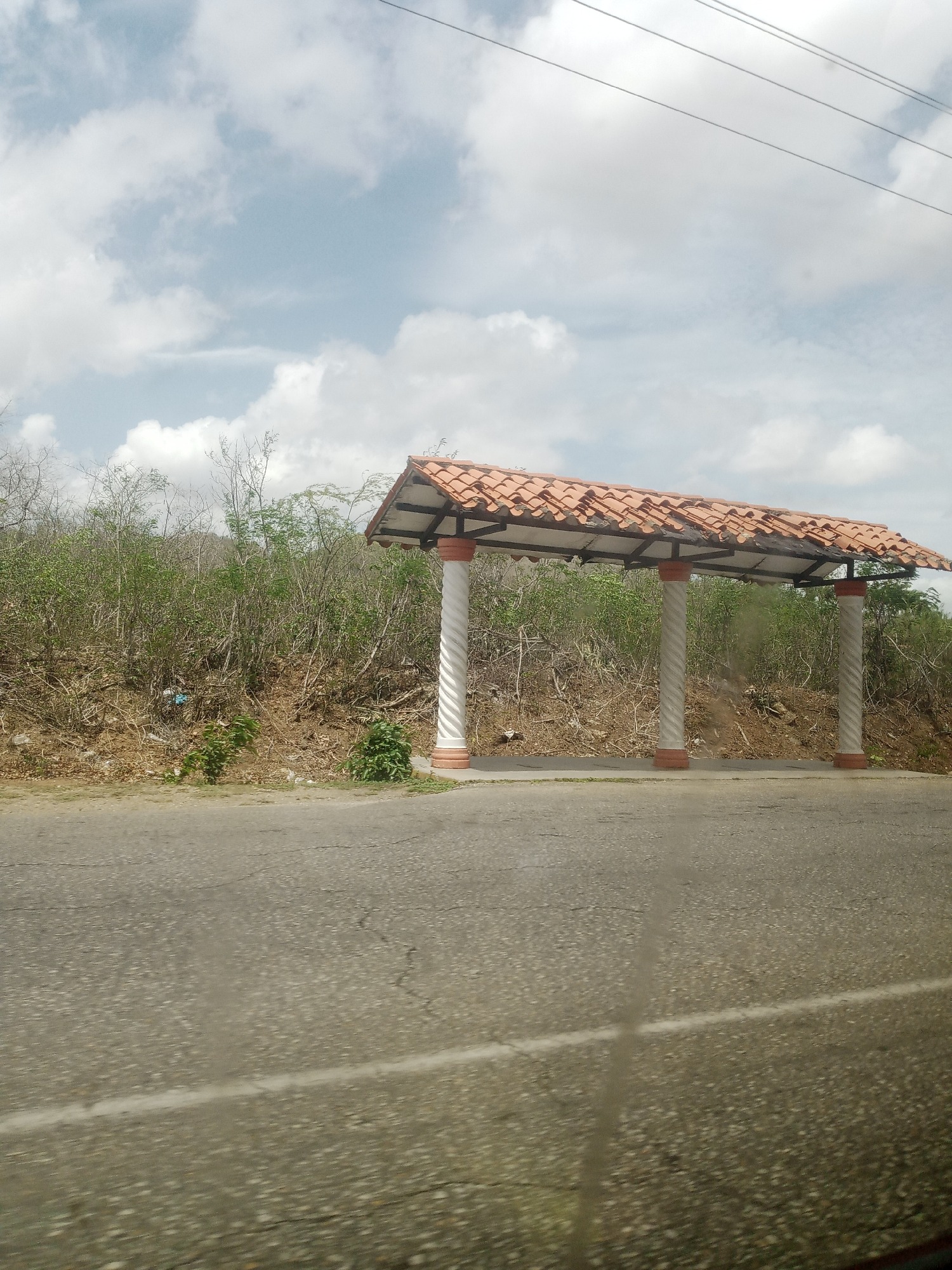 La Tagua, Venezuela