
3FyhbPpVQCbEqbx7QlQ5C7vyriv1

m.damyanov

Creator

Thu, Apr 30, 2026, 05:49 AM

Shibuya, Japan

35.67900, 139.70200

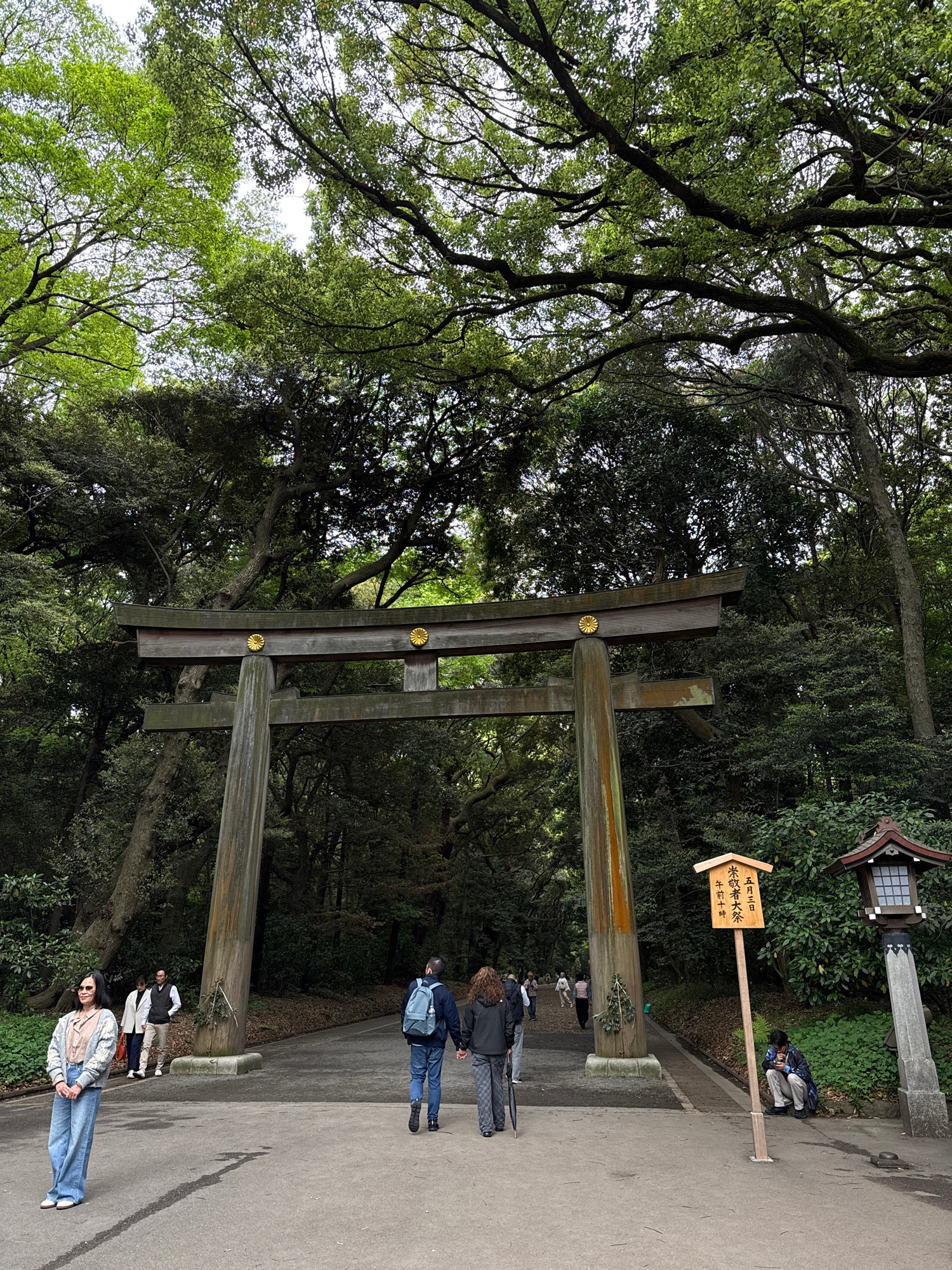
The image, when properly oriented, depicts a serene pathway leading through a dense forest, characteristic of a shrine or temple ground in Japan. A large wooden torii gate stands prominently across th…read more

peaceful
tranquil
contemplative
serene
natural

Technical

ID

4975d3b3-62a7-42f8-8

Usage Rights

This media is free for non-commercial use with proper attribution.

Commercial use, AI/ML training, and derivative works are prohibited without explicit consent from the creator.

Licensed under CC BY-NC 4.0 with additional AI/ML restrictions. Full terms →

The image, when properly oriented, depicts a serene pathway leading through a dense forest, characteristic of a shrine or temple ground in Japan. A large wooden torii gate stands prominently across the path, its weathered timber adorned with golden chrysanthemum emblems (kikumon). To the right of the path, a tall wooden signpost displays Japanese text. Visible characters include "明治神宮" (Meiji Jingū), "奉納" (Hōnō - dedication), and a date: "平成三年四月吉日" (Heisei San-nen Shi-gatsu Kichijitsu), meaning an auspicious day in April of the 3rd year of the Heisei era (1991). Further text below includes "御料" (Goryō - Imperial property) and "日本" (Nihon - Japan), with "神社" (Jinja - shrine) at the bottom, confirming the location as Meiji Jingu Shrine. Adjacent to the signpost, a traditional wooden lantern with a dark roof is nestled among verdant foliage. Several people are seen walking along the paved path. In the foreground, a woman in a light jacket and jeans smiles towards the viewer. Other individuals and small groups are scattered further down the path, including one person crouching near the signpost. The setting is a lush, natural environment with a thick canopy of trees, indicating daylight, possibly with dappled sunlight filtering through the leaves. The scene evokes a tranquil atmosphere, suggesting visitors exploring a sacred site or natural park.