
Sign in
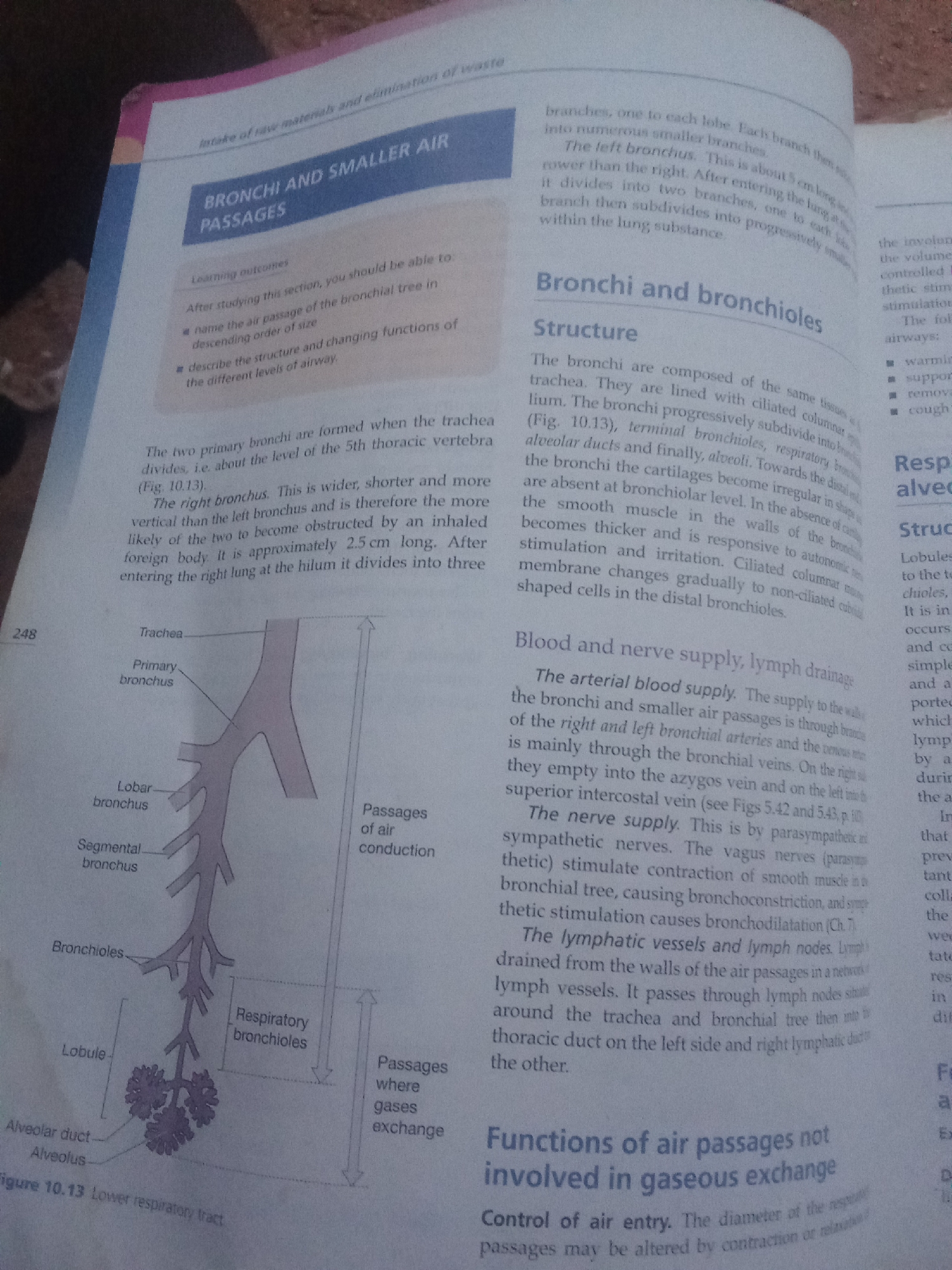
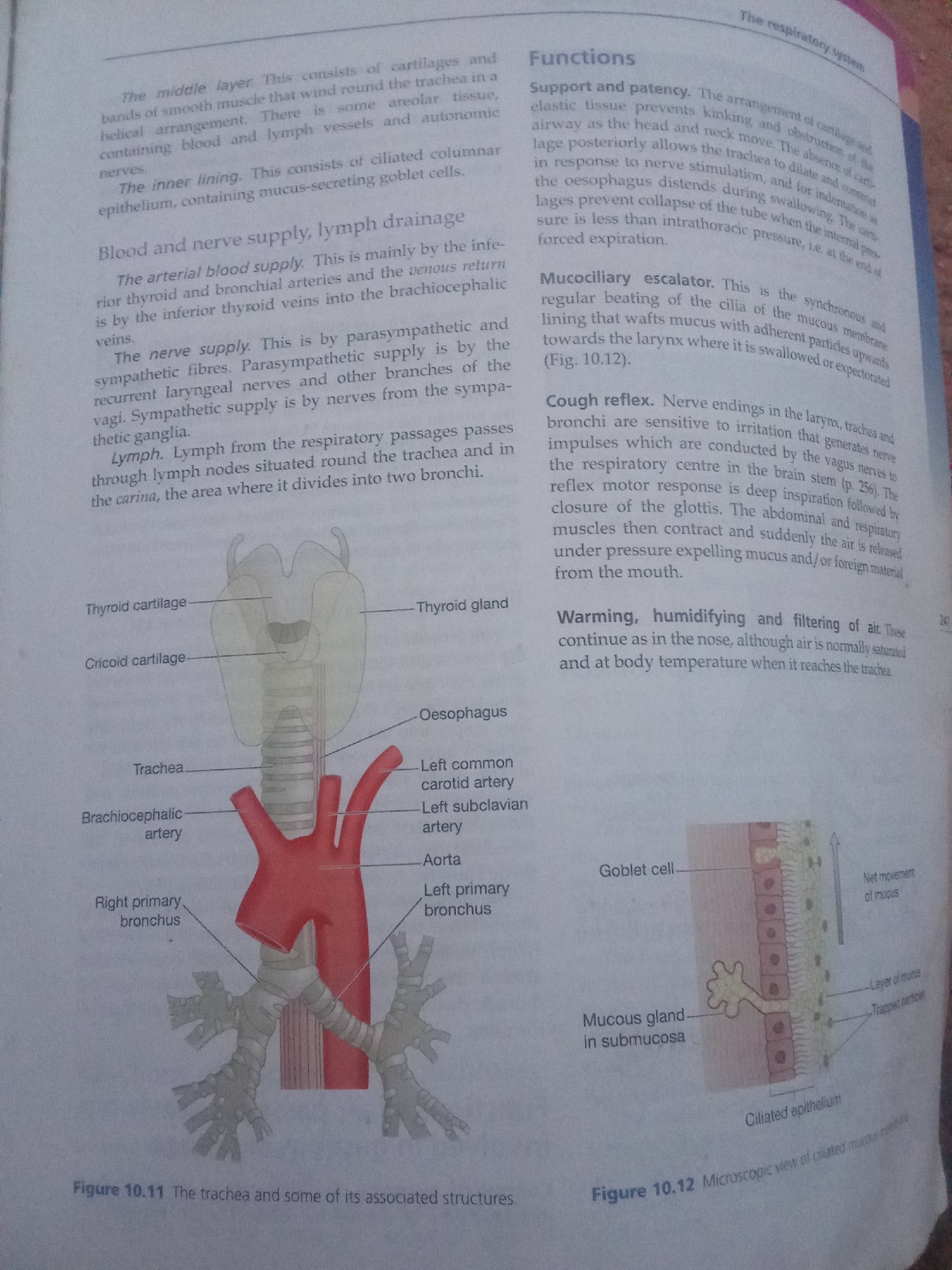
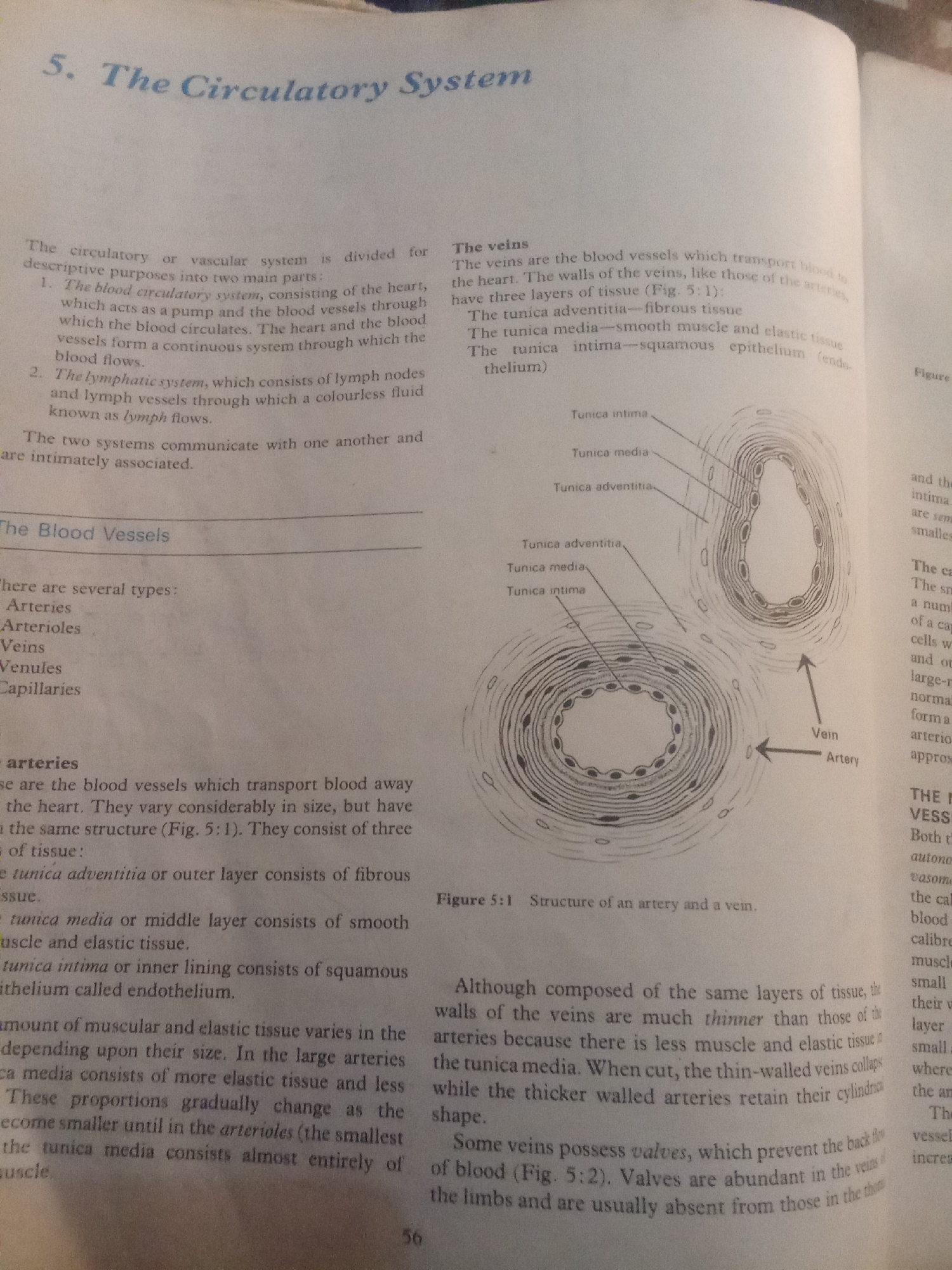
The image is a photograph of an open textbook page, likely from a biology or anatomy class. The text discusses the circulatory and lymphatic systems, and the structure of blood vessels. There are no people or animals visible in the image.

The primary subject is the printed content of the book. The left side of the page contains text describing the circulatory and lymphatic systems and introducing different types of blood vessels like arteries, arterioles, veins, venules, and capillaries. The right side of the page elaborates on the structure of veins and arteries, detailing their three layers: tunica adventitia, tunica media, and tunica intima.

A prominent feature on the right side of the page is an illustration labeled "Figure 5:1 Structure of an artery and a vein." This diagram shows cross-sections of an artery and a vein, highlighting their different wall thicknesses and internal structures. Labels indicate the tunica intima, tunica media, and tunica adventitia for both vessels, and arrows point to "Artery" and "Vein."

The text also discusses the functional differences between arteries and veins, noting that veins have thinner walls due to less muscle and elastic tissue and often possess valves to prevent backflow of blood, which are less common in arteries.

The setting is clearly an academic environment, specifically a book. The lighting suggests it might be daytime or under artificial light, but no specific time of day or weather can be determined. The location context provided (Jalingo, Nigeria) does not appear to be visually represented in the image itself. The visible text is primarily in English, detailing biological concepts. There are no discernible emotions or actions depicted.
FM-KpyEx1

Jun 30, 2026, 11:55 AM

Jalingo, Nigeria

Stake attention in this memory

studious
analytical
focused
curious
academic

The image is a photograph of an open textbook page, likely from a biology or anatomy class. The text discusses the circulatory and lymphatic systems, and the structure of blood vessels. There are no people or animals visible in the image. The primary subject is the printed content of the book. The left side of the page contains text describing the circulatory and lymphatic systems and introducing different types of blood vessels like arteries, arterioles, veins, venules, and capillaries. The right side of the page elaborates on the structure of veins and arteries, detailing their three layers: tunica adventitia, tunica media, and tunica intima. A prominent feature on the right side of the page is an illustration labeled "Figure 5:1 Structure of an artery and a vein." This diagram shows cross-sections of an artery and a vein, highlighting their different wall thicknesses and internal structures. Labels indicate the tunica intima, tunica media, and tunica adventitia for both vessels, and arrows point to "Artery" and "Vein." The text also discusses the functional differences between arteries and veins, noting that veins have thinner walls due to less muscle and elastic tissue and often possess valves to prevent backflow of blood, which are less common in arteries. The setting is clearly an academic environment, specifically a book. The lighting suggests it might be daytime or under artificial light, but no specific time of day or weather can be determined. The location context provided (Jalingo, Nigeria) does not appear to be visually represented in the image itself. The visible text is primarily in English, detailing biological concepts. There are no discernible emotions or actions depicted.

Loading AttnAds…

transactions
revenues
stakers
Earliest
Latest
Highest stake

No transactions found

More from this user

More from Jalingo

FM-KpyEx1

Jun 30, 2026, 11:55 AM

Jalingo, Nigeria

Licensed under Creative Commons Attribution 4.0 International License. You are free to share and adapt this content with proper attribution.