
Sign in
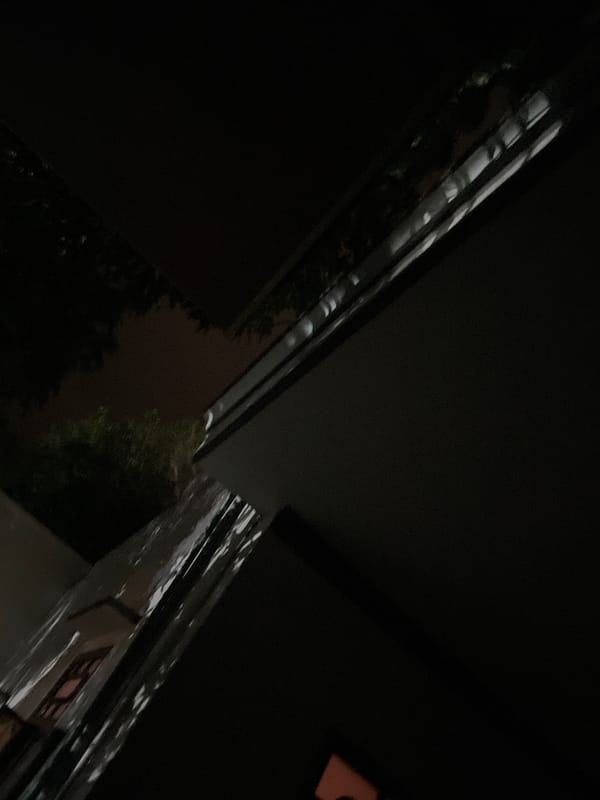
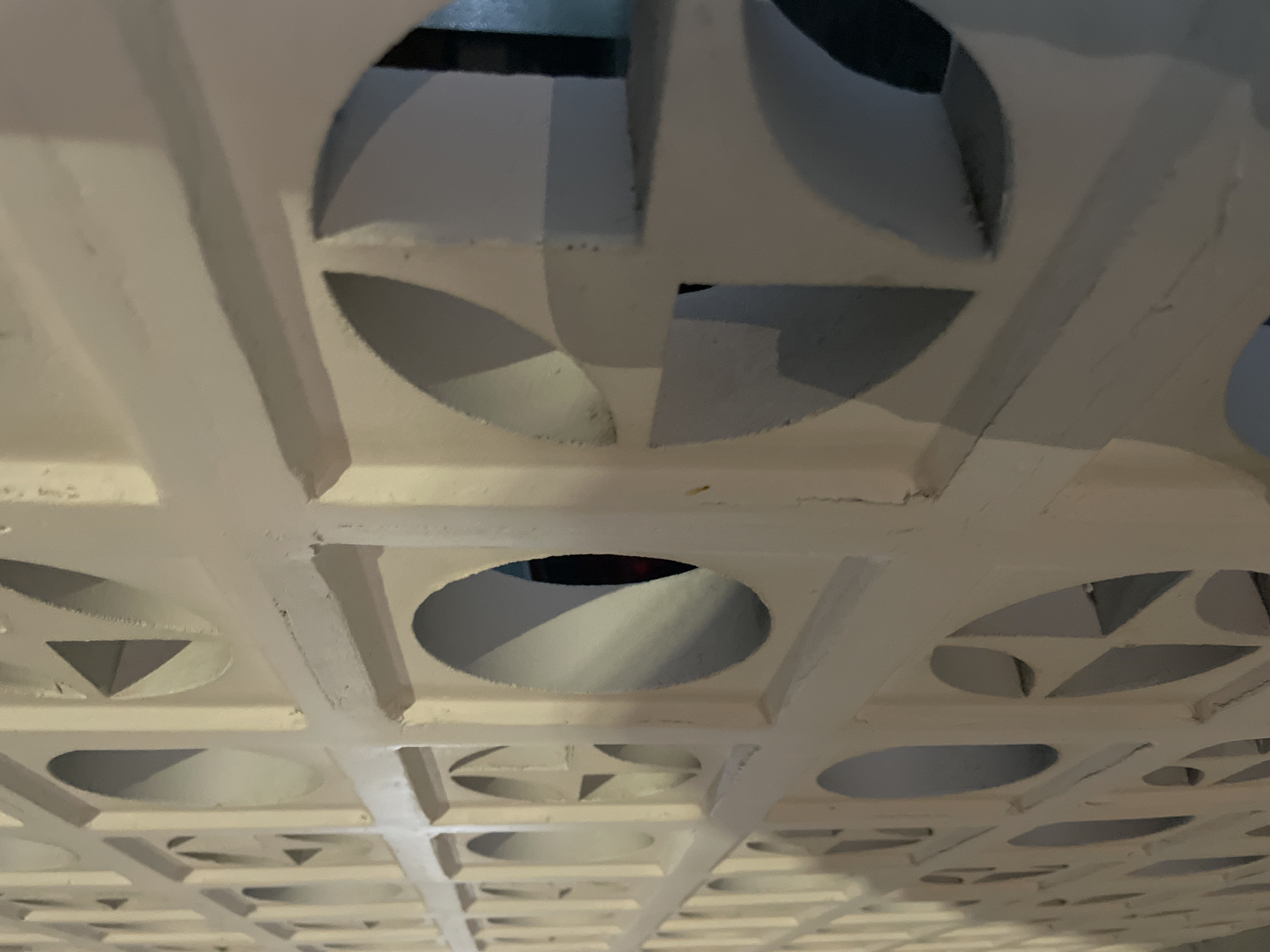
The image displays a close-up, angled view of a vertical architectural screen or wall, composed of repeating modular blocks featuring geometric perforations. The wall is predominantly off-white or light beige, exhibiting surface imperfections, minor cracks, and some dark smudges, suggesting a painted concrete or masonry material subject to wear.

The screen is structured as a grid of square units, each containing a distinct cutout pattern. Two primary types of perforations are discernible:
1.  Simple, full circular apertures.
2.  More intricate patterns within a square frame, typically involving a central cross-like structure, with each of the four resulting quadrants containing a curved, inward-facing void, creating a four-petal or pinwheel-like design. Some variations also include triangular voids within the square modules.

Directional lighting from an unseen source casts strong shadows within the perforations and across the textured surface of the wall, emphasizing its three-dimensional relief. The interiors of the voids reveal darker, indistinct background elements, ranging in shade from light gray to deep black, indicating an obscured space or structure beyond the screen. Through one circular opening towards the right side of the image, a dark, vertical rectangular element, possibly a door frame or a column, is faintly visible.

The scene is static, devoid of any individuals, specific objects, or explicit environmental markers that would visually confirm its location as Phu Thuy Ward, Vietnam, or any other specific geographic area.
ZSM_Travel

Jun 7, 2026, 3:41 PM

Phu Thuy Ward, Vietnam

Stake attention in this memory

nostalgic
intriguing
calm
mysterious
geometric

The image displays a close-up, angled view of a vertical architectural screen or wall, composed of repeating modular blocks featuring geometric perforations. The wall is predominantly off-white or light beige, exhibiting surface imperfections, minor cracks, and some dark smudges, suggesting a painted concrete or masonry material subject to wear. The screen is structured as a grid of square units, each containing a distinct cutout pattern. Two primary types of perforations are discernible: 1. Simple, full circular apertures. 2. More intricate patterns within a square frame, typically involving a central cross-like structure, with each of the four resulting quadrants containing a curved, inward-facing void, creating a four-petal or pinwheel-like design. Some variations also include triangular voids within the square modules. Directional lighting from an unseen source casts strong shadows within the perforations and across the textured surface of the wall, emphasizing its three-dimensional relief. The interiors of the voids reveal darker, indistinct background elements, ranging in shade from light gray to deep black, indicating an obscured space or structure beyond the screen. Through one circular opening towards the right side of the image, a dark, vertical rectangular element, possibly a door frame or a column, is faintly visible. The scene is static, devoid of any individuals, specific objects, or explicit environmental markers that would visually confirm its location as Phu Thuy Ward, Vietnam, or any other specific geographic area.

Loading AttnAds…

transactions
revenues
stakers
Earliest
Latest
Highest stake

No transactions found

More from this user

More from Phu Thuy Ward

ZSM_Travel

Jun 7, 2026, 3:41 PM

Phu Thuy Ward, Vietnam

Licensed under Creative Commons Attribution 4.0 International License. You are free to share and adapt this content with proper attribution.